

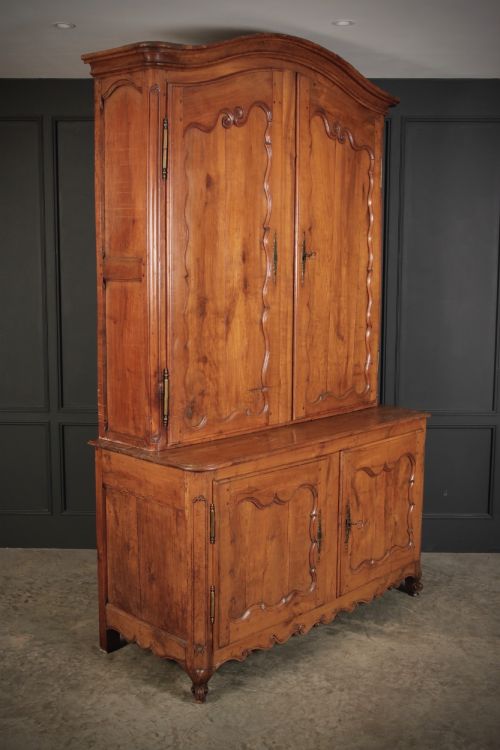
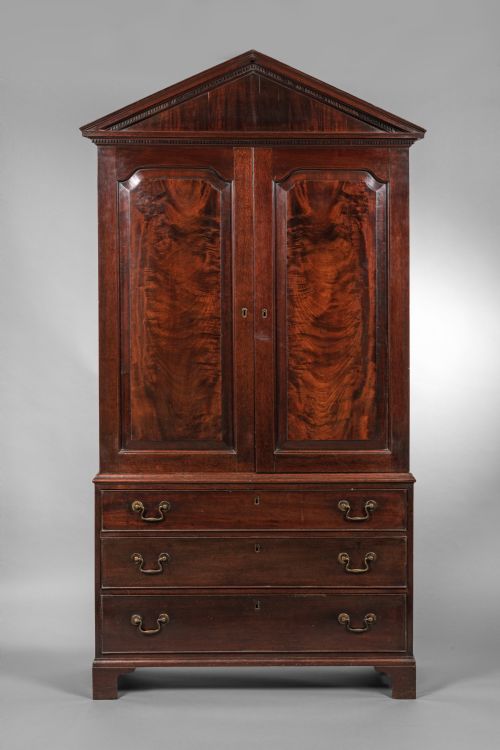
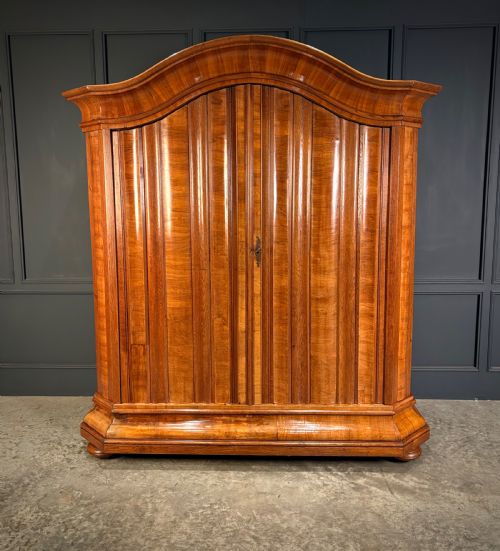
18th Century Armoire Cabinet
An 18th century armoire cabinet brings substantial storage and period presence into a room, offering historic utility for modern interiors.
18th Century Armoire Cabinet
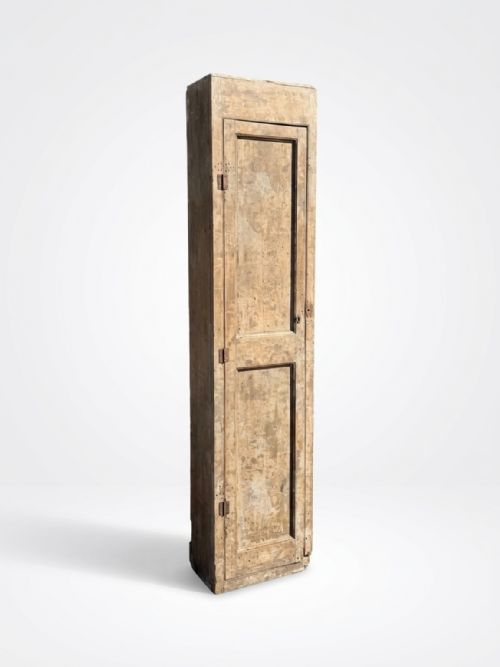
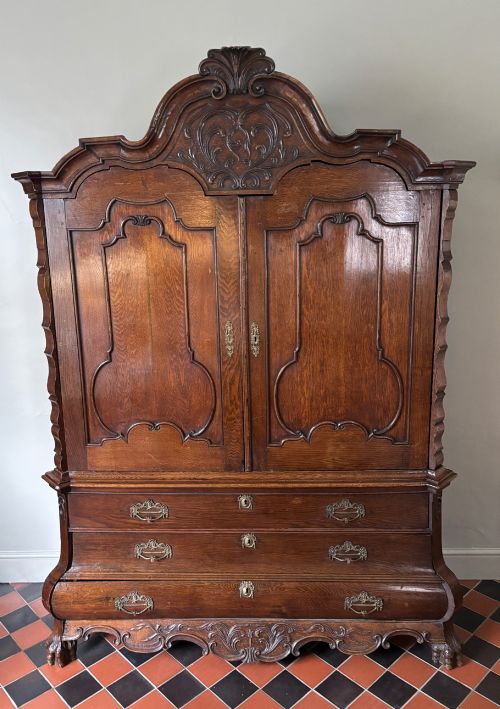
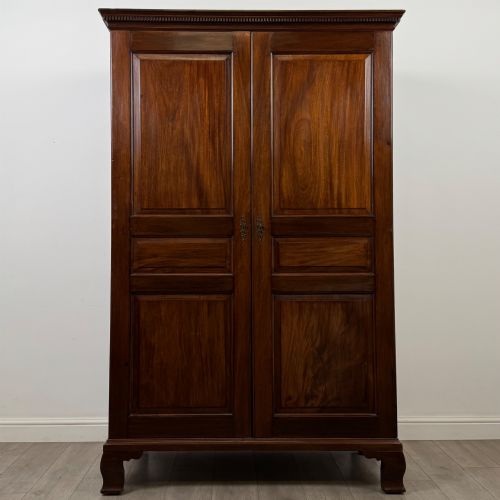
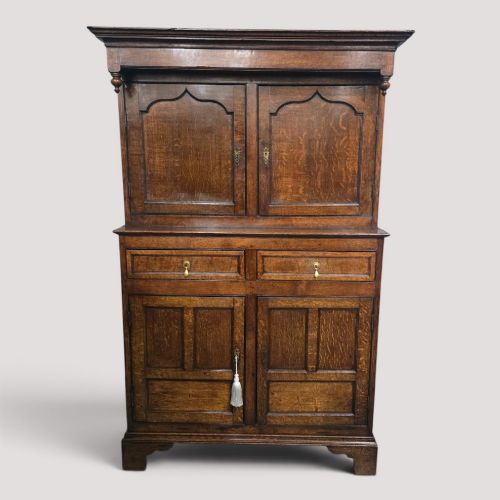
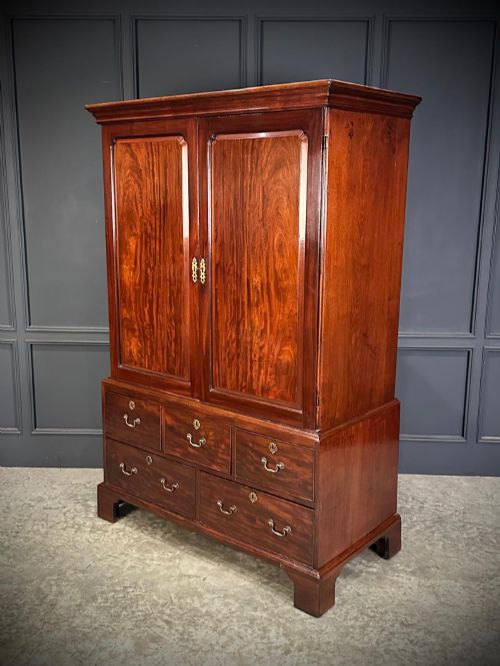
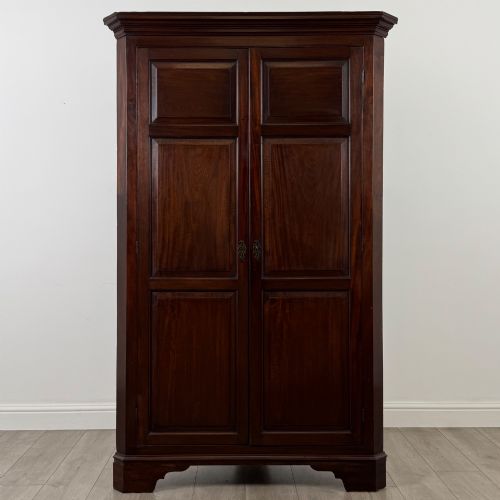
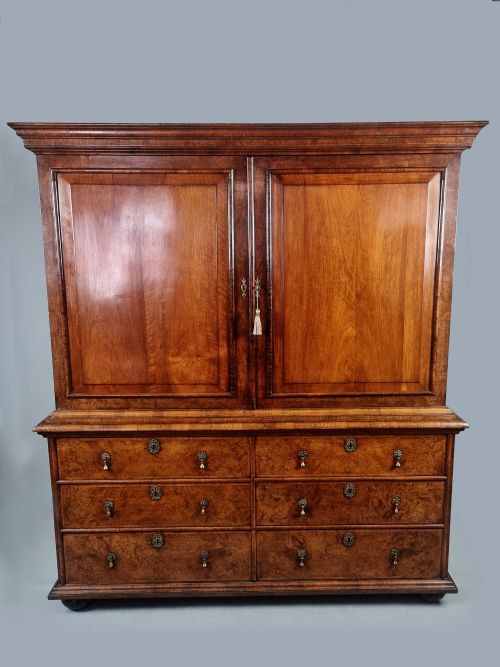
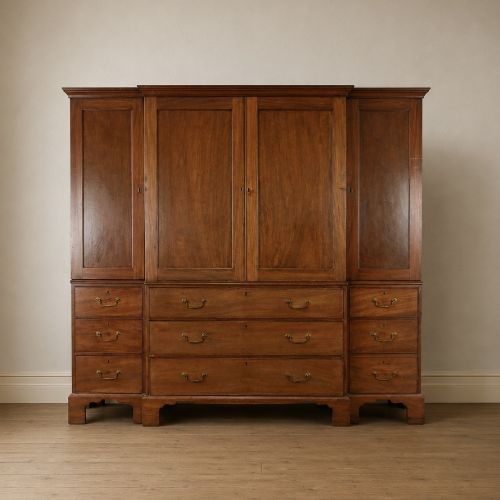
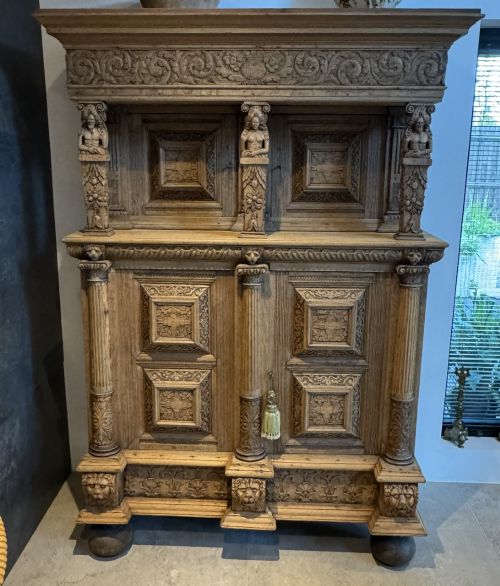
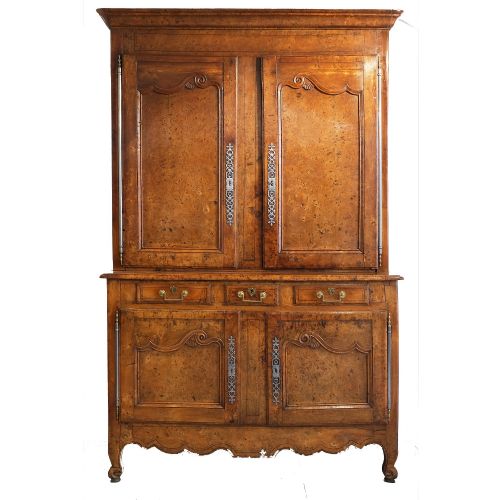
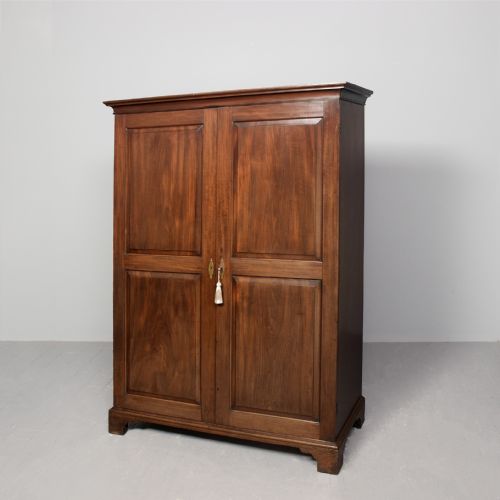
An 18th century armoire cabinet encompasses large storage forms, including linen presses, wardrobe cupboards, and two-piece buffets designed for domestic use. The pieces seen here span regional styles such as Georgian, French Provincial, Dutch Baroque, and English Country.
Buyers most frequently encounter oak, mahogany, and walnut examples originating from English, French, and Dutch workshops. These large furniture items served vital roles in households for storing clothing, linens, and provisions before built-in closets became standard.
How they were made
Cabinet makers utilised robust timbers such as oak, mahogany, walnut, ash, elm, and cherry, often pairing them with secondary woods for internal construction. Construction methods relied on traditional joinery, panels, and frames designed to support massive timber doors and heavy contents.
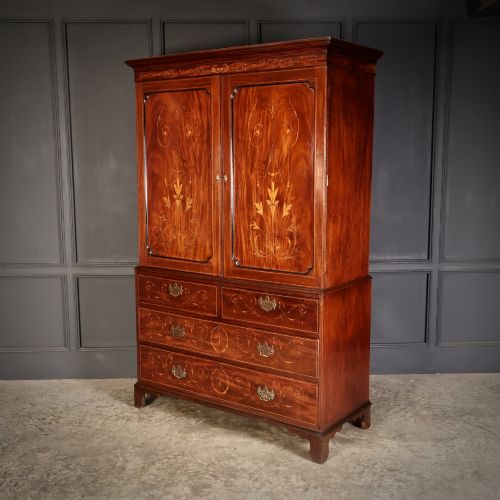
Decoration involved intricate marquetry with floral inlay, burr walnut veneers, and flame mahoganying on high-status examples, alongside functional brass or iron hardware and blacksmith hinges on primitive country pieces.
What varies in quality
The standard of an 18th century armoire cabinet is determined by the choice of timber and the ambition of its surface decoration, ranging from simple unadorned country pine and oak to highly figured flame mahogany and elaborate floral marquetry. Finer examples display meticulous attention to proportion, balanced grain patterns, and sophisticated architectural cornices.
Internal configuration and original hardware further separate exceptional pieces from standard utility items, as integrated sliding trays, linen slides, and original locks demonstrate superior workshop execution.
Francis Brodie
The 18th Century Armoire Cabinet Glossary
- Linen press
- A tall storage cabinet featuring upper sliding trays or shelves enclosed by doors, positioned above a chest of drawers.
- Deux corps
- A large cabinet constructed in two separate vertical sections, typically with a smaller upper cupboard resting on a deeper base.
- Marquetry
- A decorative technique applying fitted pieces of wood veneer to form intricate pictorial or floral patterns across the surface.
- Cornice
- The moulded horizontal projection that crowns the top of a tall cabinet or wardrobe.
- Livery cupboard
- A traditional storage piece historically used for provisions, featuring panelled doors or turned spindles for ventilation.
18th Century Armoire Cabinet: Frequently Asked Questions
What is an 18th century armoire cabinet used for today?
These large timber cabinets provide generous vertical storage for modern clothing, bedding, and household items while serving as a striking focal point in a bedroom or hallway.
Their deep proportions and internal shelving or hanging space accommodate bulky items that standard modern wardrobes struggle to hold.
How do I tell a Georgian piece from a French provincial one?
Georgian pieces typically utilise straight lines, architectural cornices, and rich mahogany or oak veneers, reflecting classical English design preferences.
French provincial examples often feature softer fruitwood timbers, curved panels, and subtle carved motifs suited to rural European interiors.
Are these cabinets difficult to move?
Because many of these pieces are constructed from heavy solid hardwoods and substantial frames, they require careful handling and often need to be dismantled into sections for transport.
Two-piece formats like buffets deux corps make moving large heights more manageable by separating the upper and lower halves.
What maintenance do antique wood cabinets require?
Maintaining these surfaces involves keeping them away from direct heat sources and sudden humidity changes to prevent the timber from splitting or warping.
Applying occasional appropriate wax polish helps nourish the aged grain and preserves the natural lustre of the wood.