
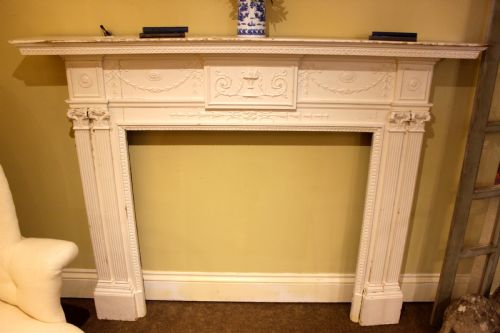


Georgian Architectural Columns
Georgian architectural columns bring classical order and grand scale into domestic interiors through carved timber and paper.
Georgian Architectural Columns
Georgian architectural columns encompass structural elements, furniture designed around columnar forms, and works on paper depicting classical buildings. Buyers searching for georgian architectural columns encounter items ranging from carved mahogany bed posts and column stands to eighteenth-century architectural engravings.
The selection on this page leans heavily toward Regency and eighteenth-century examples alongside nineteenth-century interpretations. These objects demonstrate how classical proportions influenced everything from full-scale bed posts to intricate wall mirrors and console tables.
Materials and construction
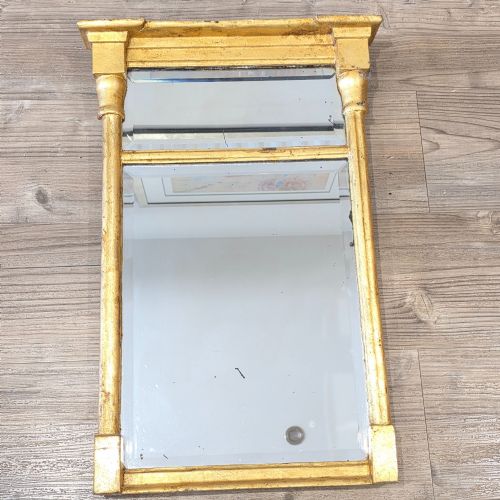
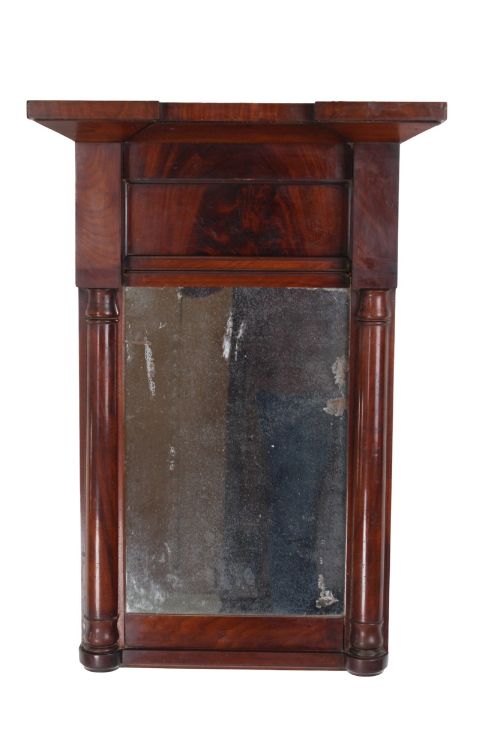
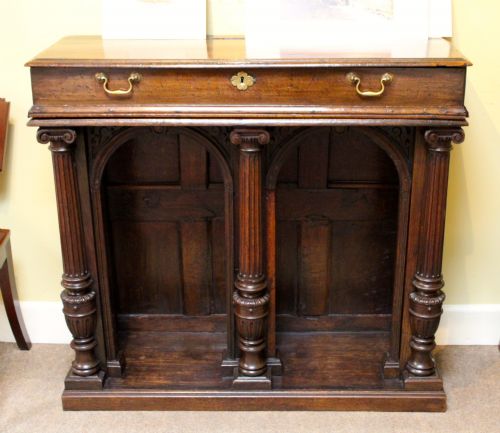
Makers utilised dense timbers such as mahogany and oak, shaping them into reeded shafts with carved capitals. Gilding, gesso, and paint frequently appear on frames and mirrors that incorporate classical column motifs into their design.
Engravings on paper record classical facades and porticos using ink, preserving architectural studies for collectors. Woodworkers turned and carved solid timber to create structural pairs intended to support or frame domestic spaces.
Periods represented across these listings range from the eighteenth century through the Regency, William IV, and Victorian eras.
Assessing quality
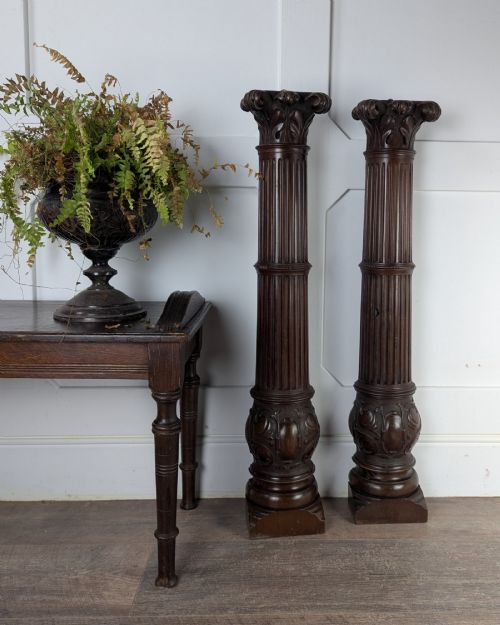
The distinction between standard and exceptional pieces rests in the crispness of the carving on capitals and shafts. Finer items exhibit deep, deliberate chisel work that defines classical orders with precision.
Surface preparation determines the visual weight of gilded and painted examples. Superior objects retain harmonious layers of gesso and gold leaf that reflect light evenly across architectural mouldings.
The Georgian Architectural Columns Glossary
- Corinthian
- An order of classical architecture distinguished by ornate capitals decorated with acanthus leaves. This style appears on carved mahogany half columns.
- Regency
- A British design period spanning the early nineteenth century characterised by strong neoclassical influences. Pieces from this era often draw directly from ancient Greek and Roman forms.
- Pier mirror
- A tall glass designed to hang on the wall space between windows. These mirrors frequently utilise column motifs along their frames.
- Overmantel mirror
- A wide looking glass created to sit above a fireplace surround. They often incorporate architectural framing and painted gesso details.
- Architectural engraving
- A printed image documenting classical buildings, temples, and ruins. Eighteenth-century examples record archaeological discoveries from sites in Athens and Rome.
Georgian Architectural Columns: Frequently Asked Questions
What defines a Georgian architectural column?
These pieces incorporate classical orders such as Doric or Corinthian into furniture, mirrors, and works on paper. They reflect the eighteenth and nineteenth-century fascination with ancient building proportions.
Buyers find them executed in carved mahogany, painted pine, and detailed engravings of temples. Each item translates monumental stone architecture into a domestic scale.
Where were these columns placed originally?
Full-scale columns and bed posts formed structural parts of grand interior architecture and four-poster beds. Smaller decorative elements framed mirrors or supported console tables in reception rooms.
Engravings served as visual records for scholars and collectors interested in classical antiquity. They hung in libraries and studies to document famous temples and porticos.
How do I distinguish Regency pieces?
Regency items display bold neoclassical details drawn directly from Greek and Roman archetypes. Look for giltwood frames, reeded mahogany shafts, and strict geometric symmetry.
Maker choices during this period favoured clean lines combined with rich surface gilding. This style bridges late eighteenth-century restraint with heavier nineteenth-century Victorian forms.
How should I care for gilded wood?
Gilded surfaces require dusting with a soft, dry brush to prevent damage to delicate layers of gold leaf. Avoid liquid cleaners and modern polishes entirely.
Keep these objects away from direct sunlight and excessive humidity to protect the underlying gesso and wood. Stable environmental conditions preserve the original finish.