



Georgian Architectural Artwork
Georgian architectural artwork brings classical ruins, country houses and urban views into focus through period oils, drawings and engravings.
Georgian Architectural Artwork
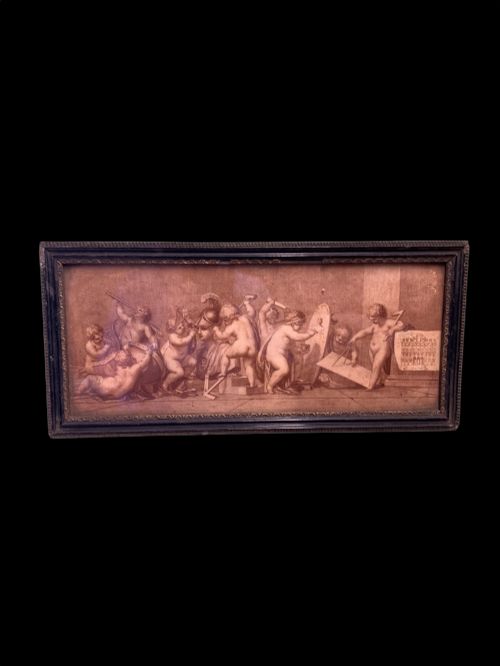
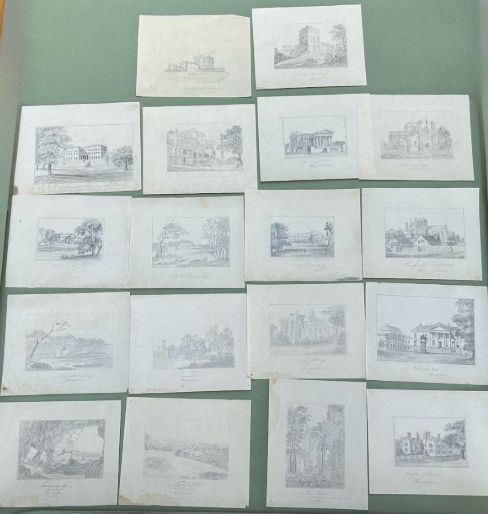
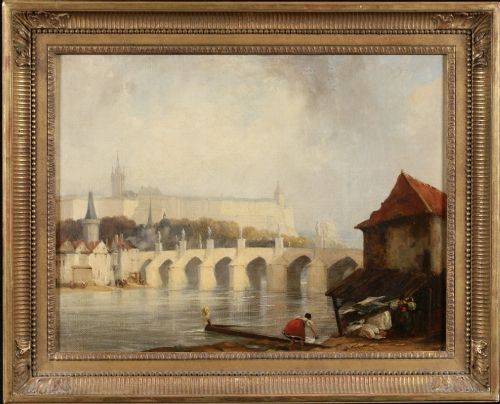
When you search for georgian architectural artwork, you encounter visual records of classical buildings, country seats and urban landscapes produced during the eighteenth and nineteenth centuries. The pieces on this page span oil paintings on canvas and oak panel, delicate graphite sketches, watercolours and large scale copperplate engravings. Italianate ruins, British country houses and metropolitan street scenes dominate the selection, reflecting the era's fascination with topography and antiquity.
Most examples originate from British and European hands, capturing specific locations ranging from Scottish estates to classical Greek monuments. Mediums vary from monochrome ink washes to richly coloured oils and tinted lithographs. These visual records served as souvenirs of the Grand Tour, precise topographical records or artistic interpretations of classical structures.
Materials and techniques
The physical construction of georgian architectural artwork relies on traditional substrates such as laid paper, oak panels and woven canvas. Artists applied iron gall ink, graphite, watercolour and oil paint using fine sable brushes and quill pens to achieve precise lines and tonal depth. Engraved items utilise copper or steel plates printed on heavy paper stock, occasionally enhanced with hand applied watercolour tints.
Framing materials reflect the period aesthetic, with original works frequently housed in giltwood or maple frames set behind glass. Ink and pencil drawings demand careful preservation on paper, while oil paintings on panel or canvas maintain durability through traditional gesso grounds and varnish layers.
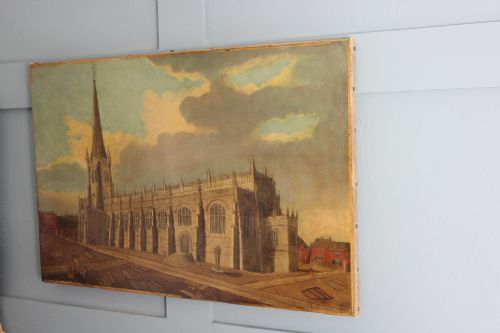
Stone masons and surveyors occasionally lurk in the foreground of these grand church portraits, keeping an eye on the foundations.
Distinctions in quality
Quality in georgian architectural artwork rests upon the precision of the draughtsmanship and the artist's command of perspective and scale. Superior examples demonstrate accurate architectural proportions and fine linework that capture stone texture and atmospheric light convincingly. Weaker pieces suffer from stiff rendering, incorrect vanishing points or flat washes of colour that lack depth.
Association with documented printmakers, draughtsmen or painters elevates an item's standing within the field. Sharpness of impression in engravings and the survival of original surface pigment in oils determine the visual impact and historical integrity of the piece.
Francesco Piranesi·James Basire·Edward Rooker·Peter Tillemans·George Lambert·Henry Edridge·John Thurtle
The Georgian Architectural Artwork Glossary
- Engraving
- A printmaking technique where an artist cuts lines directly into a metal plate using a sharp tool called a burin. The inked plate transfers the design under pressure to create a detailed impression on paper.
- Grand Tour
- A traditional educational journey through Europe undertaken by upper class young men in the eighteenth and nineteenth centuries. Travellers collected architectural views and antiquities as tangible evidence of their travels.
- Topography
- The detailed mapping and artistic representation of specific geographical locations and buildings. Topographical works prioritise accuracy of place over romantic invention.
- Lithograph
- A planographic printing method based on the repulsion of oil and water on a limestone slab or metal plate. This technique allowed artists to produce tonal prints that resemble chalk or watercolour drawings.
Georgian Architectural Artwork: Frequently Asked Questions
How do I care for antique paper artworks?
Paper works require protection from direct sunlight and high humidity to prevent fading and foxing. Keep them behind UV filtering glass and maintain stable indoor temperatures.
Avoid hanging works in damp rooms or kitchens where moisture and cooking vapours can damage the paper substrate and pigments.
Were these engravings made for books?
Many large engravings originated as plates for ambitious architectural folios and antiquarian studies documenting Greek and Roman remains. Publishers issued these unbound or bound in volumes for subscribers.
Later collectors often removed individual plates for framing and display as standalone wall art.
What is the difference between an oil painting and a print?
An oil painting is a unique, hand painted work created directly on canvas or wood panel using suspended pigments in oil. Brushstrokes and surface texture remain visible upon close inspection.
Prints are multiple impressions pulled from a prepared plate, woodblock or stone, capturing fine lines through mechanical transfer rather than direct painting.
How can I identify a Georgian landscape?
Georgian landscapes typically feature balanced compositions with classical ruins, staffage figures in period attire and restrained natural palettes. Architectural elements reflect Palladian or Neoclassical taste.
Examining the framing, paper watermark or canvas weave helps confirm the eighteenth or early nineteenth century period of creation.