

Georgian and Victorian Silver
Georgian and Victorian silver encompasses domestic hollowware, flatware, and personal ornaments spanning two defining eras of British metalwork.
Georgian and Victorian Silver
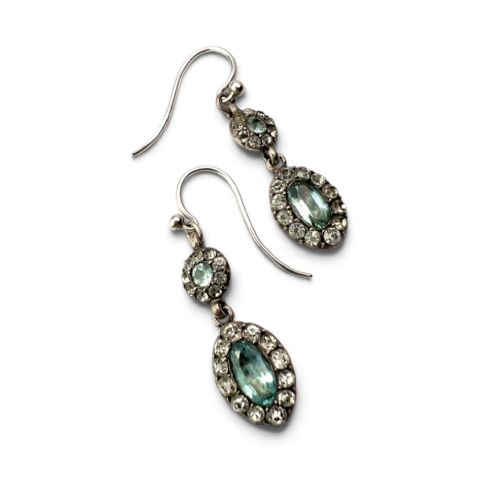
The objects stem predominantly from the 19th century and the Victorian period, with notable representation from Georgian eras and early twentieth-century revivals. Buyers most frequently meet flatware, small hollowware, and paste-set jewellery on these pages, reflecting the domestic survival rates of silver goods from these eras.
How they were made
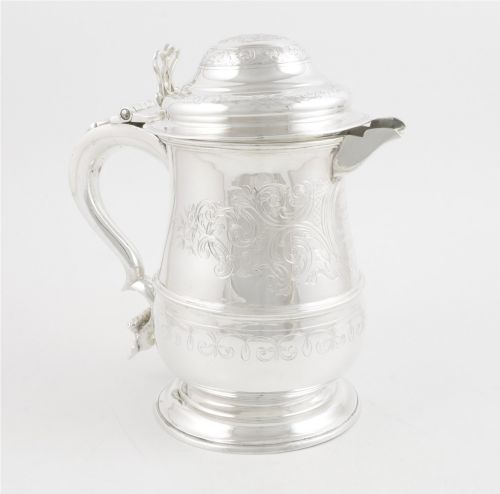
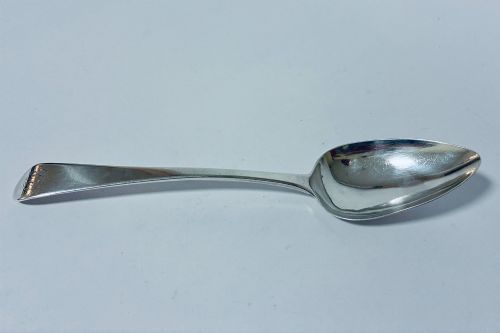
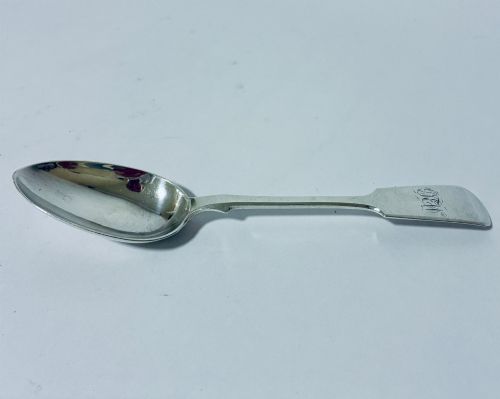
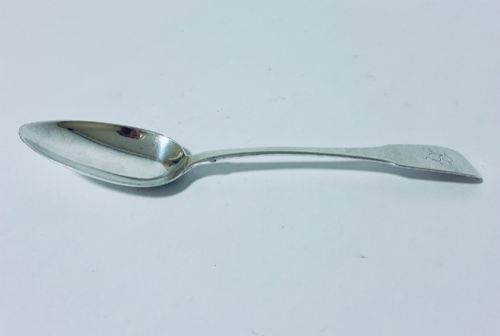
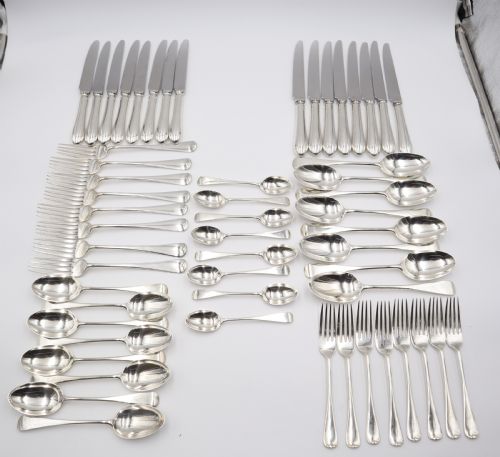
The construction of these items relies heavily on traditional silversmithing techniques, including hammering, casting, and hand-raising sterling silver sheet into hollowware forms such as jugs, tankards, and teapots. Flatware items like tablespoons, fish slices, and sugar shovels were typically forged from ingots, beaten to shape, and finished with hand-cut engraving or cast terminals.
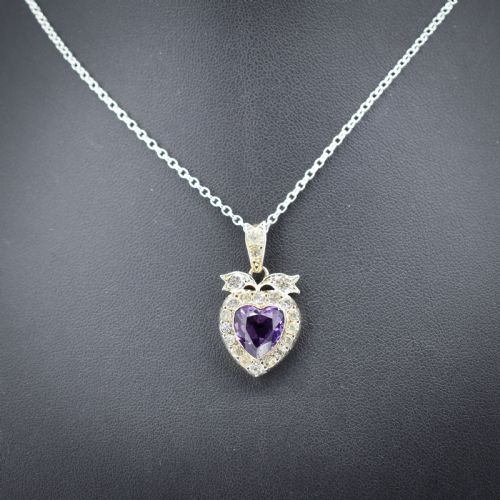
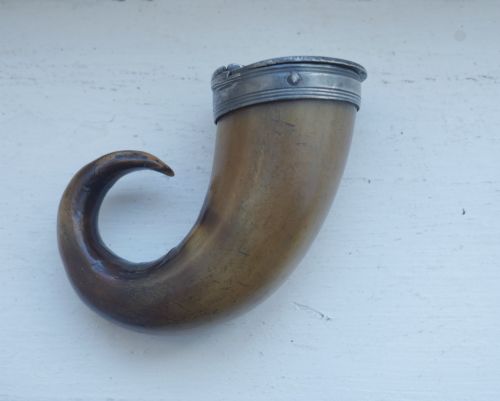
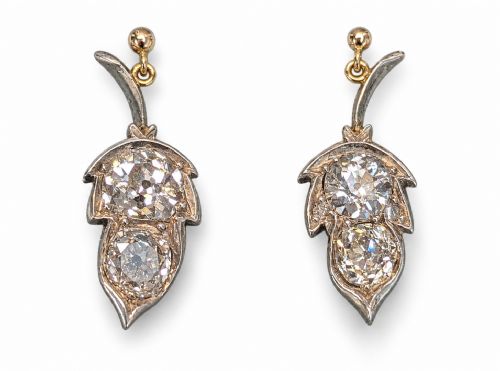
Decorative elements often employ chasing, repoussé work, and piercing, particularly evident on berry spoons, sugar sifters, and salvers executed in Georgian and Rococo revival styles. Jewellery and personal trinkets from the Victorian and Edwardian periods combine silver settings with hand-cut paste stones, rose-cut diamonds, and enamelling techniques, while organic elements like Scottish horn and tortoiseshell are shaped and mounted in metal mounts.
Georgian and Victorian Silver Retail Price Guide 2026
Typical asking prices for georgian and victorian silver among the pieces listed under this phrase on Sellingantiques today, from the lower quarter to the upper quarter. They describe what is for sale here now, not the wider market.
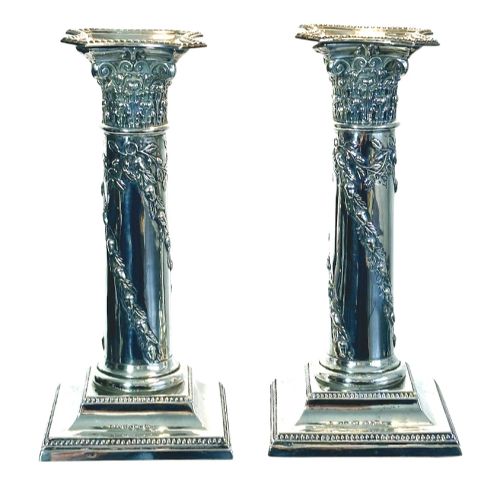
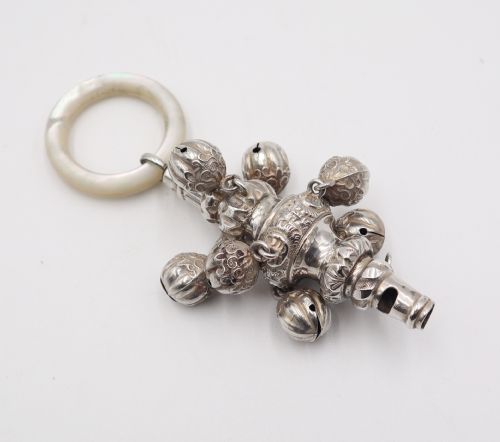
Among the cutlery and candlesticks, you will occasionally spot a tiny baby's rattle designed to soothe an infant who lived through the reign of Queen Victoria.
What varies in quality
Quality in georgian and victorian silver rests on the crispness of the original form and the preservation of hand-worked surface detail against subsequent polishing wear. Pieces that retain deep, legible hallmarks, sharp chased or engraved decoration, and robust gauge metal stand distinctly apart from those reduced by centuries of enthusiastic cleaning.
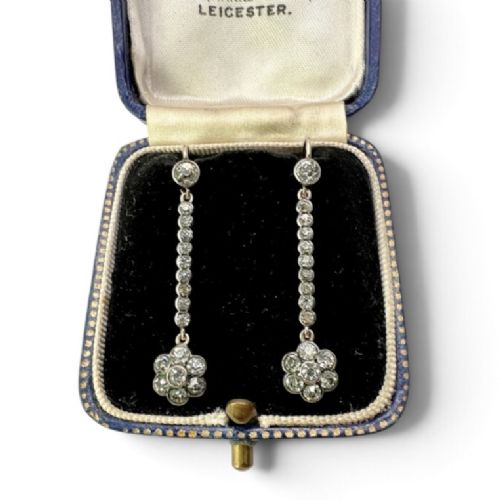
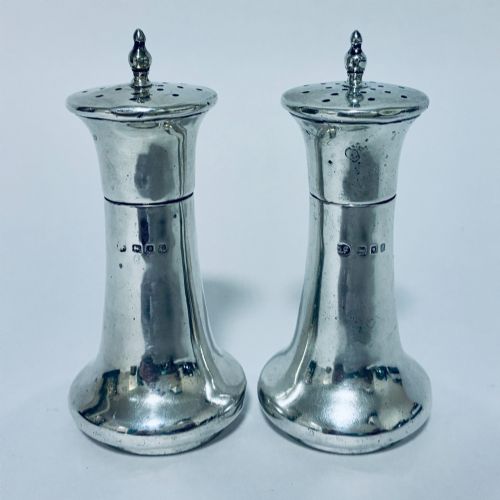
In fitted sets and complex objects like cruet frames or jewellery, the integrity of the assembly and the quality of matching components dictate overall merit. Items featuring superior stone setting, such as securely foiled or collet-set old cut paste and diamonds, demonstrate a higher level of workshop execution than mass-produced later equivalents.
John Walton·G & L Guanziroli London
The Georgian and Victorian Silver Glossary
- Sterling silver
- An alloy consisting of 92.5 percent silver and 7.5 percent other metals, usually copper, chosen for durability in tableware and ornaments. This standard has served as the baseline for British hallmarked silver for centuries.
- Hallmark
- A series of official marks stamped on precious metal items to guarantee their purity, origin year, and maker. British hallmarks typically include the standard mark, assay office mark, and date letter.
- Hollowware
- A category of metal items that possesses volume and capacity, such as teapots, jugs, tankards, and sugar bowls. These pieces contrast with flatware, which comprises knives, forks, and spoons.
- Paste
- Hand-cut and polished lead glass used to imitate gemstones in antique jewellery. High-quality paste stones are individually faceted and set into silver mounts.
- Repoussé
- A metalworking technique where the artist hammers the metal from the reverse side to form a raised design in relief. This method is frequently paired with chasing on ornate Victorian hollowware and spoons.
Georgian and Victorian Silver: Frequently Asked Questions
How do I identify Georgian silver?
Georgian silver dates from the reigns of the four King Georges, William IV, and related periods spanning roughly the eighteenth century through the 1830s. Identification relies primarily on reading the official assay office marks and date letters stamped into the metal.
Stylistic cues also help, as Georgian design often draws on Neoclassical or early revival motifs before the heavier Victorian aesthetic took hold. Examining the weight, construction methods, and hand-finishing marks provides further confirmation of the period.
What is the difference between Georgian and Victorian silver?
Georgian silver typically exhibits restraint, drawing inspiration from classical architecture and symmetrical proportion in flatware and hollowware. Victorian pieces tend towards heavier ornamentation, incorporating naturalistic floral motifs, heavy cast handles, and elaborate surface chasing.
As the nineteenth century progressed, industrial manufacturing techniques allowed for greater output and varied revival styles. Comparing pieces side by side reveals a shift from lighter, hand-raised vessel walls to more robust, machine-assisted production later in the period.
How should I clean antique silver?
Cleaning antique silver requires a gentle approach to preserve the thin layer of original metal and any residual dark oxidation in recessed details. Non-abrasive microfibre cloths and specialised silver pastes used sparingly are generally recommended.
Avoid harsh chemical dips that strip away the authentic patination accumulated over centuries of existence. Regular handling and minimal, careful polishing maintain the soft lustre characteristic of well-kept antique pieces.
Can I use antique silver flatware daily?
Many people successfully incorporate antique silver spoons, forks, and cutlery into everyday dining routines. Sterling silver is durable enough for regular use, provided it is washed by hand rather than subjected to modern dishwashers.
Dishwasher heat and harsh detergents can damage organic handles, weaken soldered joints, and strip away desirable surface age. Hand washing with mild soap ensures these functional items survive for future generations.