
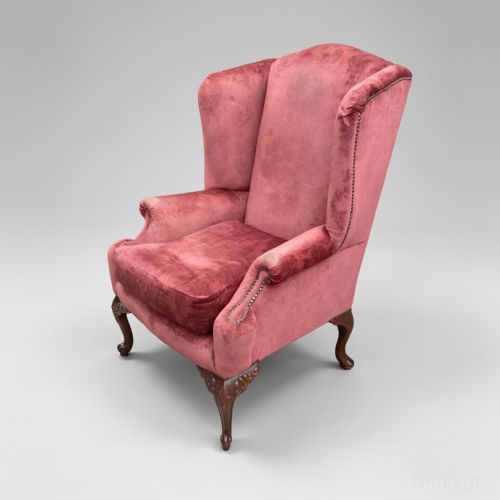


George V Wing Chair
These george v wing chair examples combine period styling with sturdy construction, offering a comfortable seat beside the fireplace.
George V Wing Chair
A george v wing chair is an upholstered armchair featuring protective side panels designed to shield the sitter from draughts. The selection includes original period seating alongside revival pieces produced in the twentieth century.
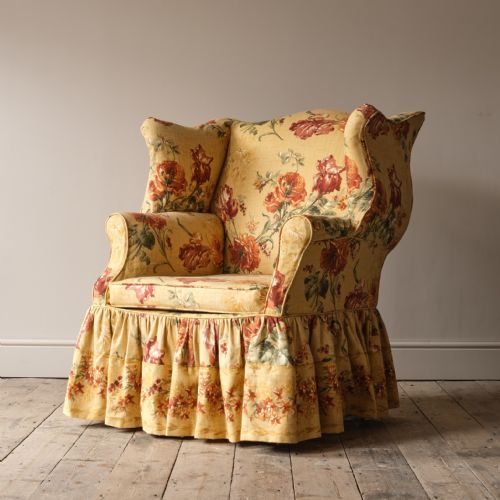
Makers frequently drew inspiration from earlier Georgian designs, incorporating high backs and scroll arms into their work. Buyers often encounter pieces upholstered in leather, damask, or cotton chintz.
The assortment spans from large armchairs down to children's nursery variants. Timber frames appear in mahogany, walnut, and beech.
Construction and materials
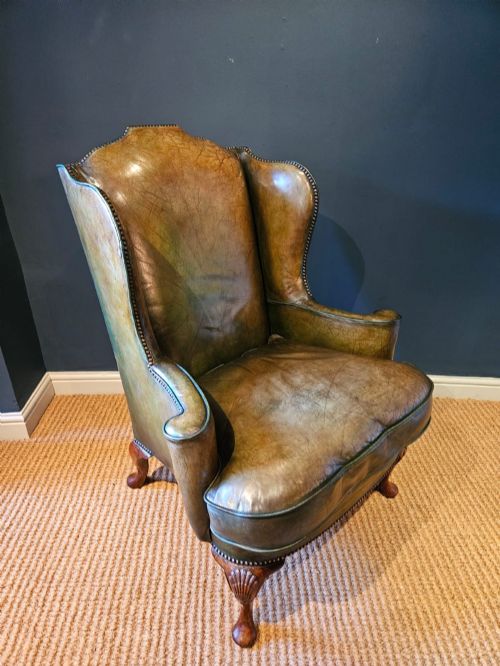
Frames rely on solid timbers such as mahogany, walnut, and beech to provide a sturdy structural skeleton. Cabinetmakers shaped cabriole legs and straight supports from these hardwoods.
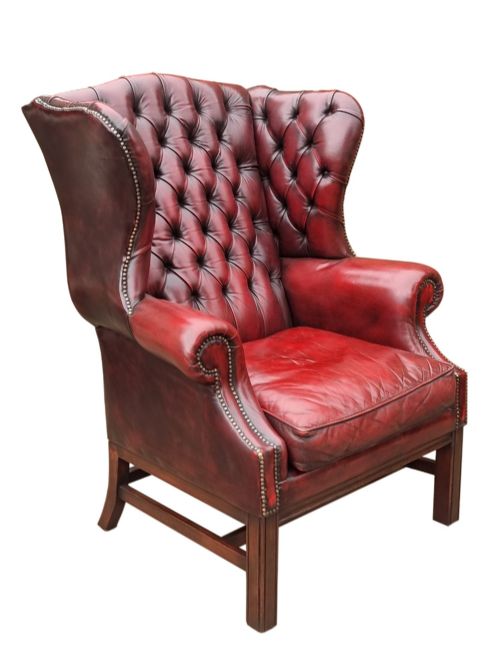
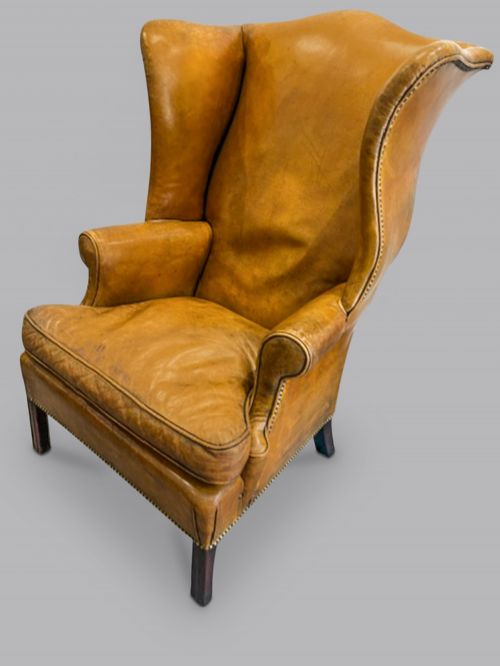
Upholstery methods involve traditional stuffing techniques paired with top coverings of leather, damask, cotton chintz, or velvet. Brass nails frequently secure the outer edges of the leather upholstery.
Revival pieces mirror the proportions and decorative carving seen on earlier eighteenth-century prototypes. Button-backed detailing appears across several examples to secure the internal padding.
Listings feature timber frames in mahogany, walnut, and beech alongside upholstery in leather, damask, velvet, and cotton chintz.
What separates the best pieces
Quality rests upon the crispness of the timber carving and the integrity of the underlying frame construction. Finer examples display well-proportioned wings that balance the overall silhouette of the armchair.
The choice of covering material and the precision of the upholstery work dictate the visual appeal of the seating. Original leather patination or high-grade fabric finishes elevate certain specimens above standard production.
The George V Wing Chair Glossary
- Wing chair
- An upholstered armchair with side panels designed to keep warmth in and draughts away. These high-backed seats became popular in domestic interiors during the eighteenth century.
- Cabriole leg
- A furniture leg that curves outward in a convex arc before tapering inward in a concave sweep. This form typically terminates in a pad or claw foot.
- Damask
- A reversible figured fabric woven on a jacquard loom with patterns formed by contrasting warps and wefts. It adds a formal decorative texture to seating upholstery.
- Mahogany
- A durable tropical hardwood prized for its reddish-brown colour and stable grain. Makers used this timber extensively for chair frames and legs.
George V Wing Chair: Frequently Asked Questions
How do I identify a revival piece?
Revival items often date from the twentieth century while imitating the proportions and decorative vocabulary of earlier eras. Examine the timber finish and construction methods to determine the age of the frame.
Inspect the upholstery techniques and hardware used to secure the fabric. Many pieces produced in later decades maintain traditional silhouettes while showing modern manufacturing tolerances.
What materials were used for upholstery?
Traditional coverings include sturdy leather, patterned damask, velvet, and cotton chintz. Some chairs feature button-backed detailing to hold the interior padding firmly in place.
Brass nailheads frequently outline the leather panels on seventeenth and eighteenth-century styles. The choice of textile often reflects the intended domestic setting of the armchair.
Where were wing chairs placed?
These armchairs sat near fireplaces to capture heat and protect occupants from cold room drafts. The high sides and upholstered wings functioned as functional windbreaks.
They also served as comfortable reading seats in libraries and parlours. Smaller variants were occasionally produced for children's nurseries.
How do I care for leather upholstery?
Maintain the leather by keeping it away from direct heat sources and strong sunlight. Regular dusting prevents particle accumulation on the surface.
Apply suitable leather conditioning products periodically to keep the material supple. Avoid using harsh chemical cleaners that might strip the natural finish.