




George V Silverware
George v silverware gathers sterling silver tableware and desk accessories from the early twentieth century, offering functional elegance for everyday dining.
George V Silverware
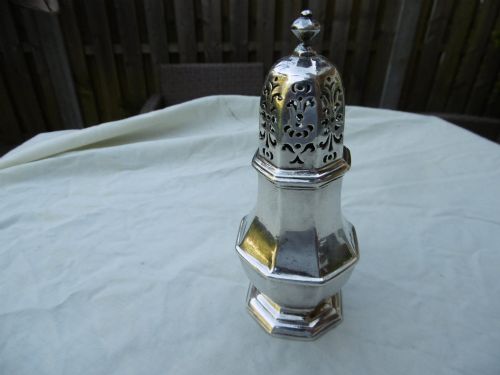
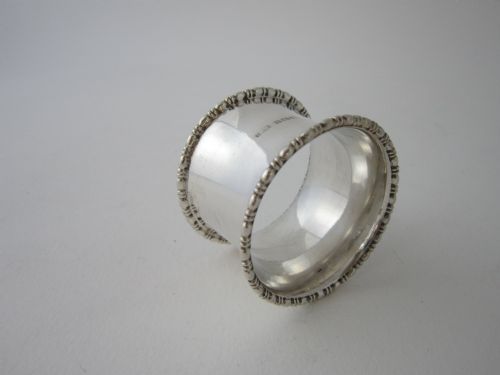
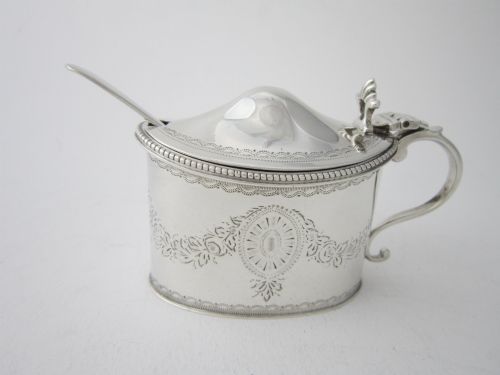
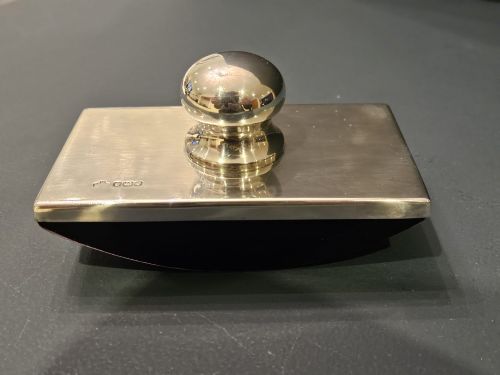
When you search for george v silverware, you encounter items produced during the reign of King George the Fifth, spanning the early decades of the twentieth century. These objects include sterling silver mustard pots, napkin rings, bread dishes, vases, and desk accessories like silver blotters. Many pieces echo earlier aesthetic movements, appearing in styles such as Art Nouveau or Celtic Revival alongside traditional forms.
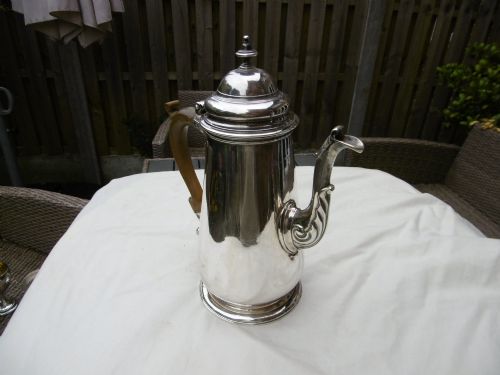
The assortment on this page reflects the domestic and formal table settings of the era, ranging from decorative epergnes to practical condiment containers. While the core period centres on the early 1900s, the broader tradition of British silver spans multiple reigns, connecting twentieth-century manufacturing with earlier Georgian craftsmanship seen in teapots, coffee pots, and flatware.
Assessing quality
Quality in these objects rests upon the crispness of the maker's chasing, the structural balance of handles and feet, and the preservation of original hallmarks. Superior examples display clean geometric or organic lines without distortion, particularly in pierced work or raised vessel bodies.
The weight of the sterling silver and the precision of assembly distinguish finer items from standard production pieces. Well-preserved surface finishes and clear, legible hallmarks indicate careful historical handling and superior initial craftsmanship.
Listings include sterling silver, wood, paper, horn, whalebone, gemstone, and silver-gilt materials across Georgian and George V styles.
Richard Gurney·James Tookey·John McDonald·The Barker Brothers·Alexander Henderson·Paul Storr·Walter Brind·William Eaton
The George V Silverware Glossary
- Sterling silver
- A standard alloy composed of silver and other metals, typically copper, to ensure durability in functional tableware.
- Hallmark
- A series of official marks stamped on precious metal items to certify their standard of purity, maker, and year of assay.
- Hollowware
- Tableware items such as teapots, sugar bowls, mustard pots, and vases that possess a hollow, three-dimensional volume.
- Epergne
- A large decorative centrepiece designed for a dining table, featuring multiple branching dishes or baskets for fruit or flowers.
- Blotter
- A desk accessory used to absorb excess ink from handwritten documents, often mounted with a sterling silver handle or backing.
George V Silverware: Frequently Asked Questions
How were mustard pots used?
Mustard pots served as container vessels for prepared mustard during formal and domestic dining meals. They typically sat on the dining table alongside salt cellars and pepper pots.
Most examples include a hinged lid and often retain a small glass liner to protect the sterling silver interior from the corrosive properties of mustard.
How do I clean silver?
Silver requires gentle cleaning with specialised silver polish and a soft cloth to remove tarnish without scratching the metal surface. Avoid harsh chemical dips that can strip away desirable patination.
Regular, careful maintenance preserves the crispness of hallmarks and engraved details while maintaining a warm, natural metallic lustre.
How can I tell the date?
The date of a piece is identified through the official hallmarks stamped directly onto the silver surface by an assay office. A specific letter punch corresponds to the year of manufacture.
Additional marks indicate the maker's stamp and the standard silver purity, allowing collectors to verify the exact period of origin.