

George V Silver Holders
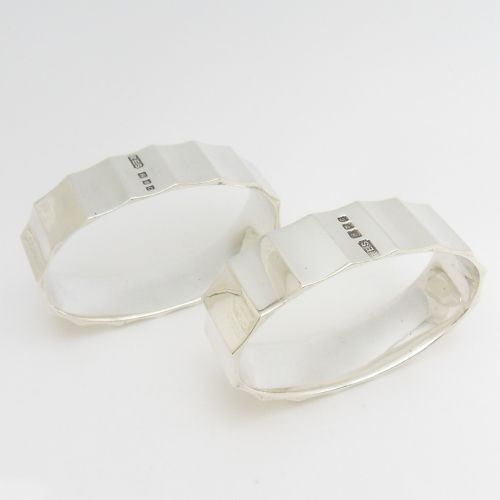
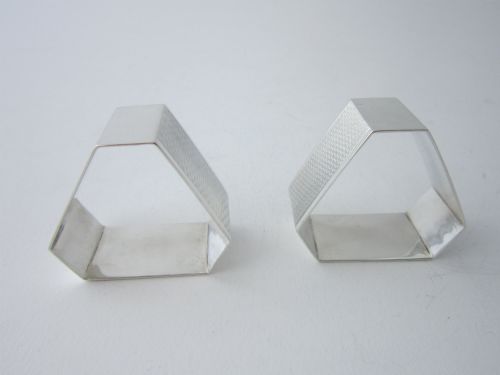
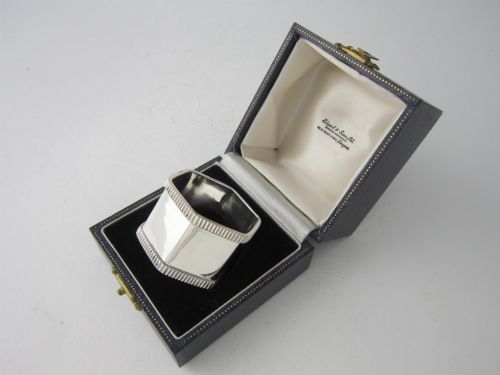
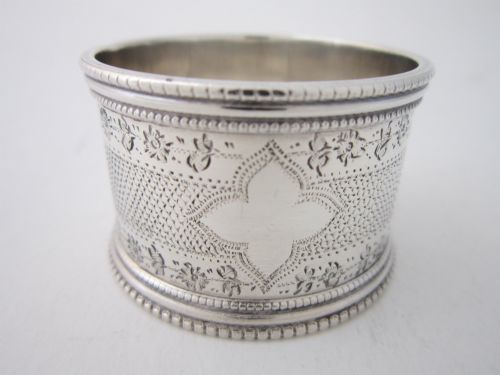
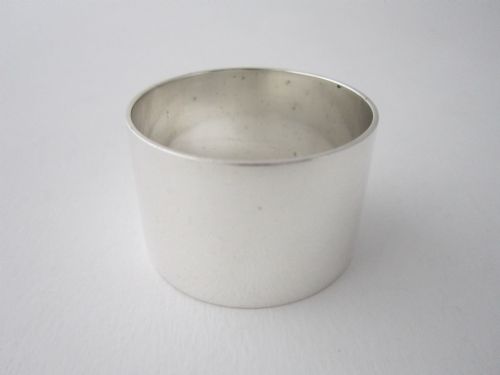
George v silver holders comprise napkin rings, place card holders, and desk accessories crafted during the early twentieth century.
George V Silver Holders
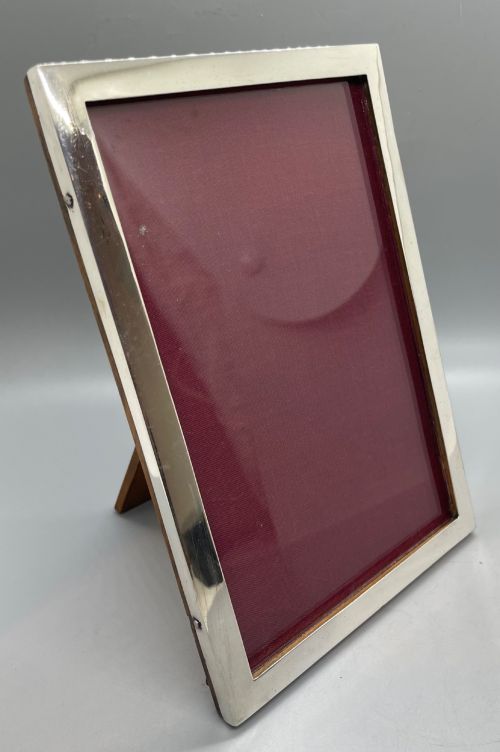
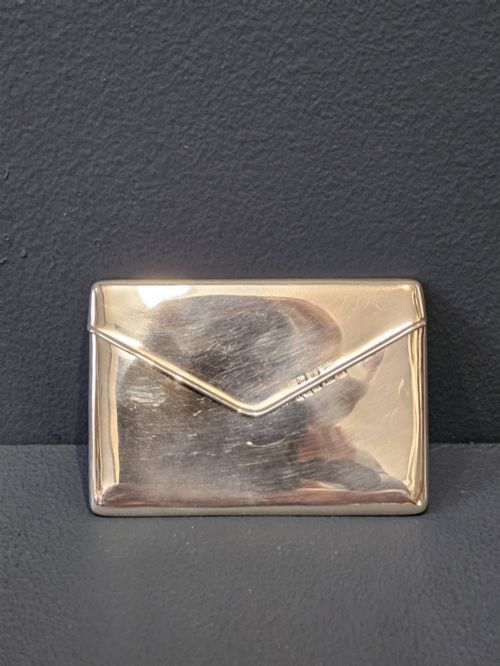
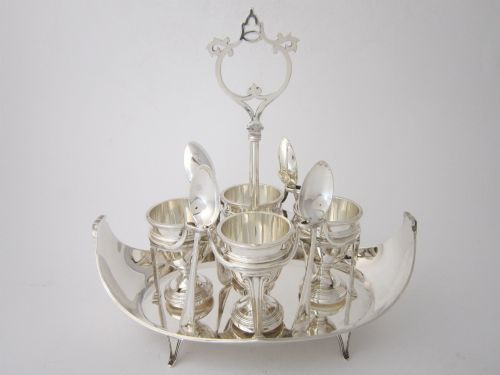
George v silver holders encompass a variety of domestic items produced primarily between 1910 and 1936, reflecting the tastes of the period. Buyers seeking george v silver holders will frequently encounter napkin rings, place card holders, menu card cases, and various desktop containers.
The selections on this page draw from multiple historical reigns alongside the core George V era, including Georgian, Edwardian, and George VI periods. Alongside standard napkin rings, listings feature more specialised items such as golf ball stands, match strikers, hat pin holders, and stamp cases.
Makers working within this timeframe utilised established forms while incorporating contemporary design movements like Art Deco. Silver items from this era served formal dining rooms, writing desks, and dressing tables with functional elegance.
How they were made
Makers shaped sterling silver and silver plate through traditional smithing techniques, casting, and pressing to achieve durable forms. Many items incorporate secondary materials such as textured glass, wood, velvet, silk, and agate to complement the metalwork.
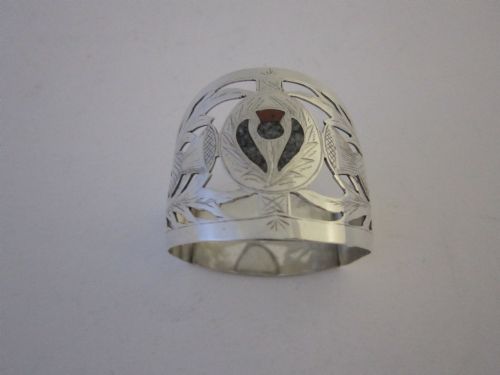
Assay offices in London, Birmingham, and Sheffield stamped pieces with hallmarks that record the year of manufacture, standard of silver, and maker's mark. Decorative details ranged from clean Art Deco geometric lines to delicate chased motifs like thistles.
George V Silver Holders Retail Price Guide 2026
Typical asking prices for george v silver holders among the pieces listed under this phrase on Sellingantiques today, from the lower quarter to the upper quarter. They describe what is for sale here now, not the wider market.
Golf enthusiasts in the era could keep their desk tidy with a dedicated silver golf ball stand.
What varies in quality
The calibre of george v silver holders depends upon the weight of the metal utilised, the crispness of the chased or engraved decoration, and the integrity of any secondary materials like glass inserts or agate panels. Substantial gauge silver provides greater durability and a more pleasing tactile weight in the hand.
The distinction between standard production items and superior pieces often lies in the maker's reputation and the complexity of the design, such as bespoke cast animal figures on place card holders or complex mechanical actions on card cases.
R.E Stone·Crisford and Norris·Robert Pringle·John Cafe·Hester Bateman·Marson and Jones
The George V Silver Holders Glossary
- Hallmark
- A series of official marks stamped on items to indicate the silver standard, assay office, date letter, and maker's mark. These symbols provide the primary evidence for dating British silver.
- Sterling silver
- An alloy consisting of 92.5 percent silver and 7.5 percent other metals, usually copper, chosen for strength while maintaining purity. Most quality dining and desk accessories from the period are made from this standard.
- Vesta case
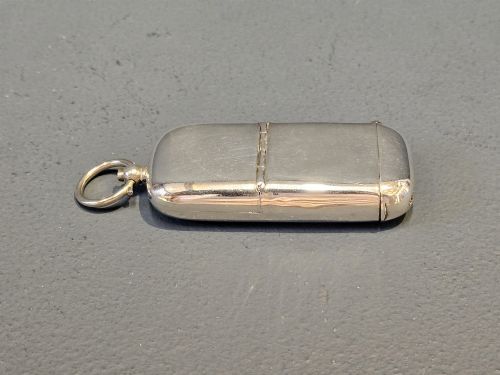
- A small pocket container designed to hold matches and keep them dry, often combined with a sovereign case or matchbook holder. These portable accessories frequently feature engraved geometric or floral patterns.
- Place card holder
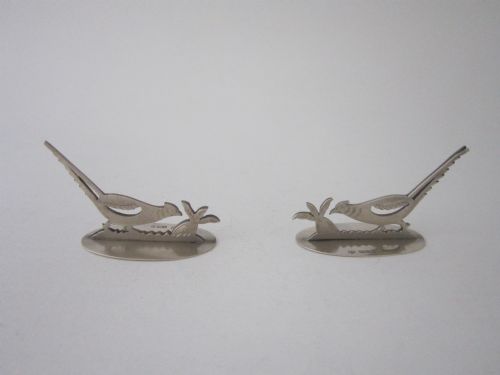
- A small weighted base with a clip or slot designed to hold a guest's name card at a formal dinner table. Examples from the evidence take forms such as foxes, pheasants, or simple architectural motifs.
- Silver gilt
- Silver that has been coated with a thin layer of gold on its surface, often used for the interior of desk sets or presentation pieces to provide a rich two-tone effect.
George V Silver Holders: Frequently Asked Questions
What is a vesta case?
A vesta case is a small, portable box designed to hold matches safely in the pocket or handbag. They typically feature a striking strip on the base and snap shut with a spring hinge.
During the George V period, these cases were often combined with sovereign holders or matchbook covers, reflecting the daily habits of the era.
How do I read silver hallmarks?
British silver hallmarks consist of a standard mark for the metal purity, an assay office mark indicating where the piece was tested, and a date letter corresponding to a specific year. Additional marks show the maker's initials.
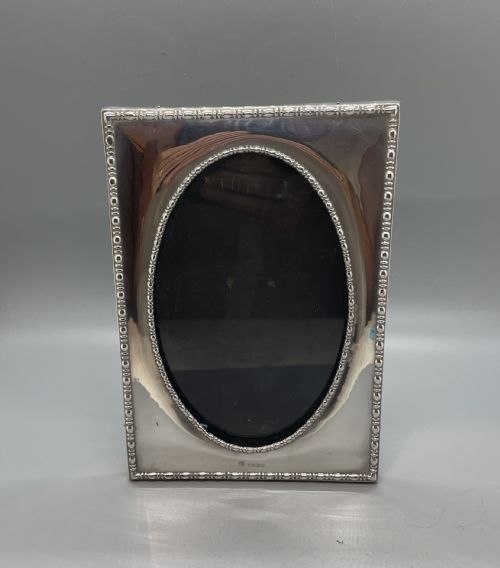
These stamps allow collectors to trace the exact origin and manufacturing year of items such as napkin rings and photo frames.
How should I clean silver holders?
Silver holders require gentle cleaning with a specialised silver cloth or a mild, non-abrasive polish to remove tarnish without damaging the surface. Harsh scrubbing can wear away thin silver plate or delicate engraved details.
Items containing secondary materials like glass, wood, or agate need careful handling to avoid moisture damage to the non-metal components.