

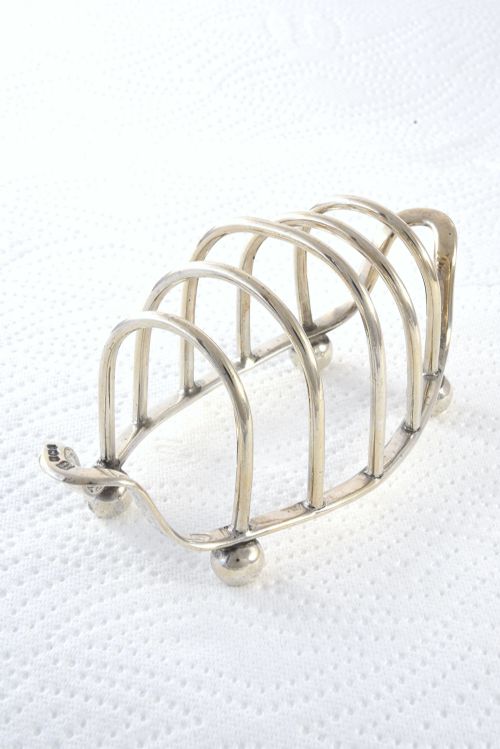


British Hallmarked Silver Holders
British hallmarked silver holders combine utility and craftsmanship, offering practical desk and table accessories shaped from sterling silver across twentieth-century periods.
British Hallmarked Silver Holders
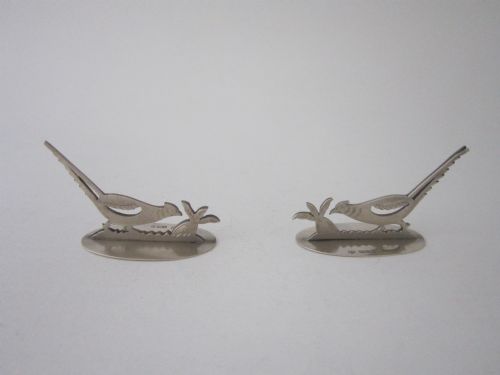
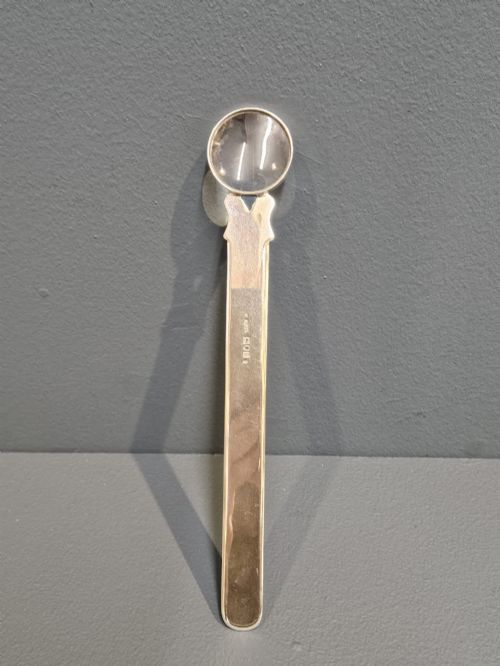
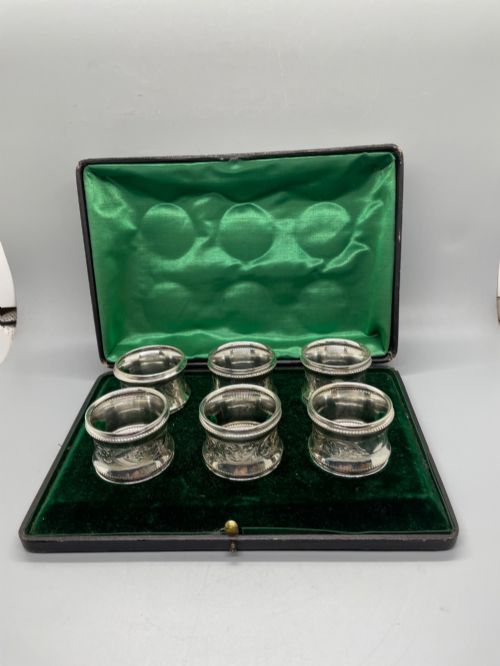
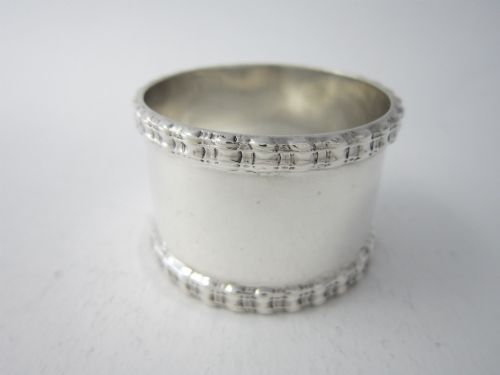
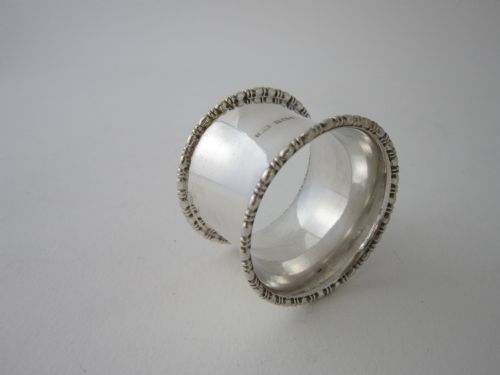
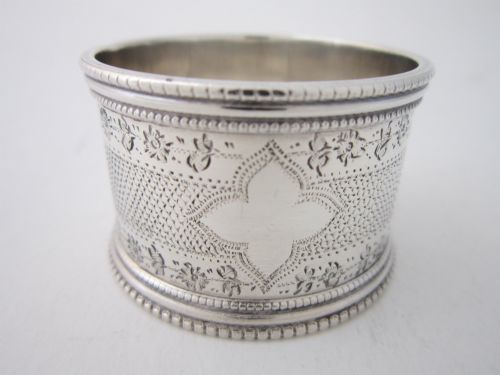
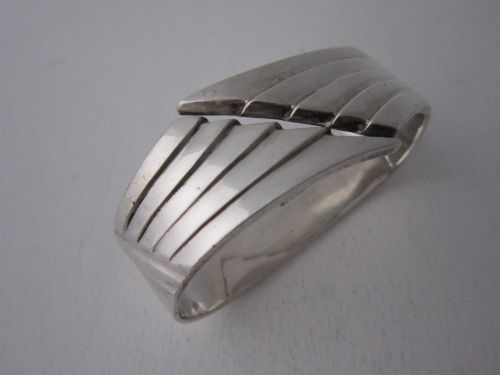
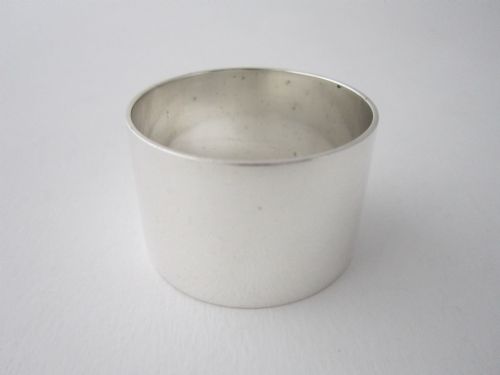
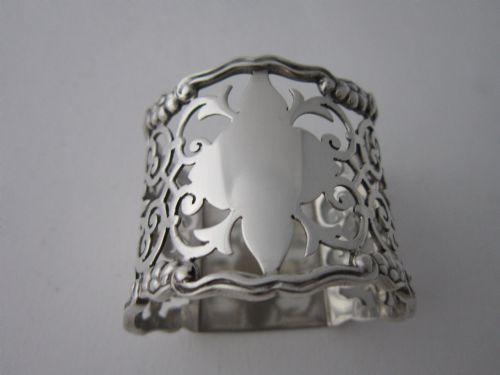
British hallmarked silver holders encompass a practical range of table and desk accessories designed to organise dining rooms and writing spaces. These pieces include napkin rings, place card holders, toast racks, menu card holders, desk accessories, and candle holders.
How they were made
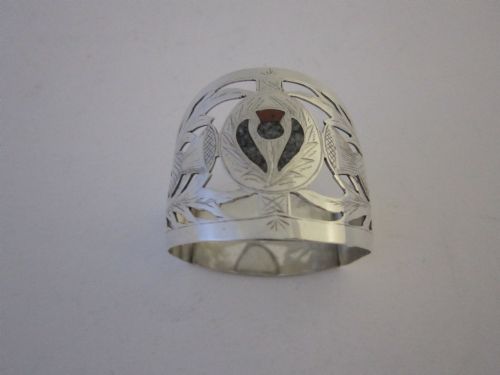
Makers constructed these items primarily from sterling silver, shaping the metal through forming, stamping, and smithing techniques. Artisans integrated contrasting materials such as glass, silk, velvet, and agate into specific designs to enhance texture and utility.
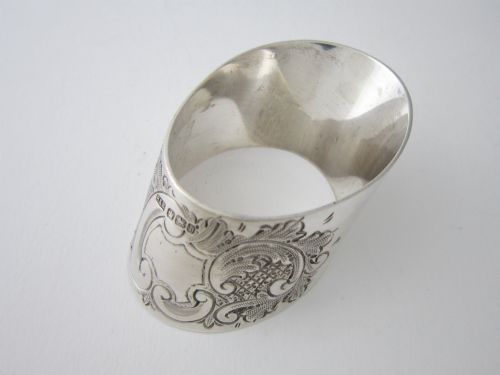
Silversmiths applied structural reinforcements and weighted bases where necessary, particularly for candlesticks, chambersticks, and vases. Every piece received official assay office hallmarks to certify the sterling silver standard.
British Hallmarked Silver Holders Retail Price Guide 2026
Typical asking prices for british hallmarked silver holders among the pieces listed under this phrase on Sellingantiques today, from the lower quarter to the upper quarter. They describe what is for sale here now, not the wider market.
Early twentieth-century dining required dedicated silver stands just to hold the toast upright.
What varies in quality
The thickness of the sterling silver gauge dictates the physical weight and structural durability of napkin rings and small holders. Heavier examples resist denting and retain crisp detail through decades of handling.
Refinement of decorative motifs and the integration of natural materials like agate distinguish standard production items from superior workshop output. Crisp, legible hallmarks and balanced proportions indicate careful manufacture.
GEOFFREY BELLAM·R. E. Stone
The British Hallmarked Silver Holders Glossary
- Hallmark
- Official stamps applied by an assay office to guarantee the purity of precious metals. These marks typically include the maker's mark, standard mark, assay office mark, and date letter.
- Sterling silver
- An alloy comprising a high proportion of pure silver combined with other metals to increase durability. British items meeting this standard carry the lion passant hallmark.
- Chamberstick
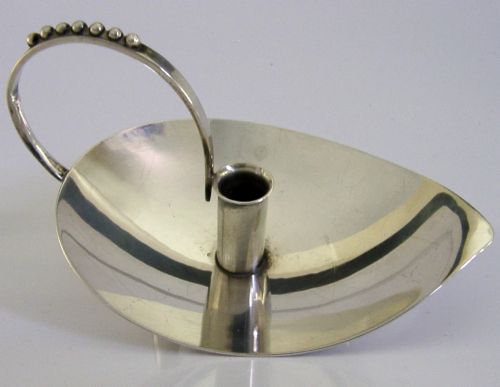
- A low portable candle holder featuring a pan base and a handle for carrying around a room. These domestic items often incorporate a socket and a removable nozzle.
- Toast rack
- A small tabletop framework designed to hold slices of toast upright to prevent condensation from softening the bread. These pieces utilise arched silver divisions mounted on a base.
- Place card holder
- A miniature stand intended to display a guest's name card at a formal dining table. These items coordinate with napkin rings and tableware in matching styles.
British Hallmarked Silver Holders: Frequently Asked Questions
What are silver holders used for?
British hallmarked silver holders serve various domestic functions around the dining table and desk. They secure napkins, display place cards, hold menus, and support candles or toast.
These accessories originated to organise formal meals and writing spaces. Today they function both as decorative tabletop items and usable vintage tableware.
How do I date silver holders?
Dating relies primarily on the official hallmarks stamped into the sterling silver surface. Assay office marks and date letters identify the specific year and location of testing.
Stylistic indicators such as Edwardian neoclassical details or Mid-Century Modern forms also help narrow down the period of manufacture.
Are silver napkin rings heavy?
Weight varies considerably depending on the specific workshop and the era of production. Standard examples range from lightweight stamped bands to substantial heavy castings.
Heavier specimens resist daily wear and maintain their structural integrity over time. Descriptions often specify heavy weights for buyers seeking robust items.
How do I clean silver holders?
Cleaning requires a soft cloth and a gentle silver polish formulated to remove tarnish without abrading the metal. Avoid harsh chemical dips that can damage integrated materials like velvet, silk, or agate.
Regular, careful wiping preserves the hallmarks and maintains the natural lustre of the sterling silver surface.