

Antique Menu Card Stand
An antique menu card stand keeps table settings orderly, offering a charming touch of formal dining history for collectors of tabletop silver.
Antique Menu Card Stand
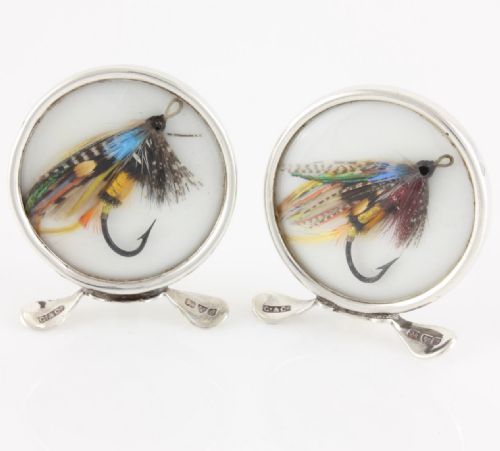
An antique menu card stand serves as a decorative accessory for dining tables, designed to display meal choices or place settings clearly to guests. You will frequently encounter these pieces rendered in silver or silver plate, taking the form of single holders or matched sets.
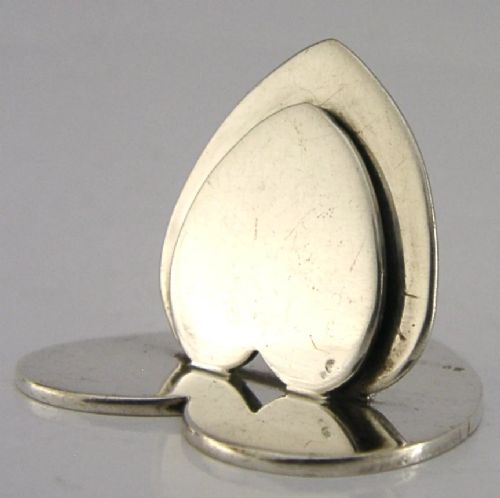
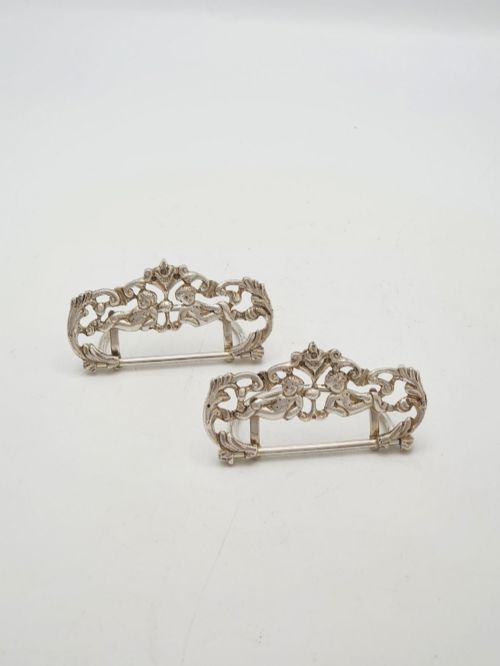
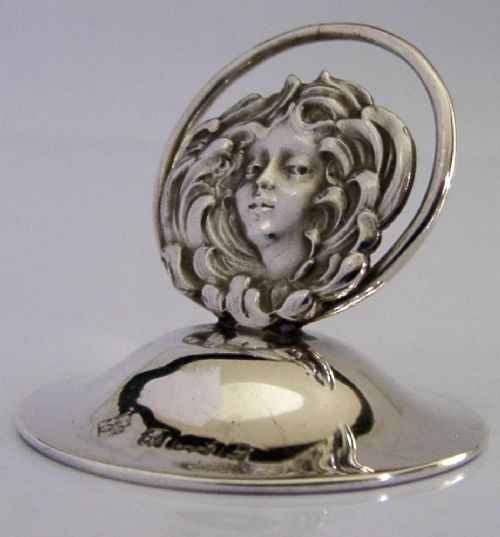
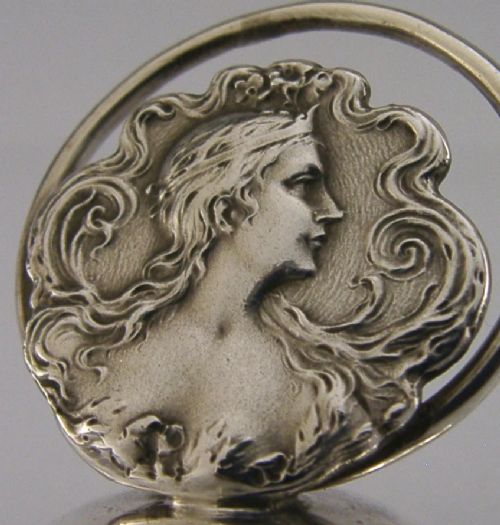
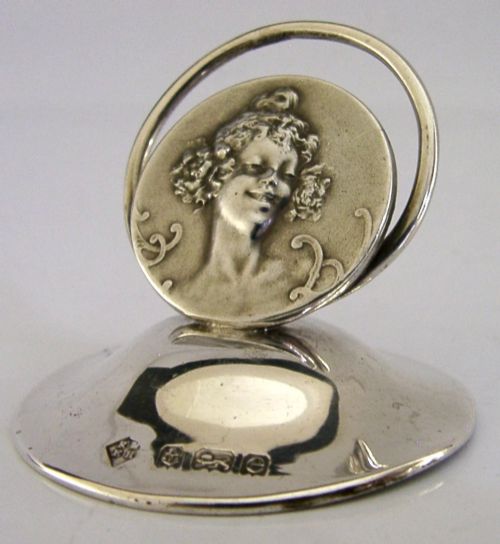
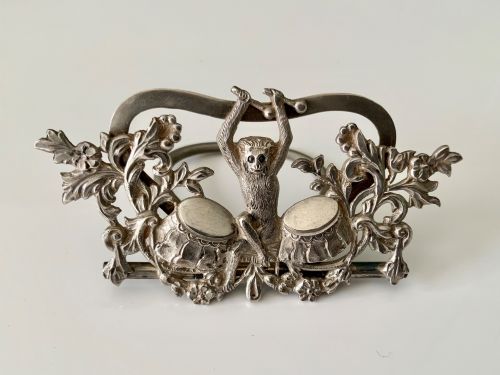
The selection on this page spans the Victorian, Edwardian, and Art Deco periods, alongside later twentieth-century examples. Makers produced these items in diverse styles, ranging from plain functional clips to elaborate figural designs influenced by Art Nouveau and British military themes.
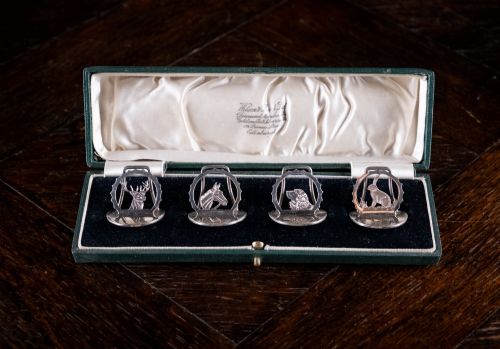
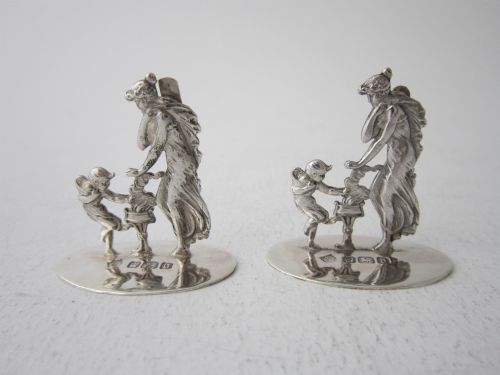
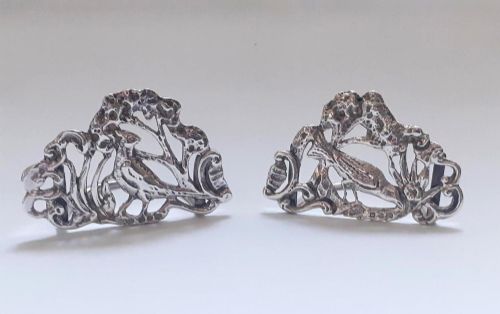
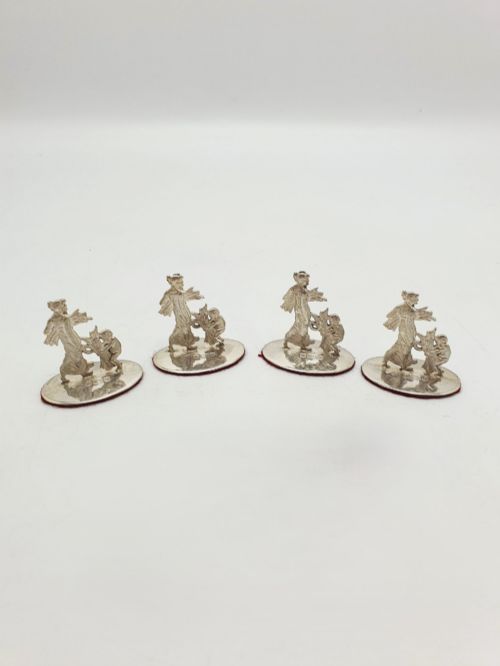
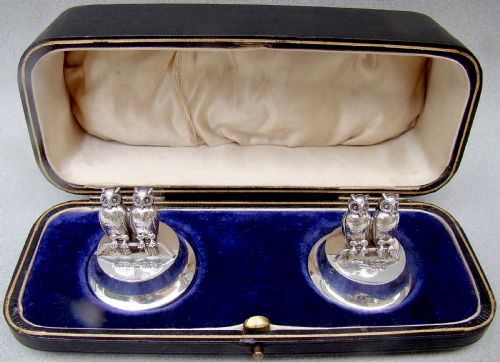
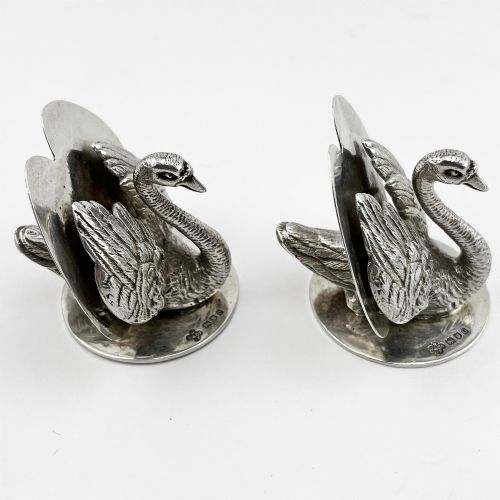
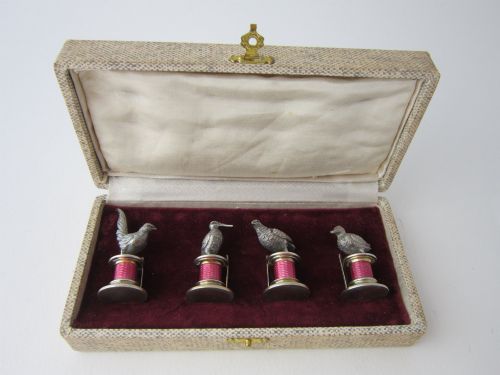
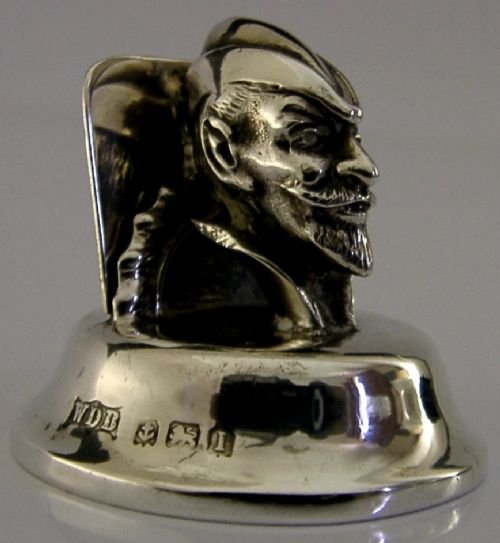
Figural examples often depict animals, birds, or literary characters, making them highly collectible tabletop accessories. They appear singly, in pairs, or in larger sets intended for grand banquets.
Materials and Technique
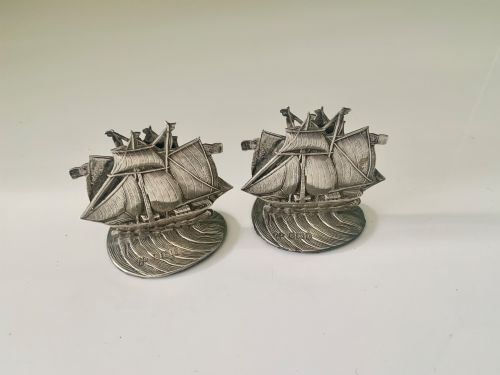
Silversmiths utilised sterling silver and silver plate as the primary structural materials, shaping them through casting, stamping, and hand-chasing. These techniques allowed artisans to achieve crisp details on figural subjects like owls, foxes, and galleons.
Many pieces incorporate supplementary elements such as vitreous enamel for added colour, alongside velvet, silk, and leather lining within presentation cases. Glass and wooden weighted bases occasionally provide stability to taller upright card clips.
Antique Menu Card Stand Retail Price Guide 2026
Typical asking prices for menu card stand among the pieces listed under this phrase on Sellingantiques today, from the lower quarter to the upper quarter. They describe what is for sale here now, not the wider market.
Listings feature sterling silver and silver plate, incorporating enamel, glass, and leather elements.
Craftsmanship and Distinction
The presence of specialised enamel work, original fitted presentation boxes, or complete matched sets elevates a piece above standard single holders. Maker attribution to known workshops also distinguishes finer table accessories from unmarked commercial production.
Levi & Salaman·A. Wilcox·Grey & Co.·Sampson Mordan·Asprey·Liberty
The Antique Menu Card Stand Glossary
- Sterling silver
- A silver alloy containing 92.5 percent pure silver by mass, standard for quality British tableware. Items bear hallmarks indicating the assay office and year of production.
- Silver plate
- A base metal coated with a thin layer of silver, utilised for durable tableware accessories. Plated items offer the appearance of solid silver at a different production tier.
- Enamel
- A glassy substance fused to metal through firing, providing coloured decoration on decorative table items. Enamelled highlights appear on specific military and figural motifs.
- Assay office
- A body charged with testing the purity of precious metals and stamping items with official hallmarks. Offices include Birmingham, Chester, and London.
- Figural
- Designed in the likeness of a human, animal, or object rather than abstract geometric shapes. These dimensional designs dominate Edwardian table accessories.
Antique Menu Card Stand: Frequently Asked Questions
How were menu card stands used?
These stands sat upon dining tables to display the courses of a meal or indicate assigned seating for guests. Hosts utilised them during formal dinners to keep table arrangements informative and visually balanced.
Servants placed printed cards into the integrated clips or slots before guests entered the dining room. Sets allowed large dinner parties to maintain a uniform aesthetic across multiple tables.
What materials make up these stands?
Sterling silver and silver plate form the majority of surviving examples, shaped through casting and stamping techniques. Enamel work frequently adds vibrant colour to flag motifs and decorative borders.
Internal weighted bases often utilise other materials to ensure stability when holding heavy card stock. Presentation cases lined with velvet or silk accompany preserved sets.
How do I date an antique stand?
British silver pieces bear clear hallmarks stamped directly onto the metal, indicating the assay office, standard, and date letter. Consulting reference guides links these specific letters to exact years of manufacture.
Stylistic indicators also reveal the period, such as flowing organic lines on Art Nouveau examples or geometric motifs from the Art Deco era. Makers marks further narrow down the active years of production.
How do I clean silver table accessories?
Gentle washing with warm soapy water removes dust and oils from handling without harming the metal surface. Soft cloths help preserve the natural polish accumulated over decades of use.
Harsh abrasive dips should be avoided, particularly on pieces featuring delicate enamel work or velvet linings. Proper storage in dry environments prevents tarnishing between displays.