




George V Silver Candlesticks
George V silver candlesticks bring together solid sterling metal and revival aesthetics from the early twentieth century for formal lighting.
George V Silver Candlesticks
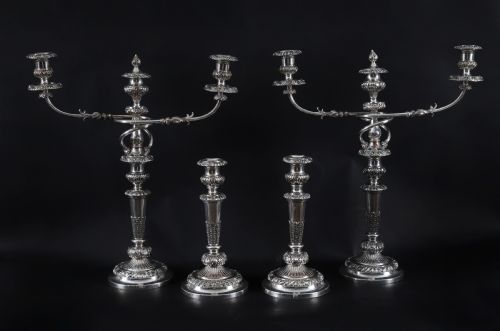
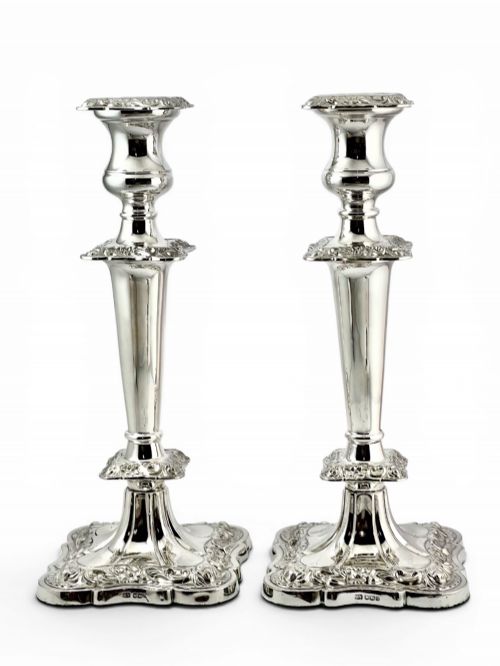
George V silver candlesticks comprise pairs and matched sets produced during the reign of King George V, alongside pieces carrying earlier Georgian stylistic influences.
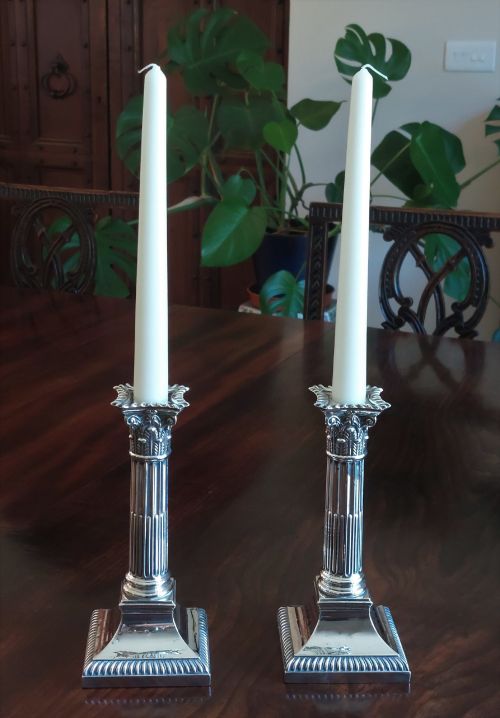
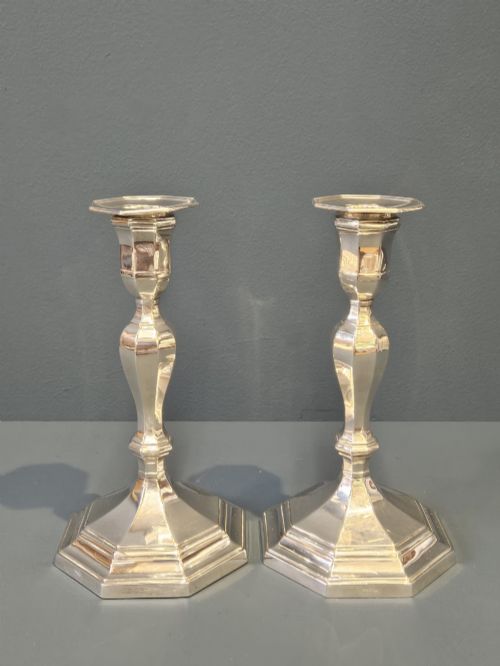
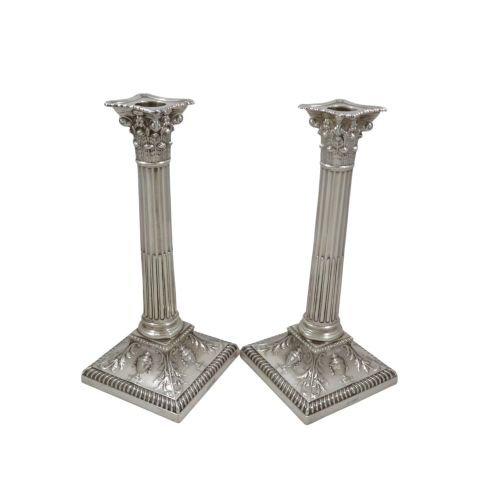
The selections on this page span solid sterling silver and silver plate, frequently appearing as low candlesticks, tall pillar forms, or column designs.
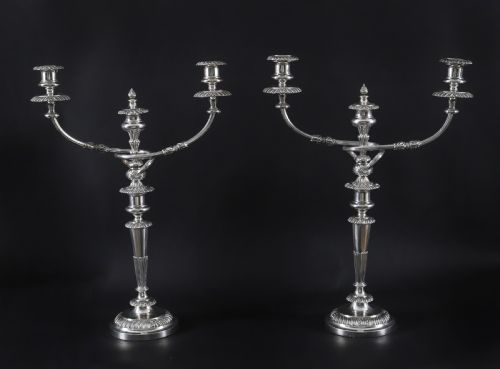
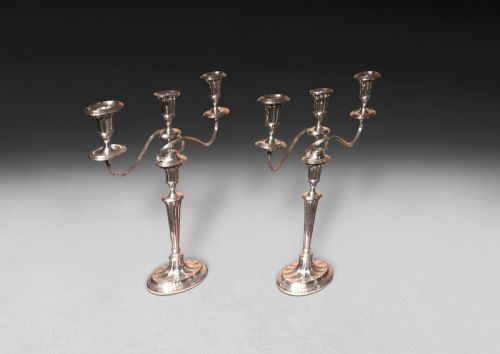
Many examples incorporate decorative details such as enamel accents or wooden components, while related forms like candelabra and desk sets also emerge in the records.
Materials and Techniques
Silversmiths utilised sterling silver and Britannia standard metal, alongside copper bases used in old Sheffield plate and silver-plated items.
Manufacturing methods recorded in the evidence involve casting and seaming techniques to shape the metal components of each candlestick.
Makers integrated subsidiary materials including wood, enamel, and silver gilt to finish specific items within the selection.
Listings feature items from the eighteenth century through to the reign of George V, spanning sterling silver, silver plate, and copper.
Judging Quality
Quality rests upon the weight of the silver used in casting and the crispness of detail remaining in revival styles such as neoclassical or Corinthian column designs.
Maker attribution to notable firms or recorded silversmiths elevates a piece above unmarked commercial production.
The integrity of the hallmarks and the preservation of original proportions distinguish superior items from later adaptations.
Garrard & Co·Matthew Boulton·John Cafe·Marson & Jones·Walker & Hall·Thomas Bradbury & Sons·Mappin & Webb·Ellis Jacob Greenburg
The George V Silver Candlesticks Glossary
- Sterling Silver
- An alloy consisting of 92.5 percent silver by mass, forming the primary material for most twentieth-century tableware. This standard has been regulated by assay offices in Britain for centuries.
- Old Sheffield Plate
- A composite material made by fusing a layer of silver to a thicker copper base, common in eighteenth- and nineteenth-century production. It differs from later electroplating by showing subtle traces of copper where wear occurs.
- Hallmark
- An official stamp applied by an assay office to indicate the metal purity, origin city, and year of manufacture. These marks provide definitive evidence for dating and attributing antique silver.
- Candelabra
- A branched lighting fixture holding multiple candles, often matching the design vocabulary of single candlesticks from the same period. They frequently incorporate removable branches to function as standard candlesticks.
- Silver Gilt
- Sterling silver that has been coated with a thin layer of gold on its surface, also known as vermeil. This technique protects the underlying silver from tarnishing while offering a rich two-tone appearance.
George V Silver Candlesticks: Frequently Asked Questions
How do I clean old silver candlesticks?
Clean sterling silver using a soft cloth and a specialised silver polish designed to remove tarnish without abrading the metal surface.
Avoid harsh chemical dips that strip away desirable patination and damage any applied enamel or wooden components.
What is the difference between silver and silver plate?
Solid silver items consist of the same precious metal throughout their entire structure, whereas silver-plated pieces feature a thin layer of silver applied over a base metal like copper.
Weight and hallmark stamps generally serve to distinguish solid sterling from plated alternatives.
Can I use modern candles in antique candlesticks?
Standard modern taper candles often fit older sockets, though slight variations in nozzle diameters may require minor trimming of the candle base.
Using fitted drippers or ensuring the candle sits upright prevents wax from spilling onto the silver surface.