



George III Pill Box
A george iii pill box carries small medicines and cosmetics in precious metals and stones, offering pocket-sized craftsmanship from the Georgian era.
George III Pill Box
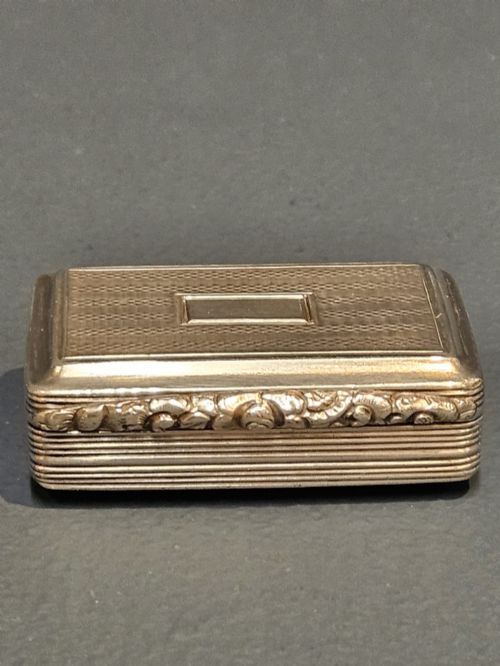
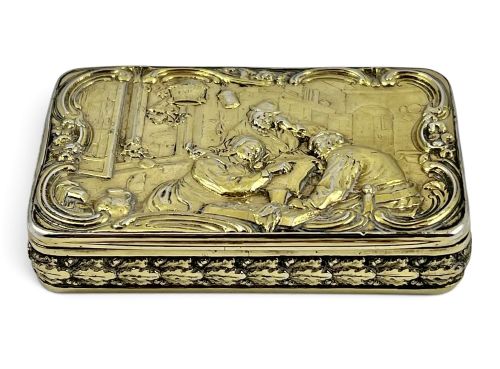
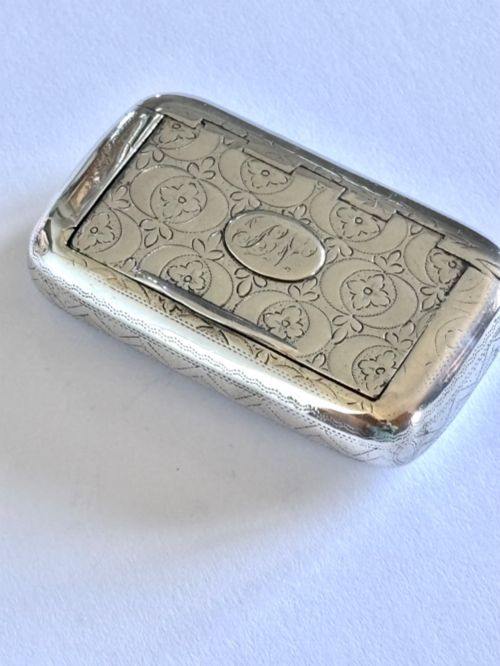
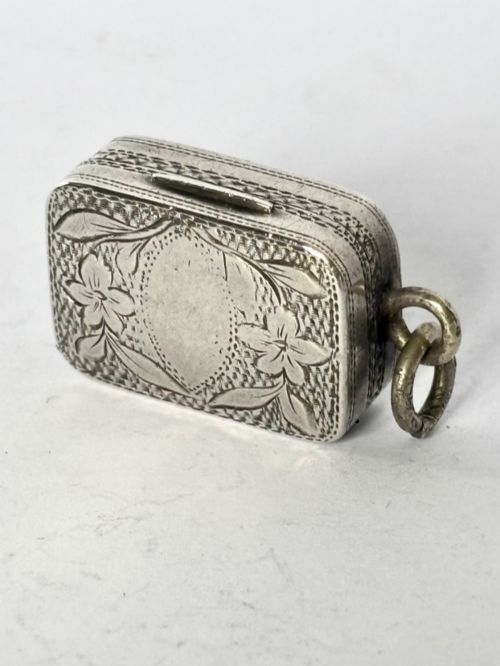
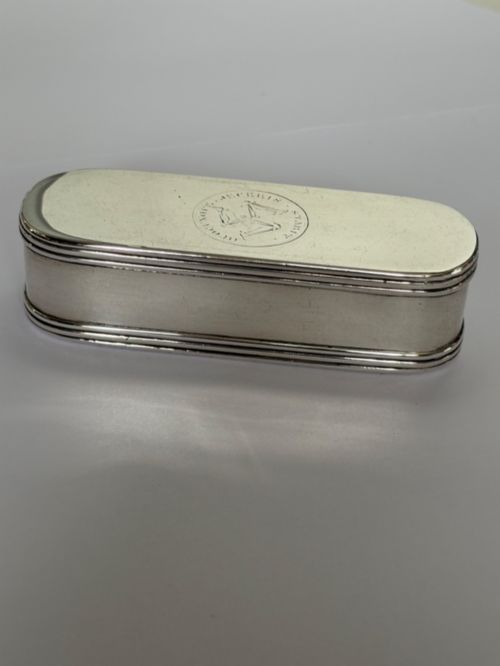
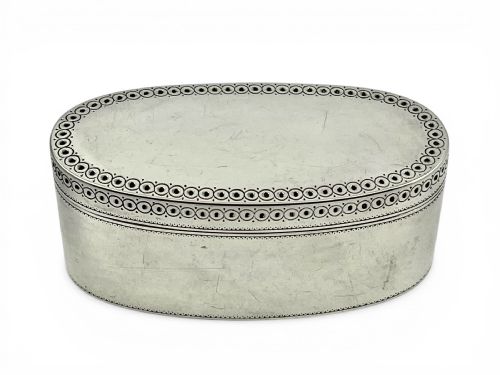
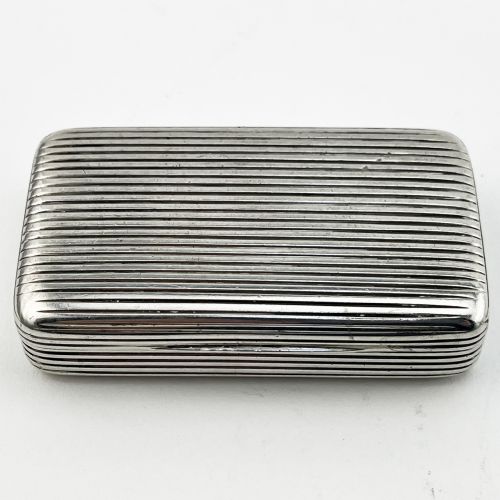
A george iii pill box is a small receptacle designed during the Georgian period to hold medicines, lozenges or cosmetic patches. These pieces span simple sterling silver containers to elaborate gold and agate items.
The versions most frequently met on this page include sterling silver patch boxes and combined snuff and pill containers originating from Birmingham and London makers. Scottish examples surface alongside English pieces.
Makers shaped these objects into ovals, rectangles and natural forms like cowrie shells. Collectors encounter these utilitarian items grouped alongside snuff boxes and vinaigrettes.
Determinants of quality
Quality rests upon the crispness of the chasing, engraving and hallmarks stamped into the precious metal. Maker marks from prominent silversmiths elevate the standing of a piece.
The integration of unusual materials, such as vari-coloured gold or polished agate, separates standard containers from presentation-grade examples. Precision in the closure of the hinge dictates the standard of execution.
George III Pill Box Retail Price Guide 2026
Typical asking prices for george iii pill box among the pieces listed under this phrase on Sellingantiques today, from the lower quarter to the upper quarter. They describe what is for sale here now, not the wider market.
Object forms span patch pill boxes, vinaigrettes, book snuff boxes, and combination containers.
Samuel Pemberton·Thomas Johnson·Cornelius Bland·Giles Loyer·Alexander James Strachan·Matthew Linwood·Joseph Taylor·Samuel Meriton II
The George III Pill Box Glossary
- Vinaigrette
- A small container with a perforated inner grille that held a sponge soaked in aromatic vinegar. These items functioned to mask unpleasant odours during the period.
- Silver-gilt
- Silver that has been coated with a thin layer of gold on the surface. This technique provided the appearance of solid gold while utilising a silver base.
- Cowrie shell
- A glossy marine shell utilised by period silversmiths as the body for mounted pill and snuff boxes. Silver rims secured the natural shell material.
- Hallmark
- An official stamp applied to precious metals indicating the standard of purity, assay office, and year of manufacture. These marks allow precise dating of Georgian items.
George III Pill Box: Frequently Asked Questions
How do I identify a period piece?
Authentic items display clear hallmarks stamped into the metal, denoting the assay office, metal standard and date letter for the Georgian era. Maker marks provide additional verification of the workshop origin.
Construction methods, such as hand-cut hinges and chased decoration rather than cast replication, confirm the period of manufacture. Weight and material consistency align with late eighteenth and early nineteenth-century standards.
How should I clean silver boxes?
Precious metal surfaces require minimal intervention to preserve the original finish and historical patination built up over centuries. Soft dusting cloths remove surface debris safely.
Harsh chemical dips and abrasive polishes strip away delicate gilt layers and wear down crisp hallmarks. Professional guidance should be sought before attempting deep restoration on gold or silver.
Why are some boxes gilt?
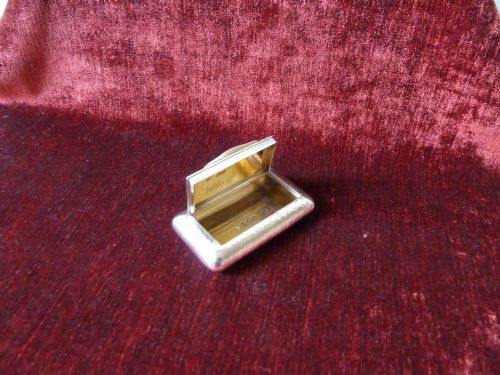
Gilding applied a layer of gold over sterling silver to prevent the corrosive effects of acidic contents like vinegar in vinaigrettes or medicinal compounds. This technique also enhanced the visual richness of the interior.
Silver-gilt interiors retained their brightness longer than plain silver exposed to reactive substances. The practice was standard for high-status personal containers of the period.