
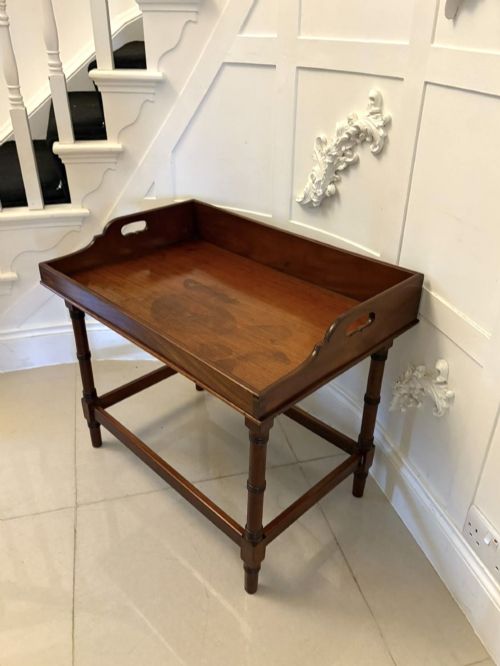
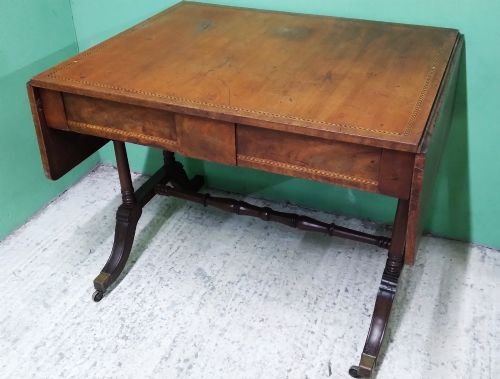
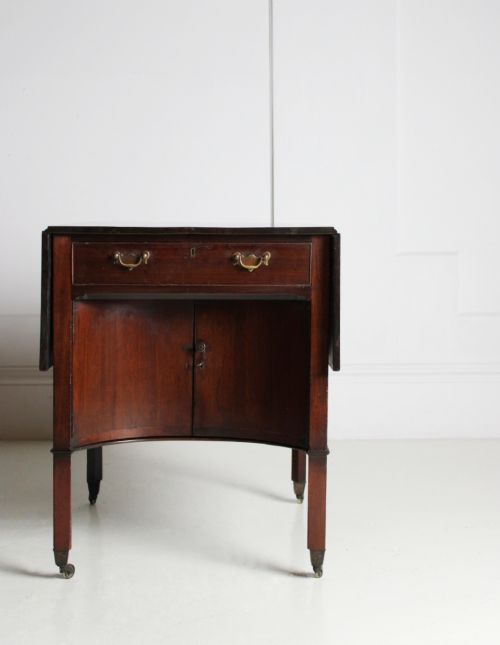
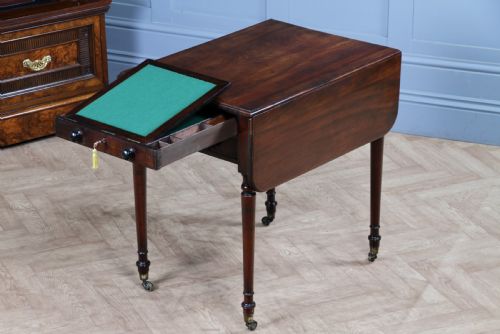
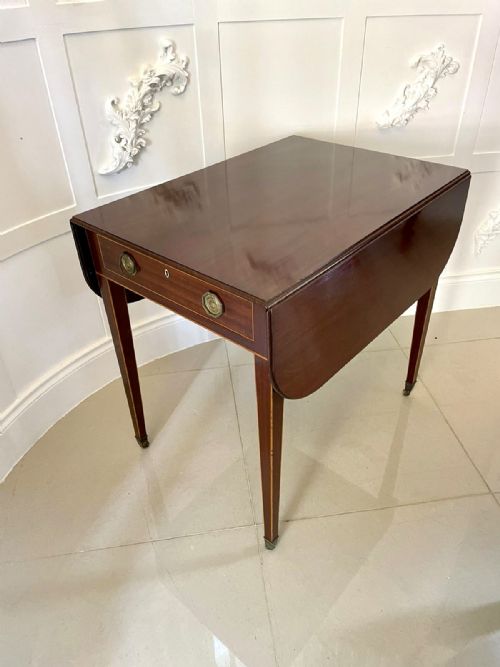


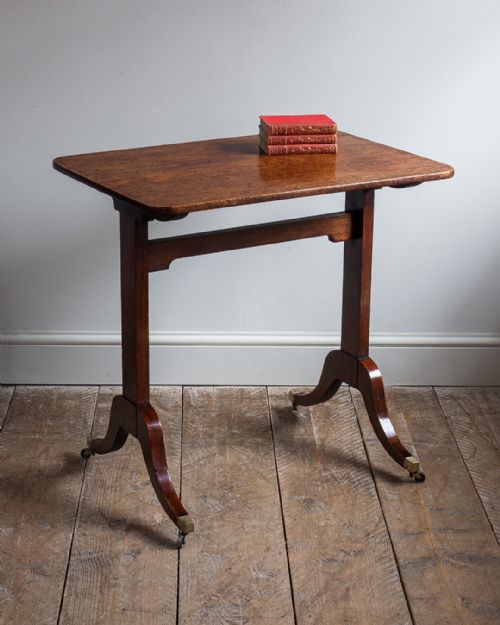


George III Mahogany Sofa
When you search for a george iii mahogany sofa, you meet substantial seating and tables crafted in the Georgian period and later revivals.
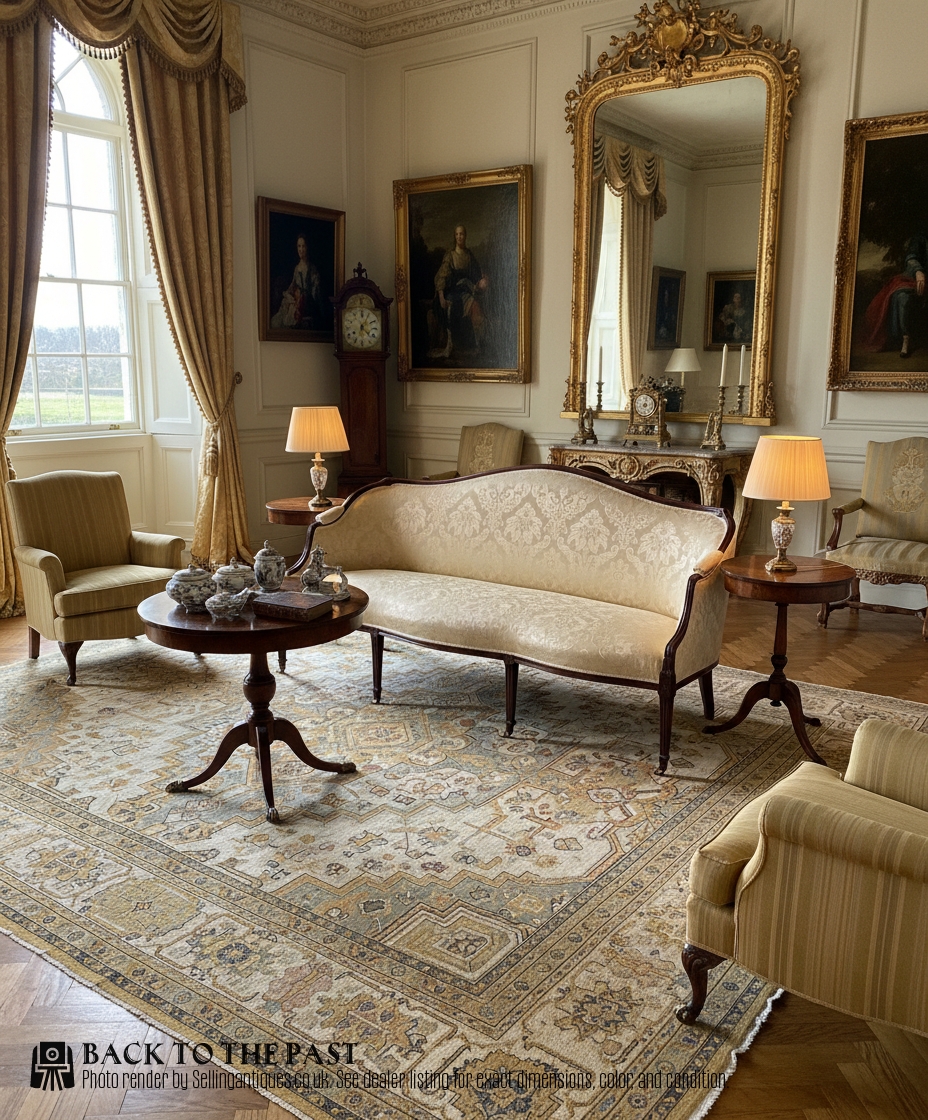
George III Mahogany Sofa
A george iii mahogany sofa typically encompasses large upholstered settees, camel back forms, and occasional tables designated as sofa tables. The items span the eighteenth and nineteenth centuries, featuring Georgian originals alongside later revivals.
The category brings together serpentine front seating and free-standing centre tables designed for domestic interiors. Pieces range from straightforward two-seater settees to elaborate designs involving satinwood banding and inlaid details.
Materials and construction
Makers utilised solid mahogany, frequently enhanced with satinwood, tulipwood, and wood inlay to create contrasting borders on table tops and frames. Brass castors, fabric upholstery, and damask appear across the seating and tables.
Joinery methods rely on stable timber frameworks, allowing for drop leaves on pembroke and sofa tables alongside carved cabriole or straight legs on upholstered settees.
Some tables double as chess boards, proving that eighteenth-century evenings involved serious strategy.
Distinguishing quality
Excellence rests in the selection of figured mahogany timbers and the precision of the wood inlay or banding. Superior examples display balanced proportions, clean carving on chair-backs and legs, and integrated secondary woods.
Lesser items exhibit simpler construction without decorative veneers, or represent later revivals from the nineteenth and twentieth centuries rather than period originals.
Gillows
The George III Mahogany Sofa Glossary
- Mahogany
- A durable tropical hardwood known for deep reddish-brown tones. It forms the primary structural material for these tables and sofa frames.
- Sofa table
- A free-standing table with drop leaves on either side, originally manufactured to stand in front of a sofa. They typically include drawers.
- Camel back
- An upholstered sofa style featuring a graceful, convex curving top rail that resembles a camel's hump. This profile defines many eighteenth-century pieces.
- Inlay
- A decorative technique where contrasting woods like satinwood are inserted into recesses in the mahogany surface. It creates geometric or floral patterns.
- Pembroke table
- A small occasional table with hinged flaps on two opposite sides. These pieces often contain fitted drawers for writing or needlework.
George III Mahogany Sofa: Frequently Asked Questions
What is a george iii mahogany sofa table?
A sofa table is a rectangular centre table featuring drop leaves on the short sides and usually two drawers. They were designed during the Georgian period to sit behind a sofa.
Unlike standard side tables, these pieces are finished on all sides so they can stand freely in the middle of a room.
How do I recognise a camel back sofa?
A camel back sofa has a continuous, arched wooden frame along the top rail that sweeps upward in a smooth curve. Upholstery covers the entire back and arms.
These pieces often feature upholstered wings or scroll arms supported by exposed mahogany legs.
What wood inlay appears on these pieces?
Makers applied contrasting lighter timbers, such as satinwood and tulipwood, into the dark mahogany surface. This created decorative borders, lines, and panels.
Such work highlights the edges of table tops, drawer fronts, and frame rails.
Are all these items from the eighteenth century?
While many pieces date from the Georgian period and the eighteenth century, the selection includes nineteenth-century items, Edwardian examples, and later revivals.
Craftsmen in subsequent eras reproduced these classical proportions and furniture forms using similar mahogany materials.