
George III Mahogany Drawers
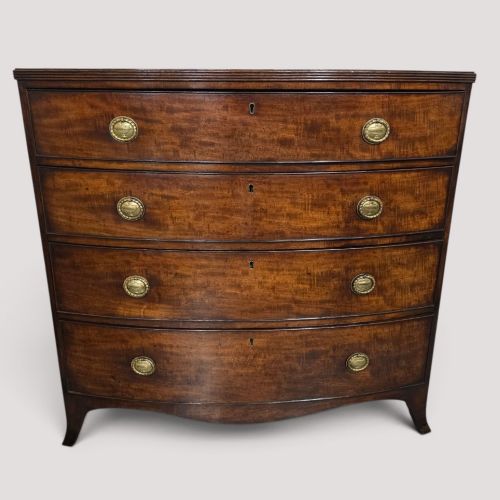
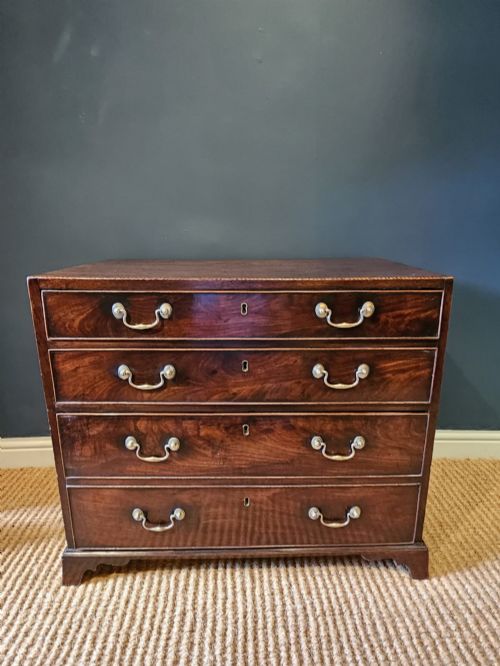
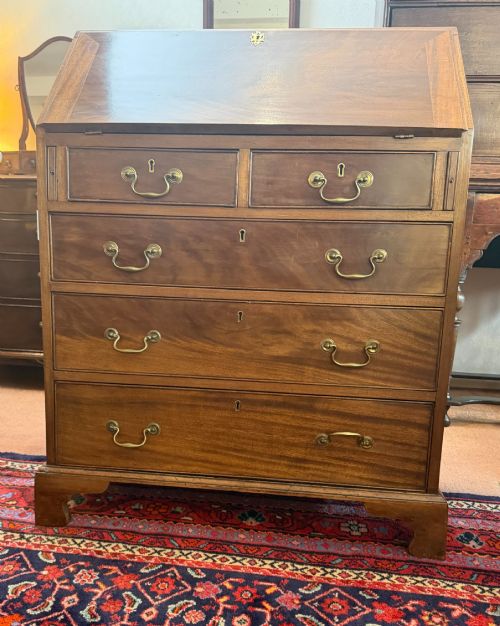
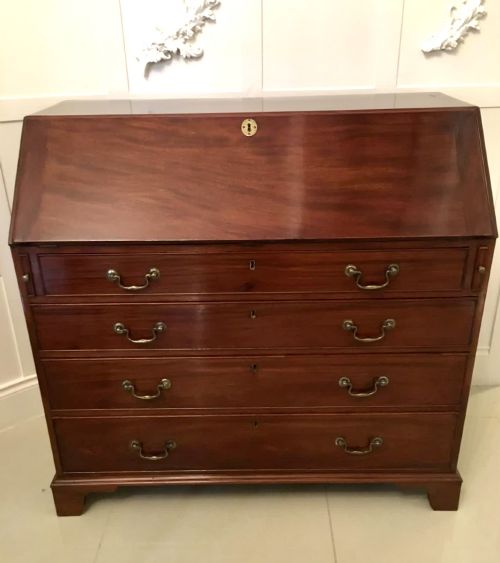
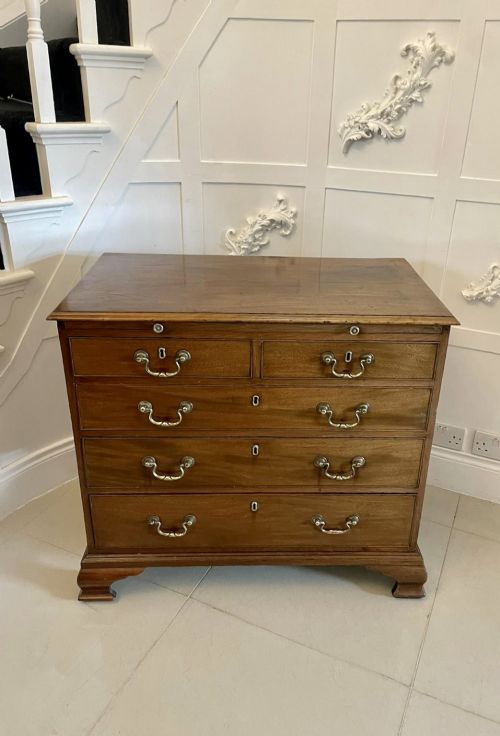
Solidly constructed george iii mahogany drawers bring architectural presence and rich grain figure into a room.
George III Mahogany Drawers
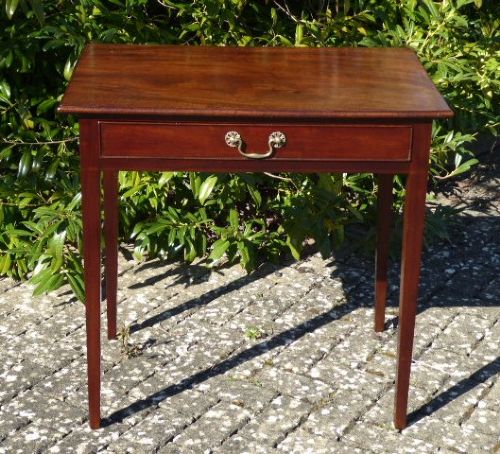
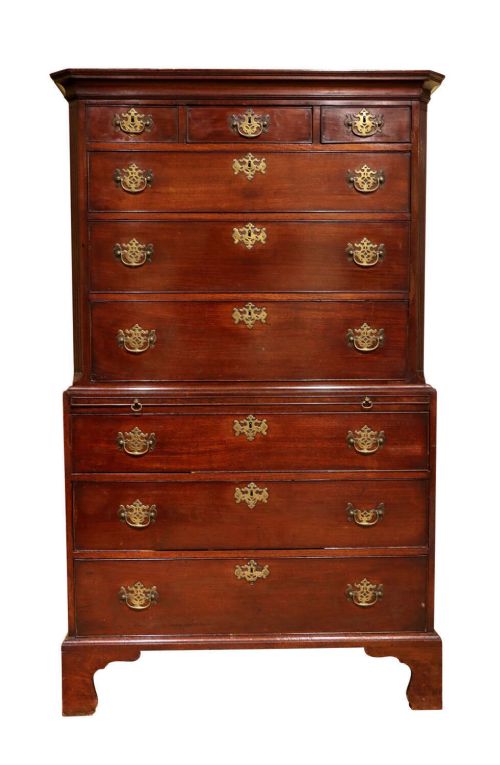
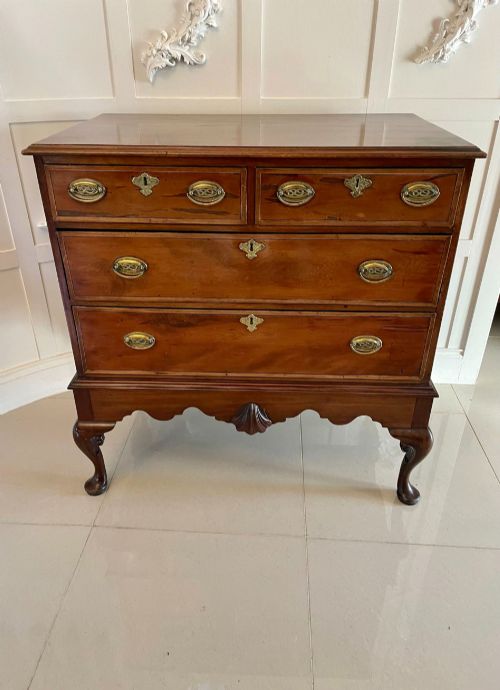
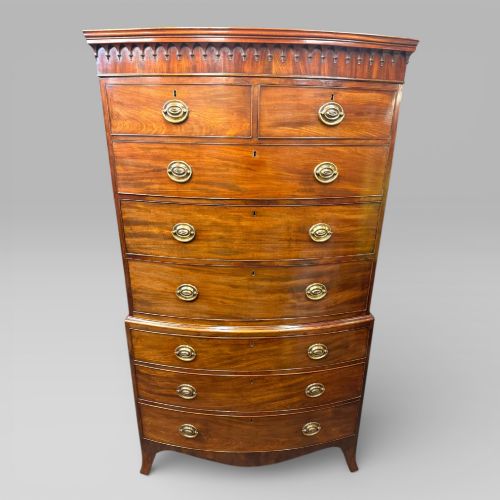
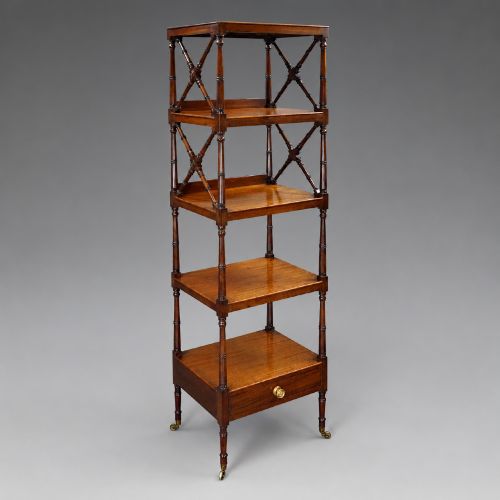
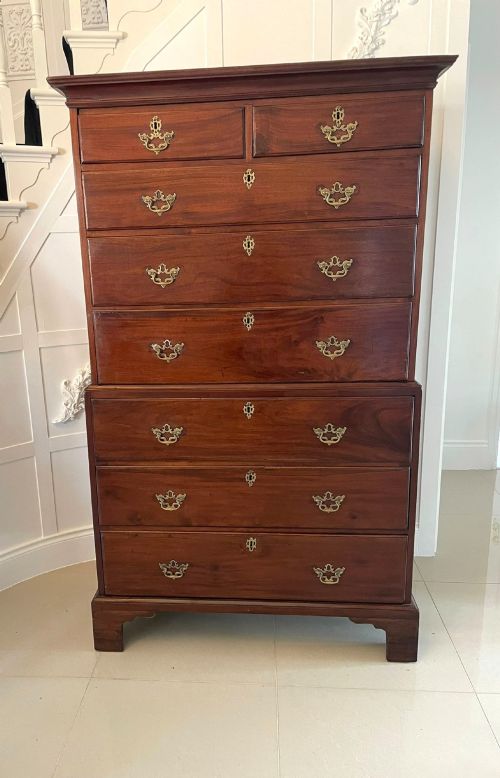
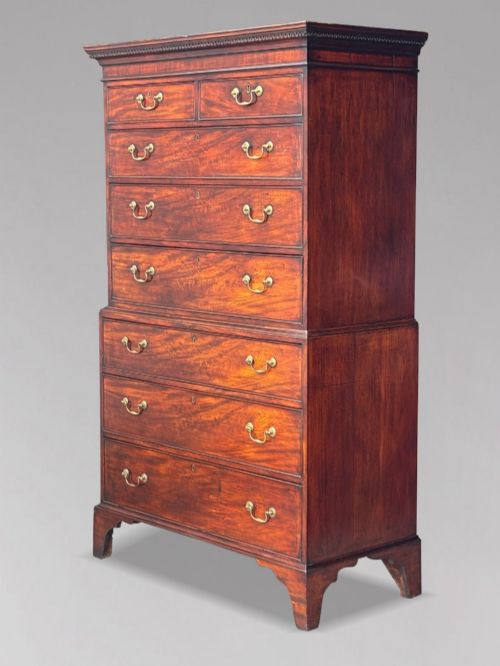
When searching for george iii mahogany drawers, buyers encounter a dense selection of case furniture spanning the Georgian period and the early nineteenth century. The typical form is a chest of drawers, though variations include bureau bookcases, tall chests on chests, bachelor pieces with sliding desks, and lowboys.
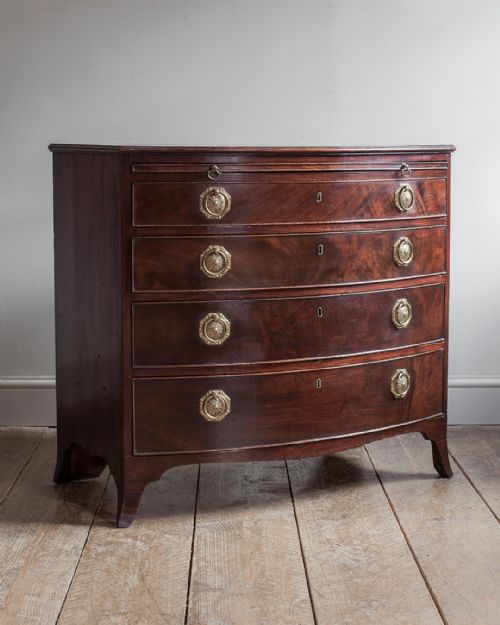
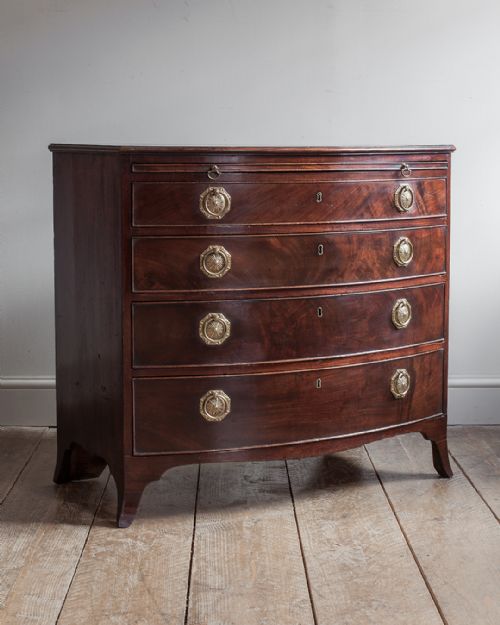
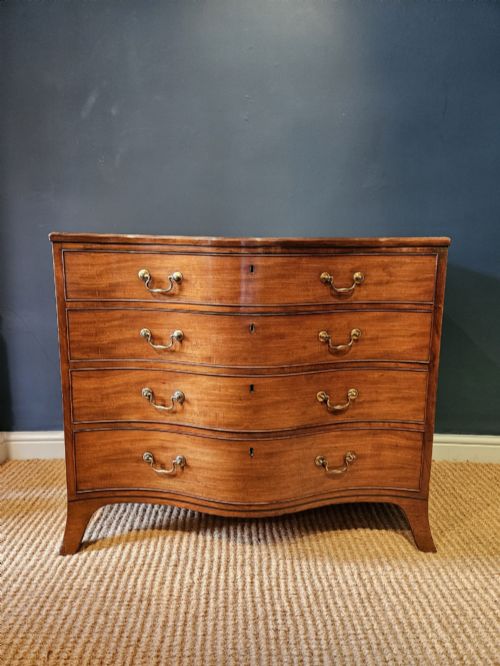
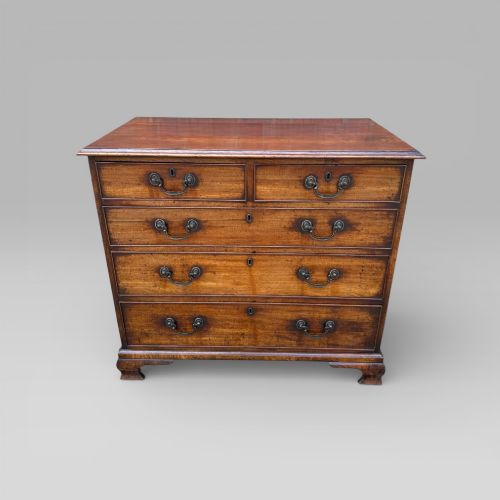
Most examples found in daily browsing present straight, bow, or serpentine fronts configured in graduating rows of three, four, or five drawers. Secondary woods such as oak and pine commonly line the drawer interiors, while the primary facades utilise dense, rich mahogany.
Materials and Construction
Cabinetmakers built these pieces using solid mahogany and figured veneers, frequently accentuating drawer edges and borders with contrasting boxwood, satinwood, or ebony banding. Secondary timbers like oak appeared in drawer carcases and linings to provide structural stability.
Functional details relied on durable hardware, incorporating cast brass drop handles, key escutcheons, and bracket feet or splayed supports. Drawers operated smoothly on closely fitted runners, occasionally incorporating integrated brushing slides or double-depth storage compartments.
Some chests arrive with spice drawers tucked away, proving past owners took their culinary secrets just as seriously as their socks.
Assessing Quality and Execution
The standard of a piece depends heavily on the selection of the timber grain, with highly figured flame mahogany and crisp blind fret carving separating utilitarian items from finer examples. Proportion and scale also dictate value, particularly in smaller chest formats and serpentine configurations that demand advanced carpentry skill.
Originality of brass hardware, intact secondary linings, and the depth of the natural patina accumulated over centuries define the preservation state. Superior workshop execution shows in the precision of the dovetail joints and the uncompromised integrity of the bracket feet.
J Moorcroft·Gillows
The George III Mahogany Drawers Glossary
- Brushing slide
- A pull-out shelf positioned above the top drawer, traditionally used for writing or grooming correspondence while standing. It retracts flush into the frame when not in use.
- Chest on chest
- A tall case piece comprising two distinct sections, where a narrower upper chest stacks directly onto a wider lower chest. This form maximises vertical storage capacity.
- Serpentine front
- A furniture facade shaped with a central convex curve flanked by two concave curves, creating a undulating profile. Crafting this contour requires advanced woodworking precision.
- Crossbanding
- A decorative border technique where thin strips of veneer are laid across the grain of the primary wood panel. It creates a contrasting perimeter frame around drawer fronts.
- Bracket foot
- A structural support foot shaped like an L-bracket, fitted to the bottom corners of case furniture. These feet often feature delicate moulding along the bottom edge.
George III Mahogany Drawers: Frequently Asked Questions
What is a bachelor chest?
A bachelor chest is a compact storage piece featuring a pull-out brushing slide directly beneath the top surface. These versatile items served as combined writing desks and personal storage units for gentlemen.
Cabinetmakers constructed them in modest proportions to fit efficiently into smaller bedchambers while retaining full drawer capacity below the writing surface.
Where were secondary woods used?
Secondary woods such as oak and pine were utilised for internal construction elements that remained hidden during daily use. These timbers formed drawer linings, dust boards, and back panels.
Using stable secondary woods prevented the expensive mahogany veneers on the exterior from warping as environmental humidity shifted over the centuries.
Are these pieces suitable for daily use?
These case pieces provide deep, sturdy storage drawers that function effectively within modern interiors. The robust joinery and durable drawer runners withstand regular daily opening and closing.
Placing them away from direct heat sources and abrasive window sunlight helps preserve the historic polished surface and prevents timber shrinkage.