




George III Lighting
George iii lighting brings the confident symmetry and bright polish of the late eighteenth century straight into a modern room.
George III Lighting
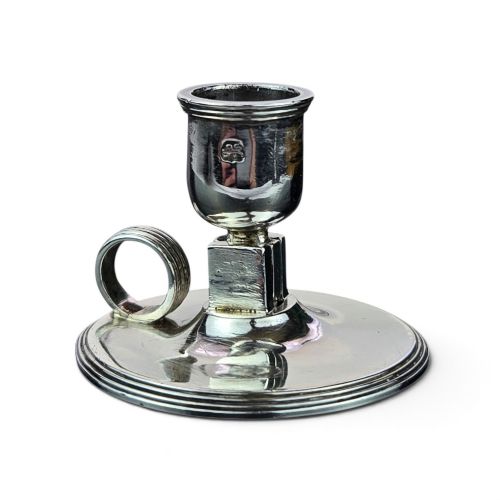
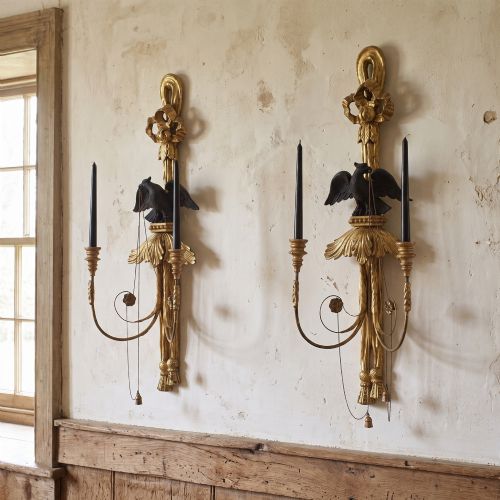
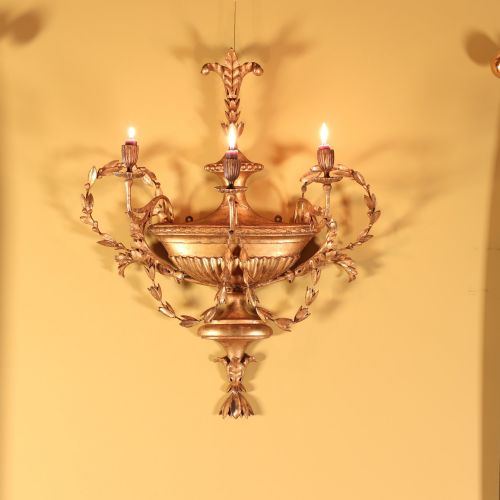
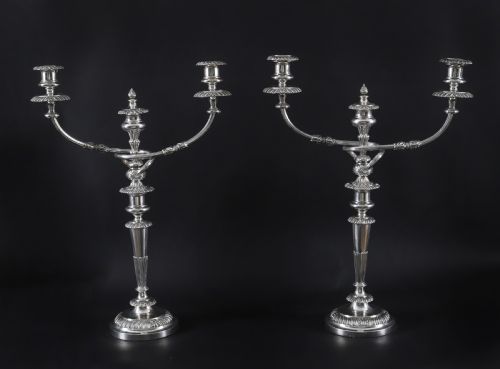
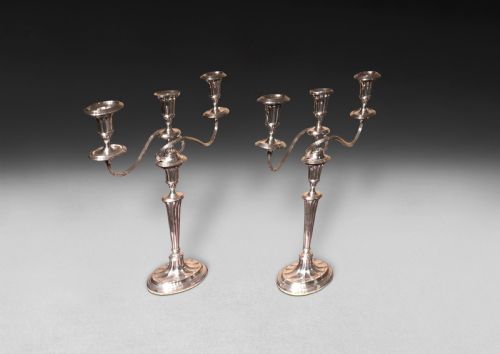
George iii lighting covers the functional and decorative pieces used to illuminate interiors during the Georgian era, ranging from brass candlesticks to silver chambersticks and multi-branch candelabra. Buyers searching for george iii lighting encounter items fashioned from brass, sterling silver, copper, and old Sheffield plate, alongside wall sconces carved from giltwood and gesso.
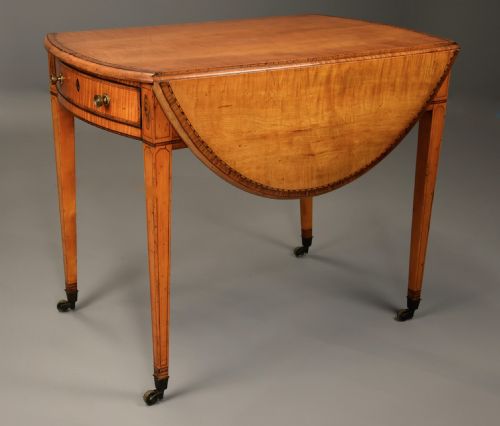
The selections on this page lean heavily towards table lighting, particularly pairs of heavy brass candlesticks and silver-plated candelabra intended for formal dining tables and sideboards. Alongside these portable lights, collectors find wall-mounted sconces and occasional furniture that reflect the prevailing neoclassical and Chippendale tastes of the period.
Materials and manufacture
Makers of george iii lighting relied on durable base metals like brass and copper, cast and turned into sturdy shafts and weighted bases to support burning candles safely. Silver and old Sheffield plate required skilled silversmiths to fuse thin sheets of silver onto copper cores or to hammer solid sterling into intricate forms.
Carved wooden elements such as giltwood wall sconces involved layering gesso over timber before applying gold leaf to achieve a brilliant, reflective surface. Telescopic mechanisms in brass pieces demonstrated precision engineering that allowed users to adjust the height of the flame.
George III Lighting Retail Price Guide 2026
Typical asking prices for george iii lighting among the pieces listed under this phrase on Sellingantiques today, from the lower quarter to the upper quarter. They describe what is for sale here now, not the wider market.
A miniature folding taperstick lets a Georgian traveller seal correspondence by candle flame anywhere on the road.
Distinctions in quality
Quality in george iii lighting rests upon the crispness of the casting and the weight of the metal, where thicker gauge brass and substantial silver provide a reassuring heft in the hand. Finer pieces display sharp hand-chasing on metal surfaces and meticulous carving on giltwood frames that retains its definition after centuries of use.
The integrity of hallmarks on silver items and the originality of the components, such as matching bobeche drip pans, separate standard utilitarian pieces from exceptional examples created by renowned workshops.
John Reilly·Matthew Boulton
The George III Lighting Glossary
- Candlestick
- A portable device designed to hold a single candle upright by means of a spike or a socket. These objects formed the backbone of domestic lighting before the widespread adoption of gas and electricity.
- Candelabra
- A branched lighting fixture that holds multiple candles on a single base. They were traditionally placed on dining tables and mantelpieces to provide brighter illumination.
- Chamberstick
- A low candlestick fitted with a saucer base and a loop handle for carrying a candle around a house at night. The wide tray caught melting wax as the user walked.
- Giltwood
- Timber that has been coated with a thin layer of gold leaf over a prepared gesso ground. This technique created opulent wall sconces and mirror frames that maximised candle light.
- Old Sheffield plate
- A composite material made by fusing a sheet of silver to a thicker copper base before rolling them together. This process allowed makers to produce luxury items at a lower cost than solid silver.
George III Lighting: Frequently Asked Questions
How do I clean antique brass candlesticks?
Clean brass gently with a soft cloth and warm soapy water, avoiding harsh abrasive polishes that strip away the historical patina built up over generations.
Dry the metal thoroughly after cleaning to prevent spotting and preserve the warm, golden tone characteristic of eighteenth-century brass.
Were these lights electrified later?
Many antique candlesticks and candelabra have been adapted for electricity over the decades to suit modern homes without open flames.
Buyers should examine the base and sconce area closely to determine whether holes were drilled for wiring during past conversions.
What is the difference between silver and old Sheffield plate?
Solid sterling silver pieces are made entirely from precious metal and bear official assay office hallmarks indicating the year and city of manufacture.
Old Sheffield plate consists of a thin layer of silver fused to a copper base, sometimes revealing a thin copper line along exposed edges.
How do I spot a reproduction sconce?
Authentic period giltwood and gesso sconces show natural ageing, craquelure in the surface preparation, and hand-carving tool marks on the reverse.
Modern copies often rely on resin or plaster moulds that lack the crisp detail and subtle irregularities of eighteenth-century craftsmanship.