


George III Desk Drawers
George iii desk drawers are hardworking timber pieces made for writing and storage during the Georgian era.
George III Desk Drawers
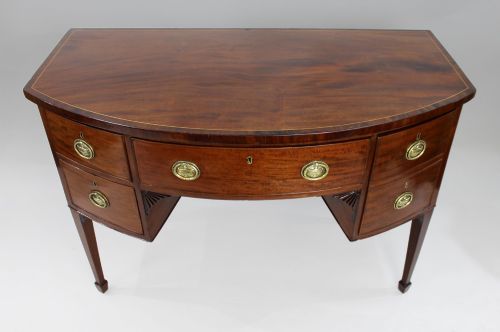
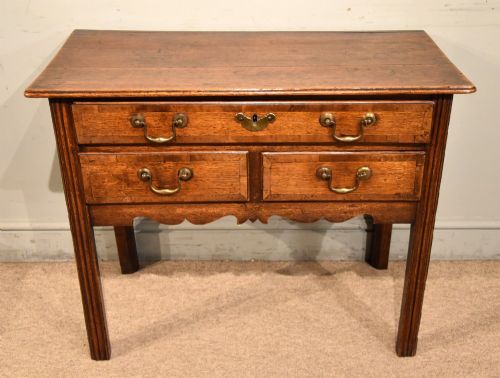
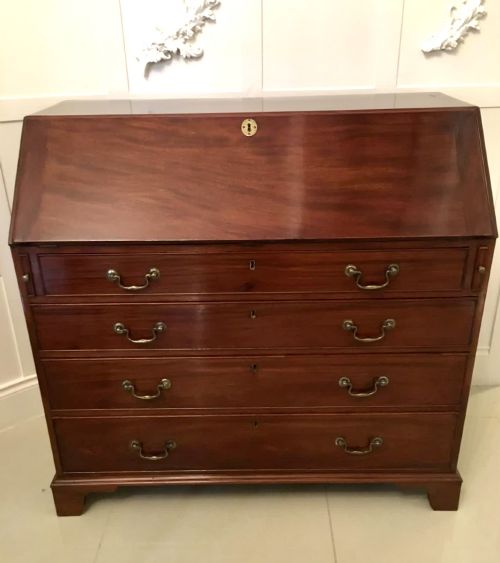
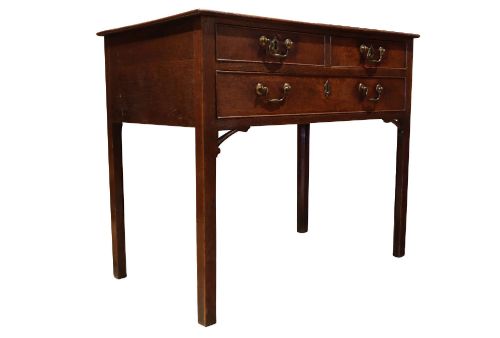
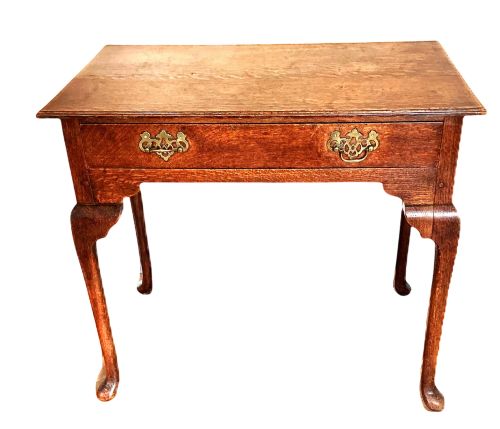
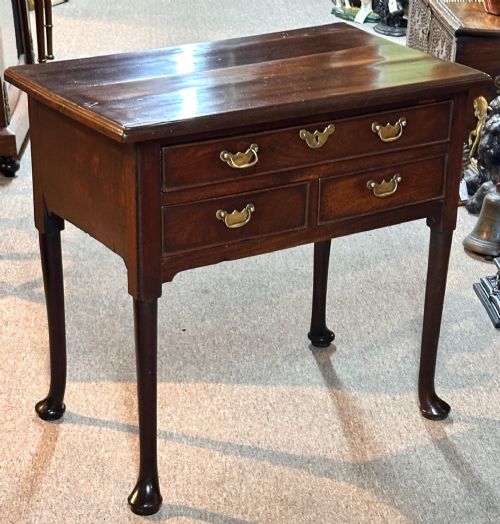
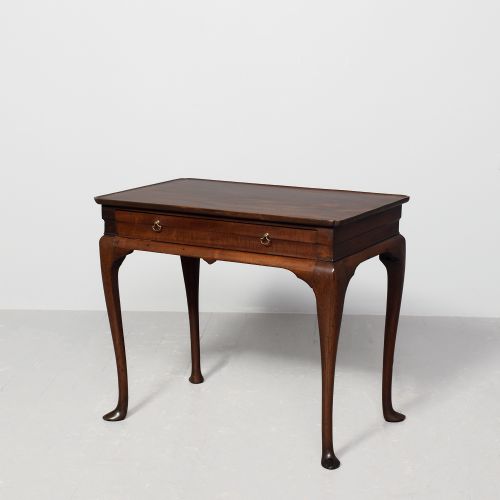
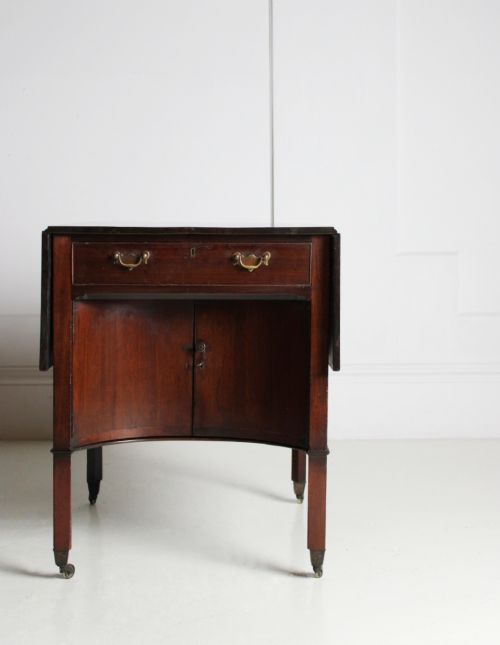
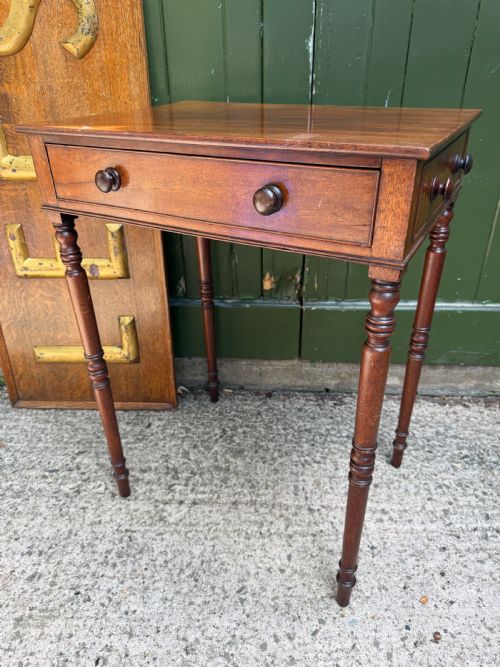
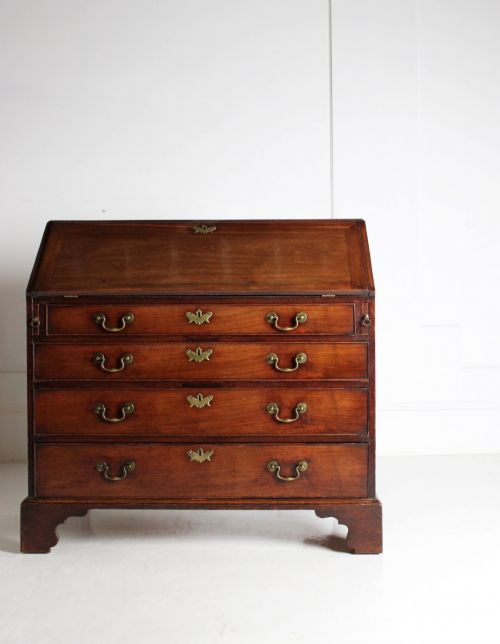
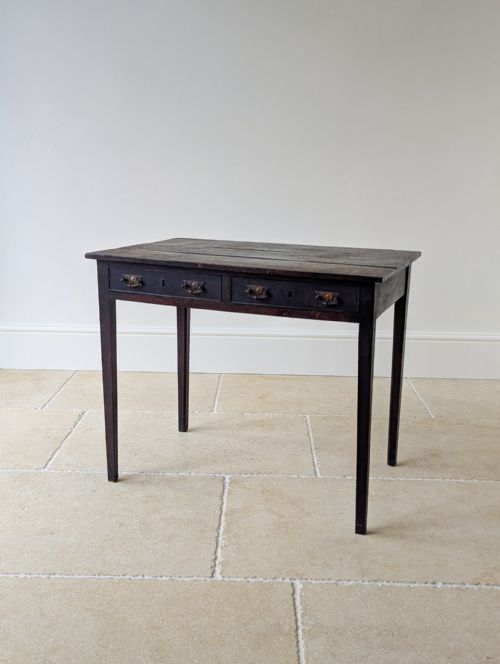
George iii desk drawers encompass a practical variety of writing furniture, from fall-front bureaux and secretaire bookcases to lowboy side tables and library desks. These pieces originate primarily from the eighteenth century and the Georgian period, serving domestic and estate administration needs.
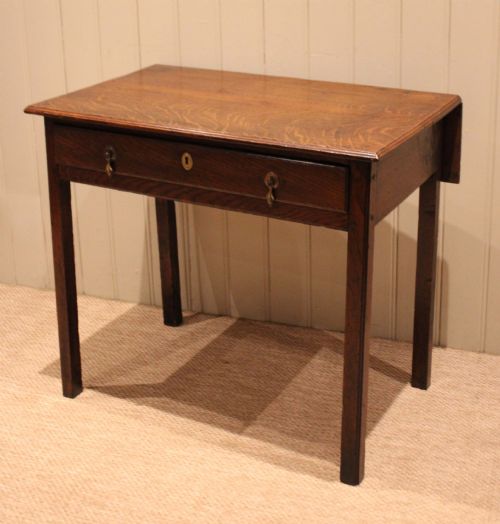
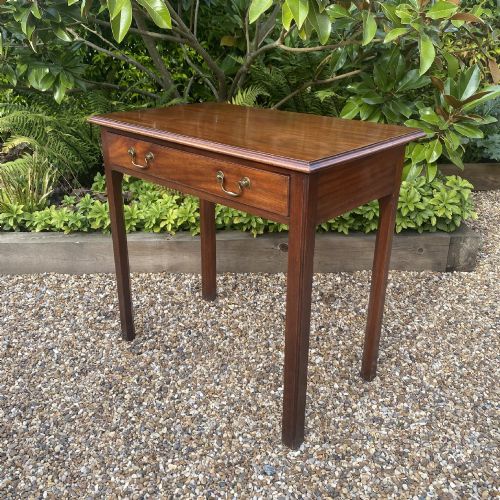
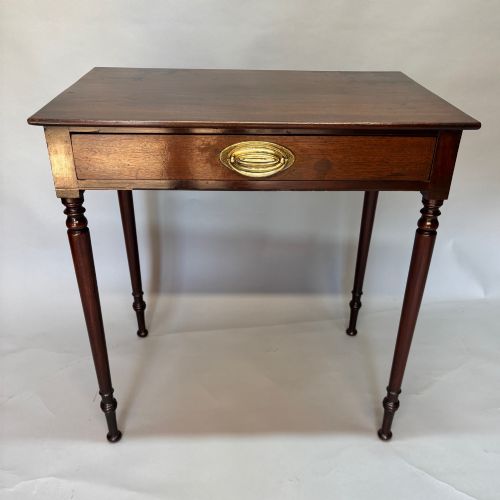
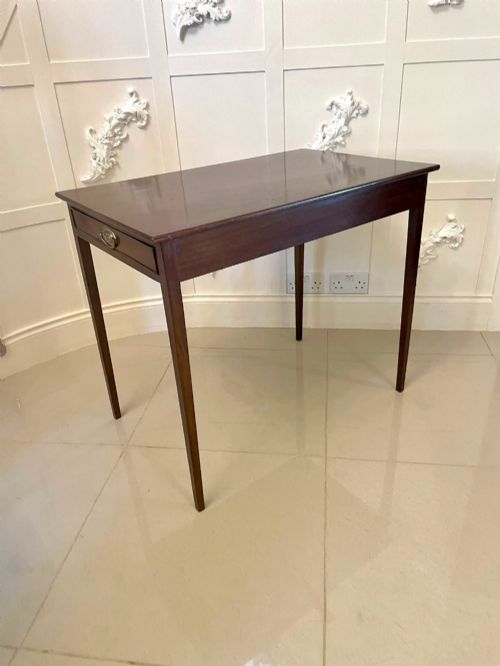
Buyers encountering this group will frequently find mahogany and oak variants, often configured with multiple smaller drawers designed to organise correspondence and account books. Forms range from compact freestanding work tables and kneehole desks to tall chests fitted with writing slides.
Regional cabinetmakers produced these items with distinct local character, using native timbers like oak alongside imported mahogany for grander urban drawing rooms and country house libraries alike.
Materials and Construction
Makers constructed george iii desk drawers predominantly using solid mahogany and oak, frequently incorporating secondary timbers for interior drawer linings and carcases. Surfaces often received subtle embellishment through satinwood inlay, while writing compartments utilised fitted leather or baize inserts.
Hardware played a central functional role, with cast brass drop handles and escutcheons securing drawer fronts alongside working locks. Cabinetmakers relied on traditional joinery methods to manage the movement of timber across panelled sides and dovetailed drawer construction.
George III Desk Drawers Retail Price Guide 2026
Typical asking prices for george iii desk drawers among the pieces listed under this phrase on Sellingantiques today, from the lower quarter to the upper quarter. They describe what is for sale here now, not the wider market.
Quality and Proportion
The standard of george iii desk drawers rests largely on timber selection and proportion, where finely figured mahogany veneer or clean-grained oak distinguishes finer workshops from provincial joinery. The crispness of inlaid stringing and the neatness of internal pigeonholes indicate the maker's attention to detail.
Structural integrity and the preservation of original brass hardware elevate certain examples, particularly where secondary woods remain untouched and drawers retain smooth, hand-planed running actions.
The George III Desk Drawers Glossary
- Bureau
- A writing cabinet featuring a sloping fall-front that opens to reveal a fitted interior of small drawers and pigeonholes.
- Lowboy
- A small side table fitted with one or more tiers of drawers, commonly used as a dressing or writing table.
- Secretaire
- A piece of furniture incorporating a concealed writing drawer or drop-front desk compartment.
- Dovetail
- A joint formed by interlocking wedge-shaped fingers, used extensively in period drawer construction for lasting strength.
- Escutcheon
- A protective brass plate surrounding a keyhole, designed to prevent wear on the surrounding wood.
George III Desk Drawers: Frequently Asked Questions
What is a bureau bookcase?
A bureau bookcase combines a sloping writing desk at the base with enclosed shelving or cabinet doors above.
These taller items provided dual storage for both correspondence and library volumes in Georgian homes.
How do I use a lowboy?
A lowboy serves well as a compact writing surface or a side table in a hallway or bedroom.
The shallow drawers accommodate small writing materials or everyday items without dominating the room.
What is a kneehole desk?
A kneehole desk provides a central recess for seating flanked by banks of small drawers on either side.
This configuration allowed writers to sit comfortably while keeping numerous documents close at hand.
How can I identify oak versus mahogany?
Oak exhibits a prominent, open grain with visible flecks and a pale straw to medium brown colour.
Mahogany displays a tighter, smoother grain with deep reddish-brown tones that darken gracefully over time.