



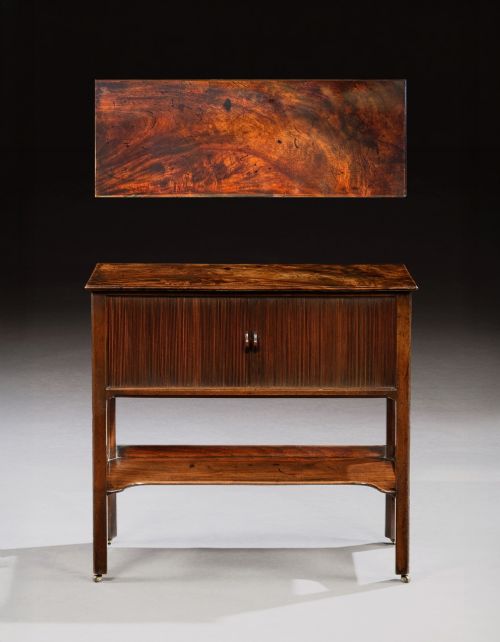


George III Commode Table
These george iii commode table pieces offer functional storage and refined proportions, making them essential additions to a period interior.
George III Commode Table
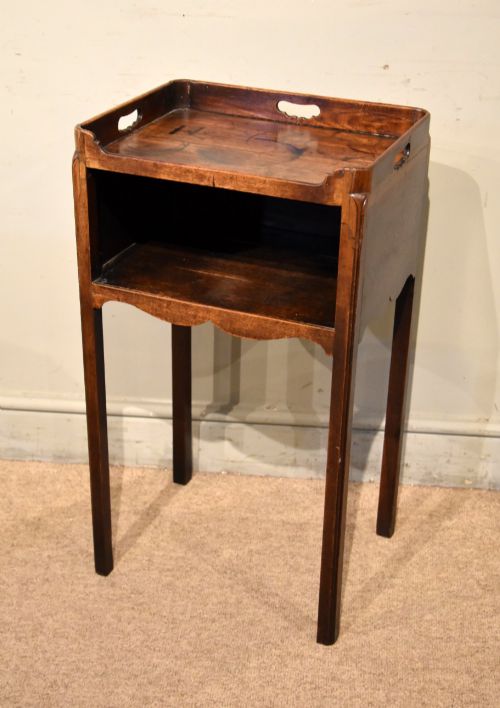
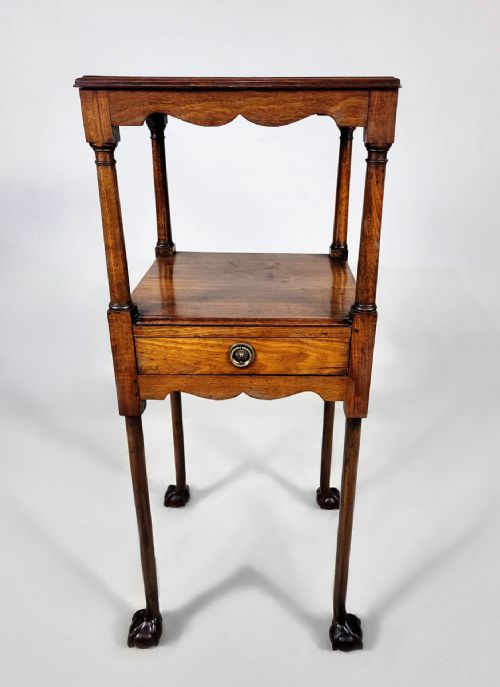
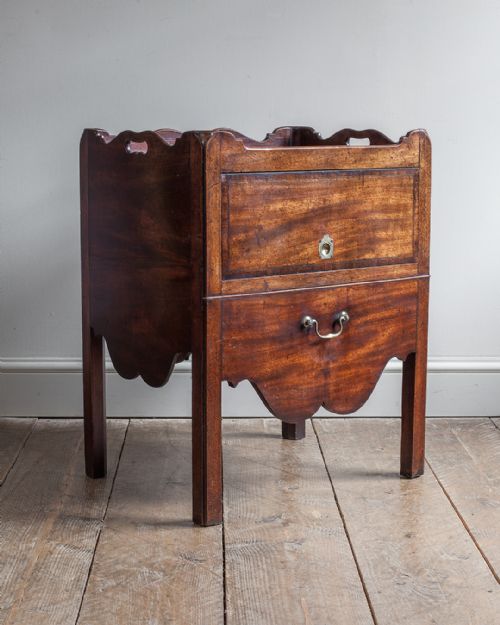
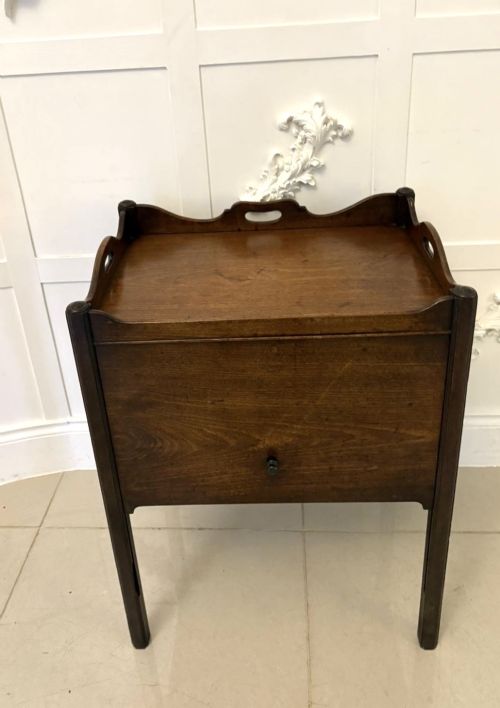
A george iii commode table encompasses various compact storage forms, most frequently appearing as bedside cabinets, nightstands, and tray top commodes from the eighteenth century. Buyers seeking these items will encounter numerous mahogany pieces bearing the characteristic styles of the Georgian era.
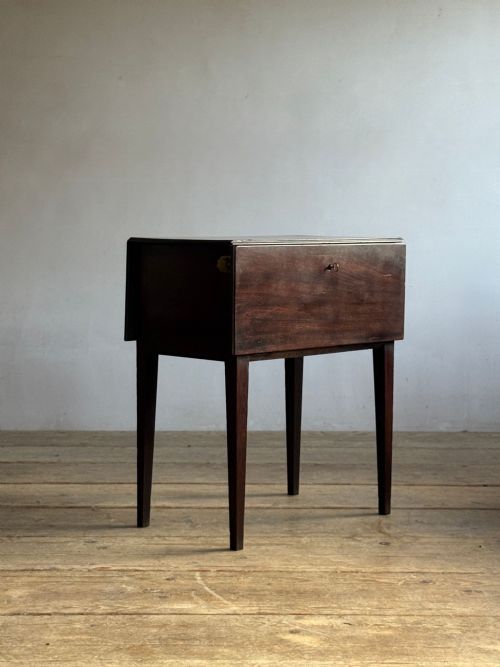
Beyond standard bedside variants, the selection includes writing desks, deception tables, and campaign dressing chests sharing the same period aesthetic. These functional items served intimate domestic purposes in upper-class households.
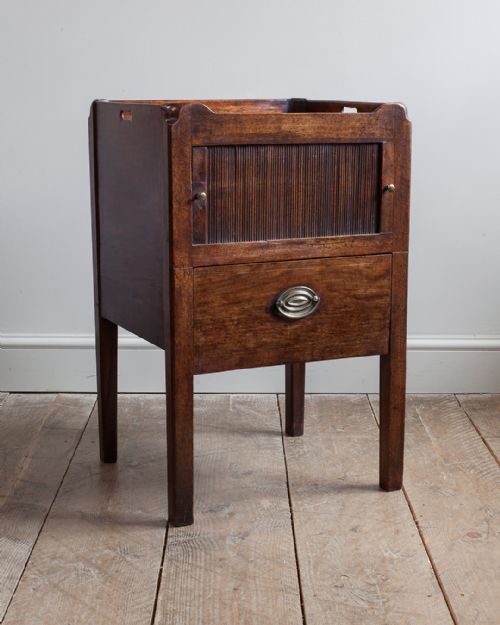
The prevailing format on this page is the bedside cabinet or commode, often featuring tambour fronts or enclosed cupboards designed to conceal chamber pots or personal items. Their enduring appeal lies in this clever combination of enclosed storage and elegant surface space.
Materials and Construction
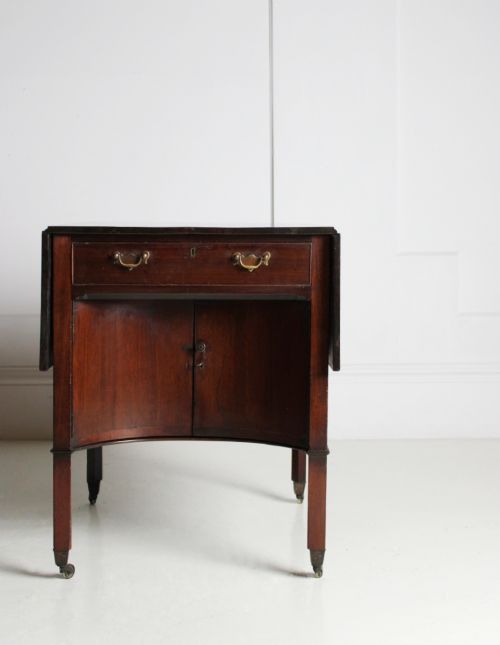
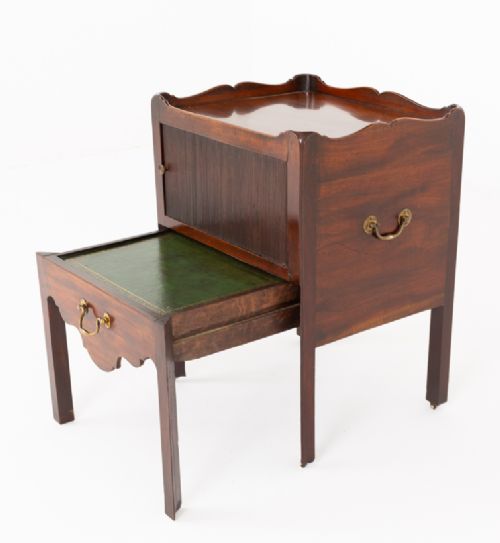
Cabinetmakers relied heavily on mahogany as the primary timber, sometimes pairing it with satinwood, boxwood inlay, and leather inserts for decorative contrast. This dense wood provided the necessary stability for intricate serpentine fronts and concave shapes.
Functional hardware such as brass handles and hinges accompanied sliding tambour shutters and fitted tray tops. These mechanical elements required precise joinery to ensure smooth operation over centuries of use.
George III Commode Table Retail Price Guide 2026
Typical asking prices for george iii commode table among the pieces listed under this phrase on Sellingantiques today, from the lower quarter to the upper quarter. They describe what is for sale here now, not the wider market.
Listings feature woods such as mahogany, satinwood, and boxwood, alongside functional materials like brass and leather.
Assessing Quality and Execution
The distinction between standard examples and superior pieces rests on the finesse of the timber selection and the complexity of the silhouette, such as serpentine or concave fronts. Finer specimens display thoughtful grain matching and crisp execution of boxwood inlay.
The George III Commode Table Glossary
- Commode
- A low cabinet or chest of drawers designed for bedroom use, often housing a chamber pot in period contexts. They frequently incorporate clever enclosing elements like tambour doors.
- Tambour
- A flexible shutter made of narrow vertical strips of wood glued to canvas, allowing doors to slide smoothly around curved corners. This technique required expert joinery to prevent binding.
- Tray top
- A raised rim encircling the upper surface of a small table or cabinet to prevent items from rolling off. These tops often feature integral pierced handgrips for portability.
- Serpentine
- A front or edge shaped with a central convex curve flanked by two concave curves. Achieving this contour required thick, high-quality timber and confident carving.
- Nightstand
- A small bedside table utilised for holding lighting or nighttime necessities. In the eighteenth century, these often doubled as commodes with enclosed lower compartments.
George III Commode Table: Frequently Asked Questions
What was a george iii commode table used for?
These versatile items served primarily in bedrooms as discreet housing for chamber pots while providing a sturdy surface for a chamber candlestick or water jug.
Over time, many transitioned into general bedside storage or occasional tables as domestic plumbing evolved.
How do I spot a tambour front?
A tambour door consists of narrow vertical wooden laths attached to a canvas backing, allowing the panel to slide smoothly along a curved track.
This ingenious mechanism hid the interior contents without requiring clearance for swinging doors.
Are these pieces suitable for modern bedrooms?
Their compact proportions make them ideal bedside companions or small accent tables in contemporary spaces.
They offer practical enclosed storage while adding historical character to a room.