
George III Chairs
When you select george iii chairs, you enter a domain of 18th-century craftsmanship defined by structural grace and enduring utility.
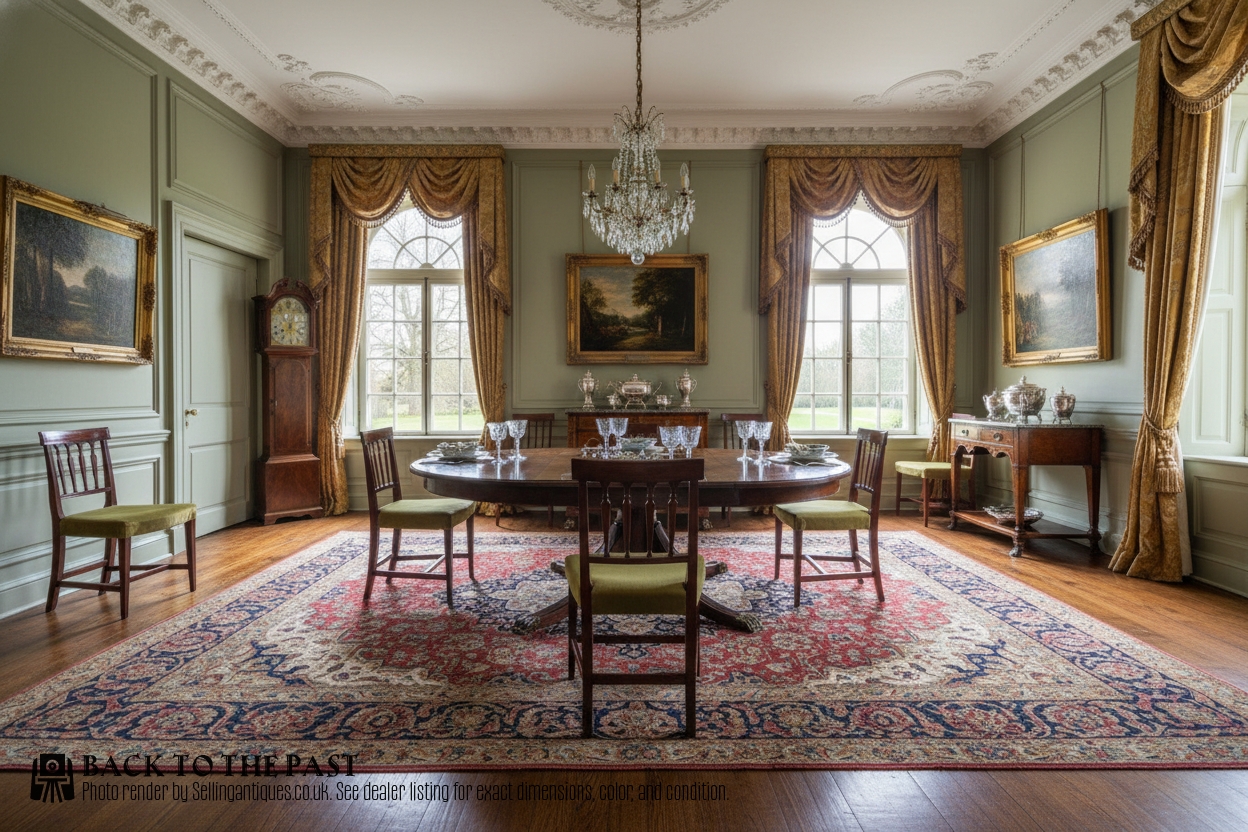
George III Chairs
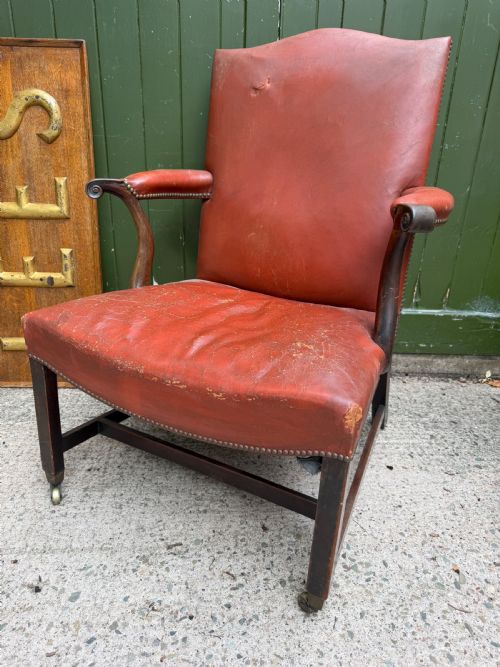
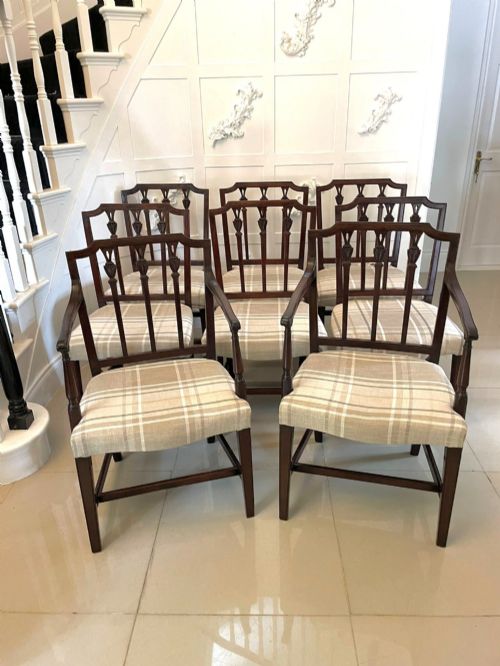
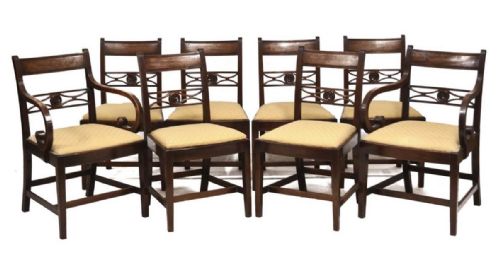
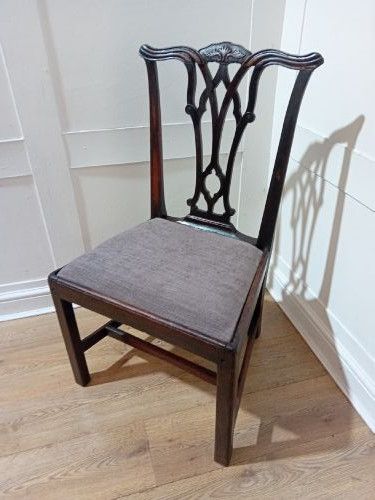
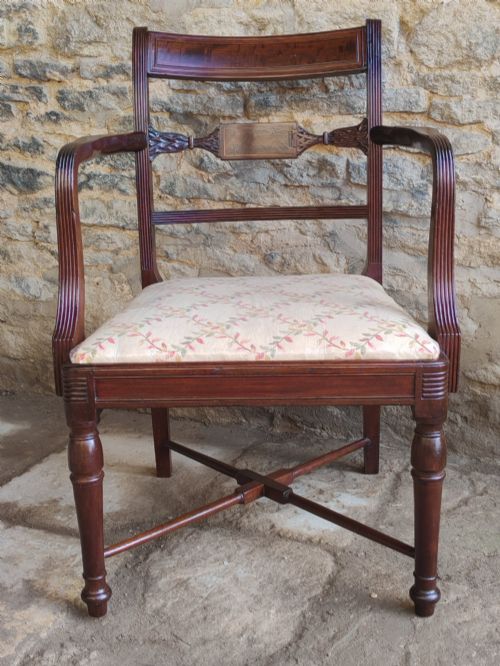
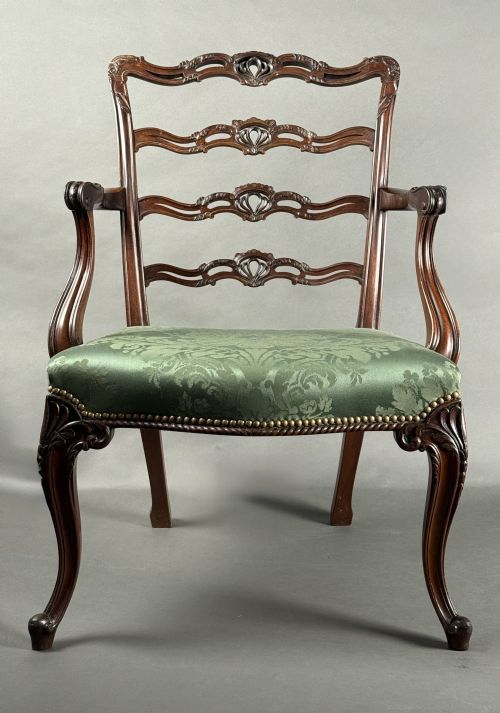
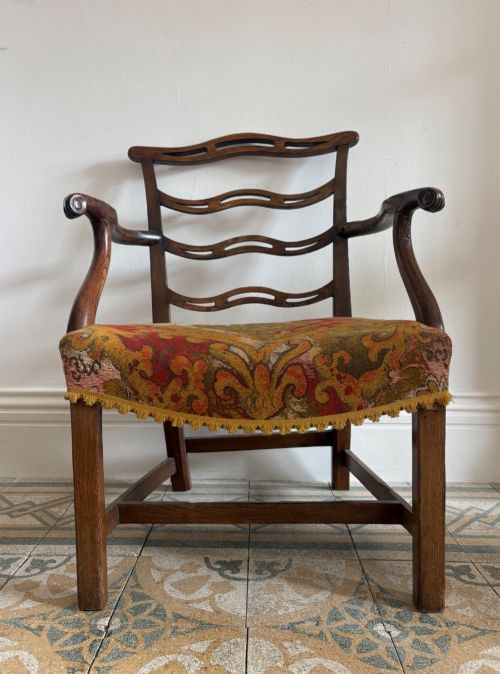
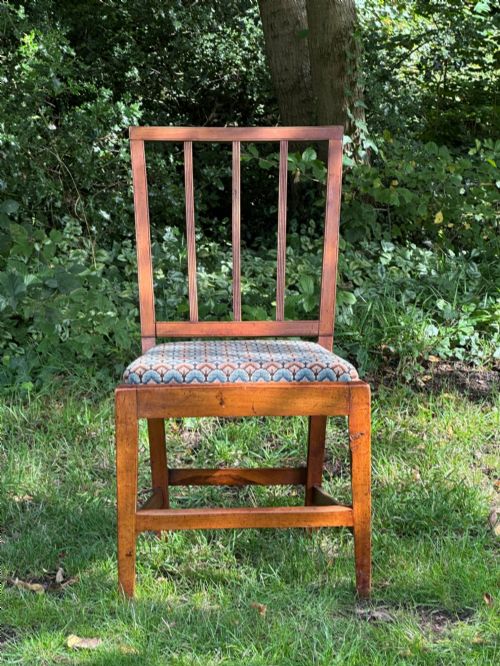
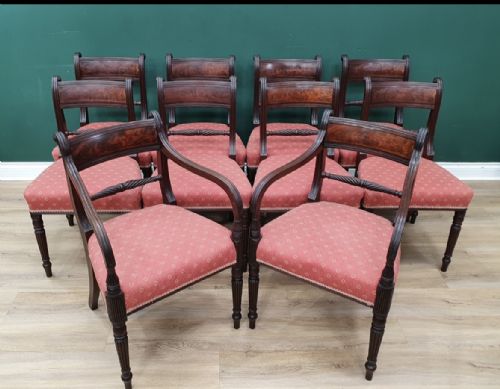
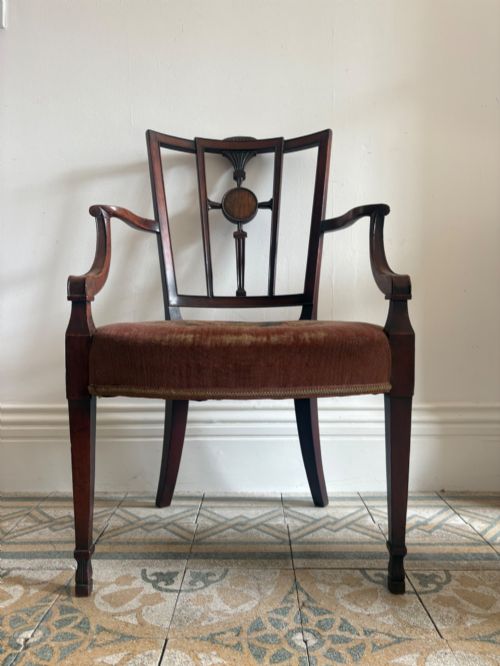
Buyers will encounter single side chairs, expansive sets of dining chairs, library gainsborough armchairs, and specialised items such as hall chairs and drunkards chairs.
Origins span regional English workshops in places like Lancashire, Cheshire, and the West Country, alongside Scottish examples from Edinburgh.
The prevailing output reflects late 18th-century and early 19th-century periods, capturing both metropolitan neoclassical designs and robust provincial traditions.
Markers of Distinction
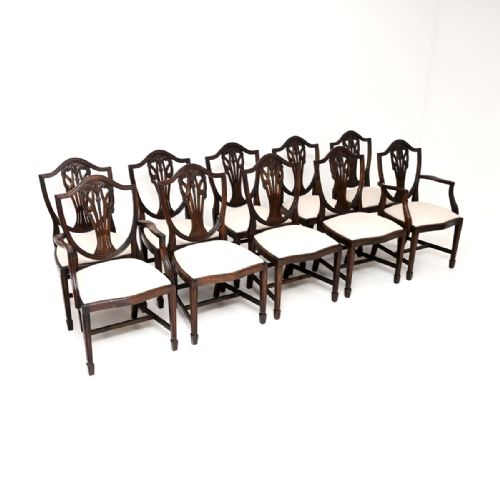
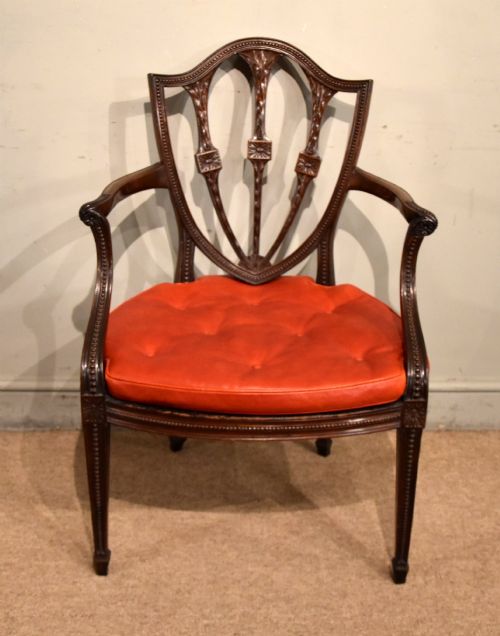
Quality rests upon the integrity of timber selection, the crispness of carved elements like shield backs and cabriole legs, and the preservation of original structural joinery.
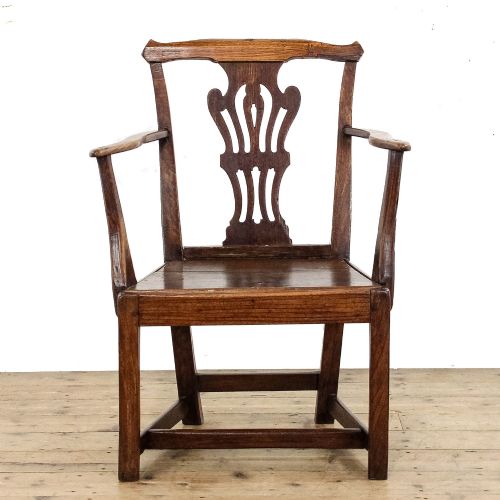
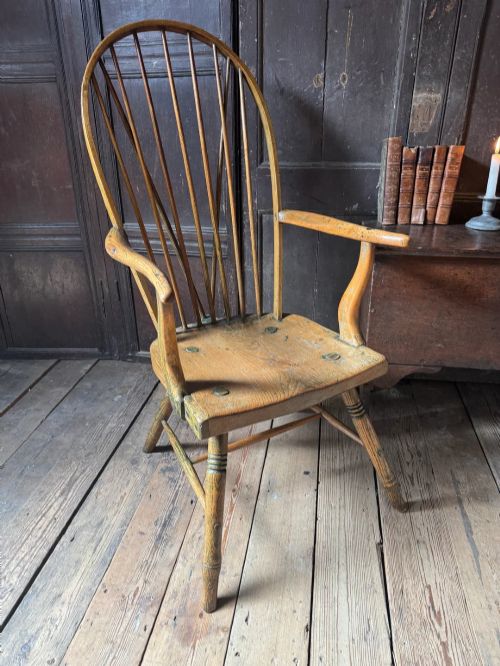
Refined urban pieces display balanced proportions and sophisticated stylistic vocabulary, whereas country pieces demonstrate the robust ingenuity of local joiners through pegged joints and steam-bent components.
George III Chairs Retail Price Guide 2026
Typical asking prices for george iii chairs among the pieces listed under this phrase on Sellingantiques today, from the lower quarter to the upper quarter. They describe what is for sale here now, not the wider market.
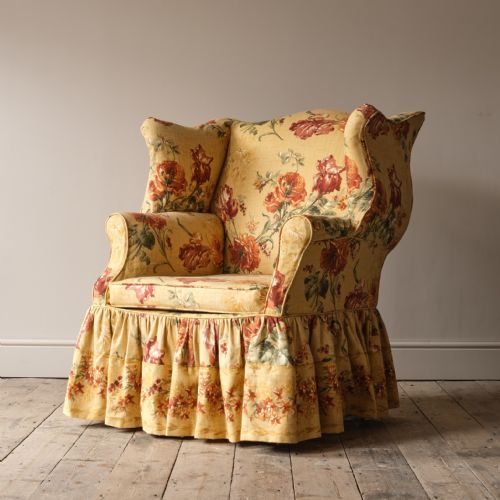
Formal dining chairs appear alongside specialised forms including drunkards chairs, rocking chairs, and library wingbacks.
Gillows·Thomas Chippendale
The George III Chairs Glossary
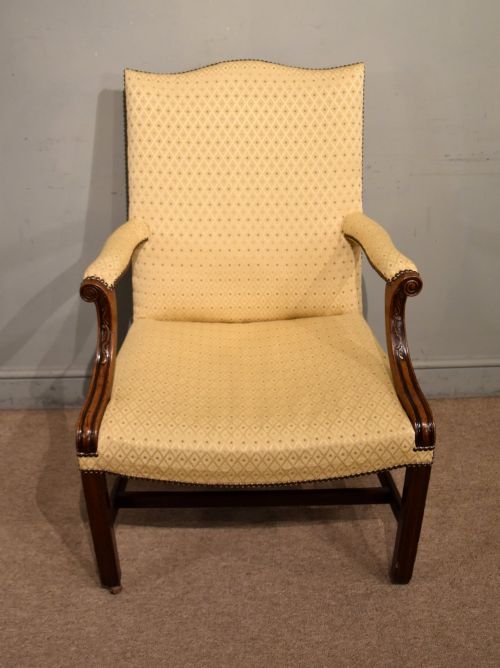
- Gainsborough armchair
- A wide, upholstered open-arm chair designed for the library or desk, typically featuring padded armrests and a square back.
- Shield back
- A chair back shaped like a heraldic shield, popular in late 18th-century dining furniture.
- Windsor chair
- A traditional chair built with a solid wooden seat into which the legs and back spindles are directly bored.
- Carver chair
- An armchair, frequently designed as the matching head-of-table seat within a larger set of dining chairs.
- Crinoline stretcher
- A curved metal or wooden brace connecting the legs of a chair to provide lateral stability.
George III Chairs: Frequently Asked Questions
What defines george iii chairs?
These seating pieces originate from the reign of King George III, a period spanning the mid-to-late 18th and early 19th centuries.
They encompass everything from formal mahogany dining suites with carved details to vernacular country windsors built from elm and ash.
How were dining chairs used?
Dining sets typically comprised a combination of single side chairs for guests and matched carver armchairs for the hosts at the table ends.
They served formal meals and social gatherings in the dining rooms of substantial townhouses and country estates.
Where do windsor chairs originate?
Windsor chairs emerge predominantly from regional English workshops in the West Country, Lancashire, Cheshire, and Wales.
Local timber availability dictated their construction, combining resilient woods like elm seats with flexible ash spindles.
How do I live with antique chairs?
These pieces integrate readily into modern interiors as functional dining seats, desk chairs, or library armchairs.
Routine care involves maintaining stable indoor humidity and protecting leather and fabric upholstery from direct sunlight.