




George III Bookcase Cabinet
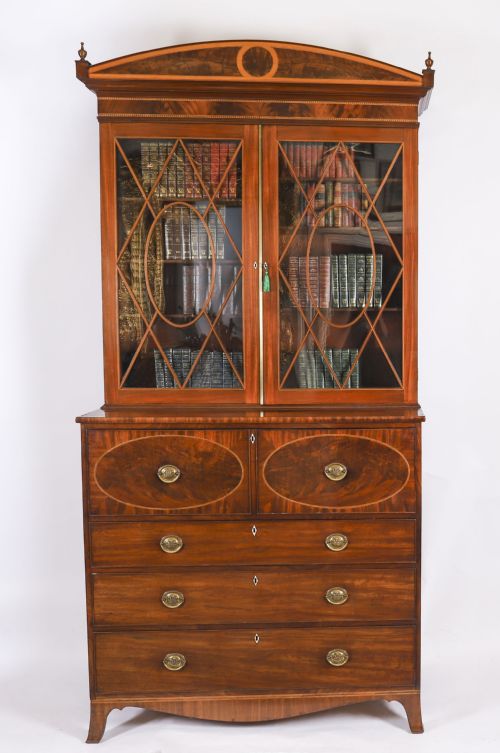
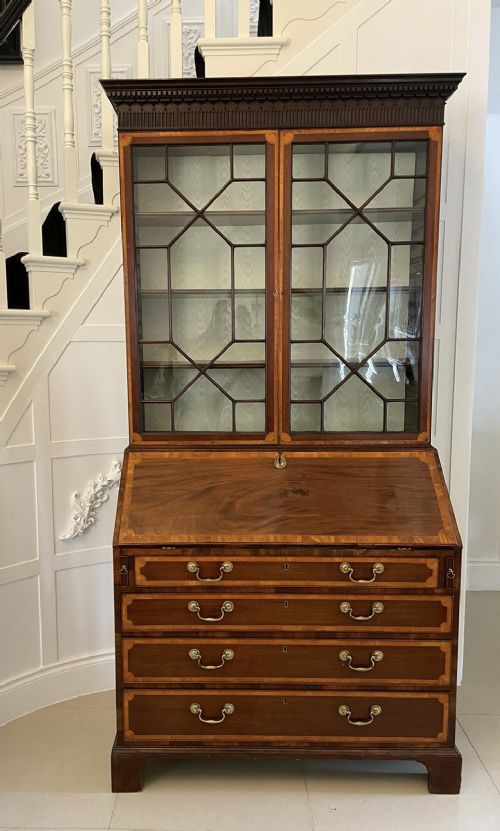
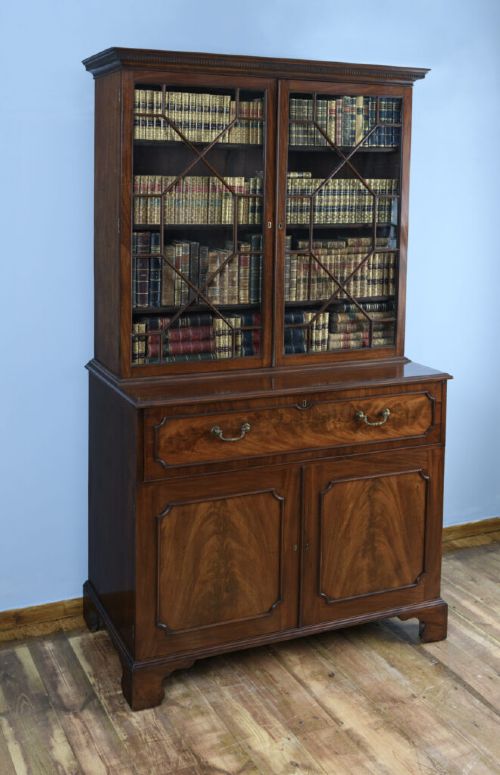
A george iii bookcase cabinet provides stately architectural housing for a library while concealing a fitted writing desk behind drop-front drawers.
George III Bookcase Cabinet
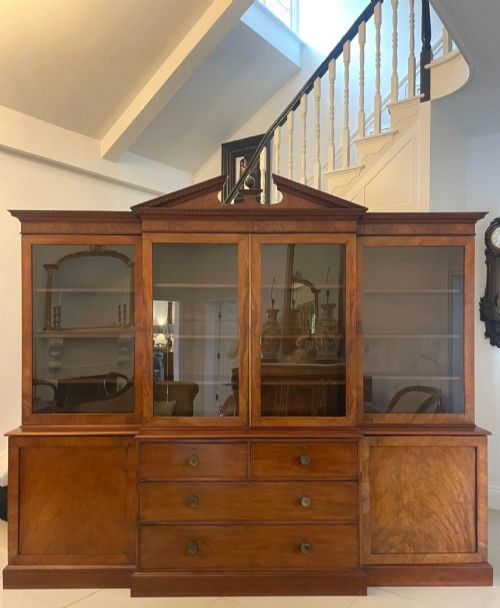
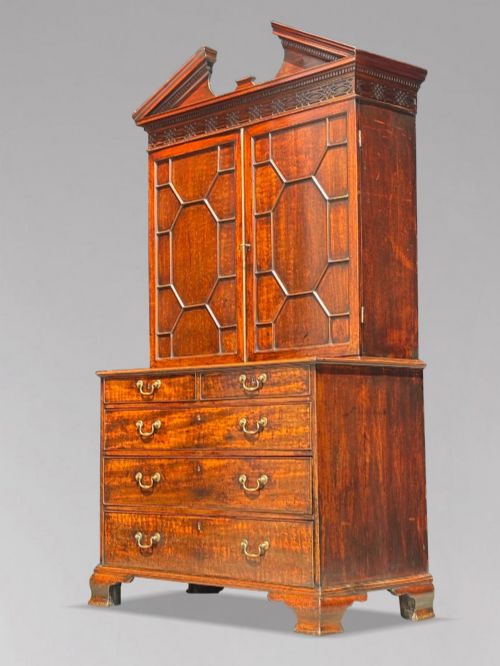
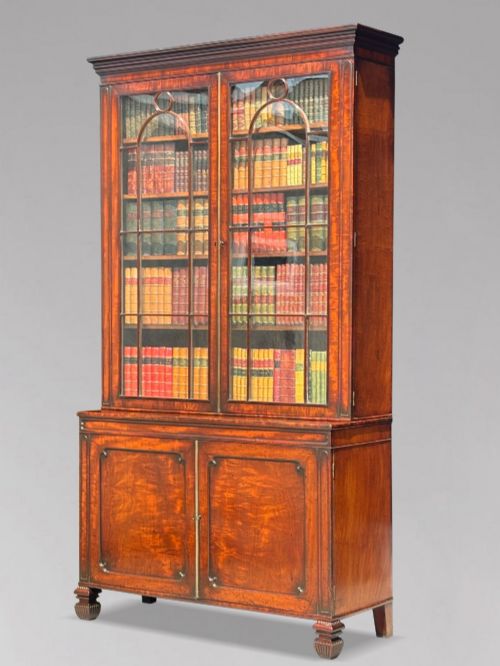
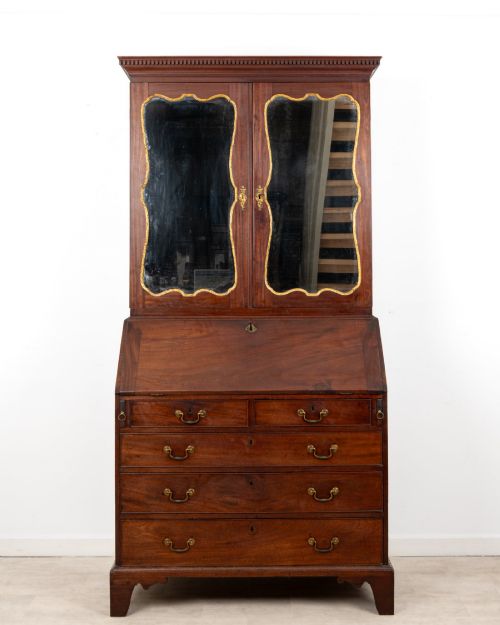
A george iii bookcase cabinet stands as a substantial dual-purpose piece designed to store volumes behind glass upper doors while securing papers below. The selection centres heavily upon forms from the Georgian era, spanning the late eighteenth century into the early nineteenth century.
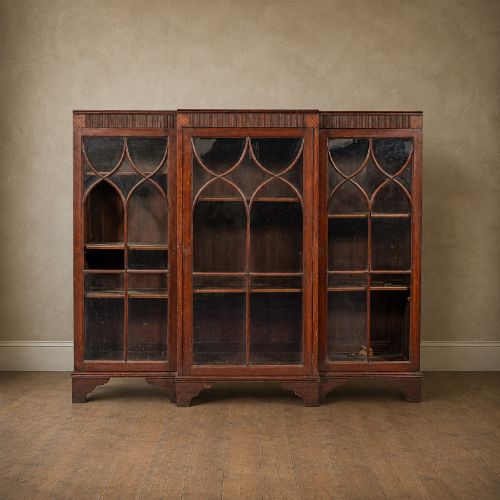
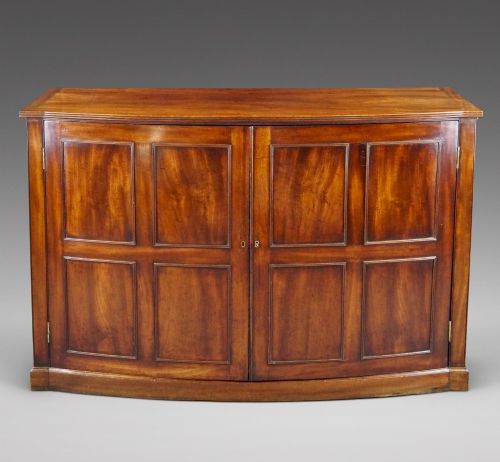
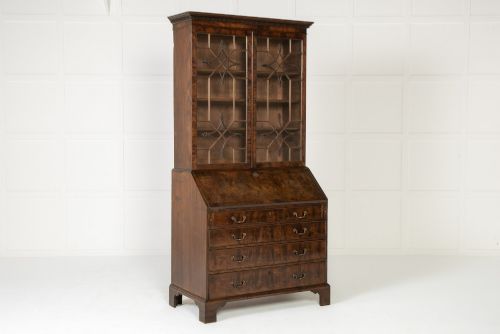
Buyers regularly encounter breakfront library cases, bureau bookcases featuring fitted secretaire drawers, and glazed display cabinets. Mahogany serves as the primary structural wood, frequently complemented by satinwood, oak, and flame mahogany veneers.
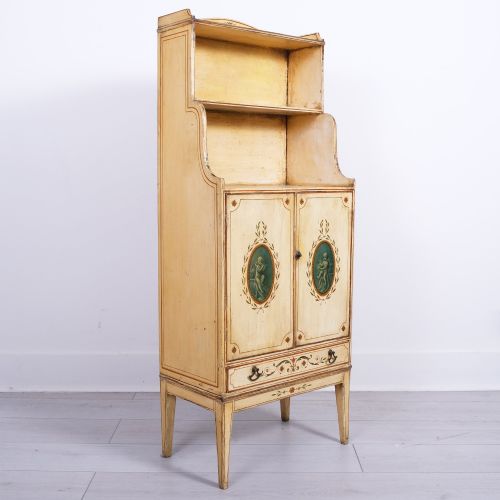
Pieces range from tall, multi-door architectural library furniture to slender, neat cupboards suited for smaller domestic interiors. Later nineteenth-century revivals also appear, echoing the proportions and aesthetic of the original Georgian period.
Materials and Technique
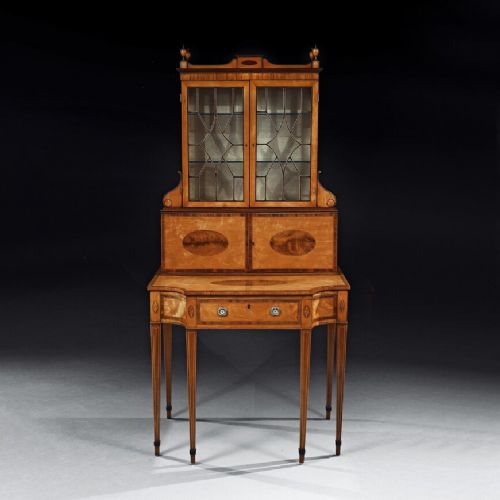
Cabinetmakers constructed the main carcass of a george iii bookcase cabinet using solid timbers such as mahogany and oak, applying fine veneers across the prominent surfaces. Flame mahogany and satinwood veneers added decorative contrast through dramatic grain patterns and tonal variation.
Glazing bars on the upper doors formed delicate geometric or gothic arch patterns, requiring precise joinery to support individual glass panes. Brass hardware, including drop handles, escutcheons, and hinges, secured the doors and drawers while providing metallic accentuation.
Interior writing sections utilised specialised pigeonholes, small drawers, and occasionally leather-lined writing surfaces concealed behind fall-front secretaire drawers. Marquetry and inlay techniques incorporated lighter woods to create formal borders and decorative motifs.
The selection includes both breakfront library bookcases and compact bureau variants spanning the Georgian and Victorian periods.
Assessing Excellence
The distinction between standard utility furniture and superior cabinetwork rests in the choice of timber and the intricacy of the decorative details. Highly figured flame mahogany and richly contrasted satinwood veneer demand superior selection and matching by the maker.
Structural refinement shows in the delicacy of the astragal glazing bars and the sophistication of the interior fitments within the secretaire section. Proportion and architectural balance dictate the visual success of breakfront library editions and tall cabinets alike.
Attribution to recognised workshops or adherence to known design manuals elevates the standing of individual pieces beyond standard commercial production. Preservation of original brass hardware and untouched surface finishes further distinguishes exceptional examples.
Thomas Chippendale·Gillows
The George III Bookcase Cabinet Glossary
- Secretaire
- A desk drawer featuring a drop-front mechanism that conceals small pigeonholes and letter drawers. This clever fitting allows a tall storage cabinet to function as a compact writing desk.
- Breakfront
- A large cabinet design where the central section projects forward from the flanking wings. This architectural arrangement creates depth and visual rhythm across the facade of library bookcases.
- Astragal
- The narrow wooden moulding strips used to divide glass panes within cabinet doors. Fine examples display slender, intricate profiles rather than heavy structural bars.
- Flame mahogany
- A veneer cut from the fork of the mahogany tree where the branch meets the trunk. The resulting timber exhibits a flickering, flame-like pattern prized for cabinet fronts.
- Sabicu
- A dense, durable tropical hardwood resembling mahogany, utilised in high-status cabinetmaking during the Georgian period. It offered exceptional stability and rich colouration for specialised writing furniture.
George III Bookcase Cabinet: Frequently Asked Questions
What is a secretaire bookcase?
A secretaire bookcase combines a traditional library shelving unit with a pull-out or drop-front writing drawer placed at chest height. Inside, small compartments and hidden drawers organise writing materials.
This clever dual purpose allowed owners to write letters without needing a separate standalone desk taking up floor space.
How do I date a Georgian cabinet?
Dating relies on observing timber choices, construction methods, hardware styles, and architectural motifs. Earlier eighteenth-century pieces often display solid mahogany and heavy cornice mouldings, while later decades favour satinwood veneers and lighter proportions.
Examining drawer linings and backboards reveals hand-cut dovetailing typical of the period before mass-produced machinery arrived.
Where were these bookcases placed?
These large storage pieces traditionally stood in formal libraries, drawing rooms, or studies of country houses and town residences. Their imposing height and glazed upper doors served to display prestigious book collections.
Today, collectors place them in principal reception rooms where their architectural presence anchors the interior design.
Are all these cabinets made of mahogany?
While mahogany dominates the majority of surviving examples, cabinetmakers also utilised oak, satinwood, and pine for internal carcassing or secondary woods. Some specialised writing cabinets incorporated exotic timbers like sabicu alongside decorative marquetry.
Veneers were frequently applied over solid foundational timber to create dramatic figured grain patterns.