
George I Writing Table
A george i writing table brings the restrained elegance of early eighteenth-century craftsmanship into a modern interior.
George I Writing Table
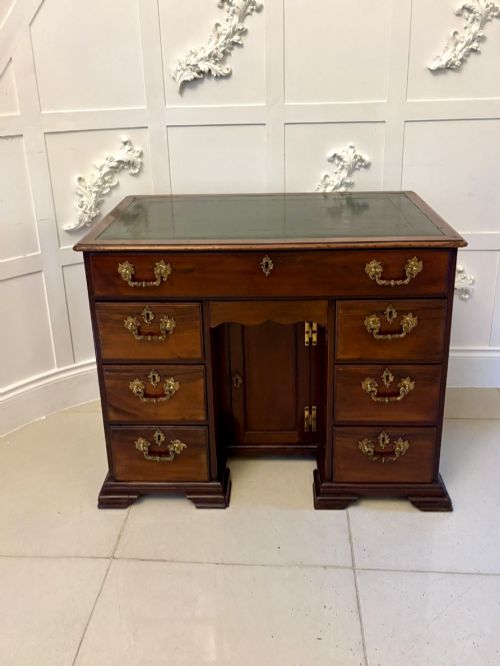
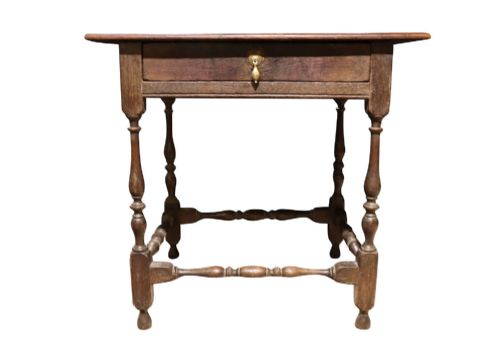
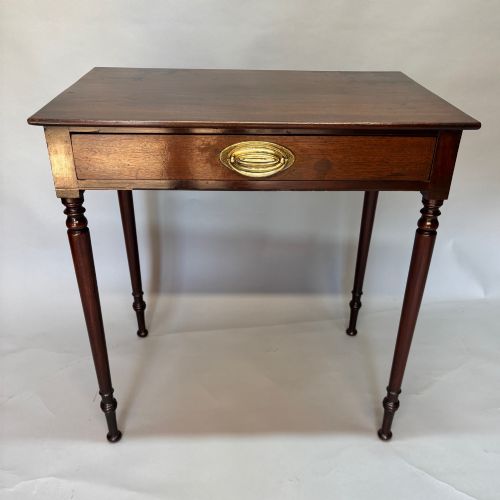
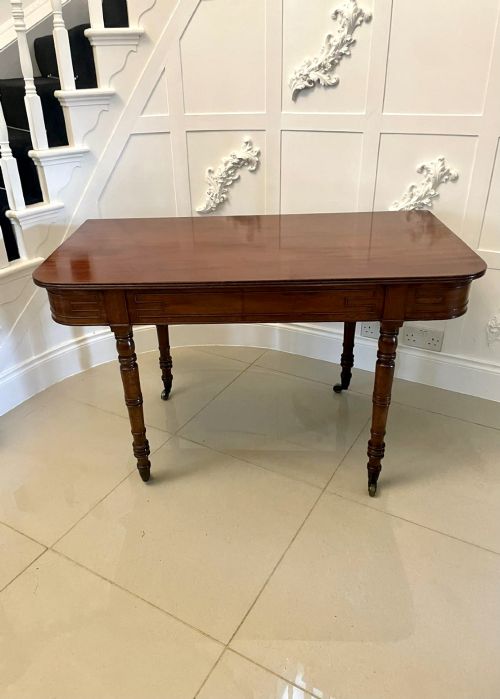
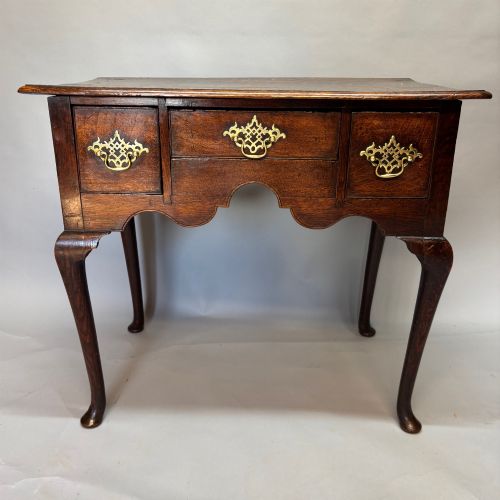
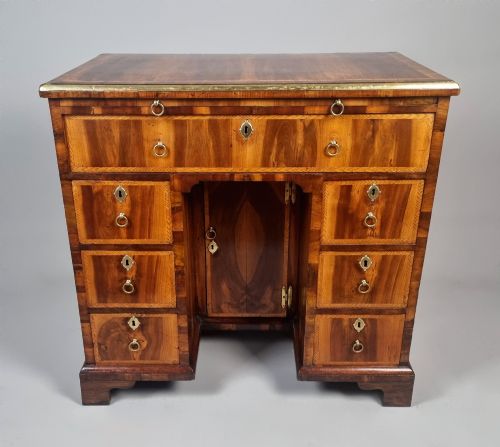
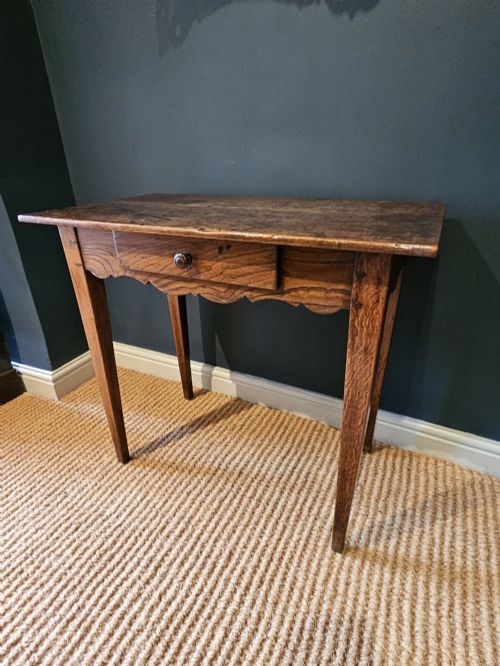
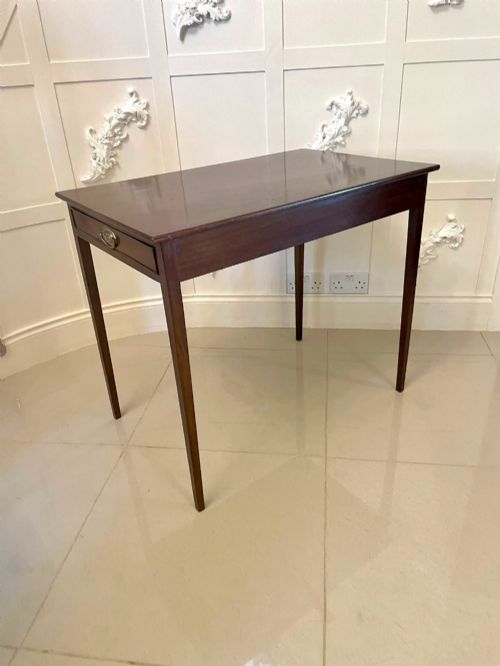
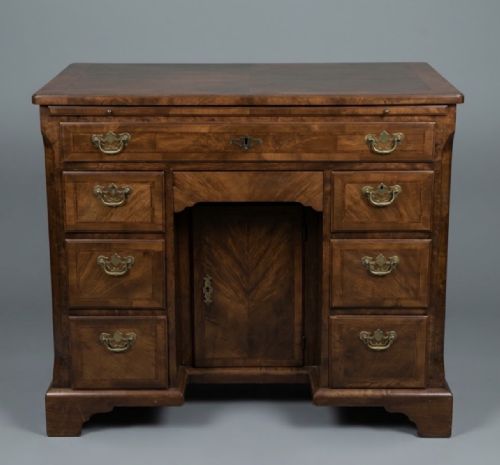
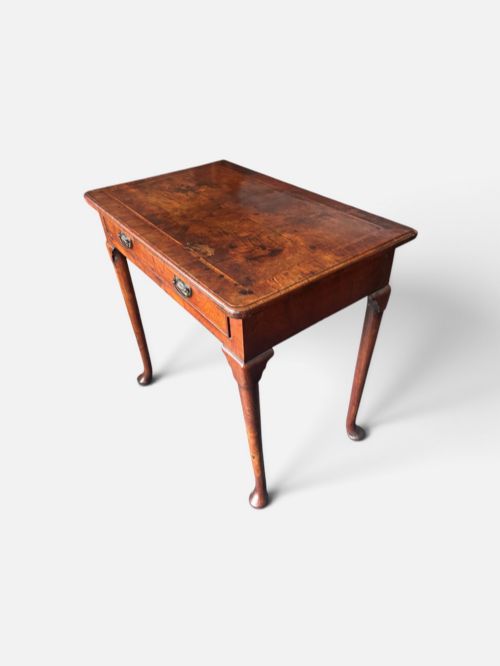
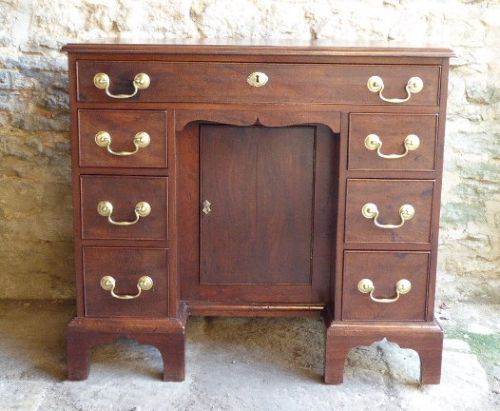
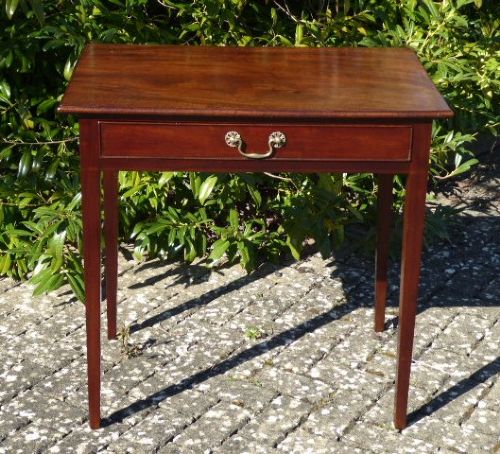
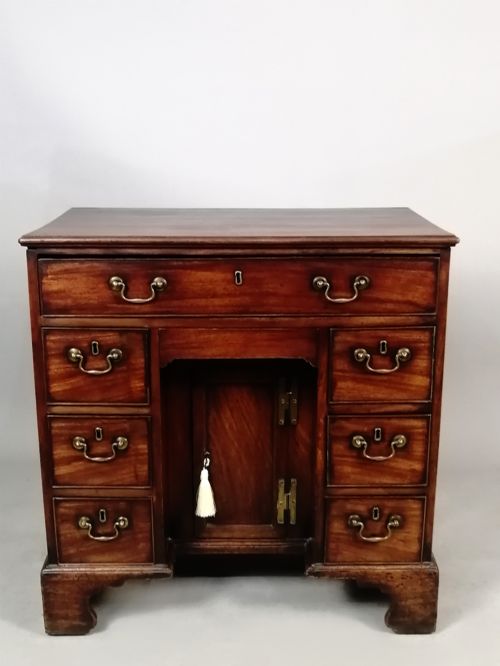
A george i writing table encompasses both dedicated writing desks and multifunctional timber tables produced during the early eighteenth century and the broader Georgian era. Surviving pieces often take the form of kneehole desks, lowboys, and library tables designed for domestic studies and formal chambers.
The material palette of these pieces relies heavily on figured walnut, burr elm, and oak, reflecting the prevailing cabinet-making traditions of the period. Later interpretations and related listings extend into mahogany and rosewood from subsequent reigns, yet the core aesthetic remains rooted in proportion and visible timber grain.
Buyers encountering this selection will find a mixture of authentic period forms and pieces created in later revivals. Understanding the distinction between original eighteenth-century construction and subsequent interpretation helps contextualise the surface patination and joinery.
How they were made
Cabinet-makers constructed these tables using solid timbers paired with fine veneers, securing primary panels with dovetailed drawer boxes and traditional mortise and tenon joints. Walnut and mahogany were frequently selected for their stability and capacity to display rich figure across flat surfaces.
Hardware such as brass drop handles, escutcheons, and hinges were cast and hand-finished, often retaining original patination through centuries of use. Writing surfaces were frequently inset with panels of tooled leather to provide a durable working area.
Secret drawers tucked behind dummy facades remind us that eighteenth-century correspondents valued privacy just as much as we do.
What varies in quality
The standard of a george i writing table depends heavily on the selection of timber veneers and the preservation of original structural elements. Finer examples display carefully matched burr walnut or figured mahogany grains that wrap continuously across drawer fronts and tops.
Execution of secondary details, including the crispness of carved drawer surrounds, the neatness of dovetail joints, and the retention of original brasses, separates exceptional workshop production from utilitarian commercial output.
James Mein of Kelso·Gillows of Lancaster·Taprel Stephen and Holland·William Trotter·T Willson
The George I Writing Table Glossary
- Kneehole desk
- A compact desk featuring a central recessed cupboard flanked by small drawers on either side. This form became popular during the late seventeenth and early eighteenth centuries.
- Lowboy
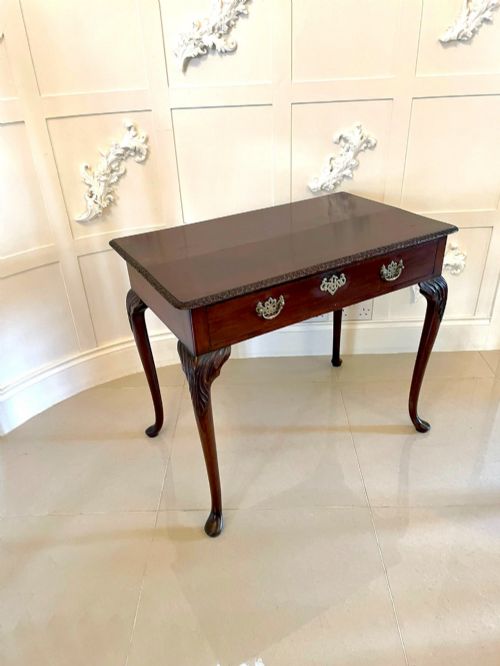
- A small side table with one or more rows of drawers, frequently utilised as a dressing table or writing surface. These pieces typically stand on slender cabriole or straight legs.
- Partners desk
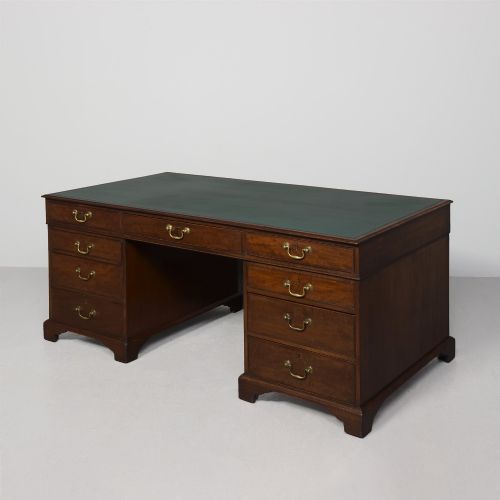
- A large double-sided writing table designed with drawers and cupboards accessible from both faces. Such pieces allowed two individuals to work opposite one another.
- Bracket foot
- A corner foot shape resembling a shaped bracket, commonly found on case furniture and desks of the Georgian period. It lifts the carcass slightly off the floor.
- Escutcheon
- A decorative brass plate surrounding a keyhole that protects the surrounding timber from wear. Original brasswork often assists in dating the piece.
George I Writing Table: Frequently Asked Questions
How were these tables used originally?
These tables served as functional writing surfaces for correspondence, bookkeeping, and estate management within domestic studies or grand libraries. Wealthy households utilised them in private chambers where private letters and accounts were drafted.
Over time, many of these pieces adapted to changing domestic requirements, transitioning from primary workspace furniture to decorative side or console tables in contemporary hallways and living spaces.
Can I use a period table for daily work?
These historical tables accommodate contemporary laptops and writing materials quite comfortably, provided the working height aligns with modern seating. The durable timber construction remains entirely fit for daily domestic utility.
Care should be taken to protect antique leather or polished wood surfaces from moisture and heavy impacts by utilising appropriate desk pads or blotters during extended work sessions.
What defines a lowboy?
A lowboy is a small table equipped with drawers, standing on relatively tall legs, typically positioned against bedroom or parlour walls during the eighteenth century. They functioned as compact dressing tables or auxiliary writing desks.
Their restrained proportions make them versatile additions to modern interiors, fitting easily into hallways, alcoves, or beneath windows where larger desks would overwhelm the floor space.