
George I Walnut Drawers
George i walnut drawers bring warm timber tones and meticulous craftsmanship into a room, offering both history and utility.
George I Walnut Drawers
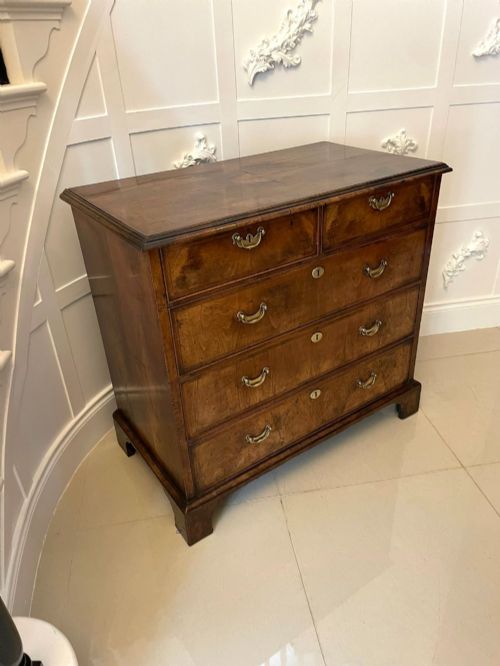
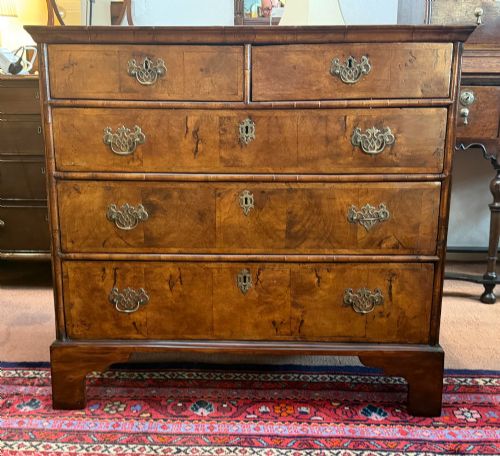
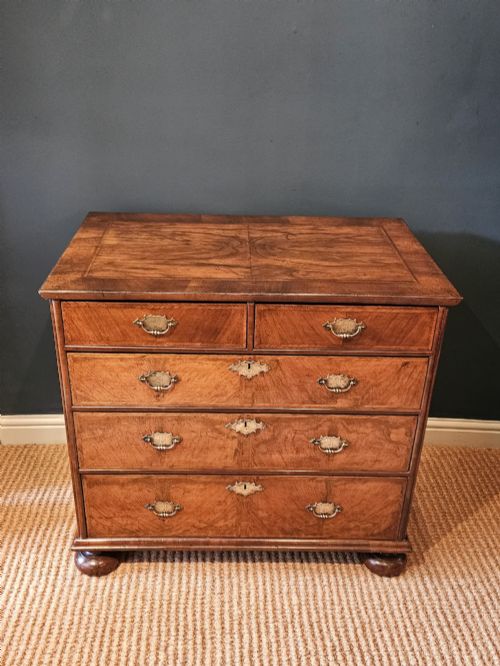
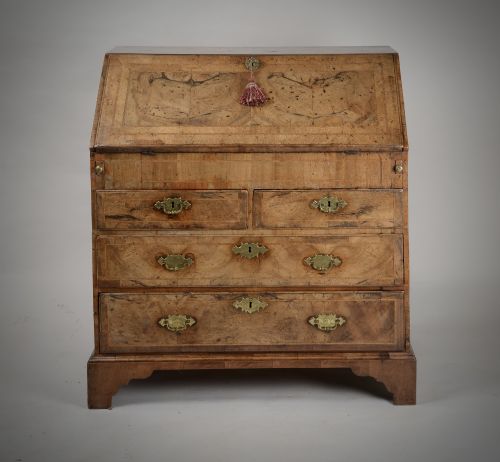
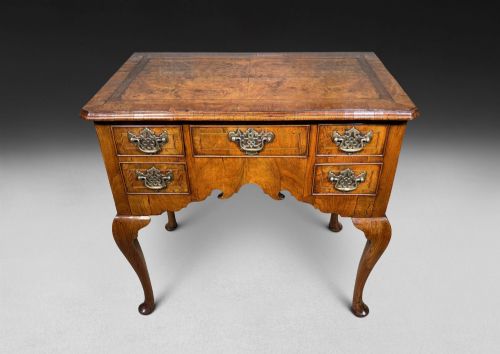
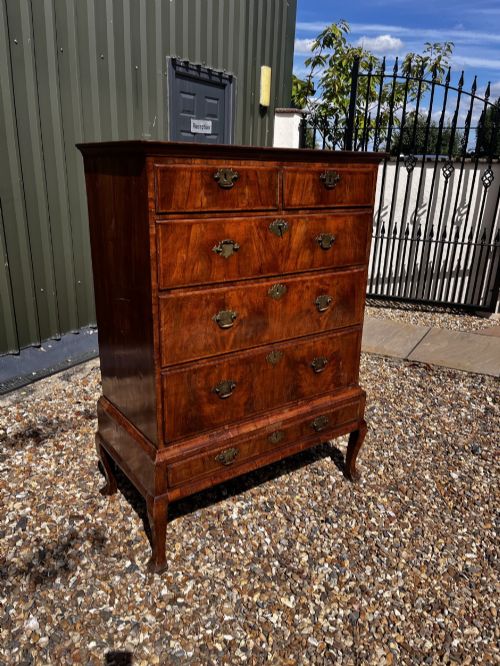
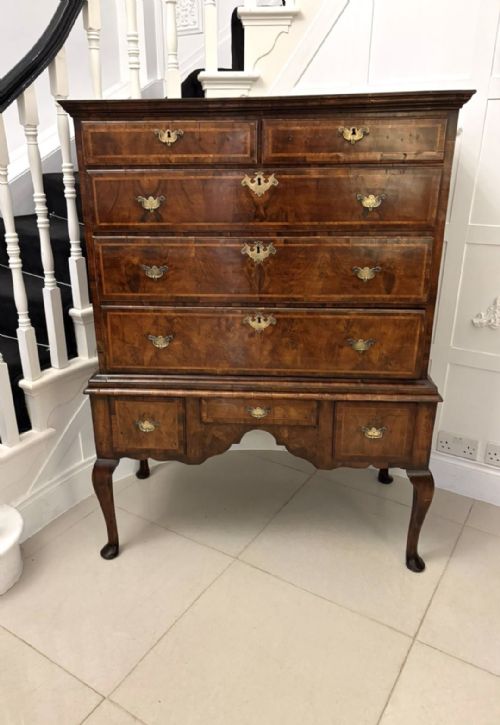
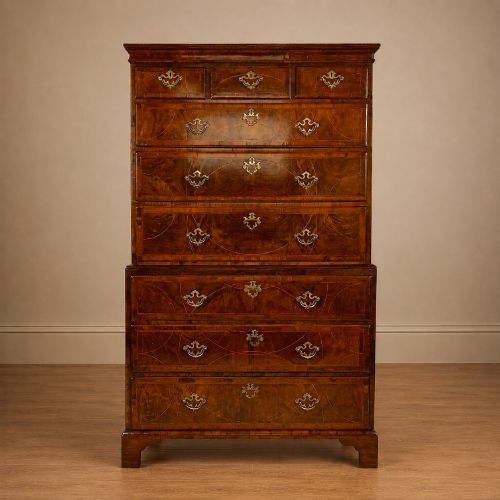
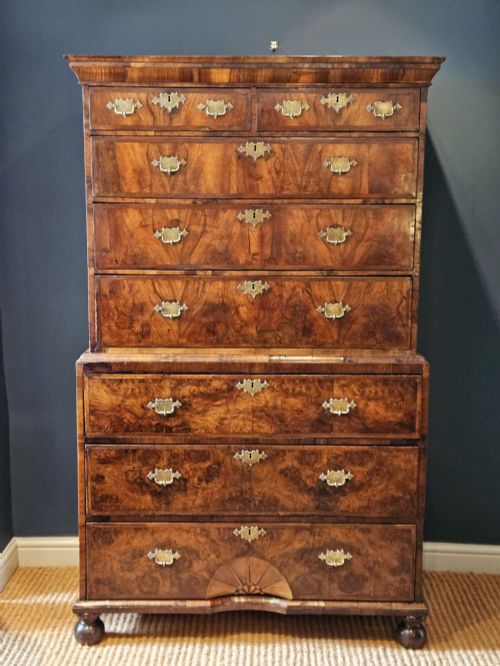
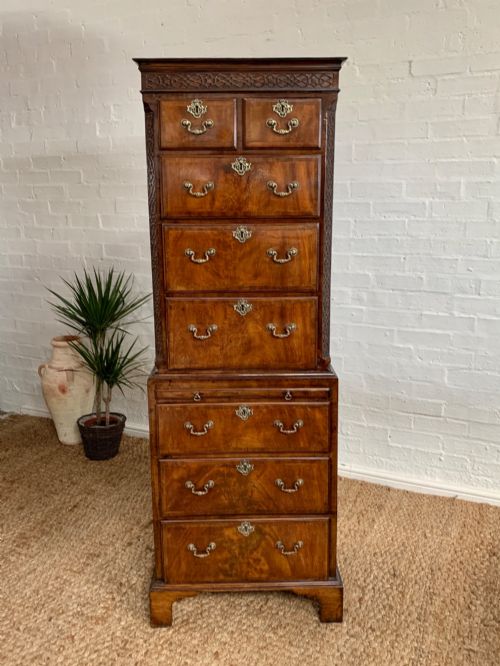
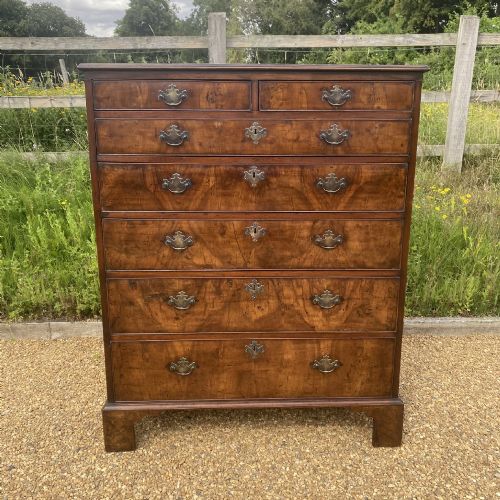
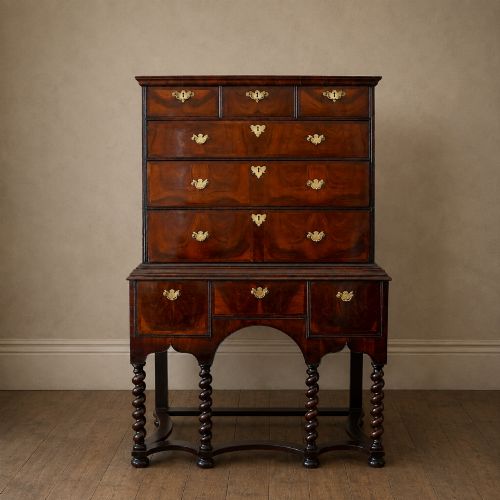
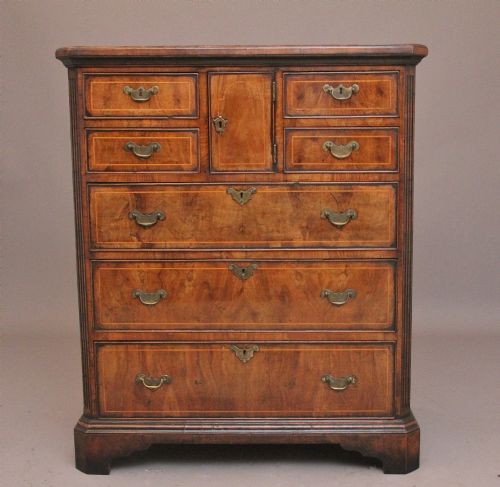
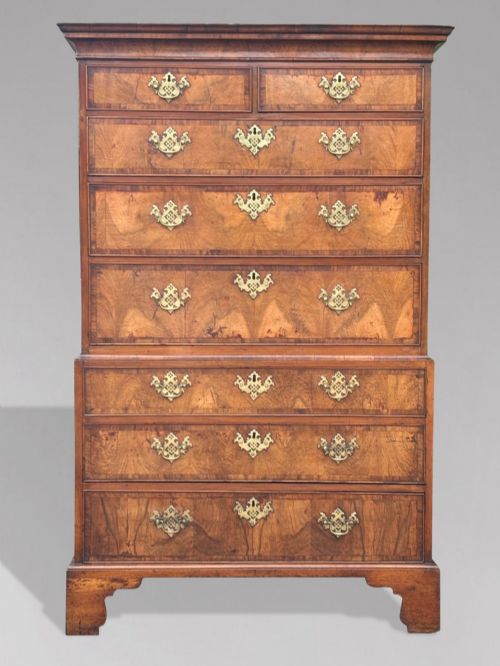
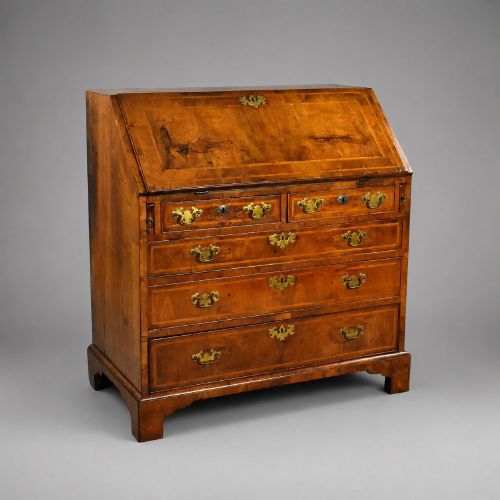
When you search for george i walnut drawers, you enter a field of early eighteenth-century furniture designed for storage and display. The selection on this page ranges from compact lowboys and dressing chests to towering chest on chests and bureaus.
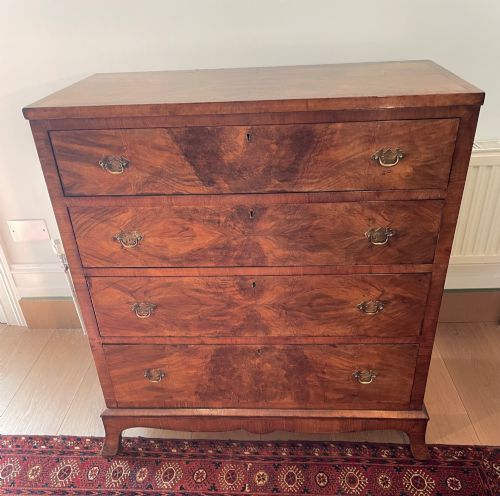
The dominant forms are chests of drawers, often arranged in two over three proportions, alongside tallboys and bureau bookcases. While many pieces date directly to the Georgian period, later revivals from the nineteenth and twentieth centuries also appear.
Makers of the era utilised native and imported timbers, shaping them into functional items that suited the domestic interiors of the time. Buyers encounter both plain walnut surfaces and highly figured veneers framed by delicate banding.
How they were made
Cabinet makers constructed the primary carcases using secondary woods such as oak and pine, applying walnut and burr walnut veneers to the visible exterior surfaces. These veneers were carefully matched to create symmetrical patterns across drawer fronts and tops.
Decorative detailing relied on precision joinery, including herringbone banding, crossbanding, and feather-banded borders. Brass drop handles and escutcheons secured to the drawer faces complemented the dark, rich grain of the timber.
Makers occasionally hid secret compartments inside bureau bookcases for keeping private correspondence safe from prying eyes.
What varies in quality
The visual impact of the timber sets exceptional examples apart, particularly the depth of figure in burr walnut and the preservation of original sunburst or feather-banded inlays. Grain selection and the symmetry of veneered panels dictate the refinement of the piece.
Integrity of construction also defines the standard, observable in the tightness of drawer dovetails and the retention of period brass hardware. Pieces retaining their original feet, stands, and untouched surface patination command greater appreciation.
The George I Walnut Drawers Glossary
- Burr walnut
- Timber harvested from the warted growths of walnut trees, yielding a turbulent, highly decorative grain pattern. Cabinet makers prized this wood for veneering prominent surfaces.
- Feather banding
- A decorative inlay technique using small strips of veneer laid diagonally to form a herringbone pattern resembling a feather. It frames the borders of drawer fronts and tabletops.
- Lowboy
- A small side table featuring one or more rows of drawers, commonly used as a dressing table or writing desk. These pieces often stand on slender cabriole legs.
- Chest on chest
- A tall storage unit formed by stacking a smaller chest of drawers directly onto a larger base chest. This two-part construction maximised vertical storage in period bedchambers.
- Crossbanding
- A strip of veneer applied to the edges of a surface where the grain runs perpendicular to the main panel. This provides a neat framing border to table tops and drawer faces.
George I Walnut Drawers: Frequently Asked Questions
What is a lowboy used for?
A lowboy served historically as a dressing table or a compact side table for holding personal items in bedchambers. Their modest proportions allowed them to fit easily into smaller rooms.
Today, buyers utilise them as hallway tables or compact desks where surface space is limited.
How do I identify a chest on stand?
A chest on stand consists of a compact drawer section raised upon an open frame with legs. This elevated design lightened the visual weight of heavy storage furniture.
They emerged strongly in the early eighteenth century and offer a distinct alternative to floor-standing chests.
What is feather banding?
Feather banding is a decorative technique where thin strips of veneer are cut and laid diagonally to create a V-shaped border. It frames drawer fronts and tops on better quality pieces.
Its presence usually indicates skilled cabinet work from the Georgian era.
How should I care for walnut furniture?
Walnut timber benefits from stable room environments away from direct heat sources and strong sunlight. Regular dusting with a soft, dry cloth preserves the polished surface.
Avoid using silicone-based polishes, relying instead on traditional wax to nourish the grain.