


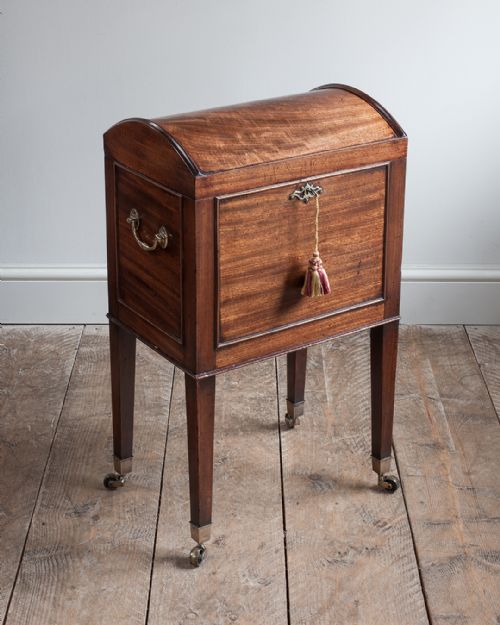


George I Chest on Legs
When you search for george i chest on legs, you are looking at elevated storage furniture built during the early eighteenth century and later revival periods.

George I Chest on Legs
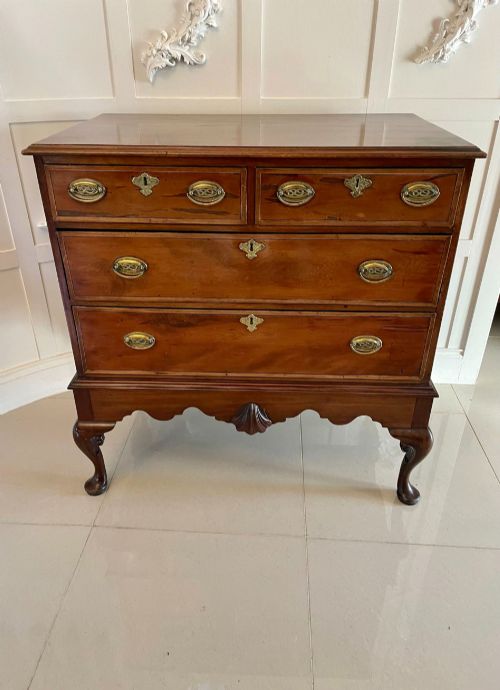
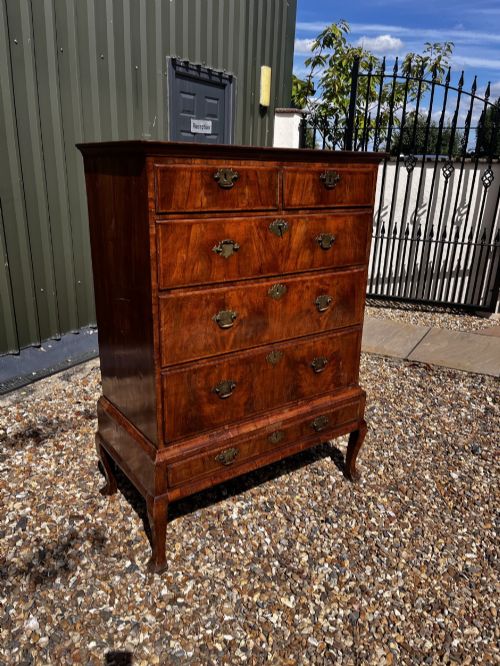
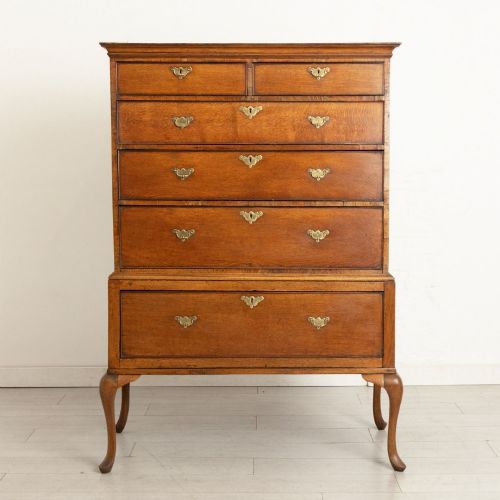
A george i chest on legs combines a compartmentalised upper storage section with a supporting stand, creating an elevated profile distinct from standard ground-standing drawer units. Buyers searching this phrase most frequently encounter authentic walnut and oak examples from the eighteenth century alongside later twentieth-century revival styles.
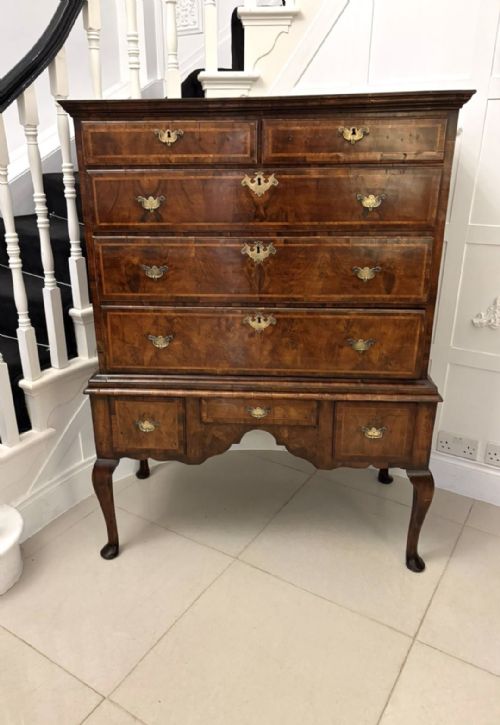
The form typically comprises a configuration of drawers arranged above a raised base supported by legs, sometimes referred to in period terminology as a chest on stand. These pieces serve as practical storage furniture whilst introducing architectural height and proportion to an interior space.
Materials and construction
Cabinetmakers utilised timber such as walnut, oak, mahogany, and fruitwood, often applying decorative veneers, oyster veneers, and crossbanding to the primary display surfaces. Grain selection dictates the visual character, with burr walnut and figured walnut appearing frequently on pieces from the early eighteenth century.
Joinery techniques involve solid timber construction alongside drawer linings in secondary woods, complemented by brass hardware including handles and escutcheons. Stands frequently feature legs shaped with cabriole profiles, anchoring the upper chest securely above the floor.
Cabinetmakers occasionally used oyster veneer cut from small branches, turning humble tree limbs into swirling wooden seascapes.
What distinguishes finer examples
Quality rests upon the choice of timber veneers and the integrity of the original construction, where careful bookmatching and symmetrical grain patterns elevate a piece above standard utility items. The crispness of geometric mouldings and the retention of period brass handles contribute significantly to the standing of an individual example.
Proportion and the harmonious relationship between the upper chest and its supporting legs dictate visual success. Original surface patination and minimal structural alteration separate pieces produced by skilled period craftsmen from later interpretations.
Hepplewhite
The George I Chest on Legs Glossary
- Chest on stand
- A form comprising a drawer chest raised on a separate or integrated leg frame. This design lifts storage off the floor to create lighter proportions.
- Cabriole leg
- A furniture leg that curves outward and then tapers inward, mimicking an animal's leg. It appears frequently on eighteenth-century stands.
- Oyster veneering
- The practice of slicing small branches horizontally to produce circular or oval veneer patterns resembling oyster shells. Cabinetmakers utilised this technique on early walnut surfaces.
- Crossbanding
- A narrow strip of veneer laid around the border of a drawer front or top with the grain running perpendicular to the centre panel. This provides a neat framing effect.
- Escutcheon
- A protective plate surrounding a keyhole, usually fashioned from brass. It guards the surrounding wood from wear caused by the key.
George I Chest on Legs: Frequently Asked Questions
What is a george i chest on legs?
A george i chest on legs is a piece of storage furniture featuring an upper section of drawers mounted upon an elevated support frame or stand.
These pieces date primarily from the early eighteenth century and combine functional compartmentalised storage with a lighter, raised architectural profile.
How were they used historically?
Historically, these items served for the secure storage of personal linens, garments, and valuables within domestic bedchambers and private rooms.
The elevated design kept contents further away from damp stone floors whilst providing a convenient height for daily access.
How do I style them at home?
Living with these pieces involves placing them in hallways, living rooms, or bedrooms where their vertical proportions and timber grains can be appreciated.
Because of their raised stands, they occupy visual floor space differently than heavy ground-standing chests, allowing light to pass underneath.
How do I tell periods apart?
Distinguishing periods relies on observing timber choices, leg profiles, and hardware styles across the construction.
Early eighteenth-century pieces often display walnut veneers and cabriole legs, whereas later nineteenth and twentieth-century examples incorporate distinct revival characteristics and different secondary woods.