






Geometric Woven Art
Geometric woven art brings together the striking patterns of tribal textiles, rugs, and wall hangings to anchor a room with history and structure.
Geometric Woven Art
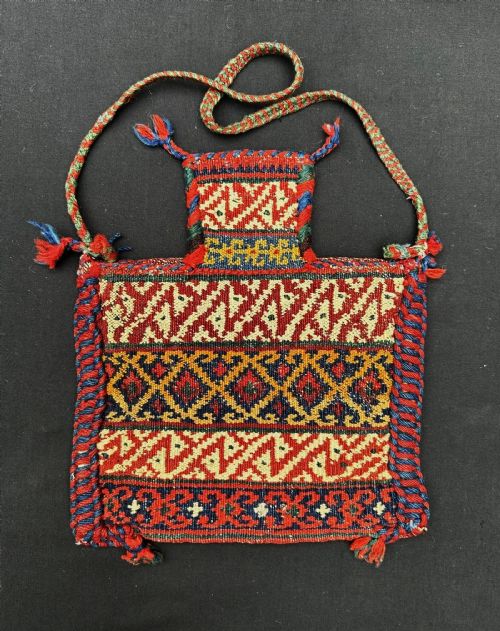
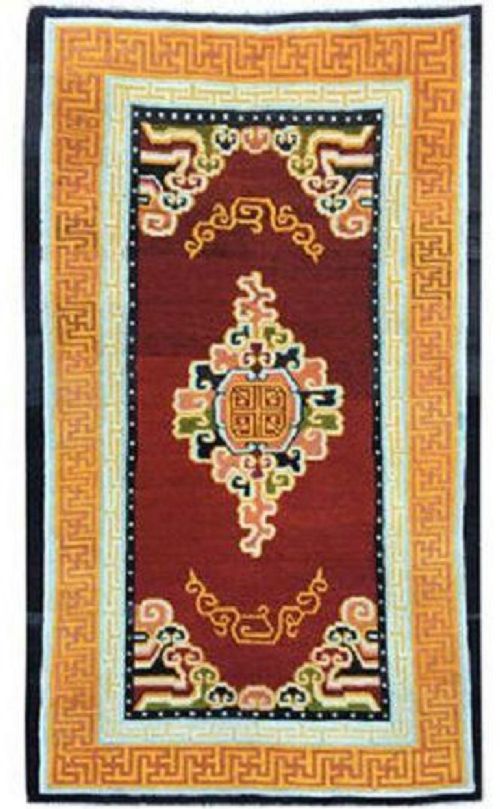
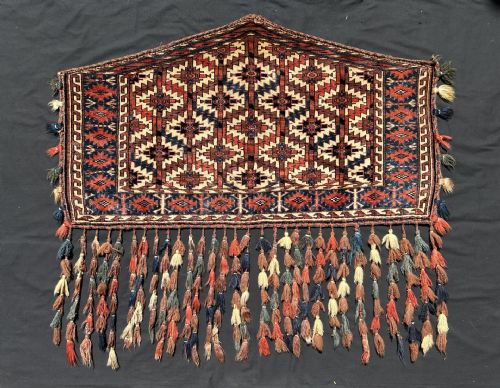
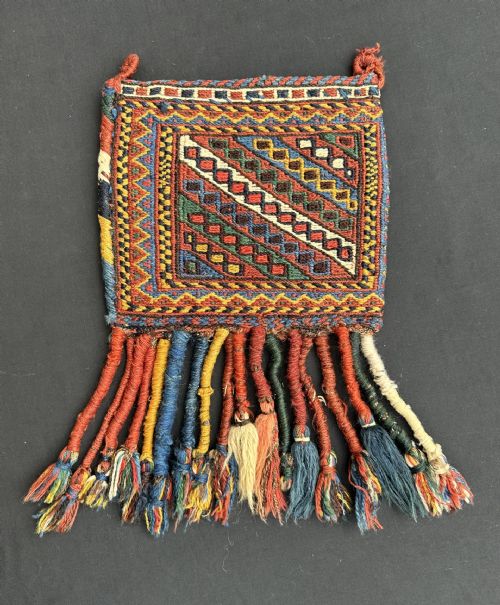
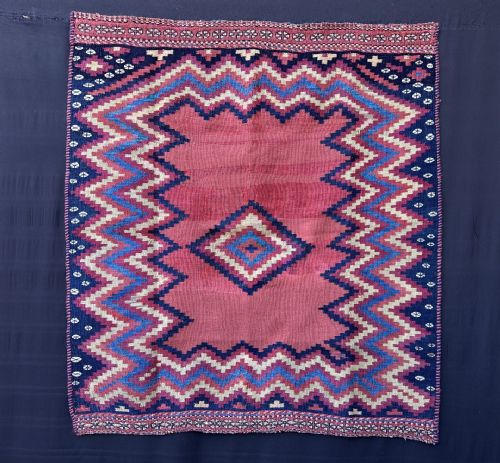
When you search for geometric woven art, you encounter a selection of nomadic bags, tribal textiles, rugs, and wall hangings originating from Persia, Central Asia, the Caucasus, and Africa. These pieces range from nineteenth-century salt bags and asmalyks to early twentieth-century kilims and raffia tapestries, displaying centuries of distinct weaving traditions.
The objects on this page lean heavily towards utilitarian items repurposed as decorative elements, such as saddle bags, storage pouches, and bread sofrehs. Tribal weavers constructed these functional pieces using wool and cotton, embedding intricate motifs that now serve as visual centrepieces on walls and floors.
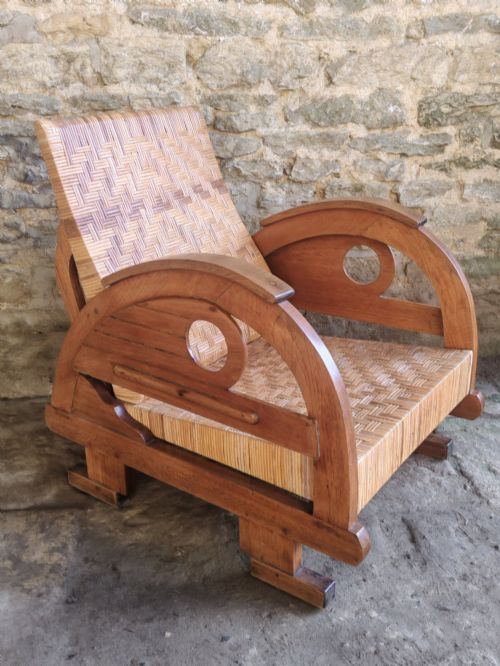
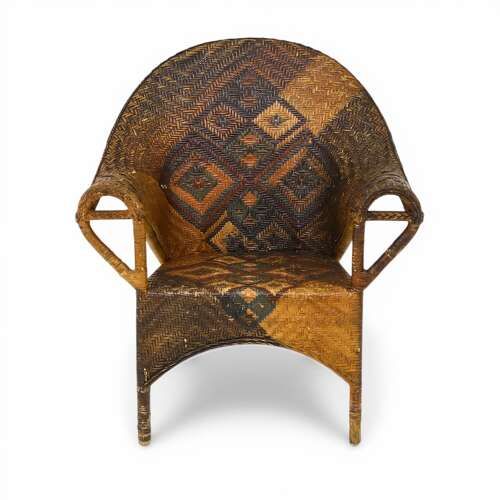
Alongside textiles, the selection extends to seating options through Arts and Crafts and Art Deco armchairs utilising rattan, cane, and wood. These seating pieces introduce structural geometry to complement the linear patterns found in the textile works.
Materials and construction methods
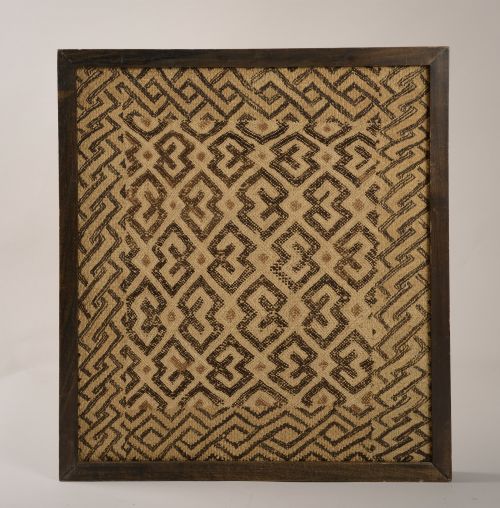
Makers relied primarily on wool and cotton as foundational fibres, often combined with natural dyes to achieve lasting colour depth. Specific items like Kuba cloth and tapestries utilise raffia, while furniture pieces incorporate cane, rattan, and wood.
Techniques varied by region, ranging from soumak work on Persian salt bags to flat-woven kilim construction and pile weaving on Turkmen torbas. Artisans worked by hand on traditional looms, ensuring each textile maintained structural integrity alongside its complex pattern.
Materials represented across the selection include wool, cotton, rattan, wood, and raffia.
Distinguishing quality in weaving and design
Quality rests in the precision of the weave and the clarity of the tribal motifs, where tighter knotting and disciplined symmetry separate finer workshop or nomadic output from standard production. The vitality of the natural dyes used in the wool or cotton also dictates the visual impact of the piece over time.
Structural preservation defines the upper tier of these items, particularly in nineteenth-century bags and twentieth-century armchairs where original materials remain intact. Pieces that retain their full form, whether a woven chuval or a wicker frame, demonstrate superior durability and historical survival.
Dryad Co
The Geometric Woven Art Glossary
- Soumak
- A flat-weaving technique that wraps supplementary weft threads around the warp to produce a textured, durable surface. This method appears frequently on Persian salt bags.
- Asmalyk
- A large, pentagonal trapping produced by Turkmen tribes, traditionally used to decorate camel flanks during wedding processions. These display complex geometric guls.
- Sofreh
- A flat-woven spread used for processing or serving bread in Persian households. They often feature strong linear boundaries and minimalist tribal symbols.
- Kuba cloth
- A textile woven from raffia palm fibre by peoples in Central Africa, noted for geometric cut-pile embroidery and patchwork designs. Framed examples function directly as wall art.
- Okbash
- A small, tapered Turkic container designed to hold the wooden stem of a nomadic tent. They are prized by collectors for their dense tribal iconography.
Geometric Woven Art: Frequently Asked Questions
What is geometric woven art?
Geometric woven art encompasses authentic tribal textiles, nomadic bags, kilims, and wall hangings defined by repeating patterns and linear motifs. These objects originate from diverse cultures across Persia, Central Asia, the Caucasus, and Africa.
Items range from nineteenth-century saddle bags and storage pouches to twentieth-century raffia tapestries and framed textile fragments. Each piece reflects the traditional design vocabulary of the specific tribe or region that produced it.
How were tribal bags used?
Nomadic tribes utilised woven bags for practical storage and transport during migration, holding salt, pipes, bread, and personal belongings. Items like salt bags and saddle bags were essential components of daily nomadic life.
Over time, these utilitarian objects transitioned into decorative pieces, appreciated for their portable artistry and complex regional weaving techniques.
How do I hang a textile?
Hanging a textile requires weight distribution across the top edge to prevent stretching or fibre damage over time. Methods include using a non-invasive sleeve stitched to the reverse or specialised display clips.
Ensure the piece hangs away from direct sunlight and high humidity to protect natural dyes and organic wool or cotton fibres from degradation.
How can I tell regions apart?
Regional styles reveal themselves through specific colour palettes, wool qualities, and structural motifs unique to each tribal group. For instance, Caucasian Kazaks display bold primary colours and sharp geometric polygons.
In contrast, Turkmen pieces often feature deep madder reds and repeating octagonal guls, while Persian Afshar weavings incorporate intricate blue and red field patterns.