


Geometric Wool Textile
A geometric wool textile brings tactile warmth and ancient pattern into a room, offering a tangible connection to nomadic tribal artistry.
Geometric Wool Textile
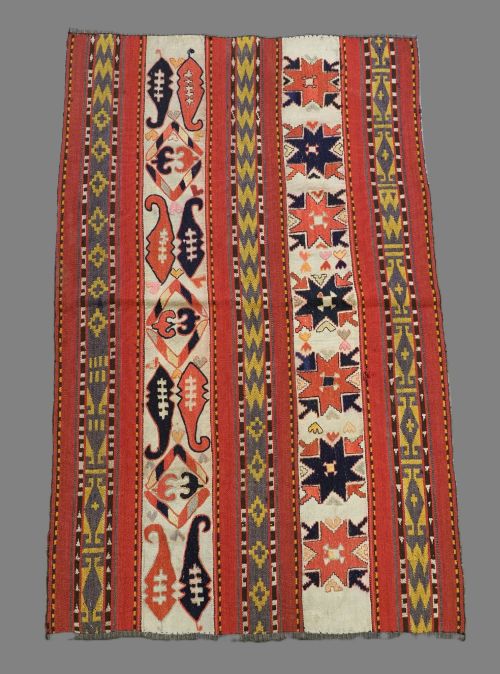
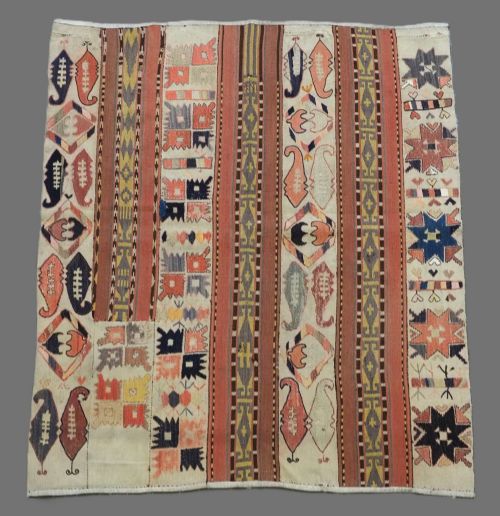
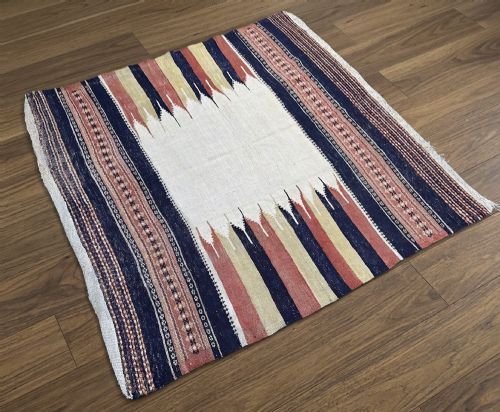
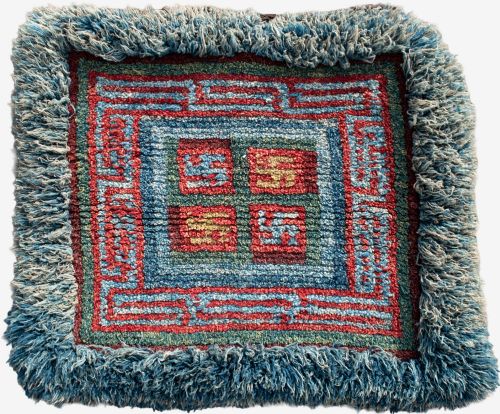
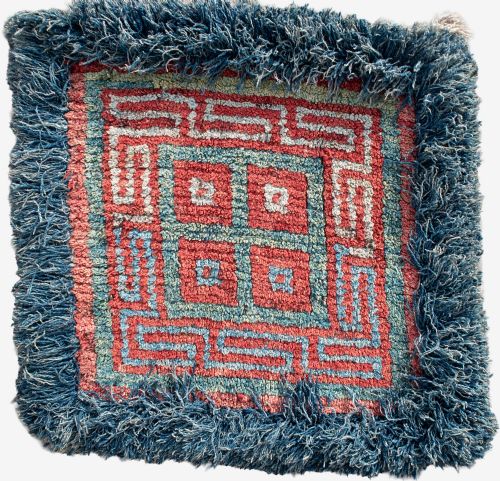
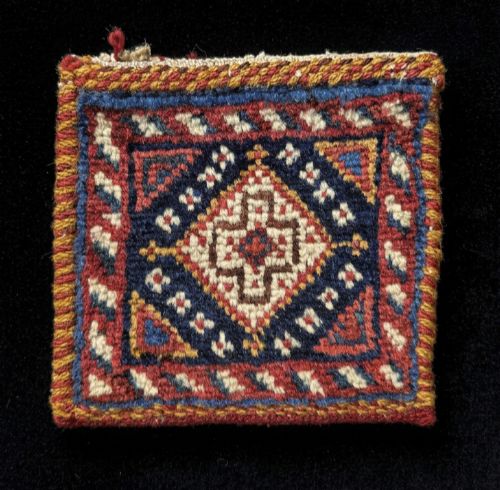
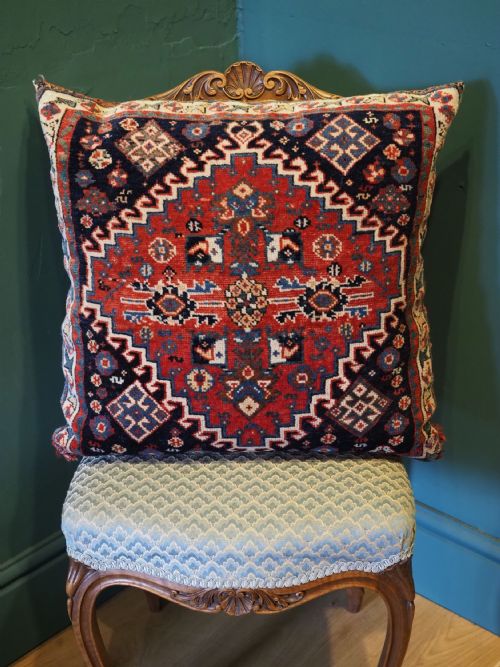
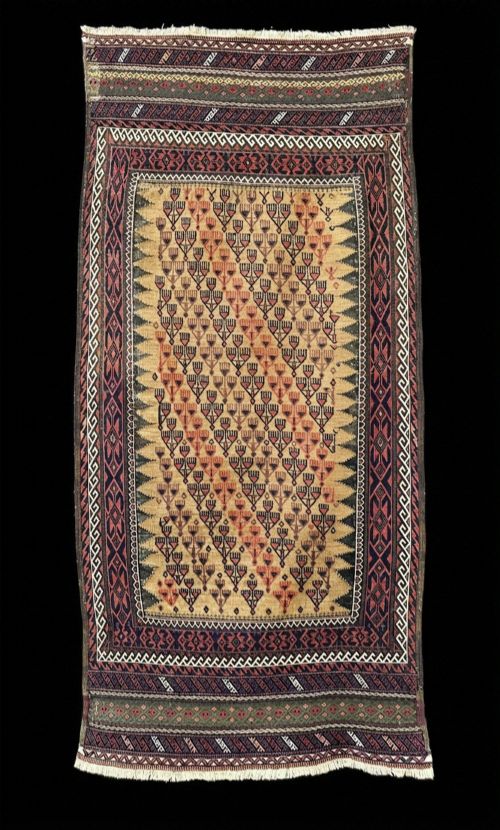
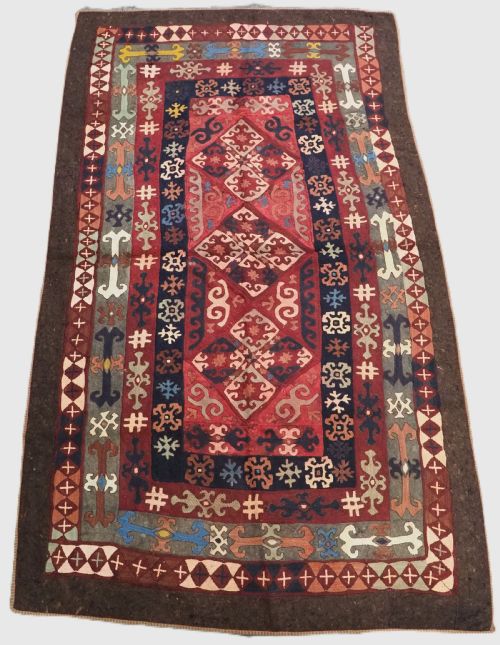
A geometric wool textile encompasses tribal rugs, flatweaves, wall hangings, and utilitarian bags originating from nomadic and village communities across Central Asia, Persia, and the Caucasus.
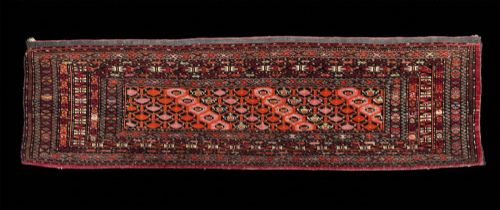
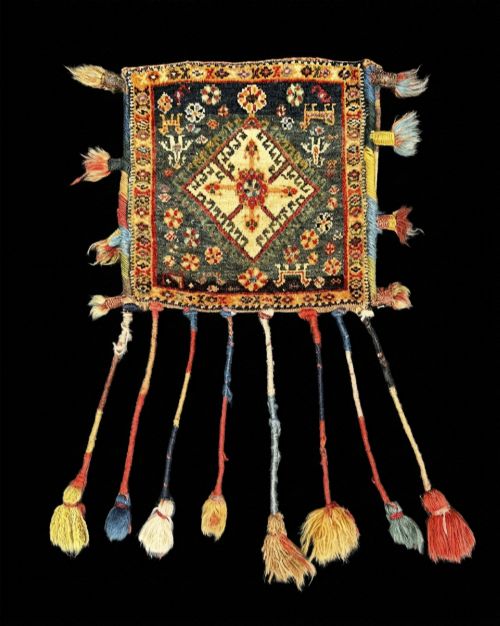
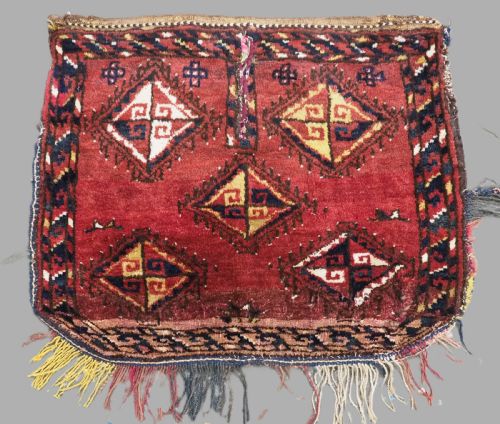
The selection centres heavily on functional pieces created for daily nomadic life, including saddle bags, storage sacks, tent bands, and floor coverings.
Pieces span from the mid-nineteenth century through the early twentieth century, reflecting the distinct tribal heritages of groups such as the Yomut, Ersari, Afshar, and Shahsevan.
Construction and materials
Weavers relied primarily on hand-spun wool for the pile and foundation, often supplemented by cotton and linen for structural strength, and occasionally incorporating felt or leather details.
Colour derives from natural dyes applied to fleece, creating subtle tonal variations across geometric lattices, guls, and border motifs as the dye matures over decades.
Techniques range from pile knotting to intricate flatweave methods such as sumac and plain weave, executed on portable horizontal looms set up in camps.
Geometric Wool Textile Retail Price Guide 2026
Typical asking prices for geometric wool textile among the pieces listed under this phrase on Sellingantiques today, from the lower quarter to the upper quarter. They describe what is for sale here now, not the wider market.
Materials documented in the inventory include hand-spun wool, natural dyes, cotton, linen, felt, and leather.
Assessing visual and material standard
The distinction lies in the purity of the natural dyes, the crispness of the geometric drawing, and the fineness of the spin and knotting or weave structure.
Examples that retain original side cords, tassels, and complete plain-weave backs demonstrate superior preservation and authentic functional integrity.
Proportion, balance within the repeat patterns, and the density of the wool foundation elevate certain tribal items above standard utility pieces.
The Geometric Wool Textile Glossary
- Asmalyk
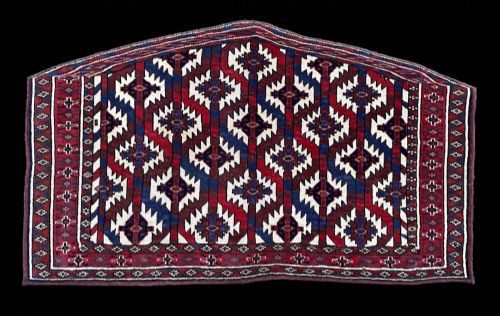
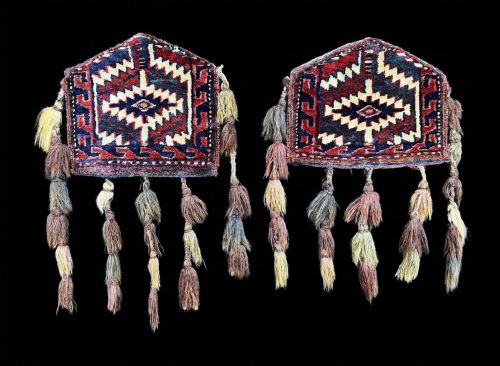
- A pentagonal trapping traditionally mounted on the flank of a camel during Turkmen wedding processions. These pieces display elaborate geometric güls and detailed secondary ornamentation.
- Khorjin
- A traditional pair of saddle bags used by nomads for transport and storage of household goods. They feature strong structural flatweave backs and highly ornamented faces.
- Sofreh
- A plainweave or patterned spread used for dining or for handling flour and dough during bread preparation. They display striking minimalist or geometric compositions.
- Torba
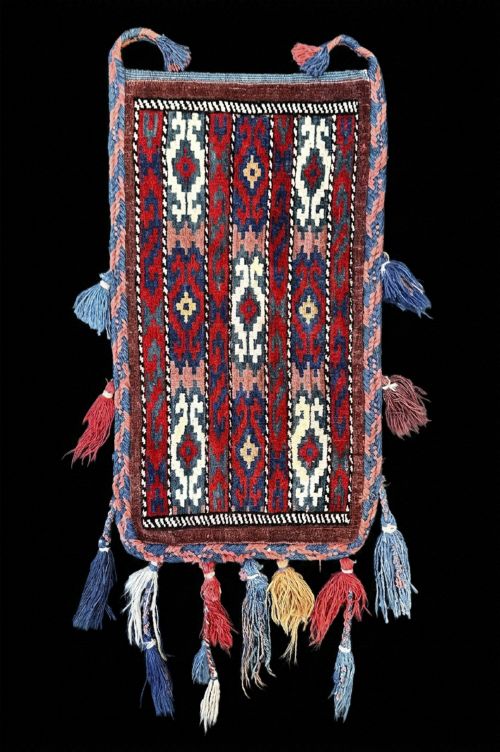
- A small rectangular storage bag used inside a nomadic tent. They were frequently hung from tent poles to hold personal possessions and small utensils.
- Sumac
- A supplementary weft-wrapping technique that produces a durable, textured fabric with a clean front face and floating threads on the reverse.
Geometric Wool Textile: Frequently Asked Questions
How were these textiles used by nomads?
Nomadic tribes utilised these woven objects for practical daily survival, packing grain, salt, and personal items into specialised bags for transport across harsh terrain.
They also functioned as bridal trappings, floor coverings, and wall hangings that insulated tents against severe weather while displaying tribal identity.
How do I care for an antique wool textile?
Protect the wool by keeping the textile away from direct, prolonged sunlight to prevent natural dye fading. Vacuum gently with a suction-only attachment and no rotating brush.
Allow air circulation underneath wall hangings and consult a specialist textile conservator for professional cleaning rather than attempting wet washing at home.
What distinguishes different tribal designs?
Tribes employed specific structural formats and distinct primary motifs, such as the octagonal güls of Turkmen groups or the hooked medallions of Shahsevan weavers.
Palette choices, border structures, and wool preparation further separate regional outputs across Central Asia, the Caucasus, and Persia.
Are flatweave and pile pieces made differently?
Pile pieces are constructed by knotting individual strands of wool onto a warp foundation and shearing the ends to create a plush surface. Flatweaves achieve pattern through interlacing warp and weft threads without creating a raised pile.
Both techniques required months of preparation, from carding and spinning fleece to gathering plants for natural dyeing.