





Authentic Nomadic Weaving
Authentic nomadic weaving brings together rugs, bags, and saddlebags made by tribal groups across Central Asia, Persia, and Anatolia during the nineteenth and early twentieth centuries.
Authentic Nomadic Weaving
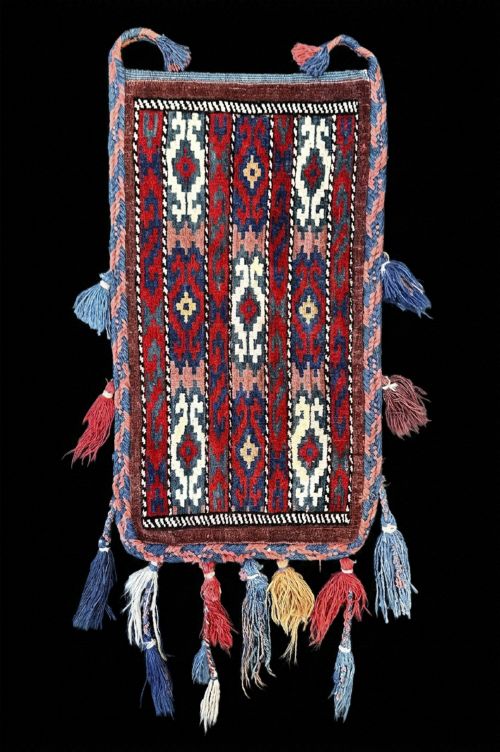
Authentic nomadic weaving encompasses utilitarian textiles produced by tribal and village groups for daily use within pastoral households. Buyers searching for authentic nomadic weaving encounter functional items such as torbas, chuvals, salt bags, saddlebags, and sofres alongside larger carpets.
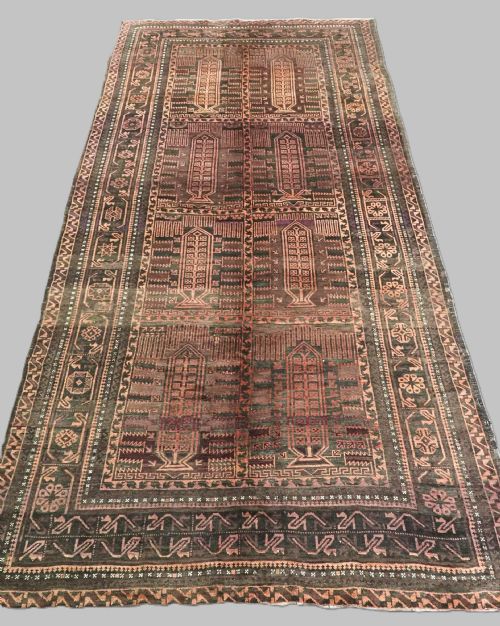
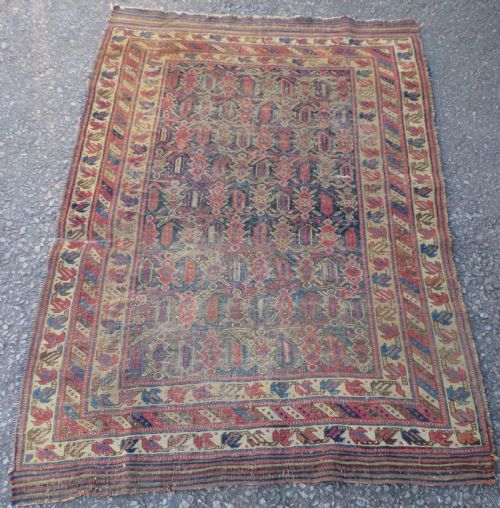
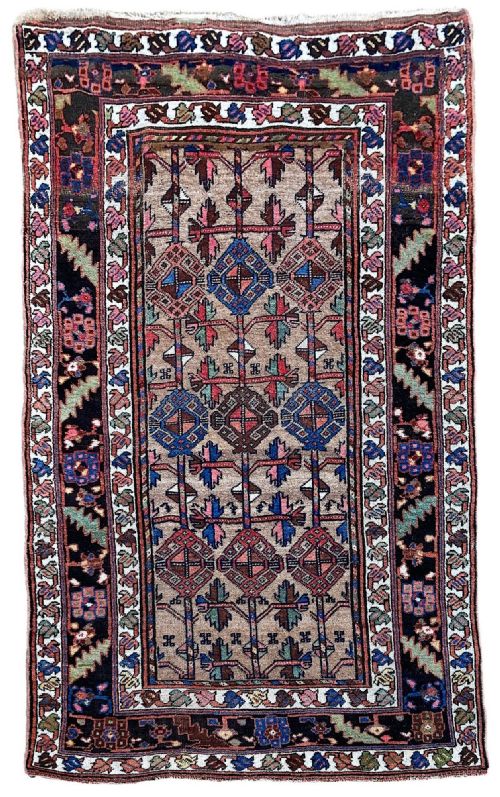
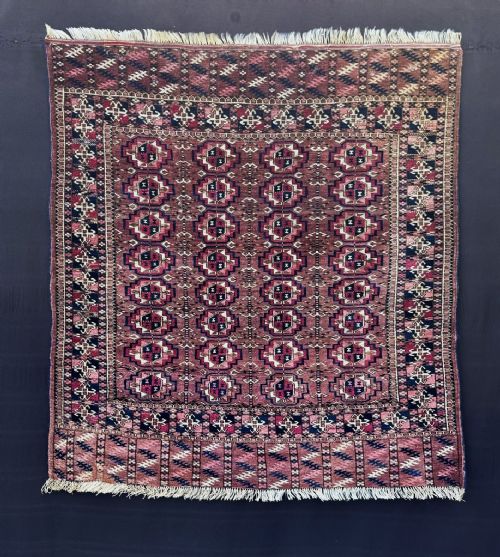
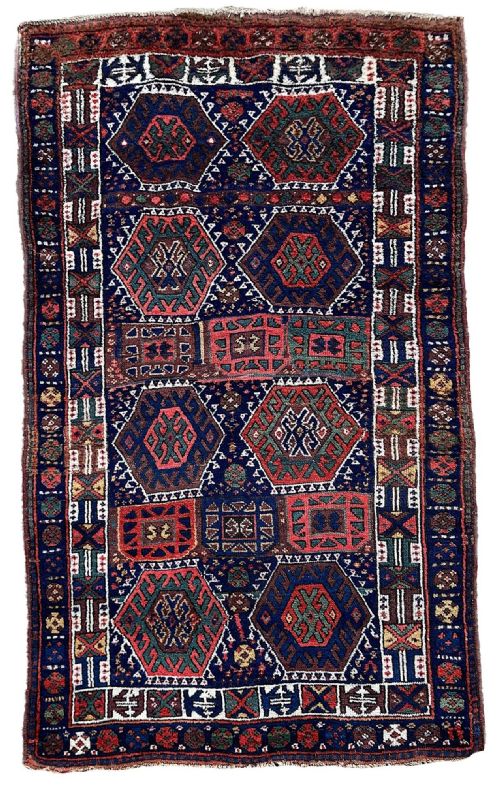
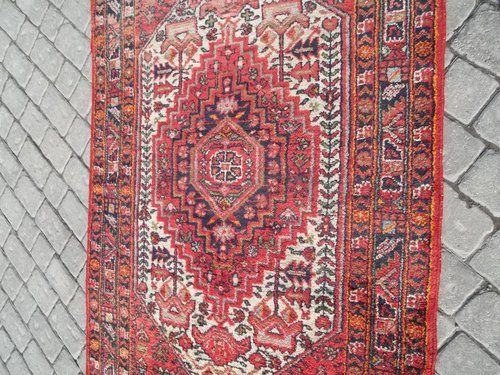
The pieces originating from this tradition date from the nineteenth century into the early twentieth century. Common tribal attributions include Turkmen, Baluch, Kurdish, Afshar, Bakhtiari-Lor, Khamseh, Qashqai, and Yuruk groups.
Most examples serve specific domestic purposes, functioning as grain sacks, bread spreads, bedding bags, or horse blanket covers. Their construction reflects the migratory lifestyle of makers who utilised locally available materials for practical daily requirements.
Materials and construction methods
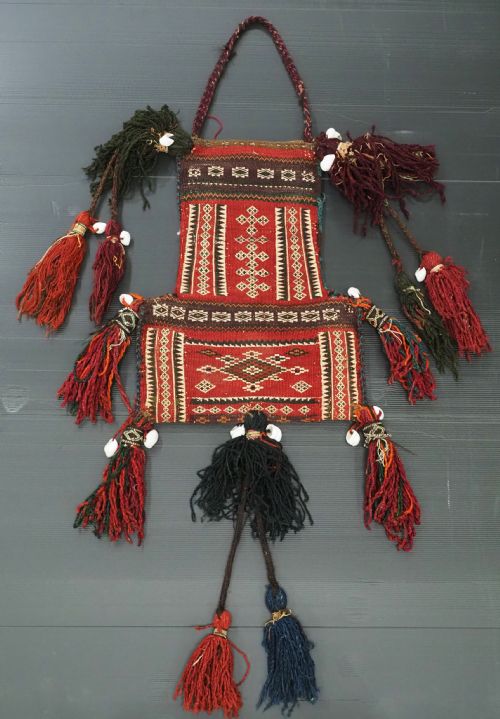
Weavers relied primarily on hand-spun wool and natural dyes to produce durable textiles with rich colour variations. Additional structural or decorative elements incorporate cotton, goat hair, leather, and cowrie shells.
The technical execution combines pile knotting and flatweave construction, often completed with original plain weave backs on storage bags. Artisans worked within traditional tribal designs passed down through generations, utilising upright or horizontal ground looms set up seasonally during migrations.
Authentic Nomadic Weaving Retail Price Guide 2026
Typical asking prices for authentic nomadic weaving among the pieces listed under this phrase on Sellingantiques today, from the lower quarter to the upper quarter. They describe what is for sale here now, not the wider market.
Listings span periods from eighteen-seventy up to nineteen-twenty, featuring wool, cotton, goat hair, leather, and cowrie shells.
Factors determining quality
Quality rests upon the purity of the hand-spun wool, the depth and clarity of the natural dyes, and the tightness of the knotting or weave. Superior pieces retain crisp tribal motifs and balanced proportions across the field.
The presence of original backs on storage bags, such as torbas and chuvals, elevates an example's integrity. Completeness of original edges, absence of heavy restoration, and well-preserved structural integrity distinguish the finest survivals from heavily worn items.
Yomut Tribes·Teke Tribes·Bakhtiari-Lor Tribes·Zaggar Mengal Baluch Nomads·Ersari Turkmen·Qashqai Tribes·Luri-Bakhtiari Tribes·Lor Tribes
The Authentic Nomadic Weaving Glossary
- Torba
- A small wall-hanging bag used by Turkmen tribes for domestic storage. These pieces frequently feature distinctive gul motifs and original plain weave backs.
- Chuval
- A large tent bag produced by Turkmen weavers to store bedding and household goods. They often display multiple guls arranged in symmetrical rows.
- Sofre
- A flatwoven spread or cloth utilised for dining, kneading dough, or serving bread. Lor and Afshar tribes wove these functional textiles in wool and natural dyes.
- Namakdan
- A specialised narrow-necked bag woven by Baluch nomads for holding rock salt. Their distinctive shape serves the practical needs of pastoral transport.
- Gul
- A medallion pattern repeated across Turkmen carpets and bags. Each design identifies specific tribal groups and sub-branches.
- Ensi
- A Turkmen door rug hung at the entrance of a yurt. These textiles typically feature a C-chevon border and a quartered central field.
Authentic Nomadic Weaving: Frequently Asked Questions
What is an authentic nomadic weaving?
Authentic nomadic weaving refers to handmade utilitarian textiles produced by tribal and pastoral groups for their own domestic use. These items include storage bags, animal covers, and floor coverings made during the nineteenth and early twentieth centuries.
Unlike urban workshop carpets designed for export, these pieces reflect regional tribal aesthetics and the practical demands of a migratory lifestyle. They utilise local materials like hand-spun wool and natural dyes.
How were nomadic bags used?
Storage bags such as torbas and chuvals served as portable wardrobes inside tents, holding blankets, clothing, and household provisions. Specialised containers like salt bags and wheat sacks met specific agricultural and culinary needs.
Many bags feature sturdy flatweave backs and suspension loops for hanging against lattice walls. Their durable construction protected contents from dampness and dust during transit.
How do I identify tribal designs?
Tribal attributions rely on specific structural formats, colour palettes, and repeating motifs unique to individual groups. Turkmen weaving often incorporates oktagon guls, while Baluch pieces display banded weft work and rich dark wools.
Analysing the border patterns, end finishes, and materials provides further clues to geographic origin. Different nomadic confederations maintained distinct visual vocabularies passed down through generations.
Can I use these textiles on the floor?
Many woven pieces function successfully as floor coverings in low-traffic areas of the home. Smaller bags and animal covers are better suited for wall display or placement on furniture to prevent excessive wear.
Placing a breathable underlay beneath carpets helps protect the foundation fibres and prevents slipping. Regular gentle rotation ensures even exposure to light and foot traffic.