

Blue Wool Nomadic Bag
A blue wool nomadic bag brings the rich textile traditions of pastoral tribes directly into modern interiors.
Blue Wool Nomadic Bag
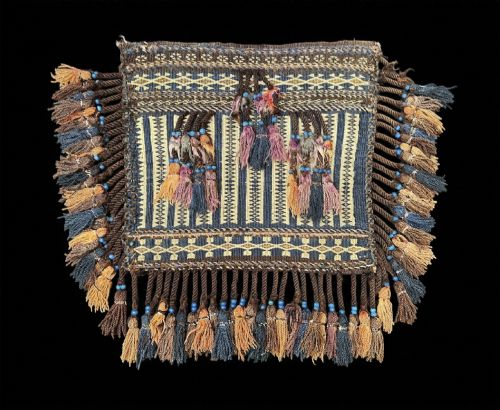
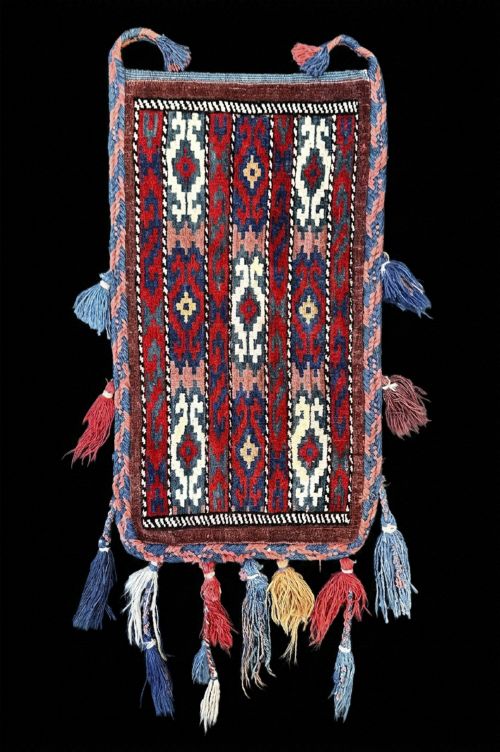
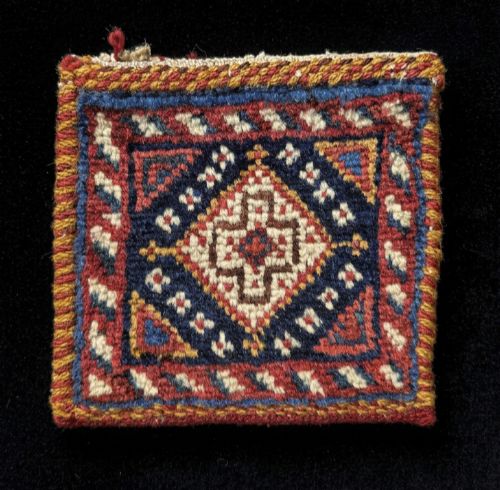
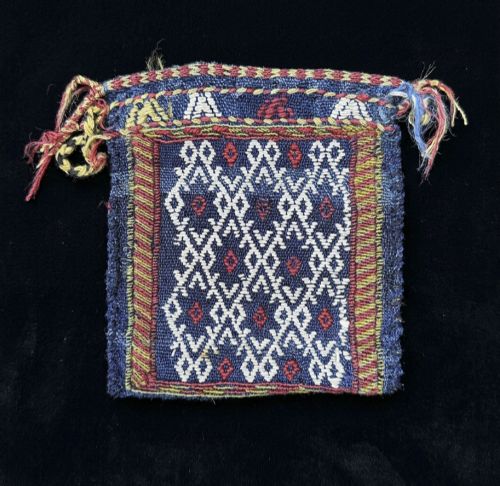
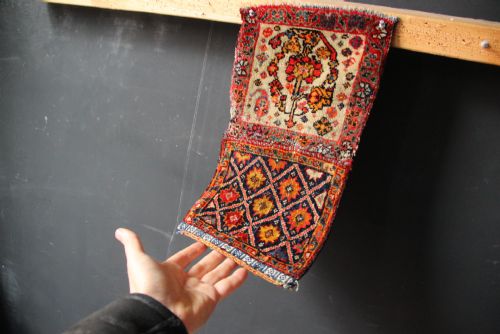
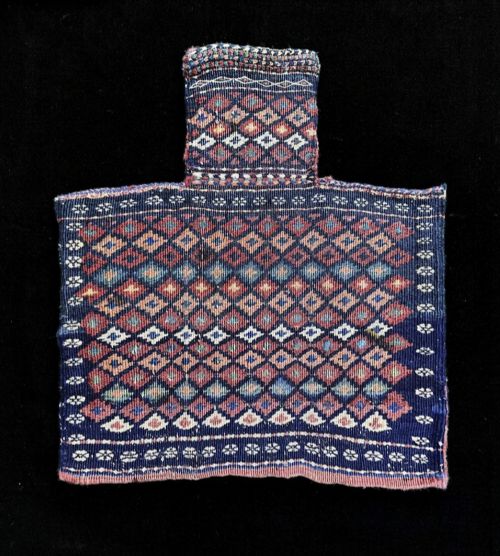
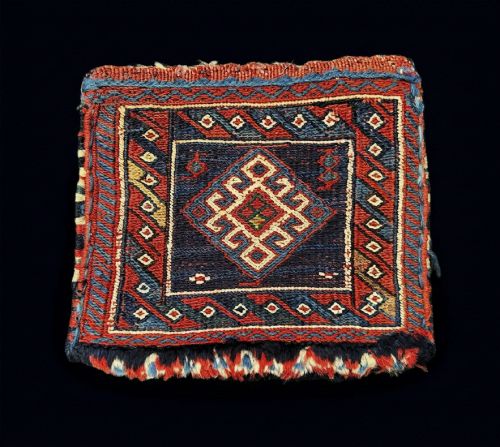
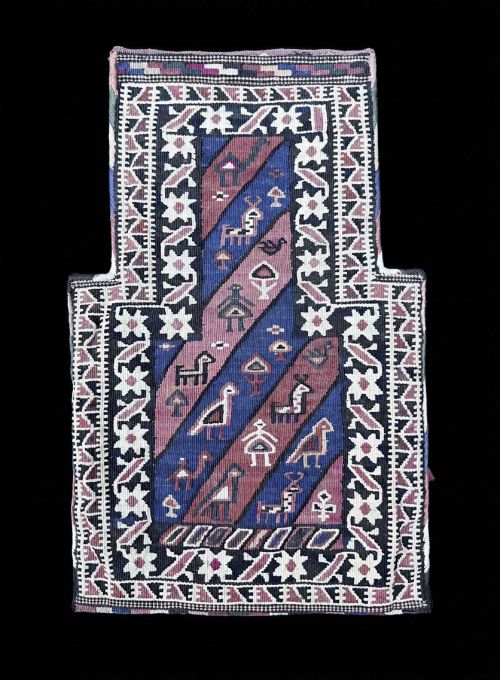
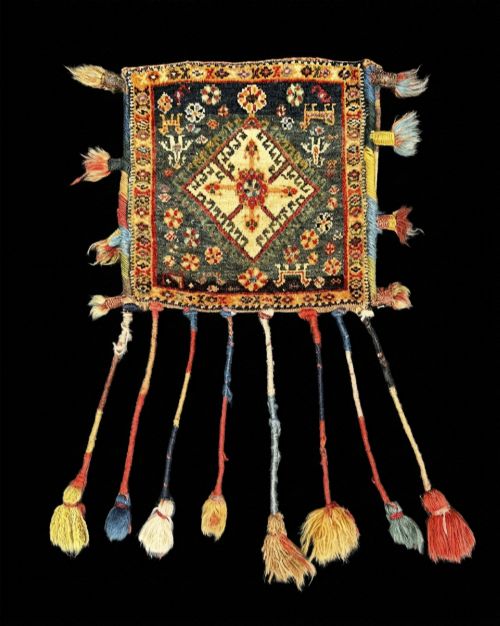
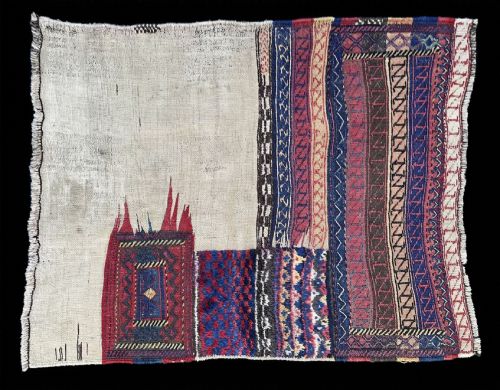
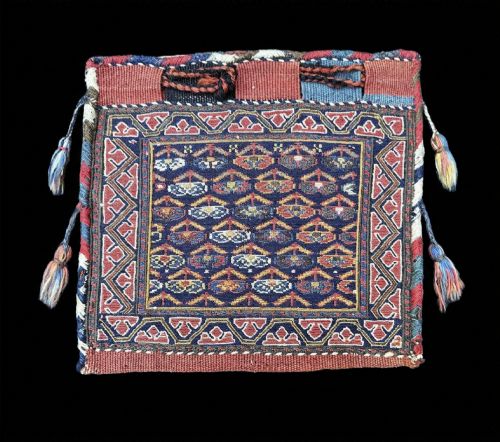
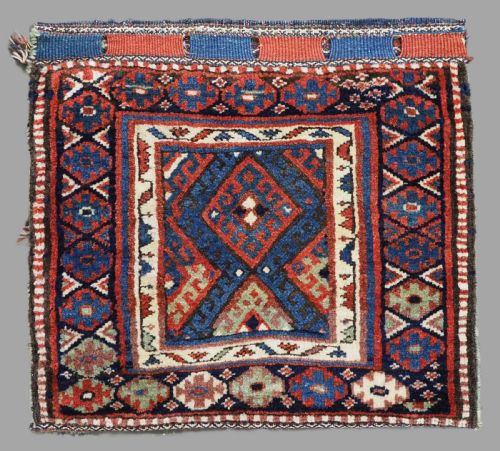
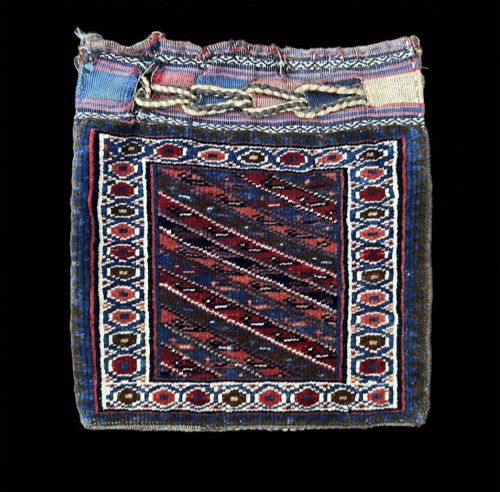
A blue wool nomadic bag represents utilitarian weaving produced by tribal groups across Persia, the Caucasus, and Central Asia during the nineteenth and early twentieth centuries. These pieces encompass specific functional forms including saddlebags, vanity bags, salt bags, spindle holders, and grain sacks created for daily migration and domestic storage.
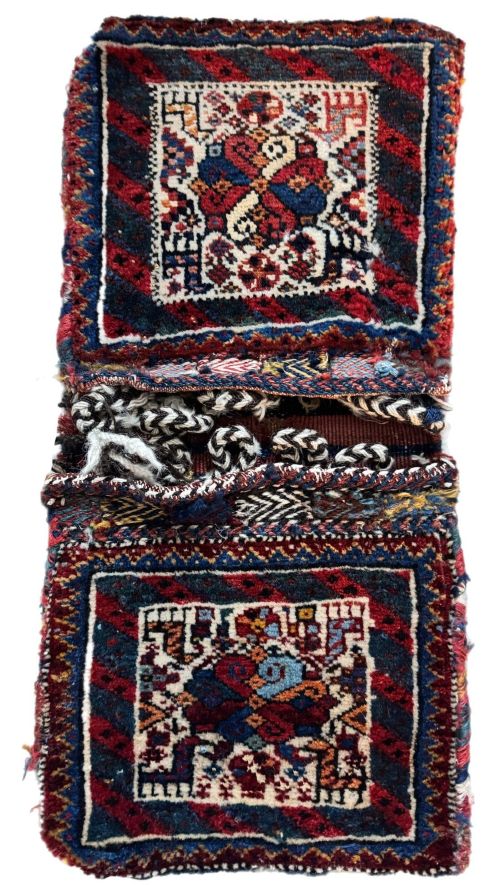
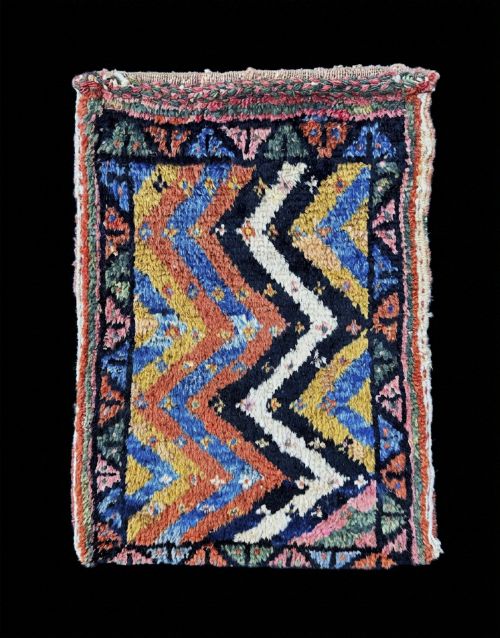
The most common formats encountered on this page are saddlebag faces and complete storage pouches woven by confederacies such as the Qashqai, Afshar, Lori-Bakhtiari, Kurdish, and Shahsavan groups. Pieces range from small chantehs and bird bags to larger khorjin pairs, showcasing regional dyeing traditions dominated by deep indigo grounds.
Makers utilised locally sourced materials to construct containers intended to withstand harsh nomadic conditions while displaying distinct tribal motifs and geometric iconography unique to each clan or sub-tribe.
Materials and construction
Weavers relied primarily on hand-spun wool for the pile and foundation, occasionally incorporating goat hair for added durability along selvedges and plain-weave backs. Natural dyes, most notably rich indigo for blue shades, provided the enduring colour palette that defines these nomadic textiles.
Construction techniques varied according to the intended function of the bag, combining pile knotting with flatweave structures such as sumac or plain weave. Glass beads were occasionally integrated into specific tribal containers as decorative accents.
Blue Wool Nomadic Bag Retail Price Guide 2026
Typical asking prices for blue wool nomadic bag among the pieces listed under this phrase on Sellingantiques today, from the lower quarter to the upper quarter. They describe what is for sale here now, not the wider market.
Listings demonstrate production dates spanning from the mid-nineteenth century through the early twentieth century, originating primarily from Persian and Caucasian tribal groups.
Assessing quality
Quality in these nomadic bags rests on the handling of the wool and the depth of the natural dyes, where lustrous, luminous fleece elevates the visual impact of the weave. The fineness of the knotting and the precision of geometric tribal patterns distinguish exceptional examples from standard utilitarian pieces.
Condition and completeness also govern the hierarchy, as survival of original plain-weave backs, sturdy side cords, and intact closing mechanisms mark a well-preserved artefact from the pastoral era.
The Blue Wool Nomadic Bag Glossary
- Khorjin
- A traditional pair of saddlebags linked by a central web, designed to be loaded over pack animals during migrations.
- Chanteh
- A small vanity bag or personal container woven by tribal women for carrying small possessions.
- Sumac
- A warp-wrapping flatweave technique that produces a textured surface resembling embroidery without cutting yarn ends.
- Boteh
- A stylised floral motif resembling a folded almond or paisley shape, frequently appearing in Afshar and Persian tribal designs.
- Plain weave
- A simple alternating interlacement of warp and weft threads forming the unpiled back or sides of a storage bag.
Blue Wool Nomadic Bag: Frequently Asked Questions
How were nomadic bags used originally?
Nomadic tribes utilised these containers for storing salt, grain, utensils, and personal belongings during seasonal migrations across harsh terrain.
They were loaded onto pack animals or kept inside tents to organise daily domestic life.
How do I display a bag face at home?
Bag faces are frequently mounted and framed as textile art or utilised as small wall hangings to introduce texture and historic colour to interior spaces.
Complete bags with original plain-weave backs can also be displayed flat or gently stuffed to highlight their three-dimensional form.
How do I distinguish between tribal groups?
Distinct regional characteristics separate these pieces, such as the refined blue fields of Qashqai work compared to the bold geometric structures of Shahsavan sumac.
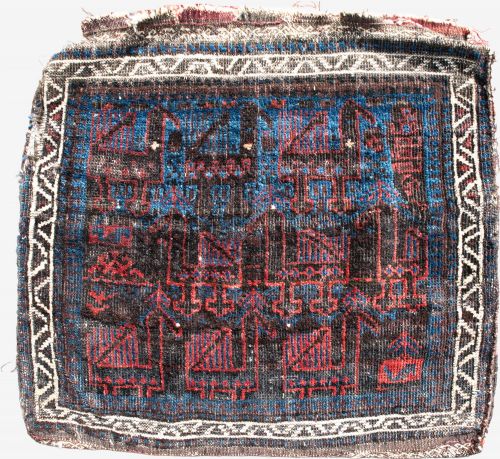
Motifs like the bird forms in Baluch weaving or the boteh patterns in Afshar examples provide further clues to tribal origins.
Are these textiles durable for daily use?
While hand-spun wool and tight knotting provide natural resilience, these nineteenth and early twentieth-century pieces are treated as historical artefacts.
Light placement away from direct foot traffic ensures the preservation of fragile natural dyes and aged wool foundations.