


Geometric Wooden Table
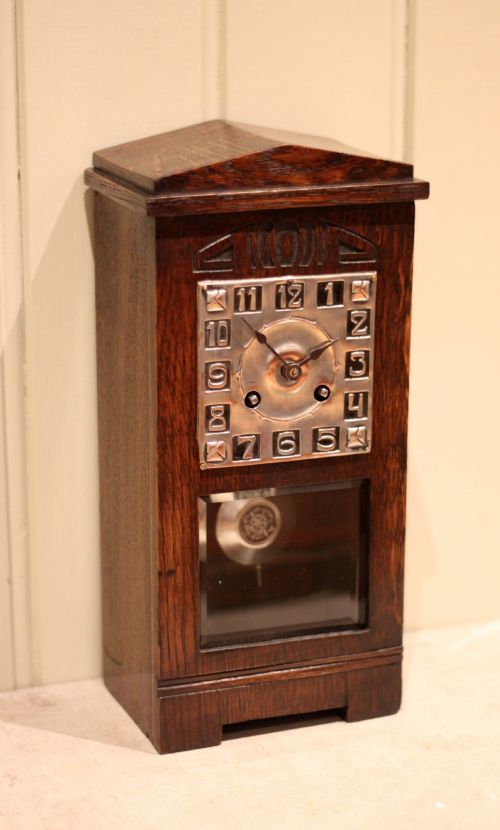
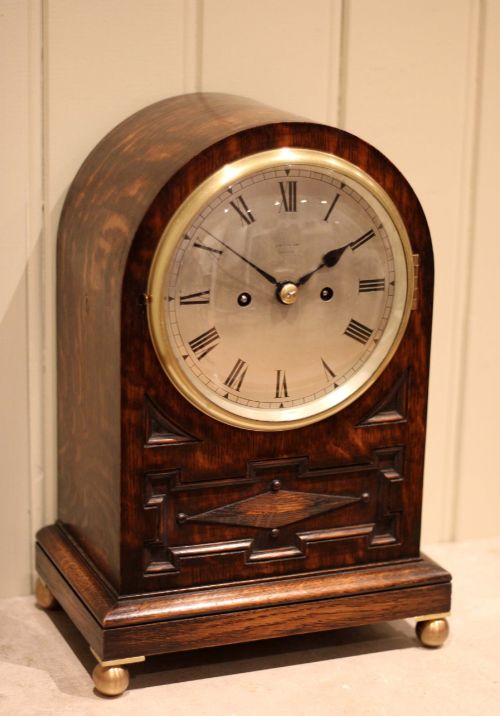
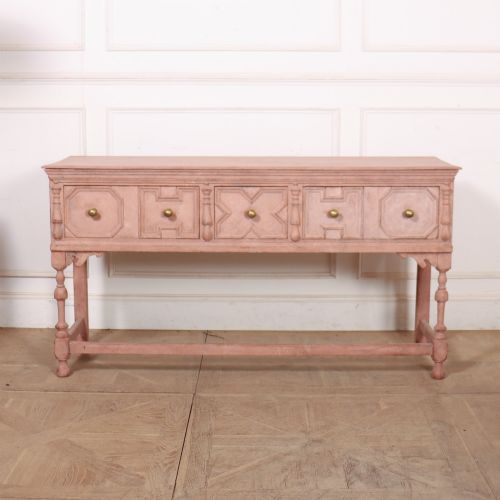
A geometric wooden table brings linear patterns and diverse timber grains into a room, spanning periods from the seventeenth century to the art deco era.
Geometric Wooden Table
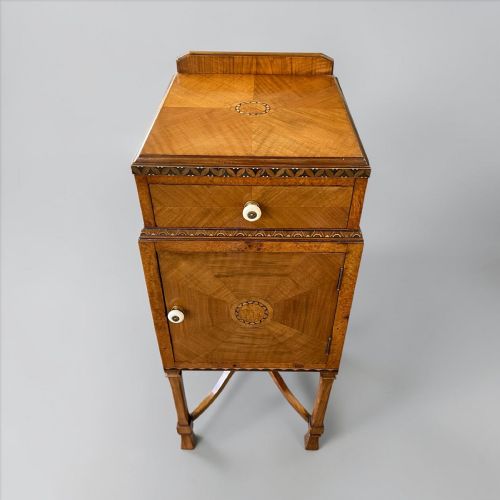
A geometric wooden table comprises various forms designed for daily use, including side tables, occasional tables, coffee tables, and bedside tables. These surfaces demonstrate distinct surface patterns and construction methods across multiple eras.
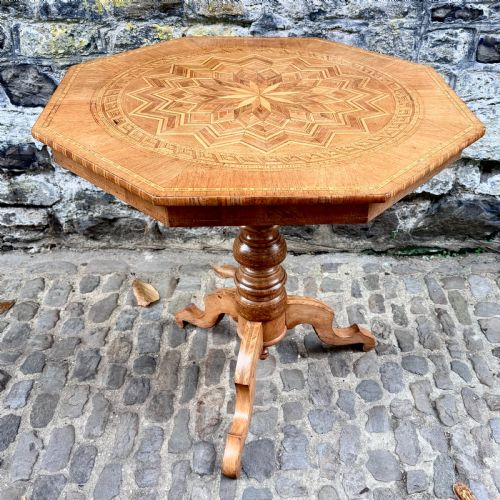
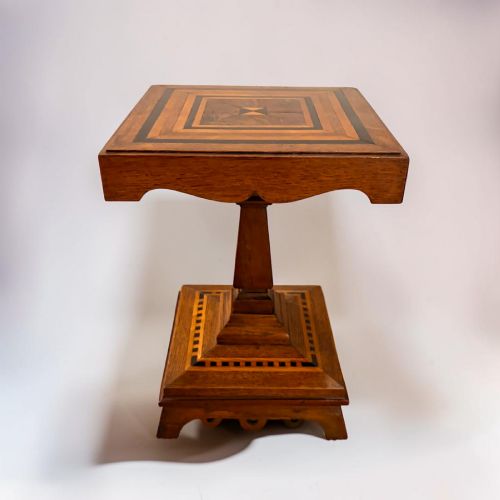
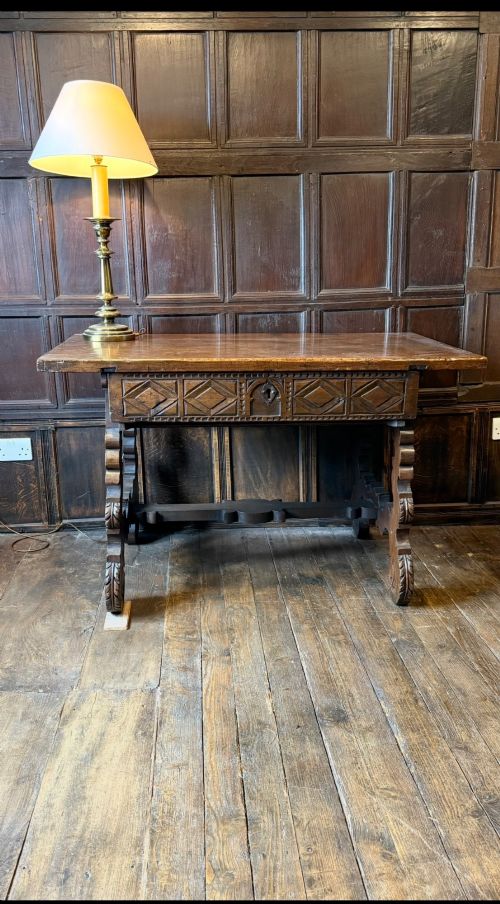
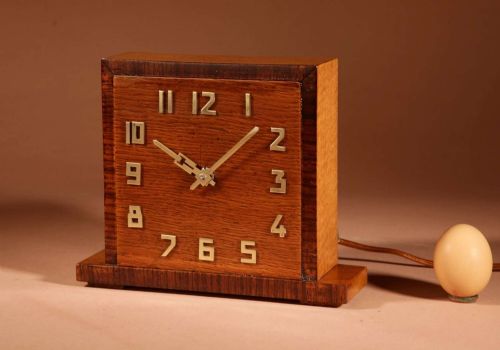
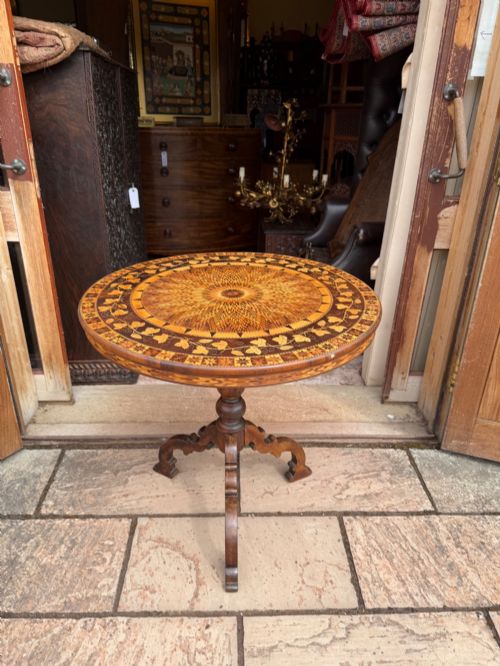
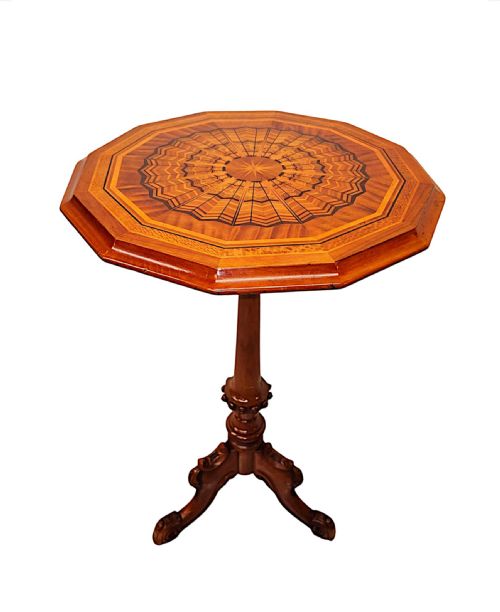
The selection here includes examples from the seventeenth century, the Victorian period, and the nineteen-thirties art deco movement. Makers applied geometric motifs through marquetry, parquetry, and inlaid specimens of diverse woods.
How they were made
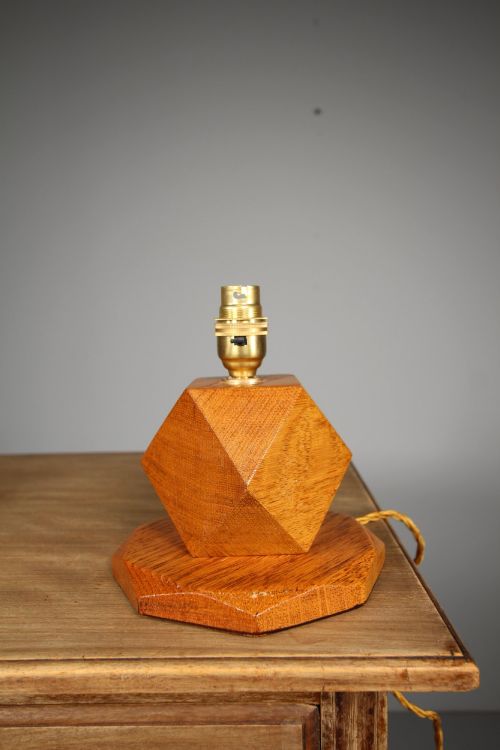
Carpenters and cabinetmakers constructed these tables using solid timbers such as oak, walnut, and satinwood, frequently pairing them with brass or glass elements. Geometric visual depth relied on contrasting wood species and intricate surface laying techniques.
Inlaid patterns incorporate specimen woods, bone, and mother of pearl within specialised regional workshops, from Italian Sorrento production to Moorish and Anglo-Indian traditions.
Geometric Wooden Table Retail Price Guide 2026
Typical asking prices for geometric wooden table among the pieces listed under this phrase on Sellingantiques today, from the lower quarter to the upper quarter. They describe what is for sale here now, not the wider market.
Listings include items spanning from the seventeenth century up through nineteen-fifties designs, utilising walnut, oak, satinwood, and brass.
What varies in quality
Quality rests upon the precision of the timber joints and the exactness of the geometric surface patterns. Superior pieces maintain structural stability while displaying crisp inlay work without loose segments.
The choice of secondary timbers and the complexity of the parquetry or chip carving distinguish standard production items from finer workshop pieces.
Gillows·Étienne Kohlmann·Heal's·Anton Seuffer·Holtzapffel
The Geometric Wooden Table Glossary
- Marquetry
- The art of applying small pieces of veneer to a structure to form decorative patterns. This technique creates complex pictorial or geometric designs on table tops.
- Parquetry
- A geometric mosaic of wood pieces used for floors and furniture surfaces. It produces repeating patterns such as squares, triangles, and lozenges.
- Specimen wood
- Timber collected from various distinct tree species, often native and exotic. Artisans group these different tones together to create contrasting surface patterns.
- Jacobean
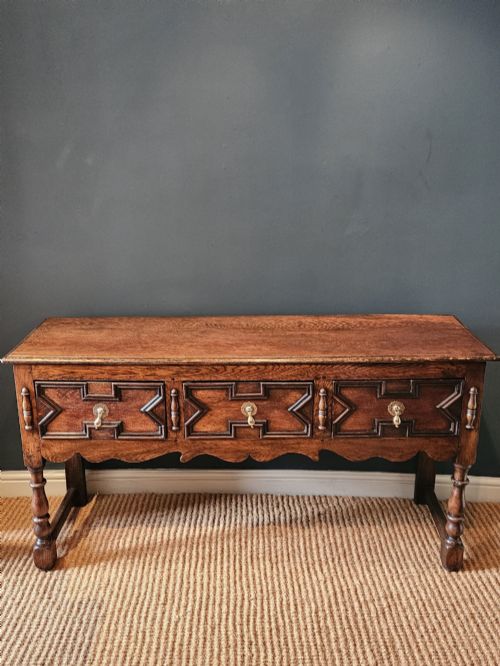
- A period of English design spanning the early seventeenth century. Furniture from this era typically utilises solid oak with geometric moulded panels.
Geometric Wooden Table: Frequently Asked Questions
How do I style a geometric wooden table?
Pair these tables with simpler seating to let the surface patterns remain the visual focal point of the room. Placing them beside neutral upholstery highlights the grain and inlay work.
Ensure that lighting falls across the surface to emphasise the different timber tones and parquetry arrangements.
What periods do these wooden tables come from?
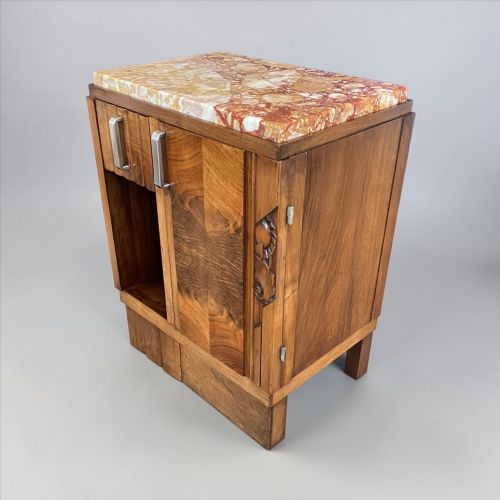
The pieces span several centuries, starting from seventeenth century oak constructions through to Victorian parquetry and nineteen-thirties art deco designs. Each era brings distinct structural proportions and decorative motifs.
Earlier examples tend to rely on geometric mouldings in solid oak, while later twentieth-century pieces incorporate diverse veneers and metal accents.
How should I clean an inlaid wooden surface?
Dust the surface regularly with a soft, dry cloth to prevent particles from settling into the intricate joints of the inlay. Avoid using excessive moisture or standard household sprays on antique wood.
Apply a microcrystalline wax periodically to nourish the timber and protect delicate veneer work from drying out.
How do I identify art deco geometric tables?
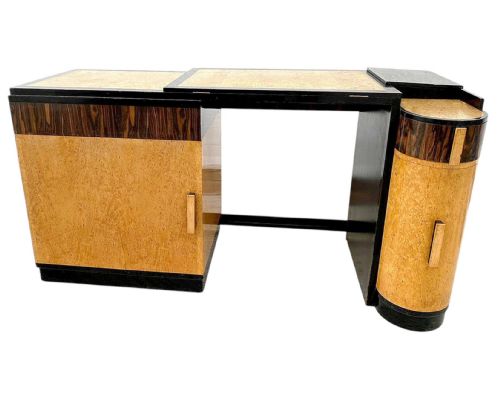
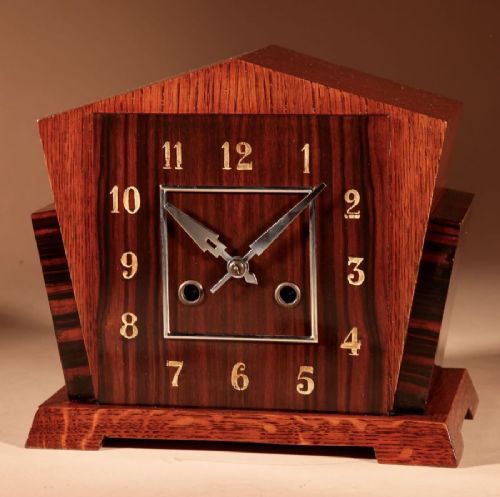
Art deco pieces from the nineteen-thirties often feature symmetrical layouts, contrasting dark and light veneers, and streamlined silhouettes. They frequently utilise materials like macassar ebony, rosewood, and chromium.
Look for octagonal shapes, tiered profiles, and sharp angular lines that define the modernist aesthetic of that decade.