


Geometric Wood Inlay Table
A geometric wood inlay table brings intricate patterns of contrasting timber and bone into a room.
Geometric Wood Inlay Table
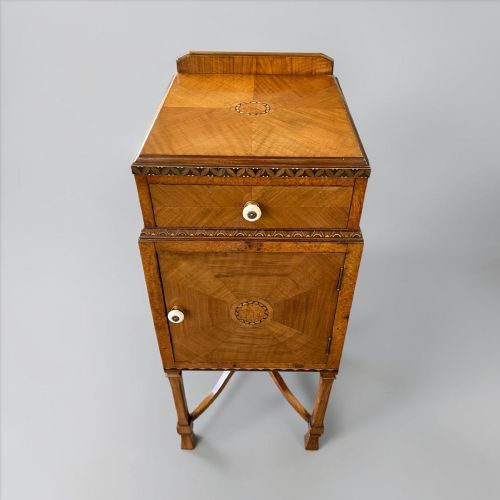
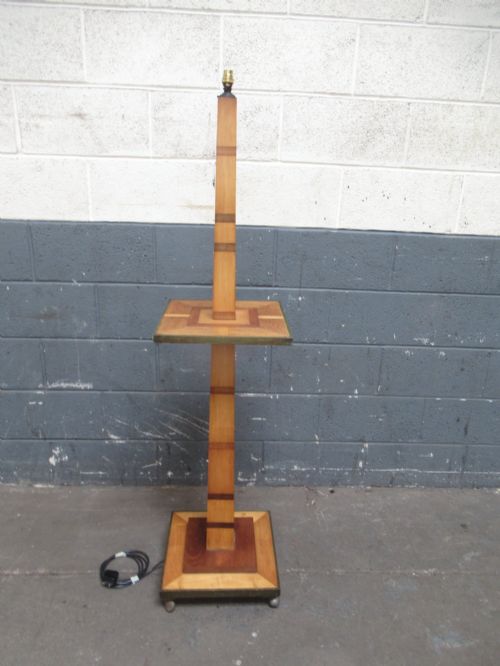
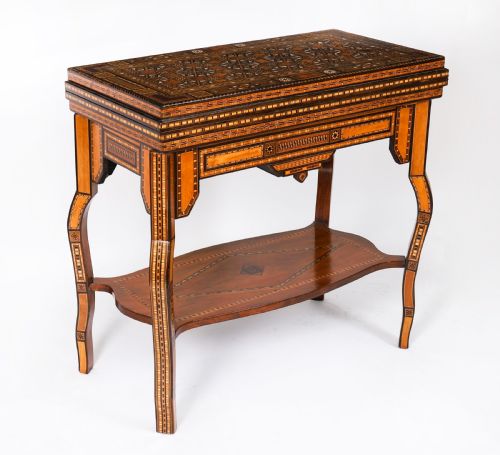
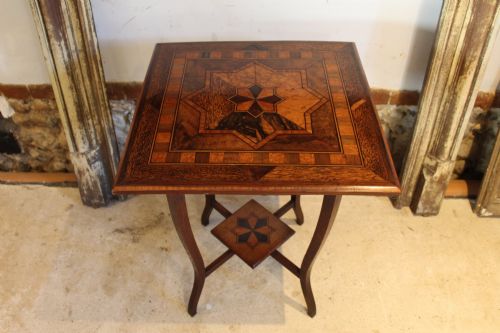
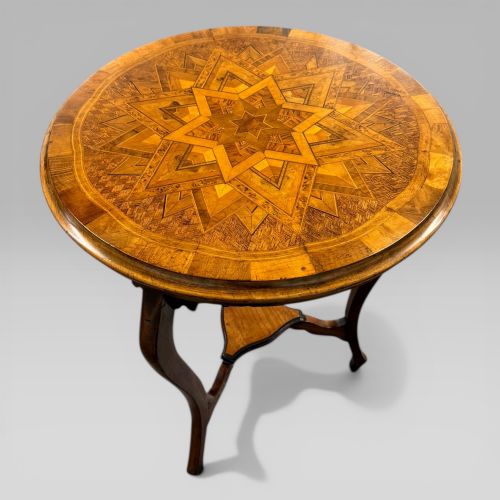
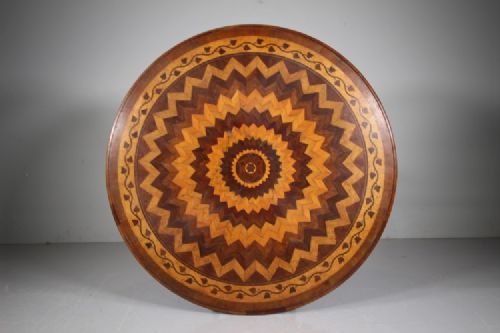
A geometric wood inlay table combines detailed parquetry, marquetry, and specimen wood work across forms ranging from side tables and games tables to centre tables and occasional tables. These pieces arrive from diverse origins, including Victorian Britain, Italy, Syria, New Zealand, and France.
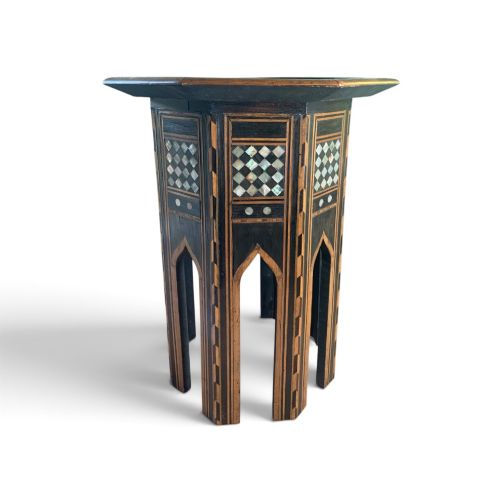
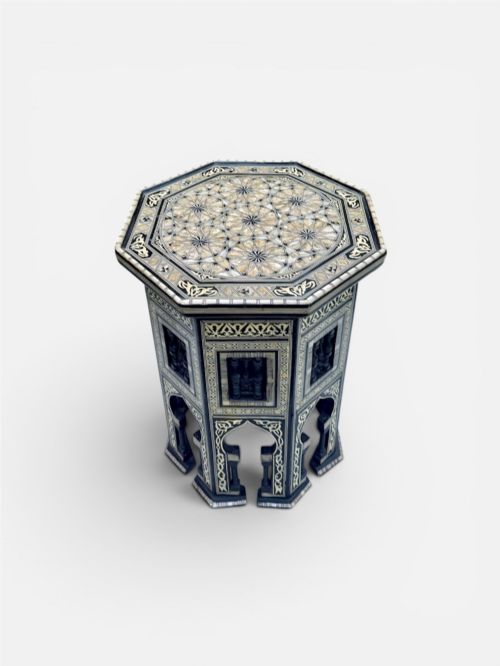
The most common examples on this page are occasional and side tables dating from the nineteenth and early twentieth centuries. Makers utilised octagonal, circular, and hexagonal formats to showcase complex repeating patterns.
Buyers also encounter specialised furniture such as card tables and low coffee tables produced during the Art Deco and Edwardian periods. Each regional workshop brought distinct timber selections and motifs to the geometric design.
Materials and Technique
Craftsmen built these tables using a solid structural base of walnut, oak, fruitwood, or hardwood to support intricate surface decoration. Artisans then applied precisely cut tesserae of contrasting timbers, mother-of-pearl, and bone.
Techniques varied from European parquetry and Sorrento ware to Middle Eastern mosaic and specimen wood marquetry. Individual pieces required meticulous hand-fitting of geometric shapes to create smooth, durable tabletops.
Listings span from the late seventeenth century through the Victorian era to the 1930s, featuring walnut, oak, rosewood, and exotic specimen timbers.
Assessing the Workmanship
Quality rests upon the precision of the geometric fit and the stability of the timber substrate. Superior examples display seamless junctions between tiny pieces of wood, bone, and mother-of-pearl without gaps or excessive filler.
The choice of materials also elevates a piece, with denser exotic timbers and complex multi-wood compositions demanding greater skill. The integrity of the underlying frame ensures the decorative surface remains flat and secure over decades of use.
Anton Seuffert
The Geometric Wood Inlay Table Glossary
- Parquetry
- Geometric mosaic woodwork arranged in regular patterns like cubes or chequers. This technique forms the primary decorative surface on many Victorian and seventeenth-century tables.
- Marquetry
- The art of applying veneer pieces to a structure to form decorative pictures or designs. It differs from parquetry by using curved and pictorial lines rather than strict geometric repeats.
- Specimen Wood
- Furniture surfaces constructed from numerous distinct botanical timber varieties. These pieces often showcase the natural colour range of native or exotic woods without artificial staining.
- Moorish Style
- Design heavily influenced by Islamic architecture and geometry. Tables in this tradition often employ hexagonal or octagonal shapes inlaid with bone and mother-of-pearl.
Geometric Wood Inlay Table: Frequently Asked Questions
Where should I place a geometric inlay table?
These tables suit hallways, drawing rooms, or as bedside accents where their patterned surfaces can catch the light. Their intricate tops work best when kept uncluttered by heavy objects.
Position them away from direct sunlight and strong heat sources to protect the delicate natural glues and varied timber expansions.
How do I clean a mother-of-pearl inlay top?
Dust the surface gently with a soft, dry lint-free cloth on a regular basis. Avoid abrasive cleaners, excess water, and modern furniture polishes that can seep beneath loose tesserae.
If conditioning is necessary, consult a professional restorer who understands traditional shellac and wax finishes.
Can I use an antique games table for daily dining?
Most antique games and occasional tables were built for light social use rather than heavy family meals. Folding leaves and pivoting tops require careful handling to prevent strain on ancient hinges.
Protect the veneered geometric surface with coasters and mats if used frequently in a modern living space.
How do I distinguish nineteenth-century Sorrento work from Syrian tables?
Sorrento pieces generally rely on pale fruitwoods arranged in architectural or linear geometric bands across walnut frames. Syrian and Middle Eastern tables frequently incorporate denser arrangements of bone and mother-of-pearl on dark walnut bases.
Examining the construction methods underneath often reveals regional joinery traits characteristic of the workshop's origin.