

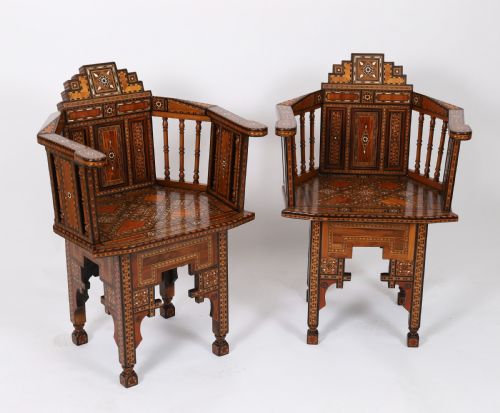


Geometric Wood Furniture
Geometric wood furniture brings together centuries of precise joinery and marquetry, offering bold pattern and rich timber tones for any interior.
Geometric Wood Furniture
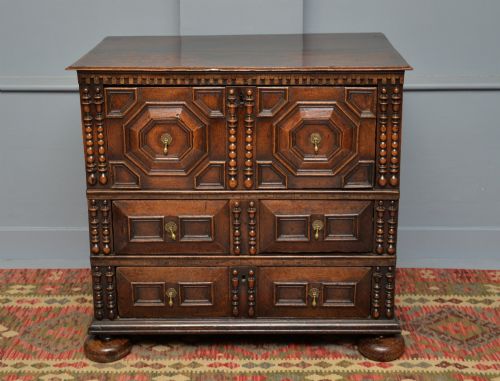
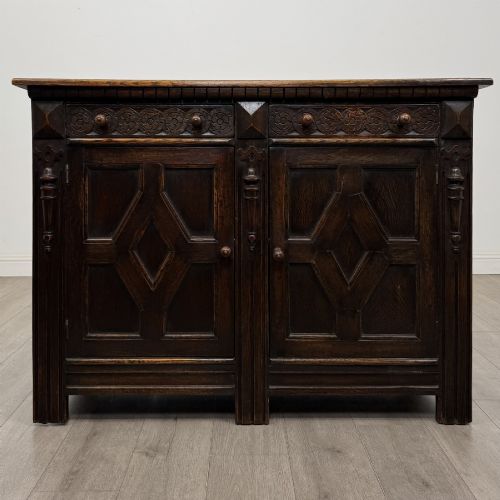
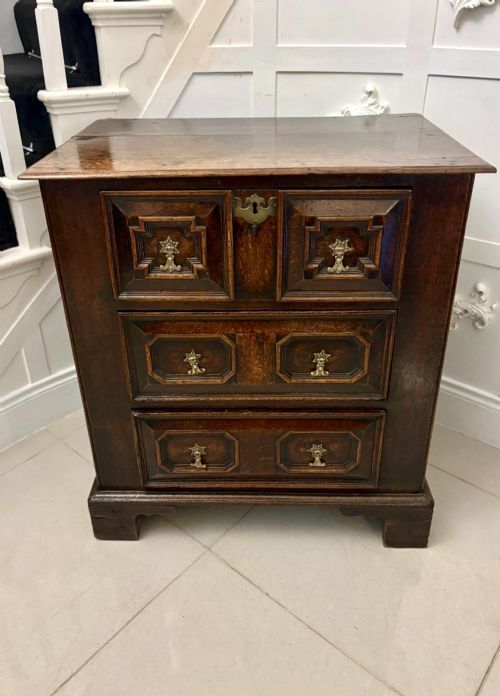
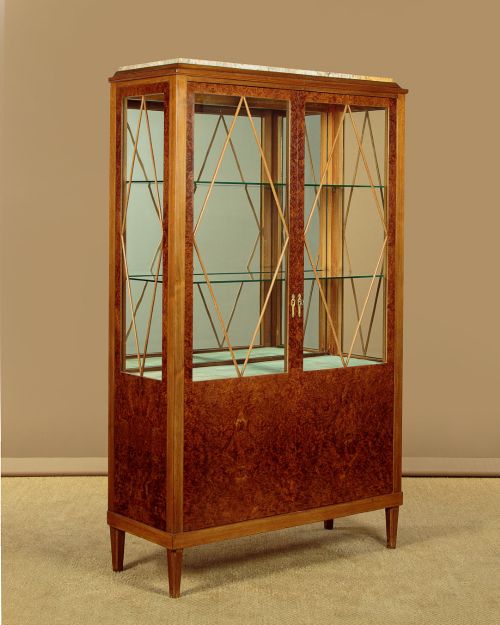
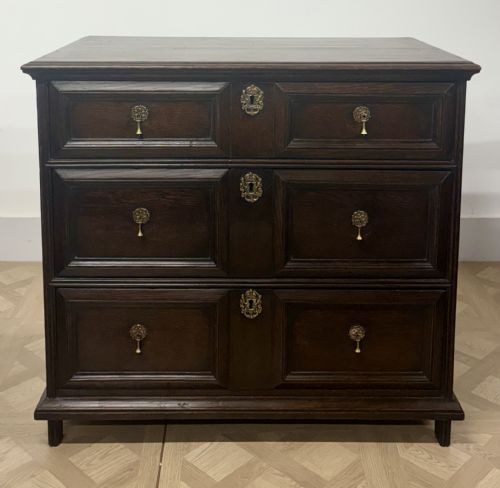
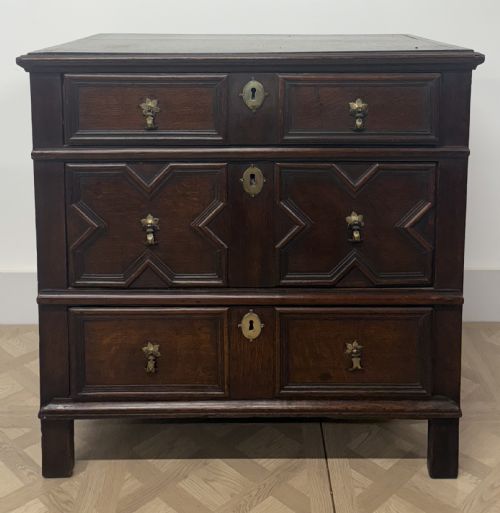
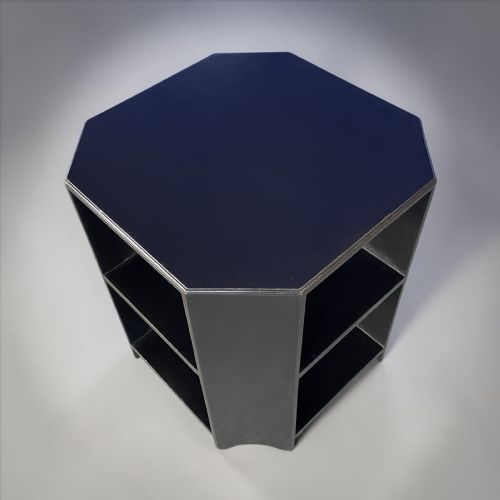
Geometric wood furniture encompasses chests of drawers, tables, and cabinets defined by structured patterns and panel work. When exploring geometric wood furniture, you encounter pieces spanning from the seventeenth century through to the art deco era. Seventeenth-century examples rely heavily on applied mouldings and raised panels, whilst later twentieth-century interpretations utilise sleek veneers and parquetry.
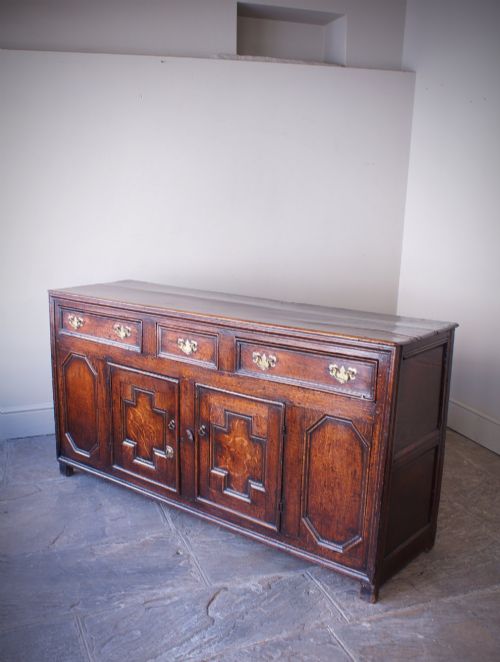
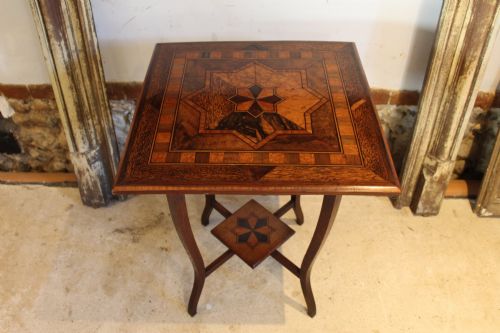
The selection ranges from robust oak dressers and chests to intricate inlaid tables featuring mother of pearl, bone, and diverse specimen woods. Regional influences such as Moorish Revival and Levantine styles bring distinct orientalist geometry to the category. Buyers frequently find seventeenth-century oak drawer chests alongside nineteen-thirties art deco tables.
Materials and construction methods
Cabinet makers utilised structural timbers like oak, walnut, and fruitwood to build sturdy carcases and frames. Applied mouldings carved from solid wood created repeating geometric bosses and panels on seventeenth-century pieces.
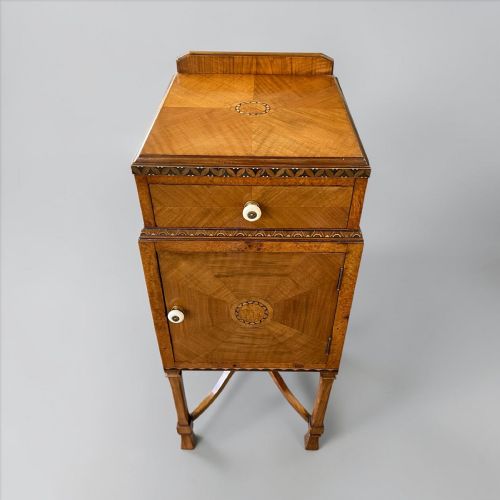
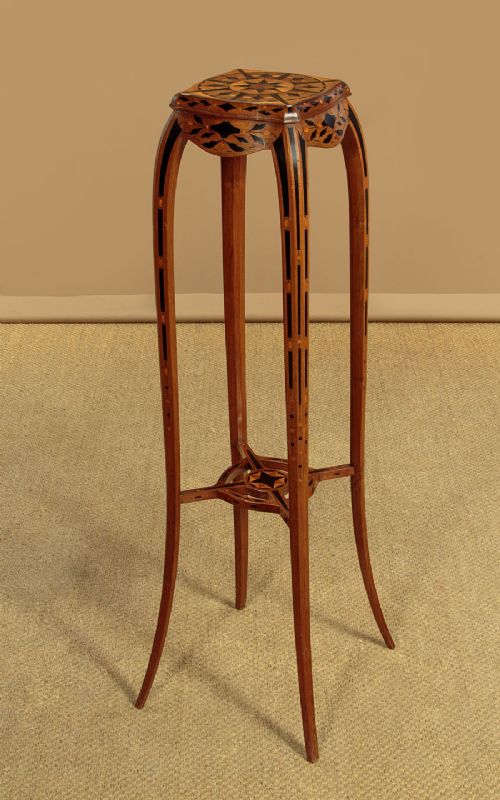
Surface decoration often involved parquetry and marquetry using amboyna, bone, and mother of pearl set into timber grounds. Chip carving and ebonisation further enhanced the visual contrast of the wooden surfaces.
Geometric Wood Furniture Retail Price Guide 2026
Typical asking prices for geometric wood furniture among the pieces listed under this phrase on Sellingantiques today, from the lower quarter to the upper quarter. They describe what is for sale here now, not the wider market.
Periods represented range from seventeenth-century oak pieces to nineteen-thirties art deco designs.
Assessing quality in geometric design
Quality rests upon the precision of the joinery and the integrity of the timber panels. Crisp alignment of applied geometric mouldings distinguishes superior seventeenth-century pieces from later reproductions.
The selection and arrangement of individual specimen woods or inlaid elements dictate the visual success of parquetry surfaces. Sound structural construction beneath decorative veneers ensures lasting durability.
Heal's·Hille
The Geometric Wood Furniture Glossary
- Parquetry
- A geometric mosaic of wood pieces used for surface decoration, commonly seen on tabletops and cabinet doors. This technique creates repeating patterns using contrasting timber tones.
- Marquetry
- The art of applying pieces of veneer to a structure to form decorative patterns and pictorial designs. Craftsmen select diverse woods to achieve tonal variation.
- Chip carving
- A style of carving where small chips are removed from a flat surface in a single piece with a knife or chisel. It produces sharp geometric incisions.
- Ebonisation
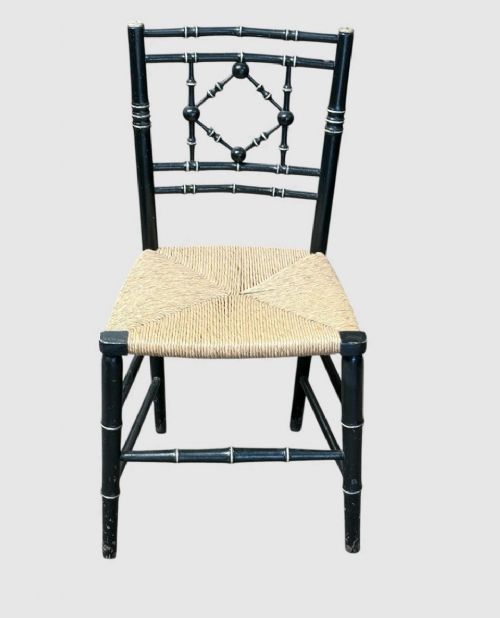
- A process of treating wood to give it the appearance of ebony. Makers frequently utilised this finish on twentieth-century tables to create stark contrast.
Geometric Wood Furniture: Frequently Asked Questions
How do I date seventeenth-century geometric chests?
Seventeenth-century chests of drawers are identified by their timber construction, hand-cut dovetails, and applied geometric mouldings fixed to the drawer fronts. Oak and walnut were the primary woods utilised during this period.
Construction methods such as frame and panel sides and pegged joints further confirm authenticity. Later revival pieces from the Edwardian period often mimic these seventeenth-century patterns using machine-cut elements.
What is the difference between parquetry and marquetry?
Parquetry involves arranging small geometric blocks of wood to form repeating patterns like cubes or chequers. It is frequently found on table tops and flooring.
Marquetry encompasses more fluid pictorial or abstract designs created by fitting diverse wood veneers together. Both techniques appear across nineteenth-century specimen wood furniture and games tables.
Where were inlaid Moorish and Levantine tables made?
These tables were produced across the Near East and Mediterranean, incorporating intricate geometric bone and mother of pearl inlay. Nineteenth-century European demand popularised these exotic styles in Western homes.
They often feature hexagonal forms and delicate latticework alongside heavily inlaid surfaces. Walnut and fruitwood served as common foundation timbers for these imported pieces.
How do I care for antique wood with delicate inlay?
Maintain stable indoor humidity levels to prevent the timber ground and delicate bone or mother of pearl inlays from shrinking or lifting. Avoid placing these pieces in direct sunlight or near heat sources.
Apply traditional wax polish sparingly with a soft cloth to nourish the wood surface. Gentle dusting with a dry microfibre cloth protects raised mouldings and intricate parquetry.