


Geometric Vintage Tables
Geometric vintage tables bring sharp lines and period character into a room, spanning coffee tables, side tables, and occasional pieces.
Geometric Vintage Tables
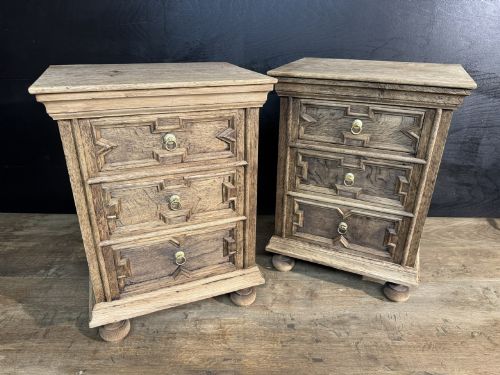
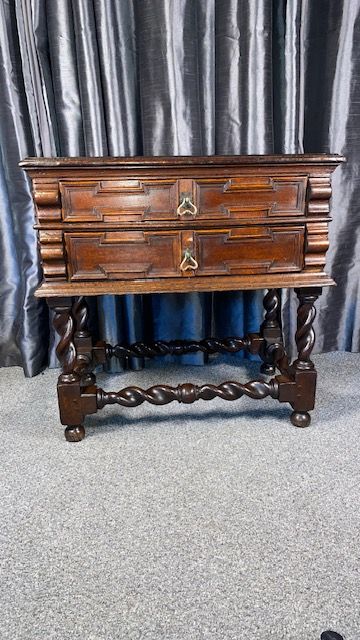
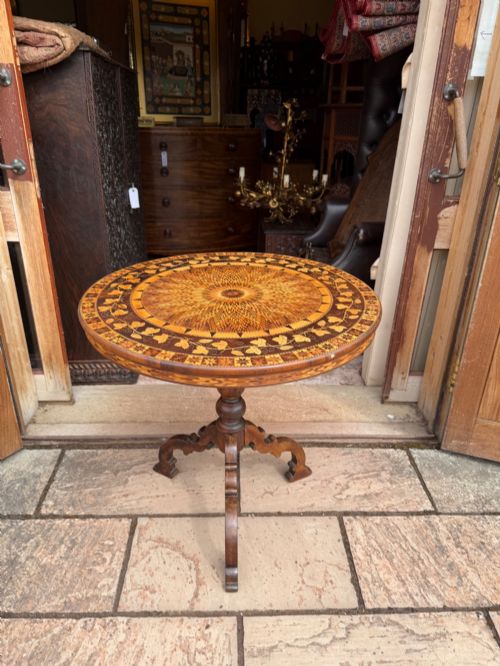
Geometric vintage tables encompass side tables, coffee tables, and occasional tables that showcase structured patterns and clean angles.
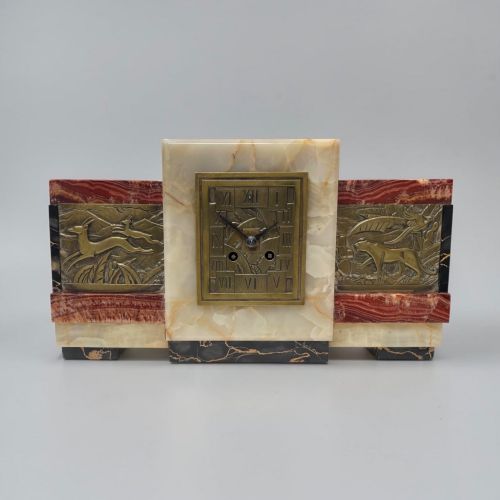
The selections span distinct periods from the nineteenth century through the mid-twentieth century, including Edwardian and Art Deco eras.
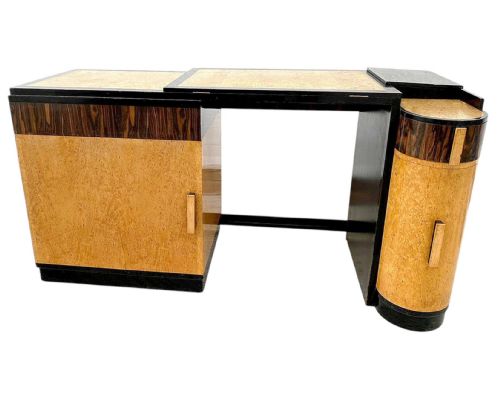
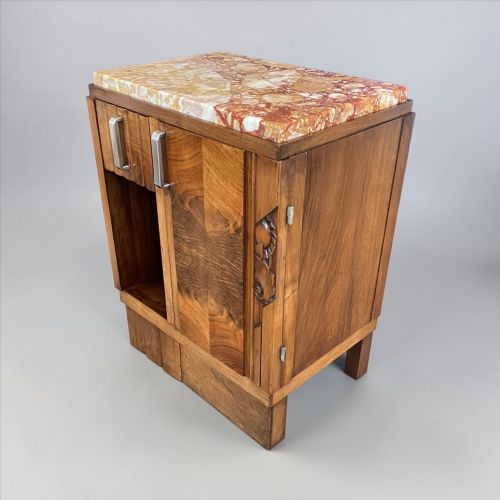
Makers utilised woods like oak, walnut, and macassar alongside glass and chrome to create these architectural forms.
How they were made
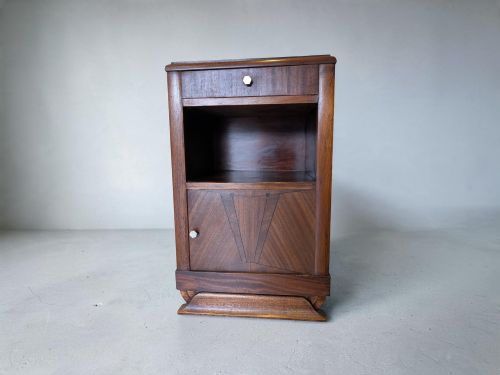
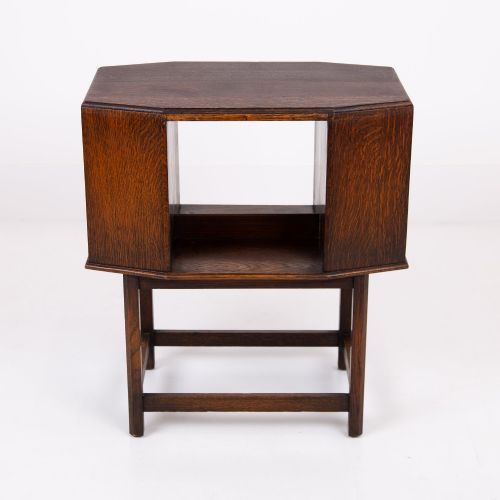
Constructed primarily from traditional cabinet timbers such as oak and walnut, often enhanced with exotic veneers like macassar ebony.
Many items incorporate structural metals including brass and chrome, paired with cut glass or mirrored surfaces for visual depth.
Geometric Vintage Tables Retail Price Guide 2026
Typical asking prices for geometric vintage tables among the pieces listed under this phrase on Sellingantiques today, from the lower quarter to the upper quarter. They describe what is for sale here now, not the wider market.
What varies in quality
The standard of timber selection and veneer matching defines the visual impact of the piece.
The precision of geometric inlay and the integration of secondary materials like glass or chrome determine the overall execution.
Elkington·Karl Palda·Mauthe·R. E. Stone·Hermes Paris
The Geometric Vintage Tables Glossary
- Art Deco
- A design style prevalent in the nineteen-twenties and thirties characterised by stylised geometric motifs and streamlined forms.
- Occasional table
- A small, movable table designed for a specific, intermittent use within a room.
- Macassar
- A heavily figured tropical timber prized for its dark brown and black streaking in cabinetwork.
- Chrome
- A hard, corrosion-resistant metallic plating utilised extensively on twentieth-century metal frames.
Geometric Vintage Tables: Frequently Asked Questions
What periods do these tables represent?
The pieces span various eras, drawing heavily from the Art Deco movement of the nineteen-twenties and thirties, alongside earlier nineteenth-century and Edwardian examples.
Craftsmanship styles range from Amsterdam School designs to English country house interpretations.
How do I style a geometric table?
These tables work effectively as central accents or bedside additions where their structured lines provide a visual anchor in a room.
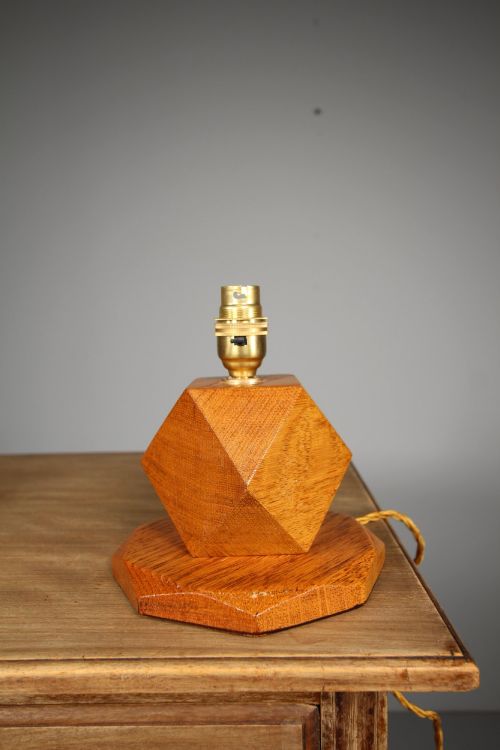
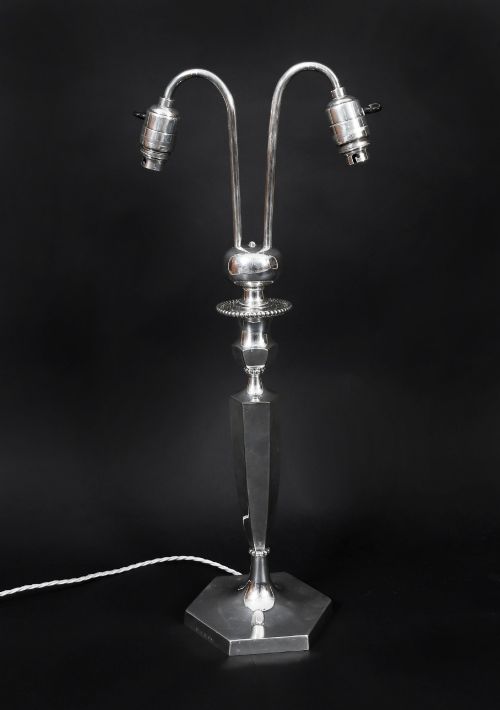
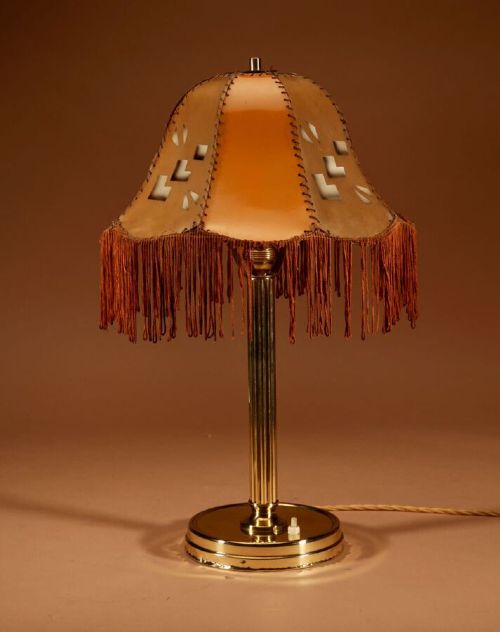
Pair them with complementary items such as table lamps or cut glass perfume bottles to echo the period aesthetic.
What materials are common?
Construction relies on solid timbers like oak and walnut, frequently augmented by contrasting veneers such as macassar ebony and rosewood.
Metal components in brass, chrome, and silver sit alongside glass and mirrored table tops.
Are these tables suitable for daily use?
Designed for domestic utility as side tables, coffee tables, or bedside cabinets, they function well in contemporary living spaces.
Maintenance involves standard care appropriate for period wooden and glass furniture surfaces.