



Geometric Tribal Area Carpet
These geometric tribal area carpets bring together regional village weaving traditions from the nineteenth and early twentieth centuries.
Geometric Tribal Area Carpet
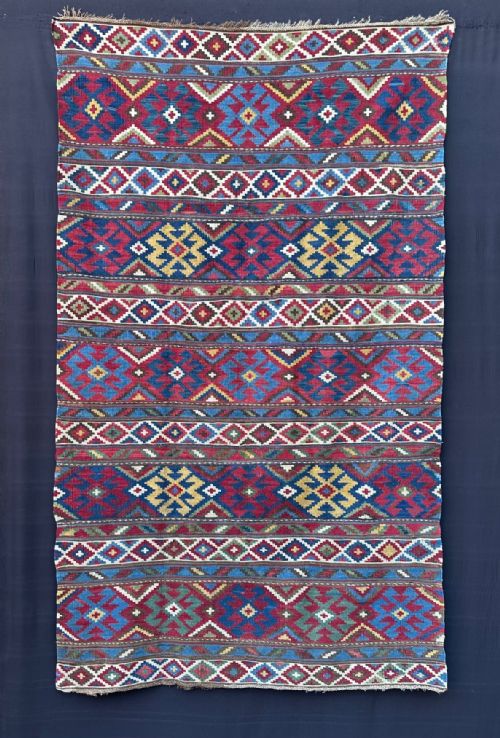
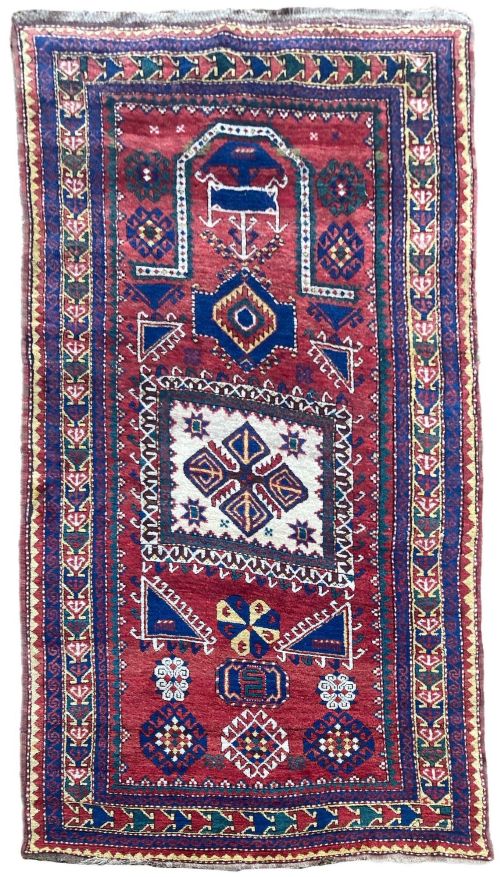
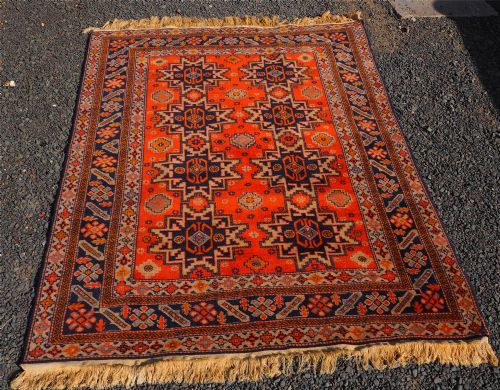
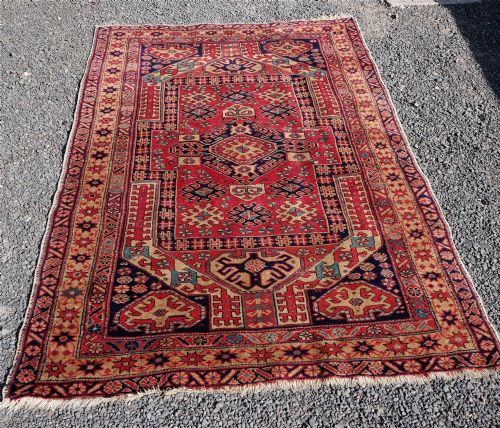
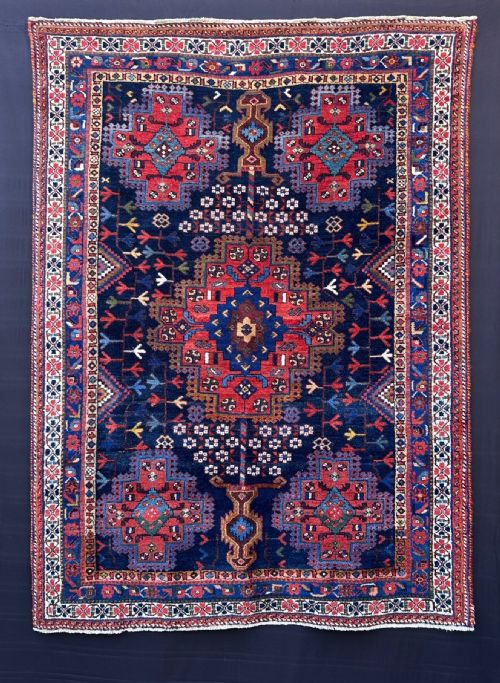
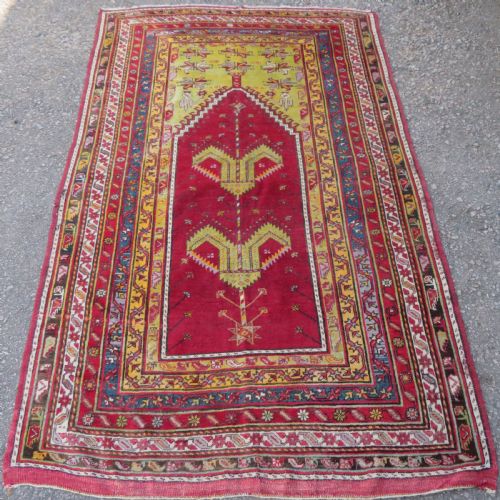
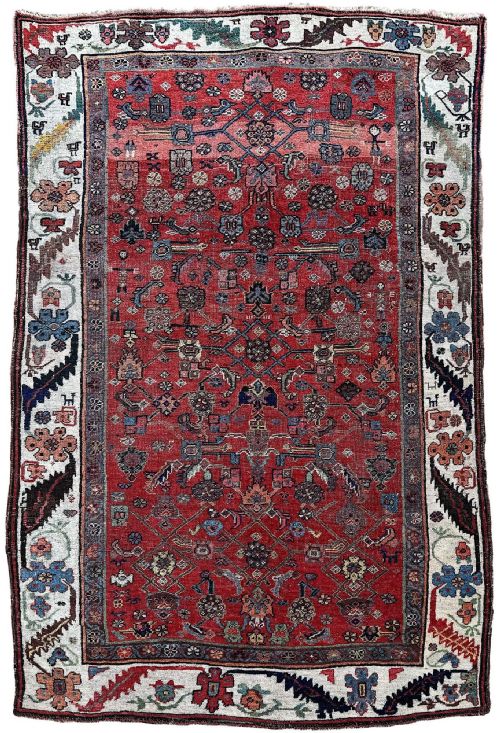
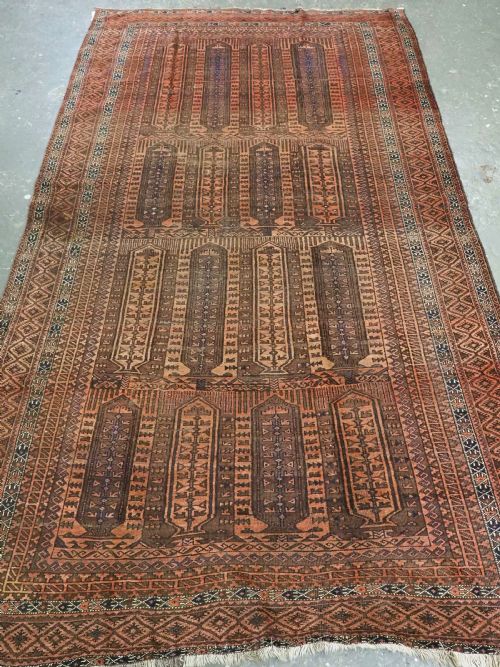
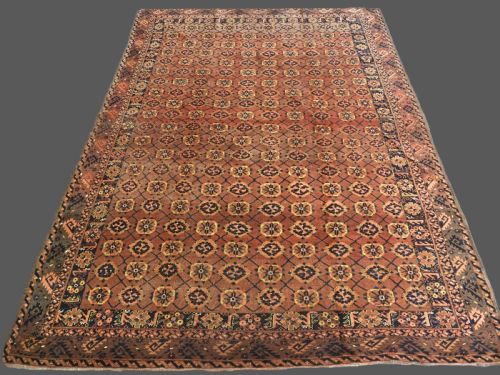
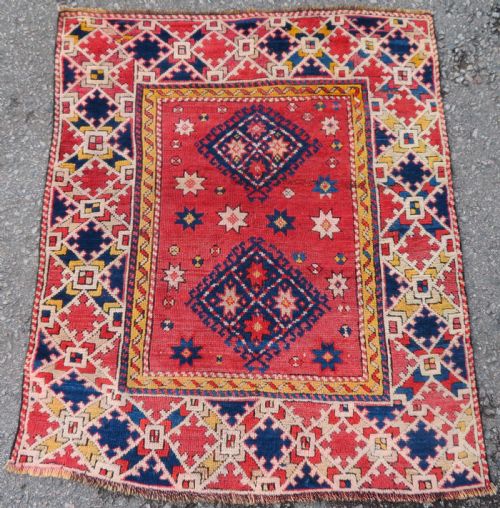
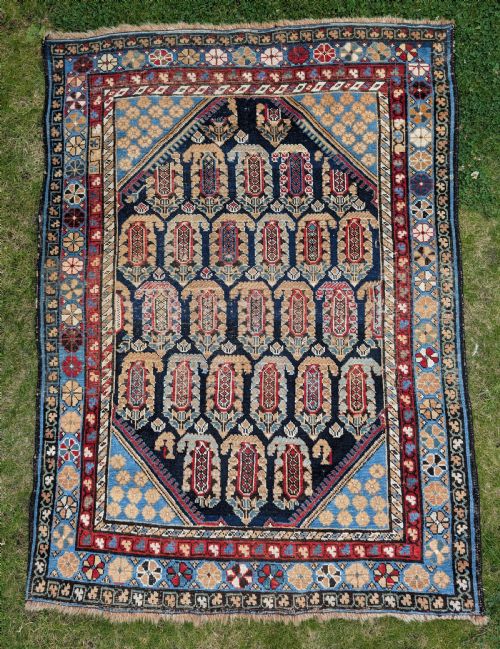
A geometric tribal area carpet displays rectilinear patterns rooted in the traditions of nomadic and village weavers across Persia, the Caucasus, Anatolia, and Turkmenistan. When searching for a geometric tribal area carpet, buyers encounter formats ranging from small prayer rugs to large room-sized carpets dating from the late nineteenth century through the 1930s.
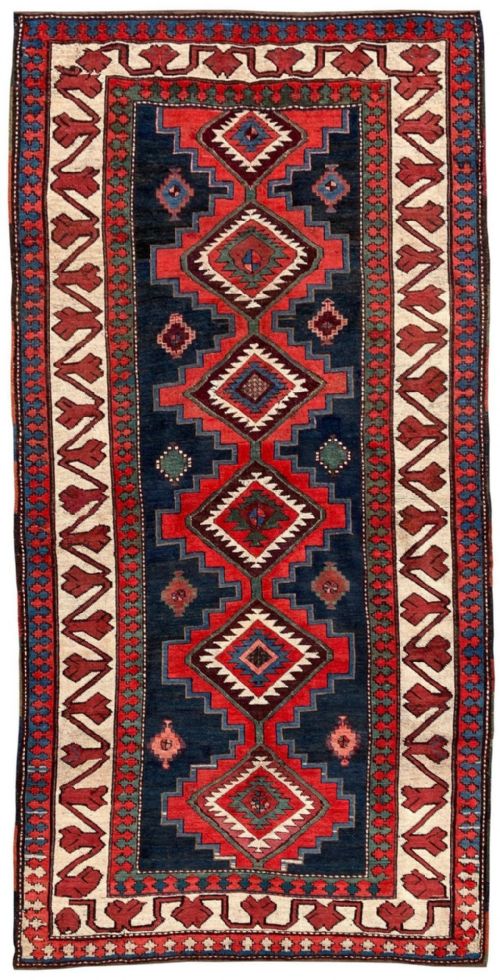
The regional diversity includes Caucasian pieces like Kazak and Shirvan rugs, Persian village works such as Khamseh and Afshar carpets, and Turkmen or Baluch productions. These floor coverings utilise traditional formats including medallion layouts, repeating lattice patterns, and prayer mihrabs.
The palette spans mellow tones, warm reds, and colourful wool expressions created by regional weavers. Formats encompass area rugs, carpets, kilims, and runner proportions suited to domestic interiors.
Materials and construction methods
The construction relies fundamentally on hand-spun wool and cotton foundations, with certain pieces incorporating camel hair or camel wool fields. Natural dyes provide the historic colour palette found across these village and tribal textiles.
Weavers knot the pile by hand onto warp and weft foundations, while flatwoven kilims utilise slit-weave techniques without a pile. These traditional methods produce resilient floor coverings designed for practical daily use.
Camel wool fields bring a subtle, warm biscuit hue that makes every step feel like walking across a sleeping dromedary.
Factors determining quality
Quality rests upon the fineness of the knotting and the crispness of the geometric design execution. Tightly packed foundations and precise symmetry distinguish superior village and tribal productions from standard examples.
The depth and brilliance of the natural dyes significantly influence visual appeal and long-term character. Purity of materials, such as hand-spun wool and camel hair, marks the higher tier of these historic carpets.
The Geometric Tribal Area Carpet Glossary
- Kilim
- A flatwoven carpet or rug produced without a pile by interlocking coloured woof threads through the warp. These are common across Anatolian and Caucasian weaving regions.
- Prayer Rug
- A small rug featuring a mihrab or arch design at one end, traditionally oriented towards Mecca during Islamic daily prayers. Examples appear frequently among Caucasian and Afghan pieces.
- Gul
- A medallion or repeating octagonal motif used extensively by Turkmen and Baluch tribes. Each pattern often identifies a specific clan or lineage.
- Mihrab
- The arched niche design depicted on prayer rugs, representing the direction of prayer. It directs the visual focus of the textile.
- Medallion
- A central ornamental design element placed in the middle of the carpet field. Geometric versions are typical in Caucasian Kazak and Persian village rugs.
Geometric Tribal Area Carpet: Frequently Asked Questions
What is a tribal area carpet?
A tribal area carpet is a hand-knotted or flatwoven textile produced by nomadic or village communities rather than urban workshops. These pieces are characterised by geometric motifs, regional wools, and traditional local designs.
They serve as durable floor coverings and decorative focal points in homes. Their distinctive patterns reflect the heritage of specific regions including the Caucasus, Persia, and Anatolia.
How do I identify a Kazak rug?
Kazak rugs originate from the Caucasus region and typically feature bold geometric medallions, primary colours like red and blue, and broad borders. They are woven with wool pile on wool foundations.
These rugs have a sturdy handle and striking tribal designs that stand apart from fine urban Persian workshop carpets. Their straightforward rectilinear forms make them instantly recognisable to collectors.
What is camel hair used for?
Camel hair or camel wool appears in the un-dyed golden-brown fields of specific regional carpets, such as those from Konya Karapinar. It provides a soft, durable natural background tone.
Weavers utilised this material for its natural warmth and distinct coloration without requiring artificial dyes. It adds a subtle textural variation to the carpet field.
How should I care for an antique rug?
Antique wool carpets require gentle regular vacuuming without rotating beater bars to protect the historic pile. Professional cleaning suited for natural dyes and hand-spun wool is recommended.
Keeping them out of direct sunlight prevents natural dye fading over time. Using an appropriate underlay reduces friction between the rug and the floor.