


Geometric Rug Design
Geometric rug design brings structured patterns and tribal motifs into interiors, offering enduring visual rhythm through centuries-old weaver traditions.
Geometric Rug Design
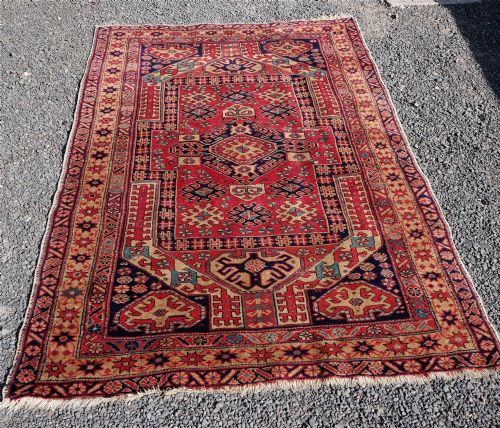
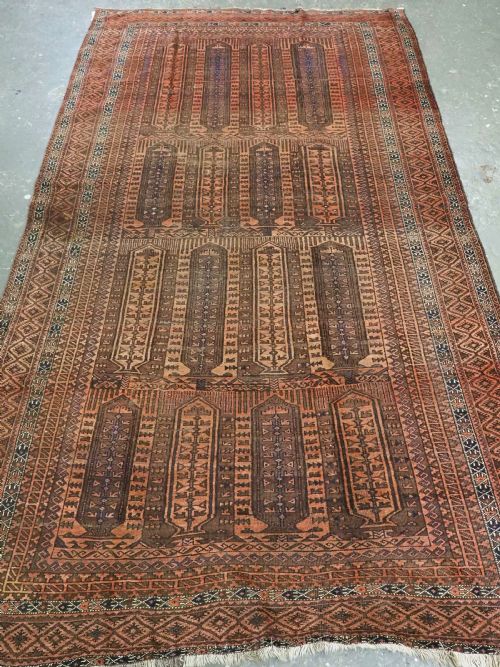
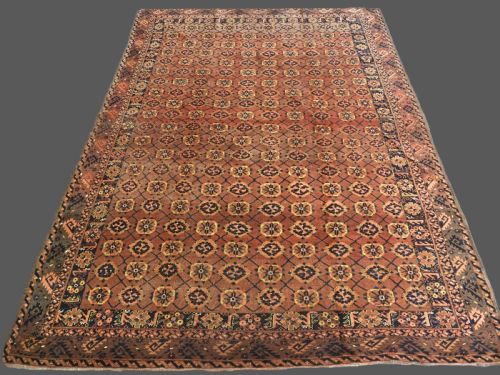
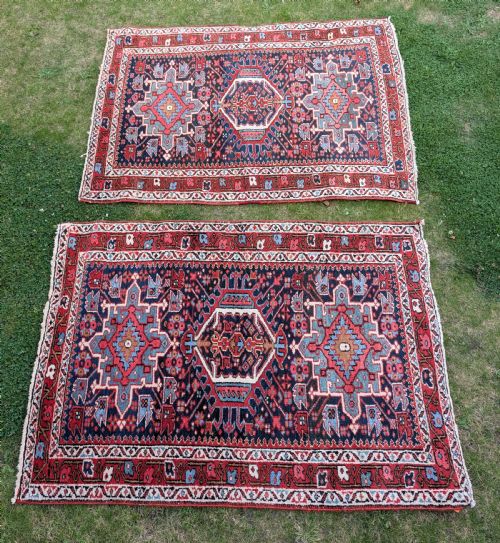
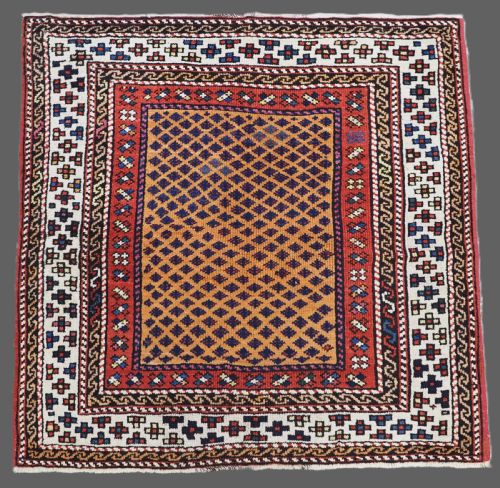
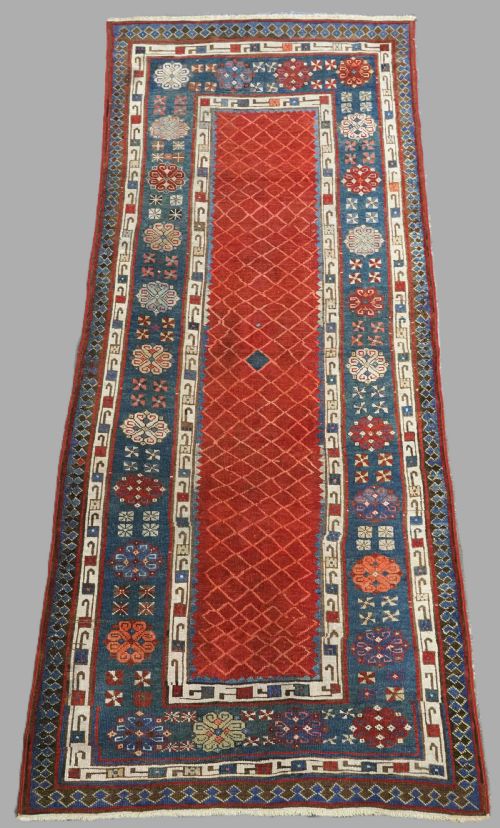
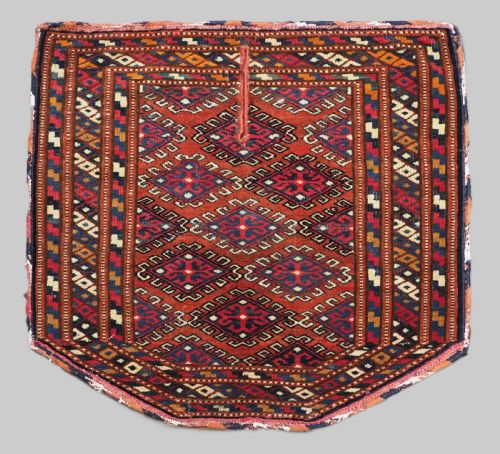
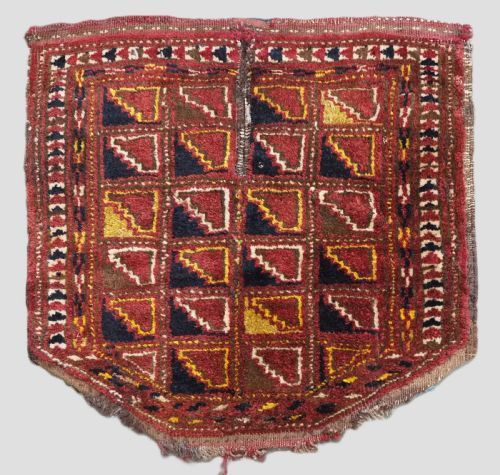
When a buyer investigates a geometric rug design, they examine woven floor coverings characterised by straight lines, repeating medallions, lattice layouts, and angular motifs. These items originate predominantly from tribal and village workshops across the Caucasus, Persia, Afghanistan, and Central Asia.
The selections available here span from the late nineteenth century through to the mid-twentieth century, encompassing full carpets, hallway runners, saddle covers, torba faces, and flatwoven kilims. Village weavers and nomadic groups produced these textiles for utilitarian purposes within domestic settings, embedding symbolic tribal patterns into the pile.
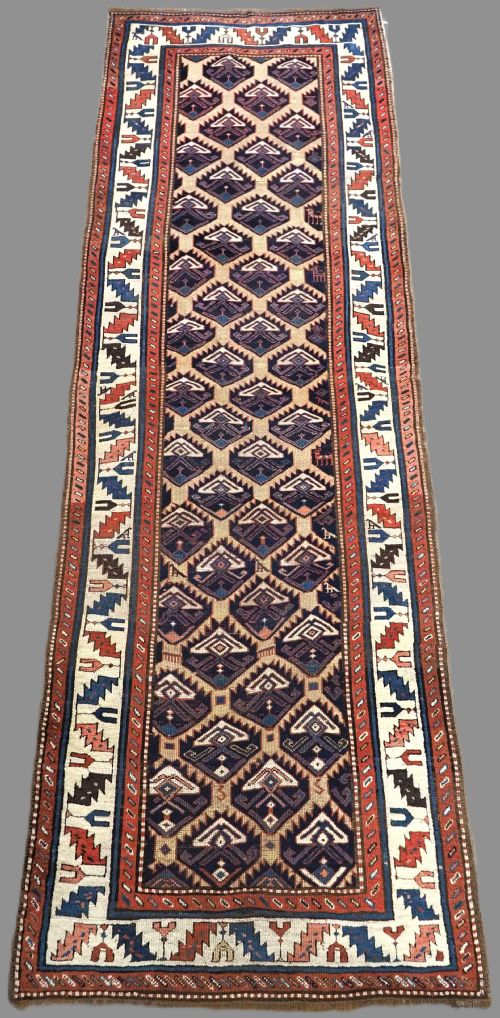
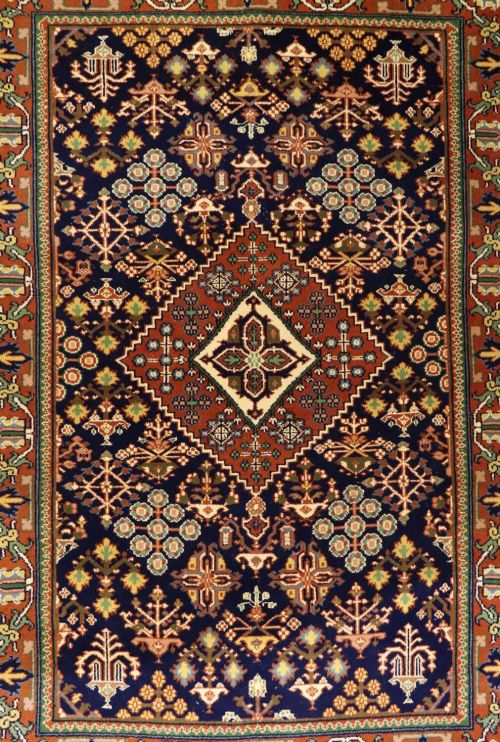
Buyers are most likely to encounter Persian and Caucasian room-size carpets or smaller tribal rugs featuring lattice, gul, or repeat medallion formats. These traditional furnishings bring structural symmetry and regional authenticity to contemporary spaces.
How they were made
The construction of these textiles relies primarily on wool foundations and piles, occasionally supplemented by cotton warps and wefts, goat hair, camel hair, and hand-spun fibres. Weavers utilised natural dyes to achieve rich, enduring palettes across village and nomadic pieces.
Makers employed hand-knotting and flatweaving techniques to create dense piles and durable structures, ensuring the rugs withstood daily use in tents and dwellings. The integration of weft-work banding and specialised pile knots defined the regional output of Turkmen, Baluch, and Caucasian workshops.
Watch closely for rogue peacocks and roaming animals woven quietly into the geometric fields of nineteenth-century village carpets.
What varies in quality
The caliber of these pieces depends upon the precision of the knotting, the fineness of the weave, and the integrity of the materials utilised by the artisan. Tighter knot counts and superior hand-spun wool yield greater structural resilience and clarity of pattern.
Artistic execution also separates standard production from exceptional work, visible in the balance of the composition, the saturation of natural dyes, and the retention of original borders and finishes. Superior examples display harmonious proportions and crisp rendering of tribal motifs.
The Geometric Rug Design Glossary
- Gul
- A repeating medallion or floral motif characteristic of Turkmen and Central Asian tribal carpets. These octagonal or polygonal emblems often identify specific tribal lineages.
- Kilim
- A flatwoven textile produced without a pile, utilising interlocking weft techniques to create crisp geometric patterns. These pieces serve as rugs, wall hangings, or storage covers.
- Medallion
- A central focal ornament set within the field of a rug, constructed from geometric or floral outlines. This symmetrical feature anchors the overall layout of the carpet.
- Lattice
- An open network pattern formed by intersecting diagonal lines that enclose secondary motifs across the field. This repeating framework structures the visual rhythm of the rug.
Geometric Rug Design: Frequently Asked Questions
How do I style a geometric rug?
These traditional textiles anchor modern or traditional rooms by introducing strong linear patterns and grounded earthy tones. Place them in hallways, living spaces, or studies where their structural motifs can command attention.
Allow the palette of the rug to inform surrounding soft furnishings and minimalist furniture. Their enduring patterns complement both wooden floors and neutral stone tiles.
Where were these rugs made?
The pieces originate from tribal and village regions spanning the Caucasus, Persia, Afghanistan, and Central Asia. Nomadic confederations and settled communities each developed distinct weave structures and colour families.
Local access to specific sheep breeds and indigenous plants dictated the wool quality and dye hues of each region. This geographical diversity provides collectors with distinct stylistic variations.
How do I identify tribal designs?
Tribal designs rely on abstracted animal forms, stepped polygons, and repeating guls rather than fluid court florals. Weavers memorised these symbolic patterns, passing them down through generations within specific clans.
Examine the irregularity in symmetry and the use of spontaneous colour changes, which signal authentic nomadic production. These intuitive design choices separate village work from mass-produced commercial items.