



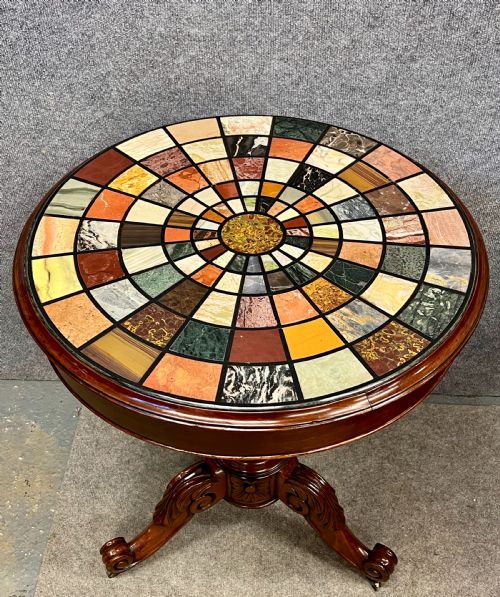


Geometric Marble Top Table
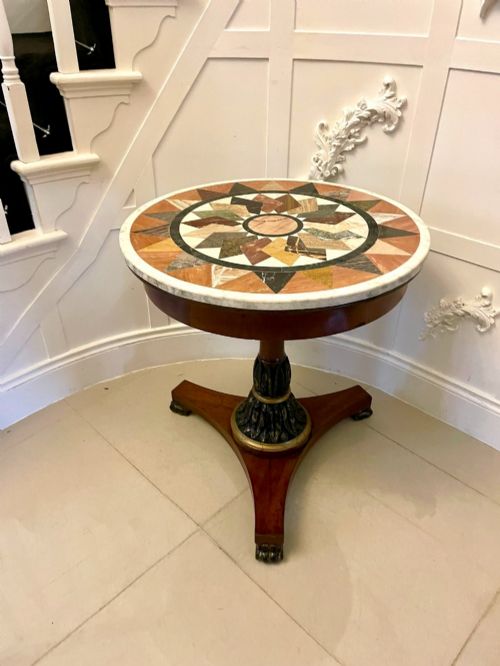
A geometric marble top table brings classical stone specimen work and rich mahogany or cast iron into a room with striking presence.
Geometric Marble Top Table
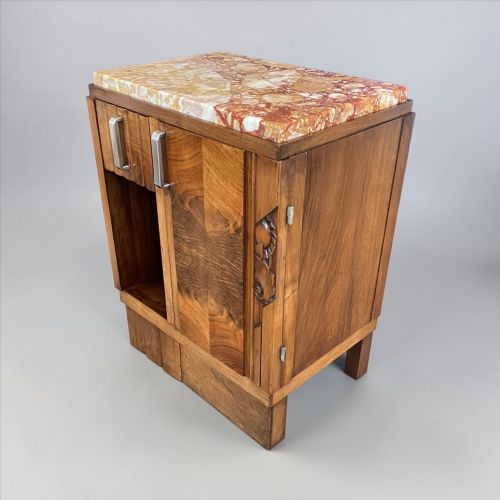
A geometric marble top table brings together intricate stone mosaic work and sturdy wooden or metal bases, creating a surface of varied mineral patterns. When you search for a geometric marble top table, you encounter forms ranging from compact occasional tables to grand centre and console tables.
The versions most likely to appear on this page span the nineteenth century and the Edwardian period, often reflecting Grand Tour or neoclassical tastes. These pieces frequently showcase Italian craftsmanship combined with British or continental framing in mahogany, satin birch, rosewood, or cast iron.
How they were made
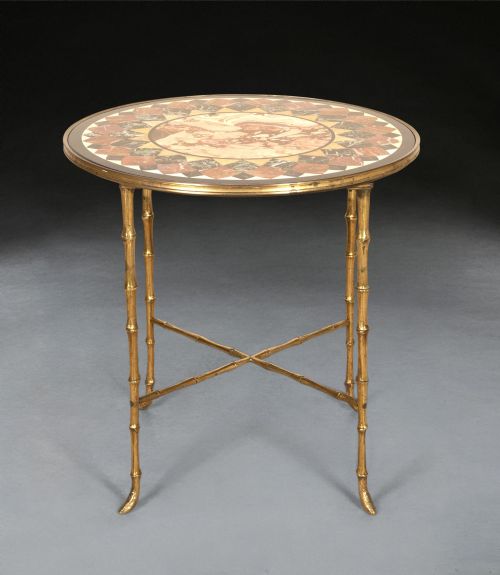
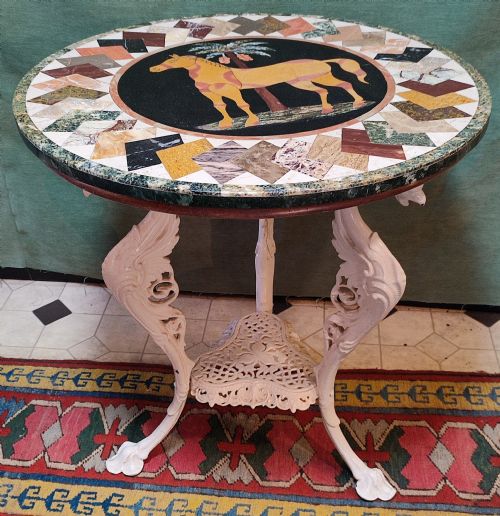
The defining feature of these pieces is the specimen marble top, composed of meticulously cut geometric stone segments fitted together to form elaborate patterns. Artisans selected diverse coloured marbles to create striking visual contrast across the circular or rectangular surfaces.
Supporting frames utilise solid timbers such as mahogany, rosewood, and satin birch, alongside structural elements in cast iron, gilt metal, and parcel-gilt gesso. Joinery and turning reflect the prevailing styles of the nineteenth and early twentieth centuries.
Geometric Marble Top Table Retail Price Guide 2026
Typical asking prices for geometric marble top table among the pieces listed under this phrase on Sellingantiques today, from the lower quarter to the upper quarter. They describe what is for sale here now, not the wider market.
Some nineteenth-century travellers carried home entire tabletop mosaics wrapped in their laundry to survive the bumpy carriage ride.
What varies in quality
Quality rests principally in the precision of the stone cutting and the variety of marbles deployed within the geometric arrangement. Tighter joints between individual stone segments and a richer palette of mineral specimens distinguish superior examples.
The supporting base further dictates the tier of the piece, where finely figured mahogany or intricate cast iron framing matches the ambition of the stone top above. Coarser work reveals wider mortar lines and simpler secondary timbers.
The Geometric Marble Top Table Glossary
- Specimen Marble
- A mosaic surface composed of numerous small, geometric pieces of varied coloured marbles fitted tightly together. This technique creates intricate pictorial or abstract patterns across the tabletop.
- Grand Tour
- A cultural phenomenon of the eighteenth and nineteenth centuries where travellers collected classical antiquities and works of art in Italy. Tables from this context often incorporate architectural marble specimens.
- Occasional Table
- A small, movable table designed for specific, intermittent use within a room. On this page, these pieces frequently feature elaborate geometric stone tops.
- Centre Table
- A freestanding table intended to be viewed from all sides, traditionally placed in the middle of a room. These substantial pieces often showcase prominent specimen marble tops.
- Parcel Gilt
- Partially gilded woodwork where gold leaf highlights specific carved details rather than covering the entire surface. This finish frequently appears alongside gesso on decorative frames.
Geometric Marble Top Table: Frequently Asked Questions
What is a geometric marble top table?
A geometric marble top table is a piece of furniture featuring a tabletop composed of various coloured stone segments arranged in precise patterns. These tops rest upon wooden, iron, or gilt metal bases.
Such tables typically function as occasional, centre, or console pieces, bringing classical stone artistry into domestic interiors.
How do I care for marble tabletops?
Marble requires gentle cleaning with a soft, damp cloth and neutral soap, avoiding acidic substances that can etch the polished surface. Using coasters and mats helps protect the intricate stone mosaic from moisture and scratching.
Regular dusting preserves the natural lustre of the various marble specimens without the need for harsh chemical polishes.
Where were these tables made?
Many of these tables originate from Italy, where craftsmen specialised in cutting and assembling specimen marble tops for foreign travellers. British and continental workshops then provided the mahogany, rosewood, satin birch, or cast iron frames.
This collaborative production reflects the widespread influence of nineteenth-century neoclassical and Grand Tour aesthetics.
How do I date a marble top table?
Dating relies on examining the construction methods of the base, the secondary timbers used, and the stylistic cues of the legs and apron. Nineteenth-century examples often display Regency or Victorian proportions and specific wood choices like mahogany and rosewood.
Edwardian and later pieces introduce cast iron or lighter timbers while maintaining traditional stone mosaic techniques.