

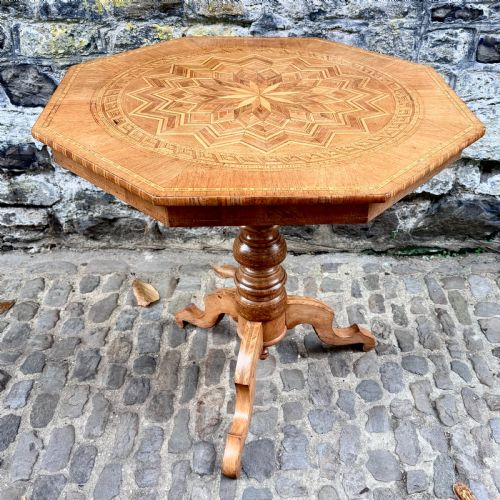
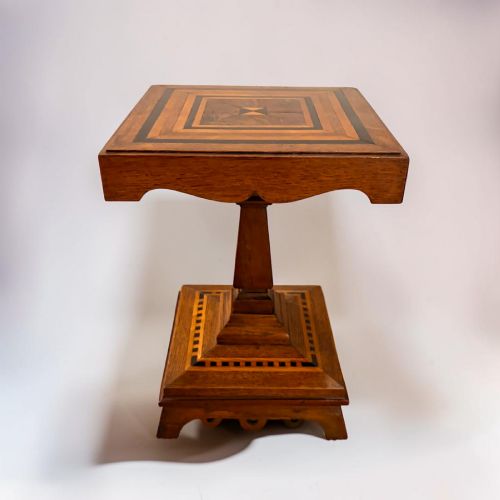
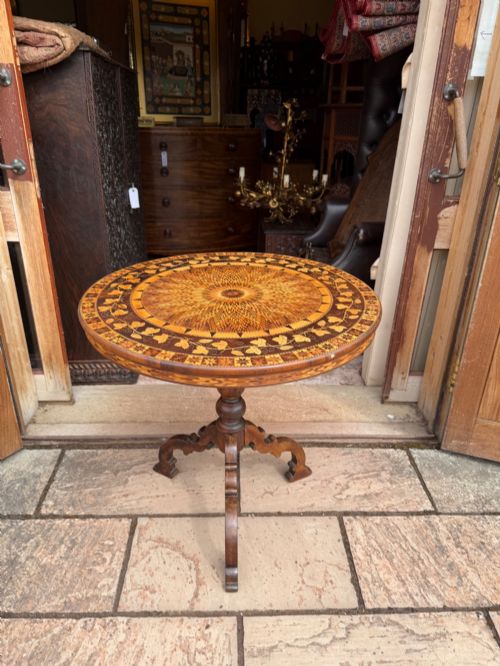
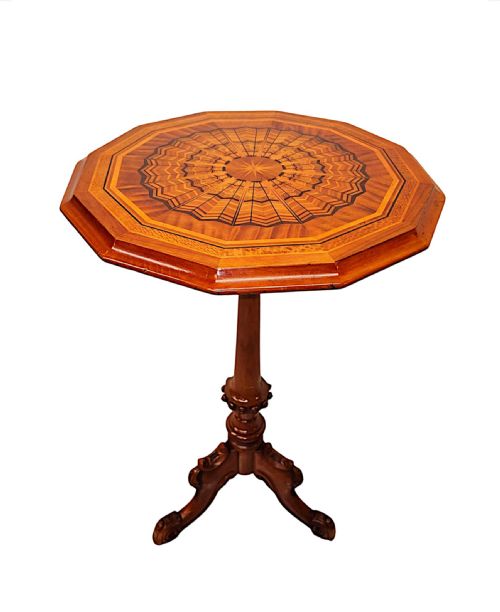


Geometric Inlaid Wooden Table
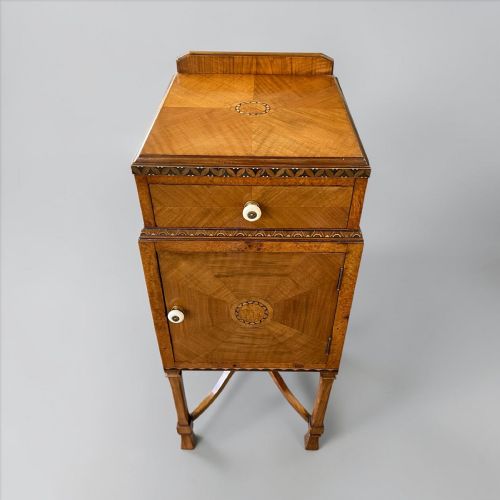
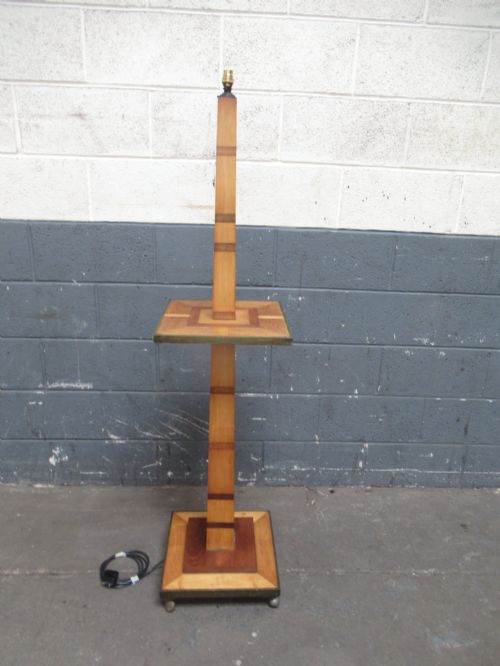
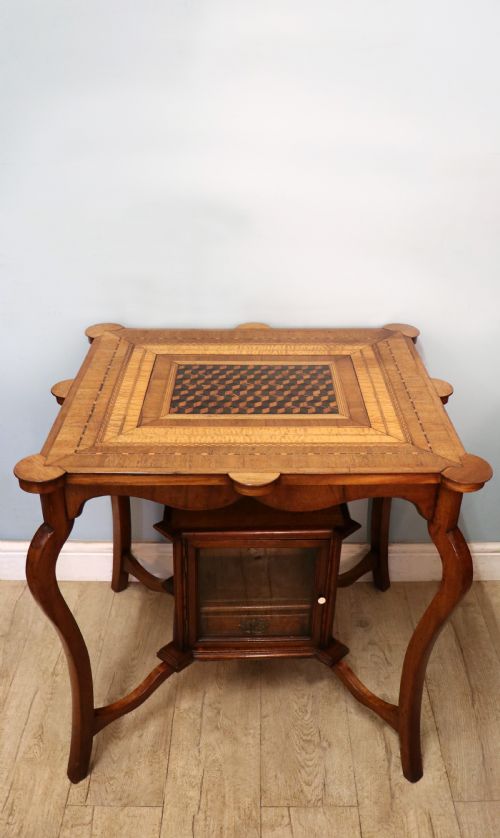
These geometric inlaid wooden table pieces bring intricate parquetry and diverse timber patterns into everyday rooms.
Geometric Inlaid Wooden Table
A geometric inlaid wooden table appears in forms ranging from compact side tables and occasional tables to larger dining and console tables. Buyers searching for a geometric inlaid wooden table will encounter pieces spanning the nineteenth century through the art deco period, reflecting varied regional traditions.
The selection includes specific regional work such as Italian Sorrento ware, Moorish revival designs with mother of pearl and bone, and British arts and crafts pieces. Side tables, coffee tables, and tripod bases dominate the offerings, often utilising octagonal or hexagonal formats.
Victorian and late nineteenth-century examples frequently employ complex parquetry top designs, sometimes combining cabinets or nest formats. Makers ranged from European workshops to New Zealand native timber productions and attribution to Gillows.
Materials and construction
Construction relies heavily on walnut, oak, satinwood, and rosewood, enhanced by intricate veneer work and hardwood bases. Craftsmen applied meticulous geometric patterns using contrasting timbers, bone, and mother of pearl.
Surface decoration extends to hand-painted elements and specimen marble tops on Italian console tables. Parquetry and mosaic techniques create the precise surface geometry characteristic of these works.
Geometric Inlaid Wooden Table Retail Price Guide 2026
Typical asking prices for geometric inlaid wooden table among the pieces listed under this phrase on Sellingantiques today, from the lower quarter to the upper quarter. They describe what is for sale here now, not the wider market.
Listings feature periods from the nineteenth century through the 1930s, including Victorian, art deco, and arts and crafts styles.
Evaluating quality
Quality rests on the precision of the inlay work and the complexity of the timber selection, such as satinwood or specimen wood arrangements. Superior pieces demonstrate tight joints, well-preserved veneer, and intricate multi-material execution involving bone or mother of pearl.
The sophistication of the design, from Moorish revival motifs to Italian Sorrento parquetry, dictates the standing of an individual table. Structural integrity of bases, whether tripod, pedestal, or four-legged, further separates standard production from finer workshop outputs.
Gillows·Anton Seuffer
The Geometric Inlaid Wooden Table Glossary
- Parquetry
- Geometric mosaic woodwork arranged in regular patterns, commonly forming decorative table tops. This technique uses contrasting timber veneers to build repeating shapes.
- Sorrento Ware
- Inlaid wooden decorative objects originating from Sorrento in Italy, often featuring intricate architectural or floral motifs. These pieces typically utilise multiple local and exotic woods.
- Moorish Revival
- An architectural and decorative style drawing inspiration from traditional Islamic design. Tables in this style frequently incorporate detailed bone and mother of pearl inlays.
- Specimen Wood
- Furniture surfaces constructed from numerous distinct varieties of timber, displayed to showcase natural colour and grain differences. These are often arranged in geometric or topographical patterns.
- Veneer
- Thin slices of fine wood applied to a base core material to provide a decorative surface. This method allows complex geometric patterns without warping solid timber.
Geometric Inlaid Wooden Table: Frequently Asked Questions
How do I identify a Sorrento table?
Look for characteristic Italian parquetry and micromosaic patterns executed in varied woods. These tables often display intricate geometric or pictorial motifs built into the surface.
Examine the construction details and timber choices typical of nineteenth-century Italian workshops. The precision of the veneer work usually points to regional Sorrento production.
What periods are common for these tables?
The pieces span the nineteenth century through the early twentieth century, with strong representation from the Victorian era. Art deco and arts and crafts examples also appear.
Stylistic markers help date pieces, moving from ornate Victorian parquetry to cleaner twentieth-century geometric lines.
Where were Moorish style tables made?
Moorish revival tables draw on Islamic design traditions and frequently incorporate materials like bone and mother of pearl. They reflect nineteenth-century European interest in North African and Middle Eastern aesthetics.
These works often feature hexagonal or octagonal forms with dense geometric surface patterns.
How should I care for an inlaid wooden table?
Keep wooden tables away from direct sunlight and steady heat sources to protect delicate veneers and natural adhesives. Consistent indoor humidity prevents the timber and inlay work from shrinking or cracking.
Clean surfaces gently with a dry or barely damp cloth, avoiding harsh chemical polishes that can damage old finishes.