


Geometric Diamond Runner
A geometric diamond runner brings structure and rich texture to a long hallway, formed from centuries of tribal weaving traditions.
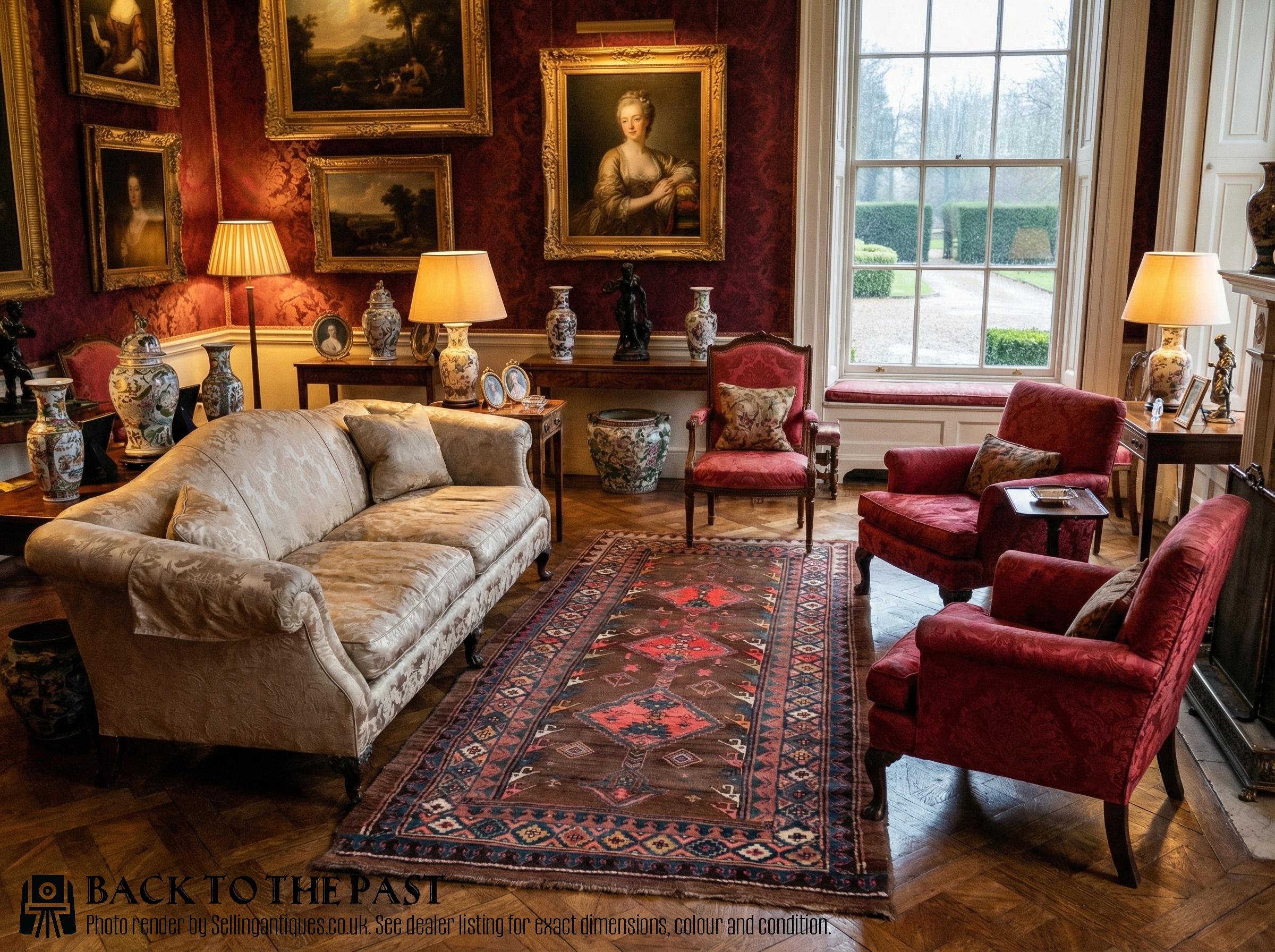
Geometric Diamond Runner
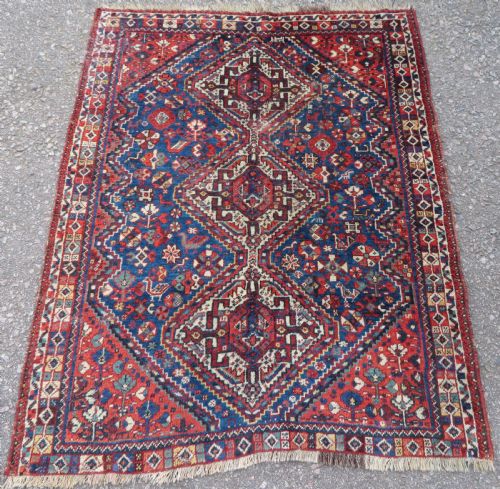
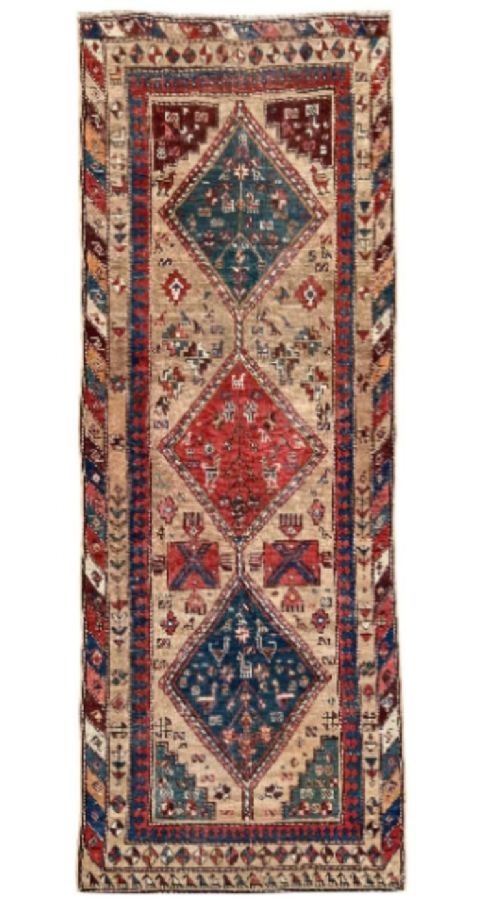
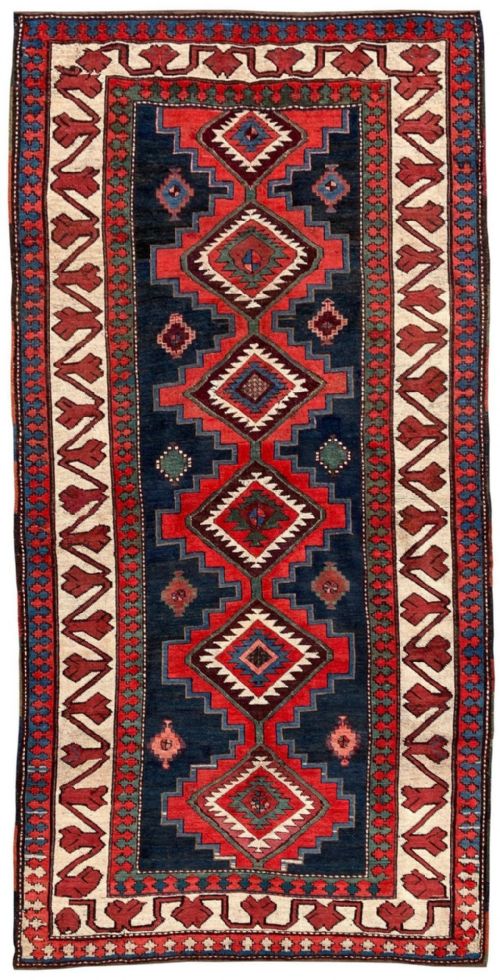
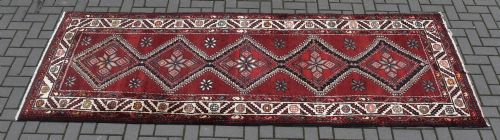
A geometric diamond runner comprises elongated floor coverings originating from tribal and village weavers across Persia, the Caucasus, Anatolia, and Central Asia. When you search for a geometric diamond runner, you meet long, narrow formats structured around repeating lozenge motifs and lattice patterns.
These textiles emerge from diverse nomadic and village traditions spanning the late nineteenth century through the early twentieth century. Makers utilised traditional formats such as Kurdish, Qashqai, Sarab, and Afghan pieces to line corridors and narrow spaces with durable wool.
The surviving examples range from narrow Anatolian and Heriz runners to Kurdish village weaves and Moroccan formats. Each piece reflects the specific tribal heritage and local aesthetic of its maker through distinct repeat patterns.
What varies in quality
The distinction between tiers rests in the handling of natural dyes and the crispness of the wool spinning. Finer examples display subtle tonal variations within the geometric diamond lattice, achieved through careful dye preparation.
Structural integrity also separates the output, visible in the density of the weave and the secure finishing of the edges. Tighter knotting or precise flatweave construction ensures the runner withstands foot traffic while maintaining its linear geometry.
Several runners were woven in two separate parts and joined down the middle to achieve the necessary hallway length.
The Geometric Diamond Runner Glossary
- Kilim
- A flatwoven carpet or rug produced without a pile by interlocking horizontal and vertical threads. These pieces often feature sharp geometric patterns.
- Soumak
- A flatweave technique involving a wrapping of supplementary-weft threads around the warp, resulting in a textured surface resembling a braid.
- Lozenge
- A diamond shape repeated across the field of tribal rugs. It forms the primary geometric motif in these runner designs.
- Warp
- The stationary vertical strings stretched on a loom to form the foundation of the rug. Weft threads are passed through these to lock the structure.
Geometric Diamond Runner: Frequently Asked Questions
Where did these runners come from?
These runners originate from tribal and village communities across Persia, Anatolia, the Caucasus, and Central Asia.
Nomadic groups and settled villagers wove them on portable or stationary looms for domestic utility and traditional use.
How do I care for a wool runner?
Protect the textile with a breathable underlay to prevent sliding and reduce friction against hard floors.
Vacuum gently without using a rotating brush roll, and consult a specialist in antique textiles for professional cleaning.
Are these runners made of natural materials?
The pieces consist predominantly of wool and hand-spun wool, often paired with cotton foundations.
Weavers dyed these fibres using natural colorants, yielding the mellow hues seen in nineteenth and twentieth-century examples.
What is a flatweave runner?
A flatweave runner lacks the pile of a traditional knotted carpet, constructed instead by interlacing warp and weft threads.
This group includes kilims and Soumaks, which offer a thinner profile suited for hallways.