
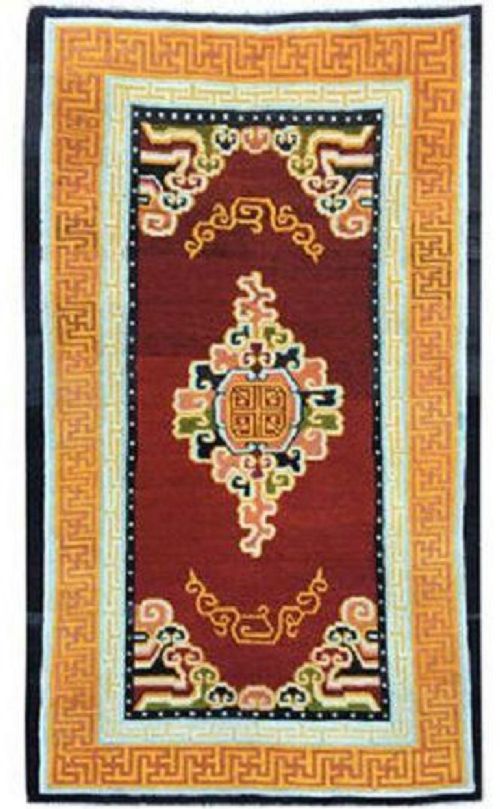
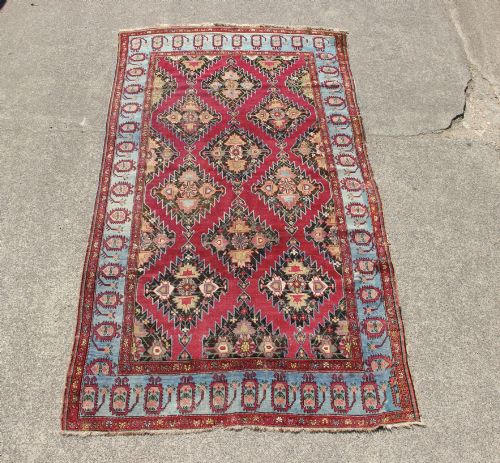


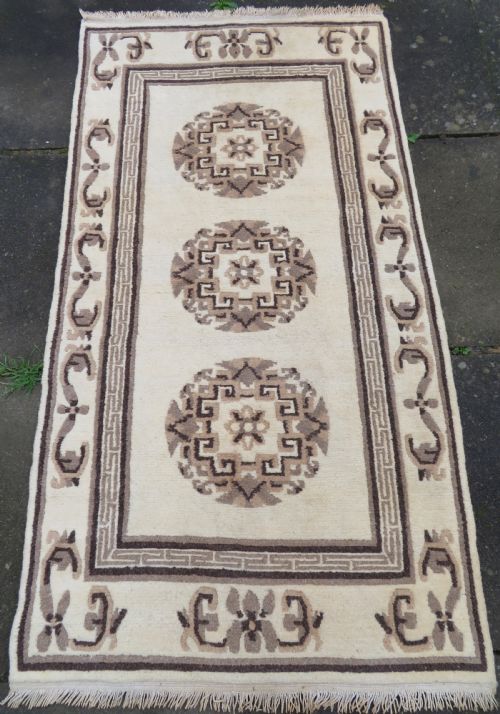


Geometric Border Wool Runner
These geometric border wool runner pieces deliver tribal designs and enduring materials for hallway spaces.
Geometric Border Wool Runner
A geometric border wool runner provides linear warmth and distinct patterns for corridors and long rooms. These textiles originate from various tribal and regional traditions across Persia, the Caucasus, and Central Asia.
Buyers frequently encounter pieces dating from the nineteenth century through to the early decades of the twentieth century. The selections range from narrow corridor lengths to expansive nomadic tent bands.
How they were made
Weavers construct these runners using natural wool and hand-spun wool fibres, often combined with cotton foundations. These traditional materials provide both structural resilience and a soft underfoot texture.
The methods rely on regional hand-knotting traditions passed through generations. Artisans dye the wool using natural pigments to achieve lasting colour depth across the linear motifs.
Listings feature wool, cotton, and hand-spun wool pieces originating from periods between eighteen fifty and nineteen thirty.
What varies in quality
The fineness of the knotting and the crispness of the linear motifs distinguish the finer examples from simpler village work. Superior pieces display deliberate symmetry and balanced proportions within the border patterns.
The condition of the wool pile and the integrity of the selvedges also influence the overall standard. Tightly packed foundations ensure the runner retains its shape under heavy daily foot traffic.
The Geometric Border Wool Runner Glossary
- Runner
- A long, narrow carpet designed specifically for hallways, stairs, and corridors. These formats guide movement through a building while protecting wooden floors.
- Pile
- The upright yarn loops that form the soft surface of a woven textile. Hand-knotted pile provides both cushioning and insulation.
- Selvedge
- The finished vertical edges of a rug that prevent the structure from unravelling. Secure selvedges maintain the straight lines essential in long runners.
- Boteh
- A stylised almond or pear-shaped motif frequently found in traditional eastern textiles. This ancient symbol often represents life and eternity.
Geometric Border Wool Runner: Frequently Asked Questions
Where should I place a runner?
These long formats suit high-traffic hallways, narrow corridors, and bedside areas where linear warmth is beneficial.
Ensure you measure your floor space accurately before selecting a specific length to maintain proper clearance along doors.
How do I clean wool runners?
Regular gentle vacuuming without a rotating brush helps remove embedded dust from the wool pile.
Professional specialist cleaning is recommended for deeper maintenance to protect the natural fibres and dyes.
Are these runners durable?
Natural wool fibres possess inherent oils that resist dirt and provide substantial resilience against daily wear.
Using an appropriate underlay beneath the runner prevents slipping and reduces friction between the floor and the weave.
How do I identify regional styles?
Distinctive border motifs, palette choices, and weaving structures point towards specific origins such as the Caucasus, Persia, or Anatolia.
Comparing the specific geometric arrangements helps trace the piece to its traditional crafting community.