



Geometric Baluchi Rug
A geometric baluchi rug brings nomadic pattern and rich texture into a room, offering hardwearing floor coverings rooted in tribal tradition.

Geometric Baluchi Rug
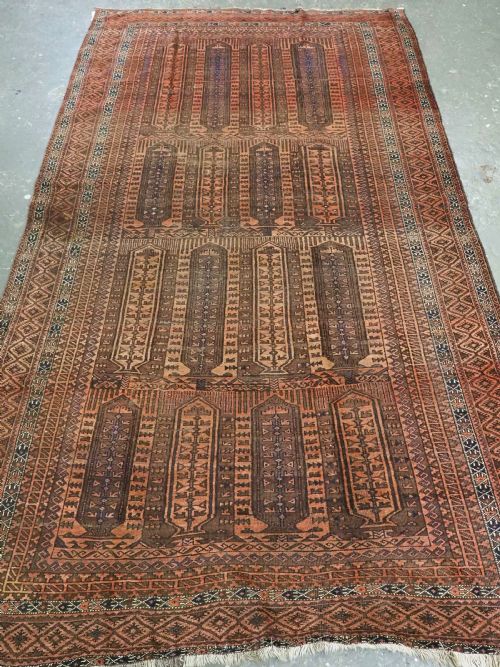
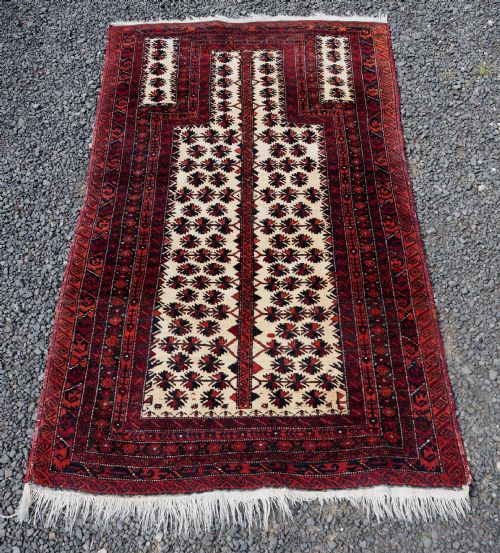
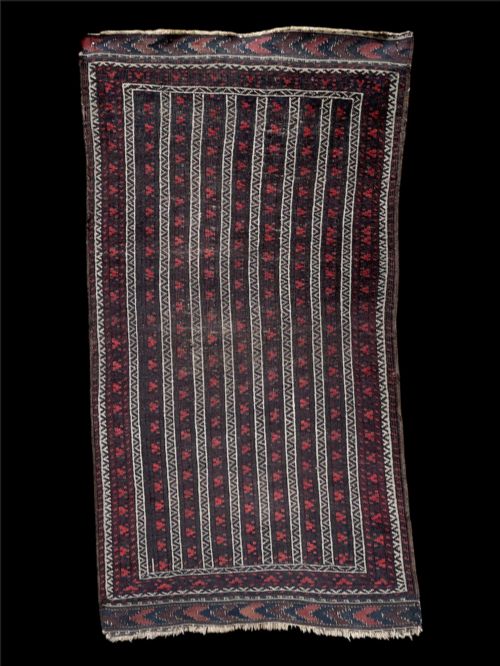
When you search for a geometric baluchi rug, you encounter hand-knotted and flatweave floor coverings produced by nomadic and village weavers across regions spanning Persia, Afghanistan and the wider borderlands. These pieces range from small area rugs and prayer formats to eating cloths, spanning late nineteenth-century examples up to early twentieth-century works.
The aesthetic centres on repeat motifs, octagons, and tribal field patterns executed within compact formats. Khorassan and Ferdows province origins appear frequently, bringing specific regional layouts and distinctive chromatic choices to the surface.
How they were made
These textiles rely entirely on wool foundations and pile, knotted by hand using traditional village techniques. Natural dyes provide the palette, yielding deep tones and subtle variations across the surface.
Weavers construct each rug to withstand daily utility, employing durable wool structures that maintain their integrity over generations of use.
Geometric Baluchi Rug Retail Price Guide 2026
Typical asking prices for geometric baluchi rug among the pieces listed under this phrase on Sellingantiques today, from the lower quarter to the upper quarter. They describe what is for sale here now, not the wider market.
Nomadic weavers occasionally inserted deliberate small imperfections into geometric grids to ward off the evil eye.
What varies in quality
Quality rests upon the crispness of the geometric drawing and the depth achieved by natural dyes. Pieces with unusual repeat patterns or scarce border details command greater attention from collectors.
The handle of the wool and the tightness of the knotting differentiate standard village output from superior tribal weaving. Well-preserved pile and intact selvedges elevate an individual rug within its period.
The Geometric Baluchi Rug Glossary
- Sofreh
- A flatweave eating cloth or serving spread woven by nomadic groups for domestic use. These textiles often display minimalist field designs.
- Prayer rug
- A small format rug featuring a mihrab or niche design used historically for daily devotions. The layout directs the user toward Mecca during prayer.
- Kalam donneh
- A specific repeat motif found in tribal carpets resembling the shape of a pen box or stylised leaf. It recurs across Western Afghan and borderland weaving.
- Natural dye
- Colour derived from plant, insect or mineral sources rather than synthetic chemicals. These dyes age gracefully and develop a rich patina over time.
- Flatweave
- A textile constructed without pile by interweaving warp and weft threads directly. This technique produces lighter, thinner coverings distinct from knotted pile carpets.
Geometric Baluchi Rug: Frequently Asked Questions
How do I clean a baluchi rug?
Gentle surface brushing and regular light vacuuming without a beater bar remove everyday dust. Professional textile cleaners who understand hand-knotted tribal wool should handle deeper washing.
Water saturation and harsh chemical detergents damage natural dyes and weaken wool foundations. Allow wet spots to air dry naturally away from direct heat sources.
Where were these rugs made?
Nomadic and semi-nomadic groups produced these pieces across Khorassan, Ferdows province, and regions of Afghanistan. Tribal weavers moved between camps and villages, incorporating local motifs into their work.
Attributions often point to specific tribal confederations or borderland communities whose stylistic markers remain visible in the patterns.
Can I use these rugs on the floor?
These textiles were originally constructed for domestic utility, including sitting, sleeping, and eating on hard ground. Placing a quality underlay beneath them protects the wool structure from premature wear on modern floors.
High-traffic hallways test the durability of older pile, whereas low-traffic areas or bedrooms preserve the wool and natural dyes for decades.
How do I date an antique rug?
Dating relies on examining the wool quality, the specific chemical signature or hue of natural dyes, and structural conventions like edge finishes. Regional design elements also shift across decades, providing clues to the era of production.
Earlier nineteenth-century examples often display more saturated natural palettes and denser knotting compared to later village output.