



Geometric Art Deco Lamp
A geometric art deco lamp brings sharp lines and industrial materials together, offering the quintessential lighting of the interwar decades.
Geometric Art Deco Lamp
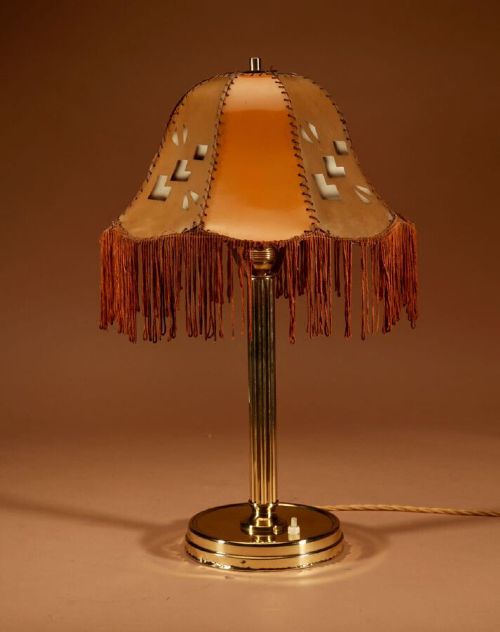
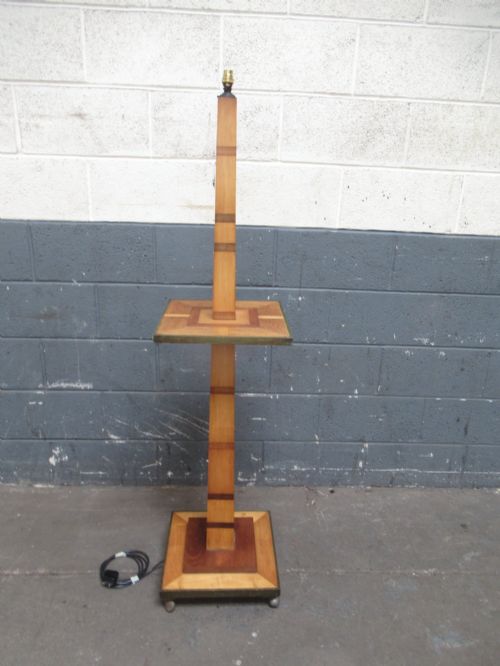
When searching for a geometric art deco lamp, collectors encounter lighting fixtures that span table lamps, floor lamps, wall lights, and pendant lights. These pieces primarily date from the 1920s and 1930s, displaying the characteristic clean angles and symmetrical forms of the period.
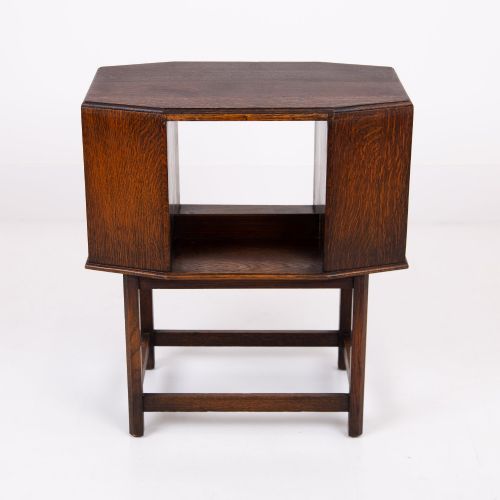
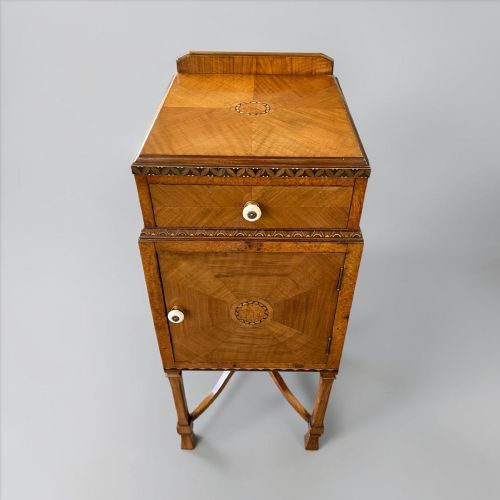
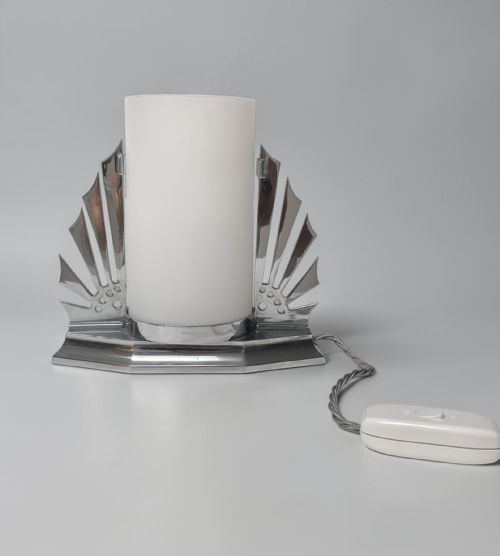
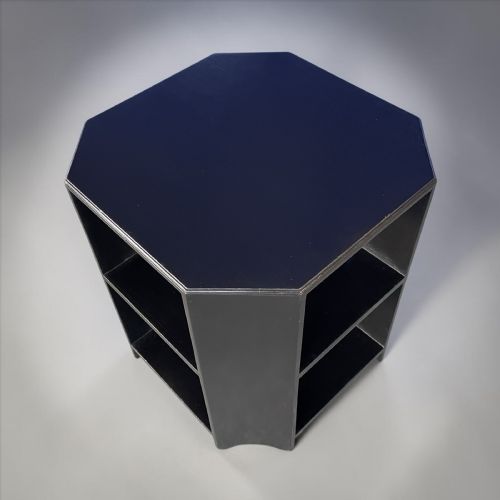
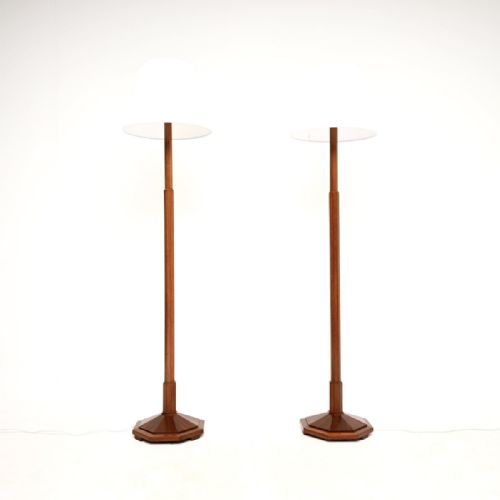
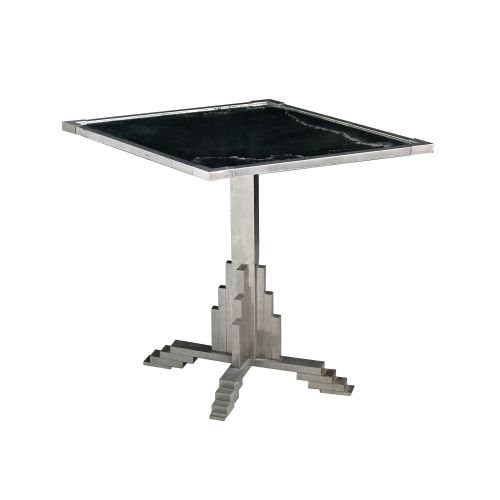
The most common forms on this page include standard lamps and table lamps, often paired with matching side tables or desks in period settings. Materials such as chrome, frosted glass, brass, and walnut define the physical presence of these fixtures.
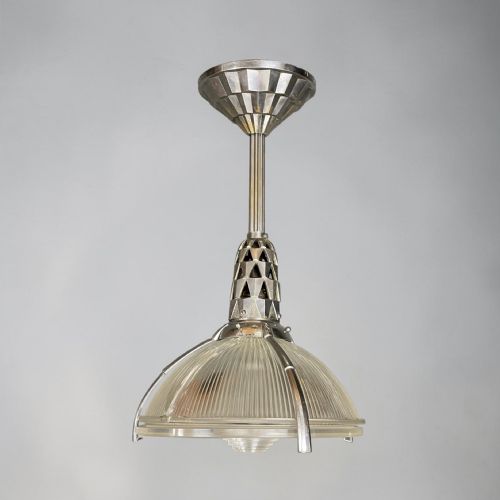
Beyond standard domestic lamps, the selection includes hanging lanterns and ceiling lights that utilise similar linear motifs. The aesthetic draws heavily from the broader art deco movement as well as American art deco and Amsterdam school influences.
Distinctions in quality and execution
Quality separates mass-produced utility lighting from pieces bearing specific design attribution and superior metalwork. The integration of high-grade materials like heavy cast brass, thick skyscraper glass, and highly figured veneers elevates certain examples above standard commercial output.
Subtleties in hand-chased metal details, original patination, and intact specialised glass shades distinguish the superior specimens from simpler utilitarian alternatives.
Materials documented across the catalogue include chrome, glass, walnut, brass, frosted glass, oak, metal, and Bakelite.
Émile-Jacques Ruhlmann·Muller Bros·Eileen Grey
The Geometric Art Deco Lamp Glossary
- Bakelite
- An early synthetic plastic used for durable electrical components and lamp bases. It marked a significant industrial shift during the period.
- Plafonnier
- A ceiling-mounted bowl light that sits close to the surface. These fixtures diffuse light evenly across a room.
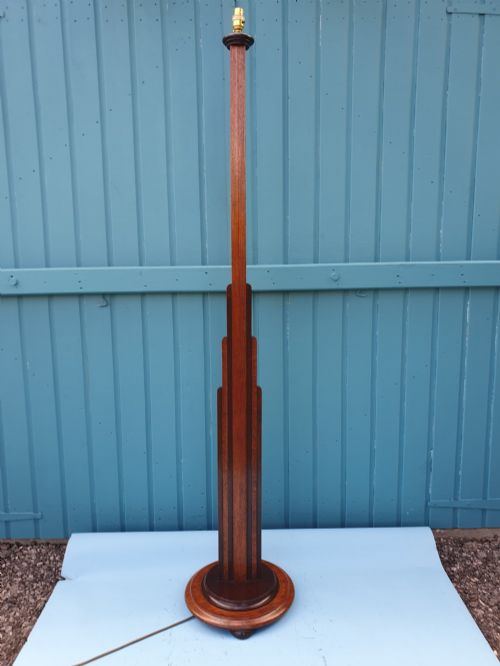
- Skyscraper
- A stepped architectural style inspired by American urban buildings. This form heavily influenced lamp bases and wall lights.
- Occasional table
- A small movable table frequently placed beside a lamp or chair. They often share the geometric veneers of matching floor lamps.
Geometric Art Deco Lamp: Frequently Asked Questions
How do I date a geometric art deco lamp?
Most examples originate from the 1920s and 1930s, though some transitional pieces trace back to 1900 or extend into 1940. Stylistic cues such as zig-zag motifs and stepped profiles help narrow down the decade.
Material choices also offer clues, with early plastics like Bakelite and celluloid appearing alongside traditional brass, chrome, and oak components.
Where should I place a floor lamp?
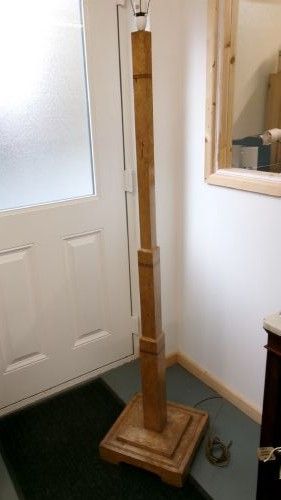
Standard lamps and floor lamps suit corners of living spaces or beside occasional tables and side tables. Their height provides ambient or task illumination while showcasing the vertical lines of the design.
Pairing them with matching furniture from the same period enhances the coherent aesthetic of an interior.
What is an uplighter?
An uplighter is a lamp designed to project illumination upward toward the ceiling rather than downward. This creates a soft, indirect glow that highlights room architecture.
These fixtures often utilise metal bowls or frosted glass shades to diffuse the upward beam.
Are ceiling lights difficult to install?
Ceiling lights and pendant lights require standard electrical fitting appropriate for modern domestic circuits. Professional installation is recommended to ensure safe wiring connections.
Original fixtures may need rewiring to comply with contemporary electrical safety standards while retaining their period housings.