



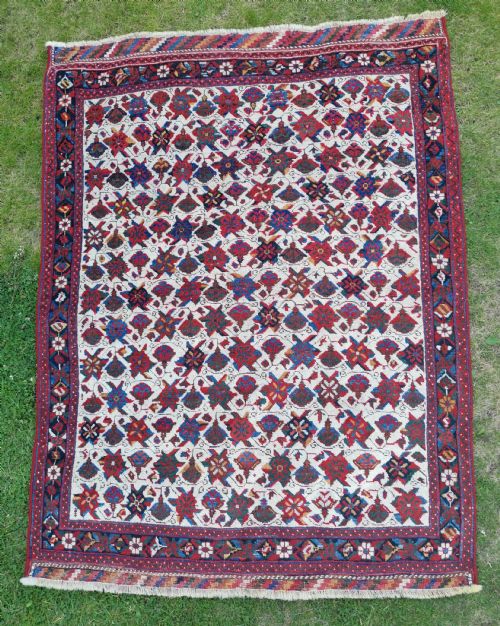
Geometric Wool Weave
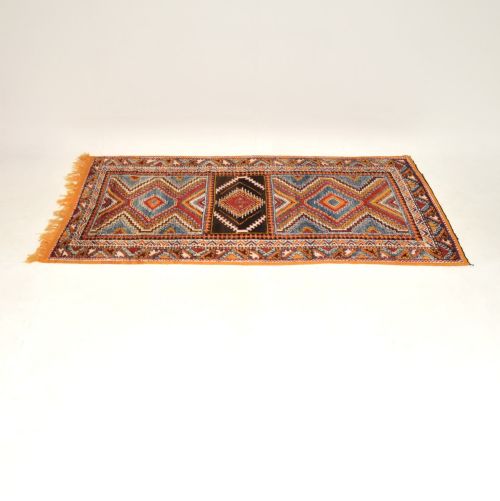
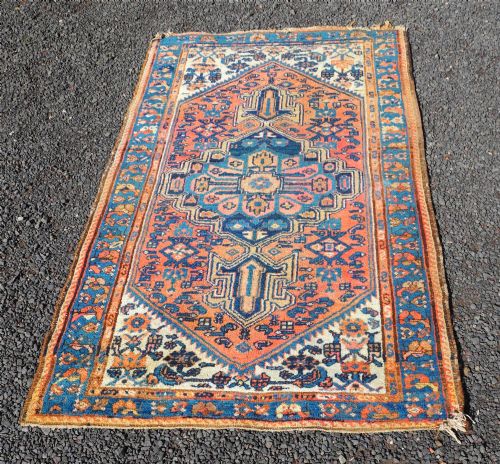
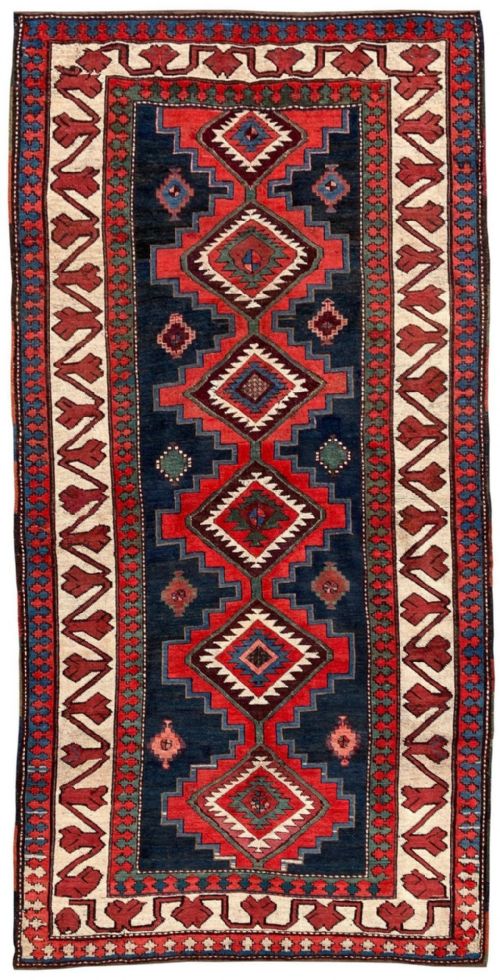
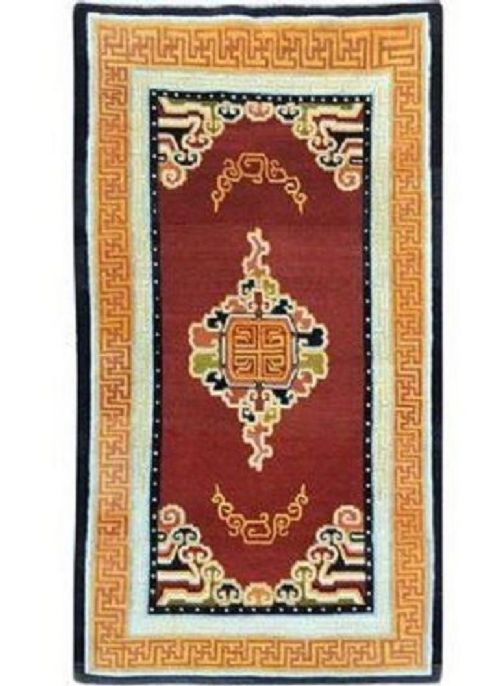
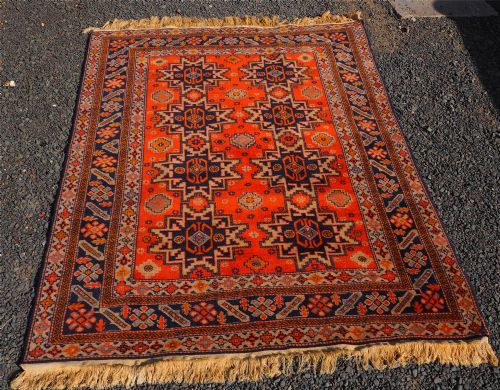
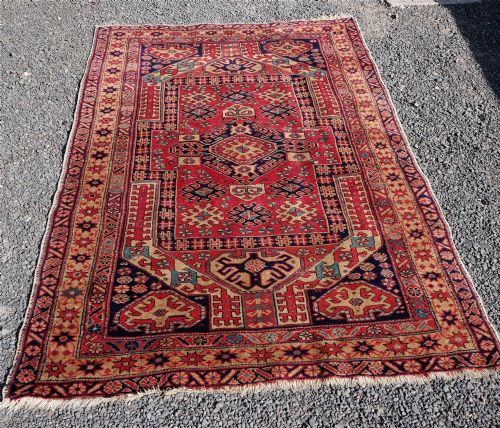
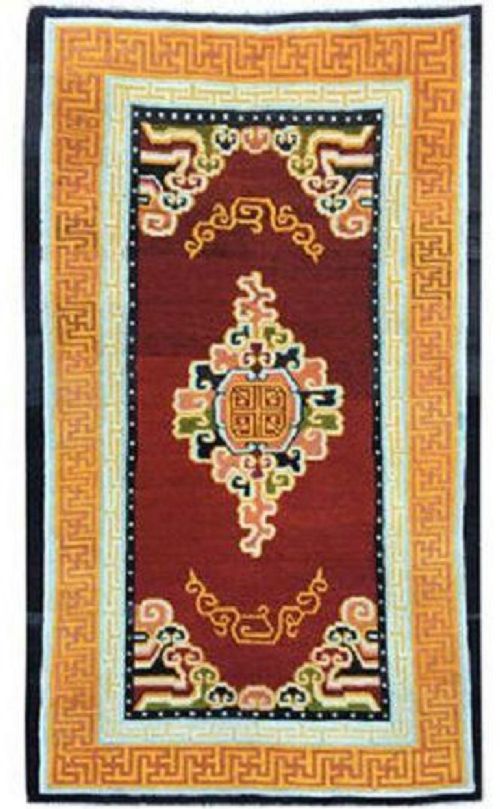
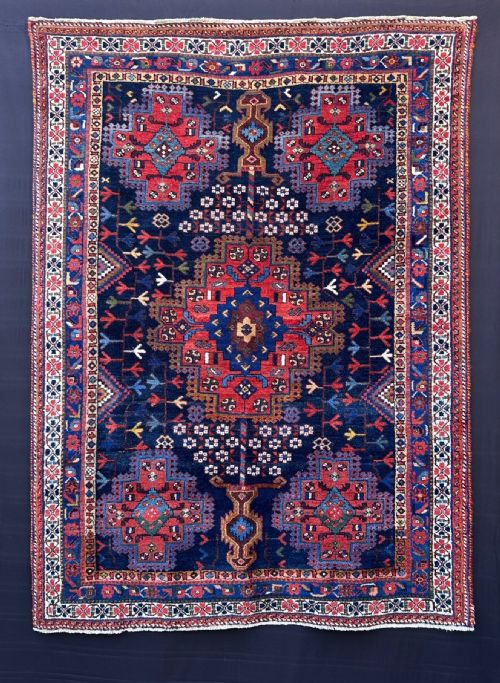
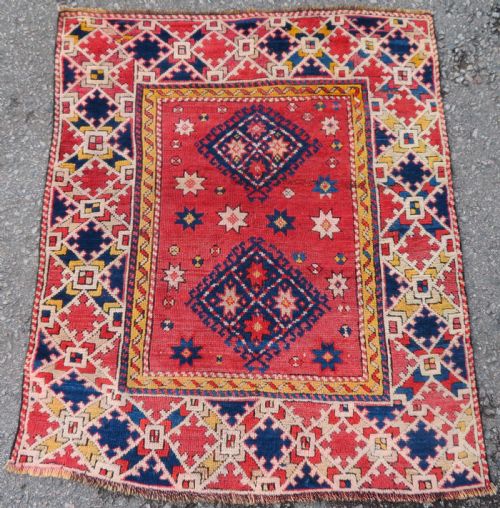
When you search for geometric antique wool weave, you are looking at tribal and village rugs defined by straight lines, medallions, and nomadic patterns.
Geometric Wool Weave
A geometric antique wool weave brings together tribal carpets, village rugs, and smaller household bags created across Persia, the Caucasus, Anatolia, and Central Asia. These textiles were made by nomadic and settled weavers who utilised repeated motifs, angular medallions, and rectilinear borders rather than flowing floral schemes.
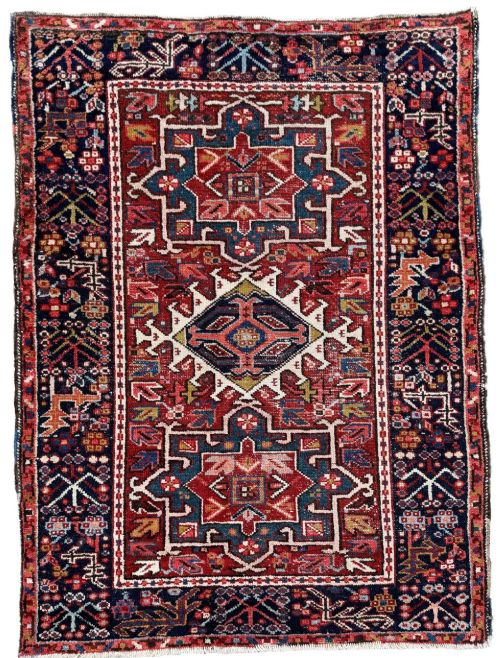
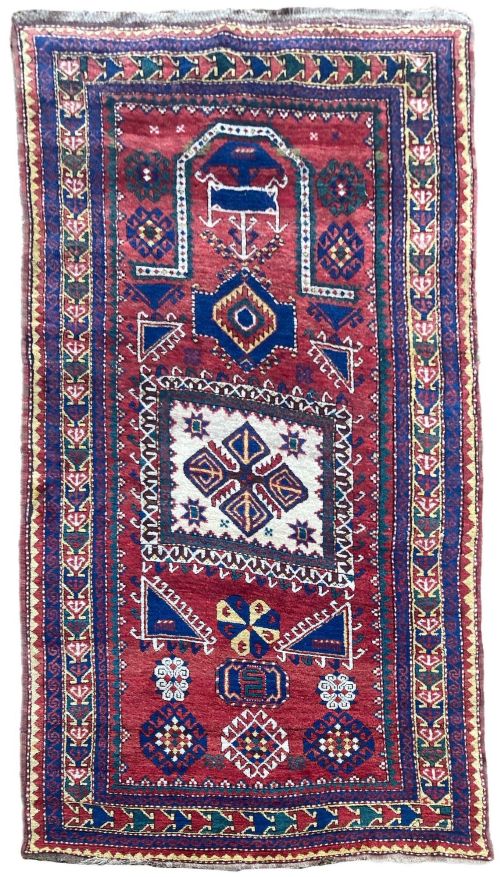
The versions most likely to be met on this page range from nineteenth-century carpets to early twentieth-century runner rugs, prayer rugs, and utilitarian bags. Pieces originating from Kurdish, Afshar, Khamseh, and Kazak traditions appear frequently alongside larger room-size Heriz and Hamadan carpets.
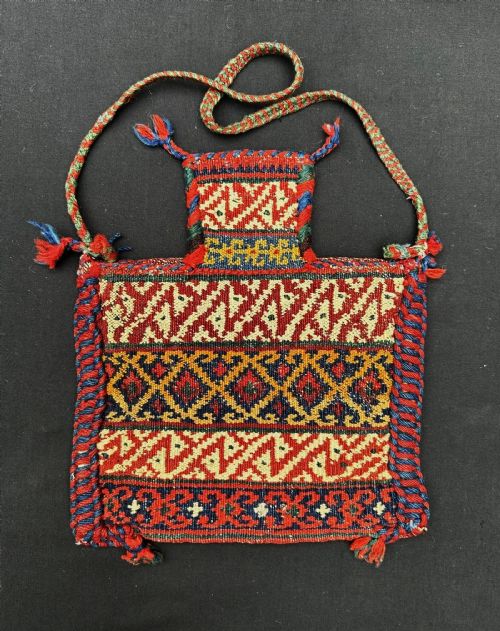
Beyond standard floor coverings, the selection includes smaller tribal artefacts such as saddle bags, vanity bags, and asmalyks. These smaller pieces demonstrate the same robust wool weave and characteristic geometric vocabulary scaled down for nomadic transport and daily use.
How They Were Made
The construction relies on hand-spun wool combined with natural dyes to create durable pile carpets and flatwoven kilims. Weavers worked on vertical or horizontal looms, building up the structure knot by knot or through interlocked weft techniques.
Natural colour sources produced deep tones of red, blue, and ivory that mellow across decades of exposure and use. The wool itself varied by region, yielding sturdy textures designed to withstand heavy foot traffic or nomadic transport.
Listings span from the 1870s through the 1930s, featuring wool, cotton, and natural dyes across Anatolian, Persian, and Caucasian tribal traditions.
What Varies in Quality
Quality in a geometric antique wool weave depends upon the precision of the tribal drawing and the handling of the palette. Stronger examples exhibit crisp delineation in the rectilinear medallions and harmonious saturation across the natural dyes.
The integrity of the hand-spun wool and the tightness of the knotting also separate standard utility pieces from exceptional tribal weaving. Furthermore, the originality of the borders and the retention of the original outer edges contribute substantially to the standing of any individual textile.
The Geometric Wool Weave Glossary
- Kazak
- A designation for rugs woven by various tribal groups in the Caucasus, known for bold primary colours and large geometric medallions. These pieces are particularly prized for their graphic layouts.
- Khamseh
- A confederation of pastoral tribes in southwestern Persia whose weavers produced distinctive wool rugs with repeating diamond motifs and dark grounds. Their work frequently incorporates small animal and human figures.
- Kilim
- A flatwoven textile produced without a pile, created by tightly interweaving warp and weft strands to form crisp geometric patterns. These lighter pieces served multiple utility functions within nomadic households.
- Asmalyk
- A pentagonal trapping traditionally produced by the Yomut tribe in Turkmenistan and mounted on bridal camel caparisons during wedding processions. They display intricate geometric symbolism.
- Medallion
- A central ornamental motif set into the field of a rug, forming the focal point of the composition. In tribal weaving, these shapes are rendered in angular, stepped outlines.
Geometric Wool Weave: Frequently Asked Questions
How do I clean an antique wool rug?
Regular gentle vacuuming without a rotating brush helps remove surface grit from the wool pile without damaging the hand-spun fibres.
For deeper cleaning, specialist professional washing is required to protect the natural dyes and prevent bleeding across the geometric design.
Can these rugs go in high traffic areas?
Traditional tribal rugs were constructed for daily utilitarian service using robust wool and sturdy knots designed to endure active use.
Placing them in hallways or living rooms is entirely practical provided an appropriate underlay is used to prevent slippage and excessive wear.
How do I tell different regional tribes apart?
Distinguishing between origins relies on observing the specific palette, border arrangements, and structural details of the wool foundation.
Caucasian pieces often feature bright primary colours and stark white grounds, while Persian tribal rugs like Afshar or Khamseh utilise darker indigo fields and intricate small-scale motifs.
What is the difference between a rug and a bagface?
Rug formats were woven as floor coverings or prayer mats designed to be laid flat within a dwelling or tent space.
Bagfaces represent the decorated front panels of utilitarian storage sacks utilised by nomads for transporting belongings during seasonal migrations.