



Gentlemans Gold Watch
A gentlemans gold watch carries a certain weight in the palm, uniting practical timekeeping with enduring material value.
Gentlemans Gold Watch
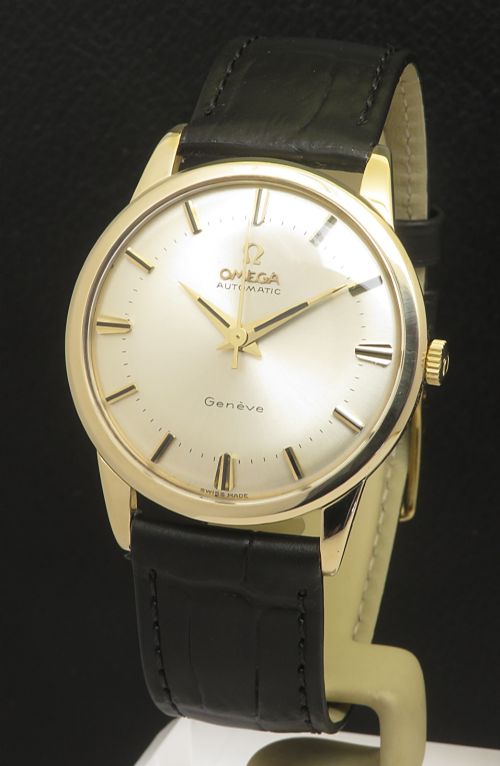
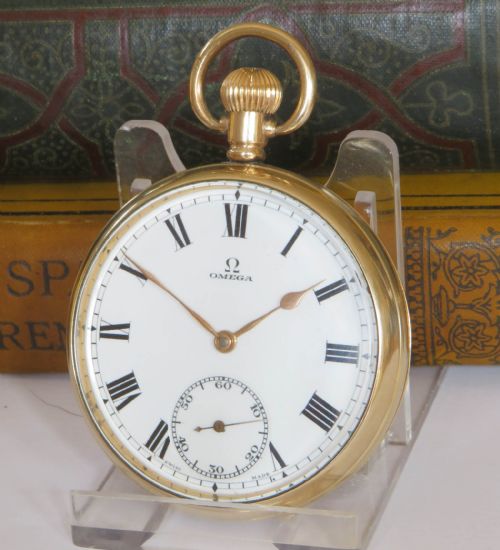
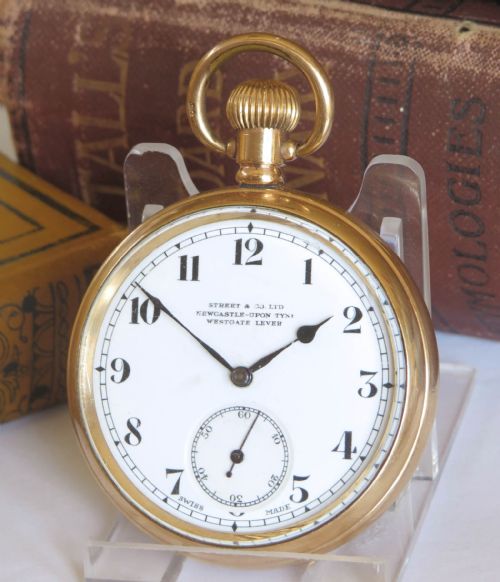
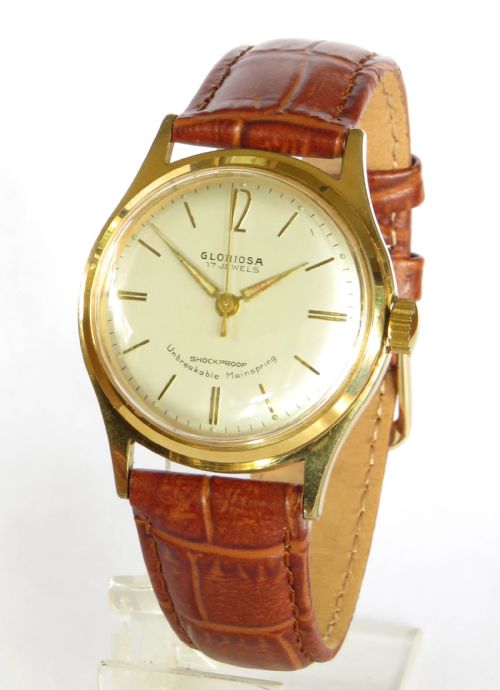
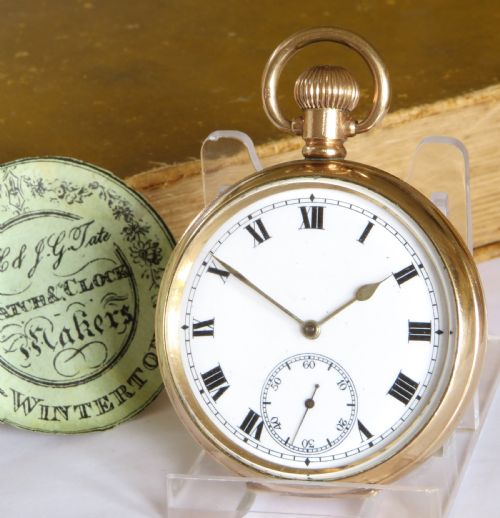
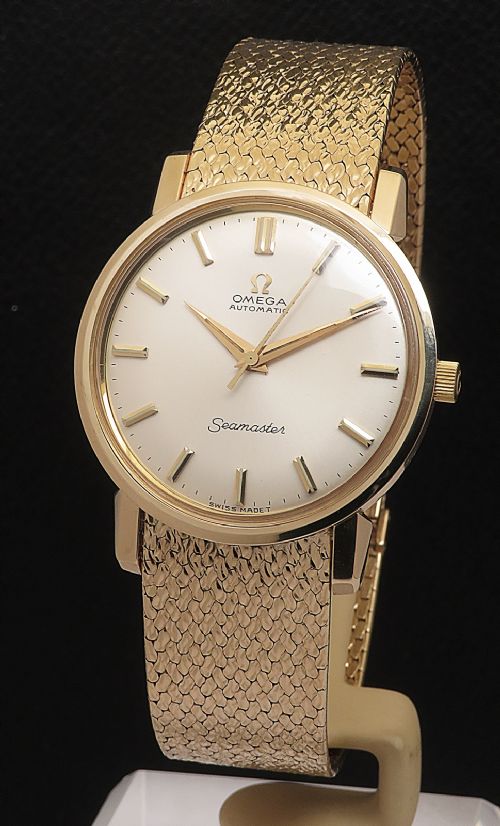
When you search for a gentlemans gold watch, you enter a field spanning pocket watches and wristwatches from the Victorian era through the mid-century decades. These timepieces served as daily essentials for gentlemen, transitioning from pocket formats to wrist-worn designs as tastes shifted over the twentieth century.
The versions you are most likely to encounter here range from solid 9ct and 14ct gold cases to gold plate, encompassing styles like Art Deco, Edwardian, and mid-century modern. Makers such as Omega, Record, and Tavannes appear alongside pieces featuring enamel dials and specialised half hunter covers.
Materials and Construction
Cases utilise solid 9ct gold, 14ct gold, or gold plate, often paired with protective glass crystals and delicate enamel dials marked with minute tracks and numerals. Many pocket watch cases display intricate engine turned patterns etched into the metal surface.
Movements rely on precision mechanical engineering, featuring stem winding mechanisms and internal calibres designed by established watchmakers. External touches include leather straps for wristwatches and hinged metal covers for half hunter pocket watches.
Object types include both open-faced pocket watches, half hunters, and wristwatches driven by mechanical movements.
Quality Variations
The distinction between standard examples and superior specimens rests on the integrity of the metal case, whether solid gold or plated, and the originality of the dial and movement components. Heavy solid 9ct or 14ct gold constructions naturally command greater regard than plated alternatives.
Makers and mechanical refinement dictate the upper tiers of the range, with established names like Omega and Tiffany bringing finer movement finishing and documented provenance. The presence of original boxes, papers, or unworn conditions further elevates specific pieces above everyday examples.
Omega·Record·Tavannes·Tiffany and Co·Elgin·Smiths
The Gentlemans Gold Watch Glossary
- Half hunter
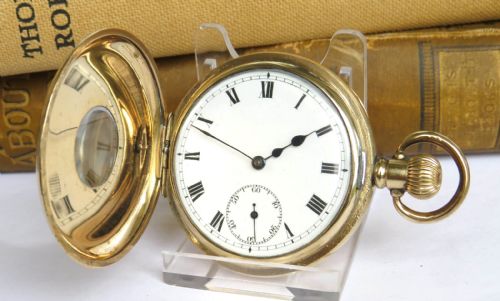
- A pocket watch case featuring a solid outer cover with a glass or open centre window, allowing the wearer to read the time without opening the case. This design protected delicate enamel dials from daily wear while maintaining quick legibility.
- Stem winding
- A mechanism that allows the watch to be wound via the crown at the top of the case, replacing older key-wind systems. This innovation became standard for pocket watches and early wristwatches.
- Engine turned
- A decorative technique involving precise geometric patterns engraved into metal surfaces using a specialised lathe. This finish catches the light and adds texture to gold watch cases.
- Calibre
- A specific manufacturer's designation for a particular watch movement design and size. Collectors reference calibres to identify the internal mechanics and era of a timepiece.
Gentlemans Gold Watch: Frequently Asked Questions
How do I wind a vintage watch?
Turn the crown gently between your thumb and forefinger in a clockwise direction until you feel slight resistance. Stop immediately to avoid over-winding and straining the mainspring.
For pocket watches, the crown sits at the top near the bow, while wristwatches feature a smaller crown on the side of the case.
Are these watches suitable for daily wear?
Many vintage pieces handle regular wear well, provided they receive proper care and routine servicing by a horologist. Solid gold cases offer robust housing for the internal mechanical movements.
Consider the presence of delicate enamel dials or vintage leather straps when deciding how often to wear a particular piece.
What is a half hunter watch?
A half hunter is a pocket watch with a protective metal cover over the dial, featuring a small glass aperture in the centre. This lets you check the hours at a glance without opening the hinged lid.
The outer metal ring often displays enamel hour markers corresponding to the dial beneath.
How do I identify the period?
Examine the stylistic cues, such as the geometric lines of Art Deco pieces from the 1920s and 1930s, or the clean minimalism of mid-century modern designs. Case hallmarks and movement serial numbers provide more precise dating.
Victorian and Edwardian examples often feature ornate engraving and heavy gold construction typical of earlier manufacturing.