
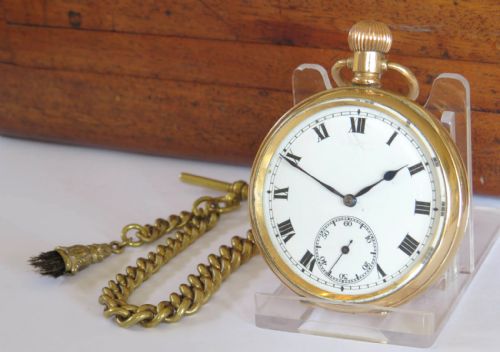
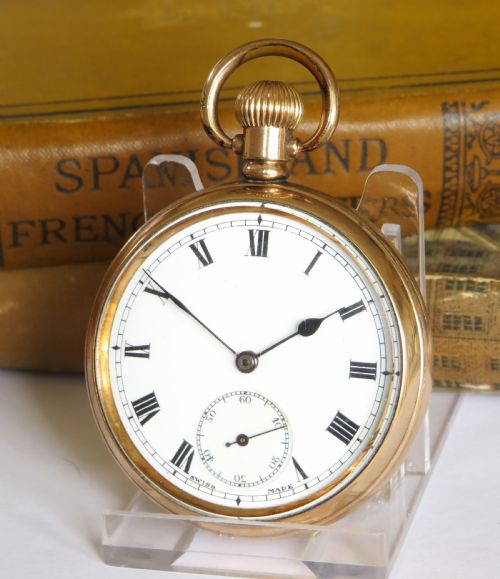
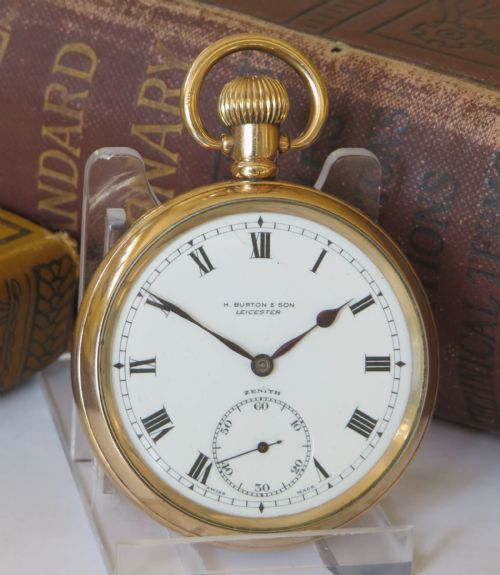
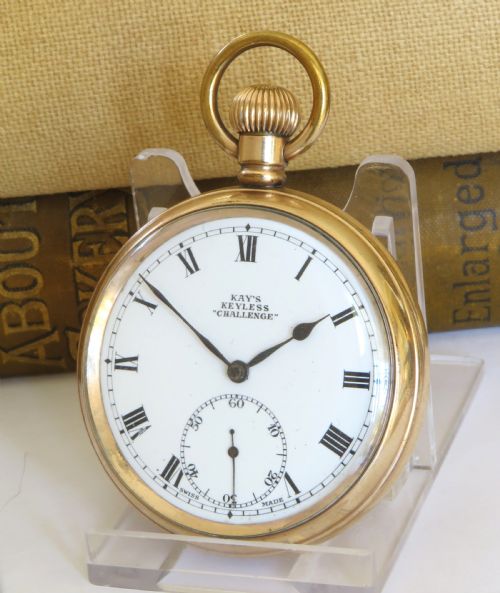



1920s Gold Pocket Watch
A 1920s gold pocket watch brings tactile mechanics and early twentieth-century style directly to the waistcoat pocket.
1920s Gold Pocket Watch
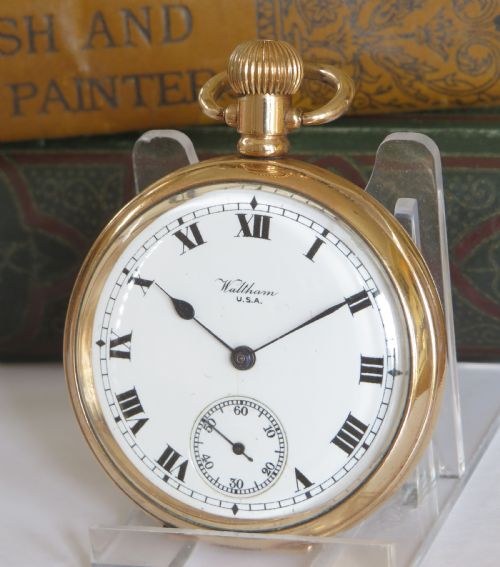
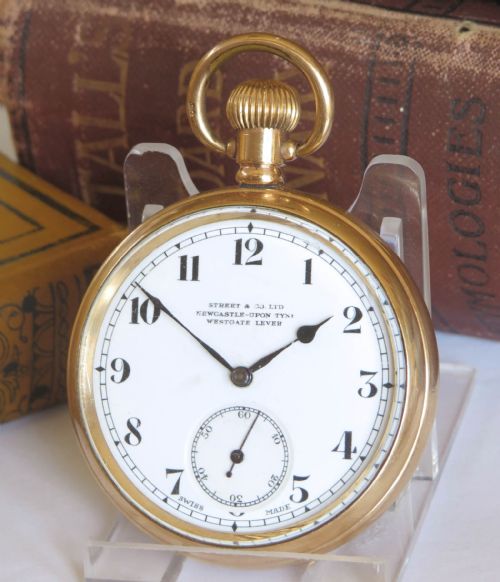
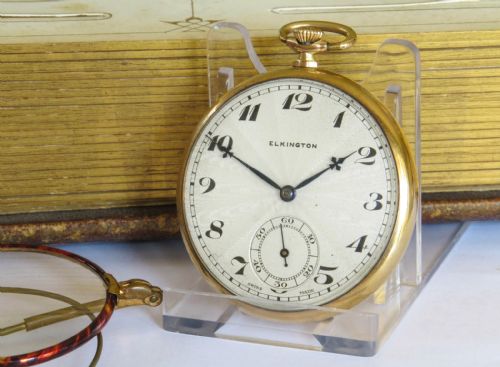
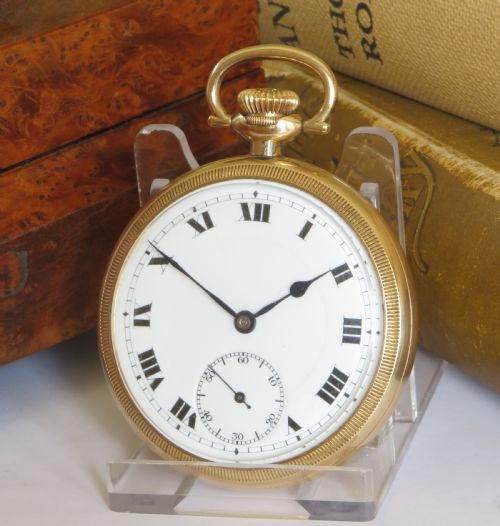
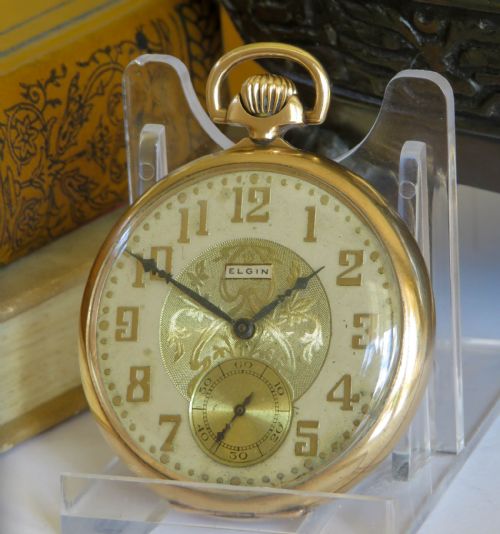
A 1920s gold pocket watch selection encompasses open faced designs alongside full hunter and half hunter pieces that protect the dial beneath a metal cover. These timepieces stem from the 1920 period, carrying Early 20th Century and Art Deco influences across their cases.
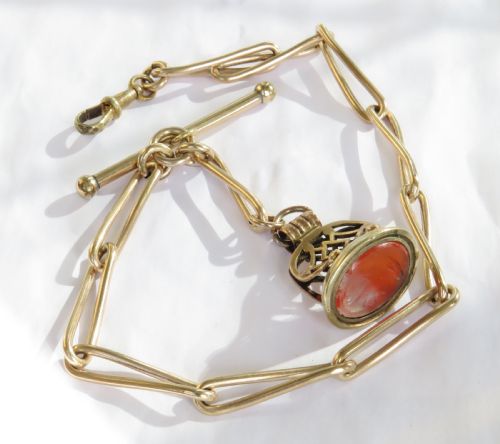
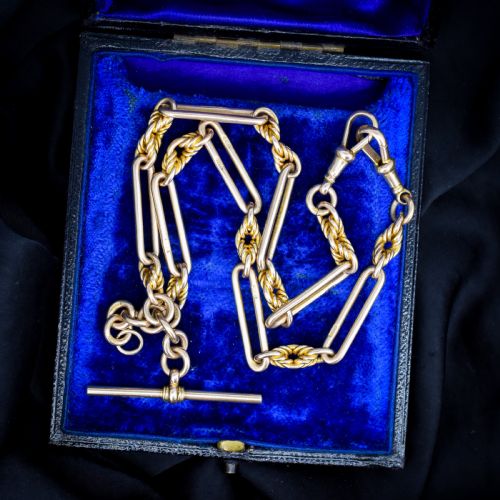
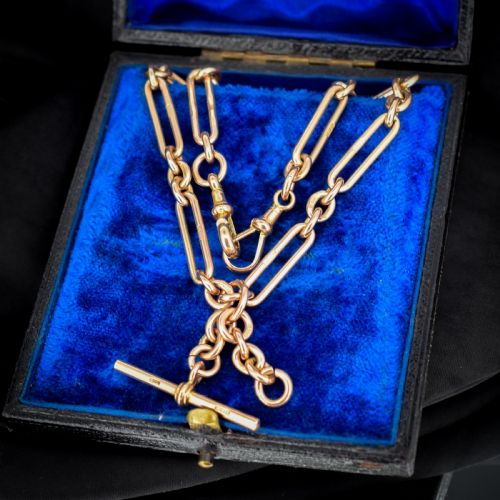
The associated watch chains, often called albert chains or watch chains, frequently accompany the pieces with trombone and love knot links. Many examples appear in rolled gold, gold plate, and solid 9ct gold or 14ct gold forms.
Makers and manufacturers of the era supplied movements housed in metal, steel, and glass configurations, sometimes accented with enamel. The survival of these objects spans standalone watches to complete sets paired with matching chains.
Distinctions in Quality
Solid gold content and heavier gold plating signify the upper tier of manufacture compared to standard gold filled or plated alternatives. The complexity of the movement, indicated by jewel counts and established Swiss or English makers, elevates the horological merit.
Case execution also distinguishes the range, where crisp engine turned engraving and robust half hunter mechanisms outlast plain stamped brass housings. Associated chains complete with matching hallmarked links add substantial weight and consistency to the ensemble.
Listings feature 1920 periods alongside Early 20th Century and Art Deco styles, utilising glass, enamel, steel, and various gold standards.
Waltham·Minerva·Zenith·Elgin·Tavannes·Limit·Moeris·Cyma·Vertex
The 1920s Gold Pocket Watch Glossary
- Full hunter
- A pocket watch featuring a spring-loaded metal cover that completely encloses and protects the glass dial. Pressing the crown typically releases the lid.
- Half hunter
- A pocket watch design incorporating a metal outer cover with a central glass window or aperture. This allows the wearer to read the hands without opening the case.
- Albert chain
- A decorative chain attached to a pocket watch and secured through a waistcoat buttonhole. Named after Prince Albert, these commonly feature trombone links and a T-bar.
- Stem winding
- A mechanical winding system operated via the crown at the twelve o'clock position. This method replaced key winding for everyday convenience.
- Engine turned
- A geometric decorative pattern mechanically engraved into the metal case. This technique produces repetitive precision lines across the gold surface.
1920s Gold Pocket Watch: Frequently Asked Questions
What is the difference between open faced and hunter watches?
An open faced watch exposes the glass crystal directly to the elements without any protective metal cover. This allows for immediate time checking at a glance.
In contrast, a hunter watch encloses the dial behind a hinged metal lid that springs open via the crown. This design guarded the glass against scratches during daily wear.
Can I wear a pocket watch without a waistcoat?
Pocket watches secure easily to belt loops, jacket pockets, or lapel buttonholes using an attached albert chain or leather fob strap. The T-bar slips through a buttonhole while the watch rests securely in the pocket.
Alternative carrying methods include specialised trouser fob pockets designed specifically for timepieces. The chain length dictates the hanging drape and attachment point.
How can I tell if a case is solid gold or plated?
Inspect the inner case backs and bezels for hallmark stamps denoting gold purity such as nine carat or fourteen carat standards. Rolled gold and gold plate typically bear stamps indicating the plating method or metal composition rather than fineness marks.
Wear patterns around high-friction edges can also reveal base metal showing through thinner layers of plating.