
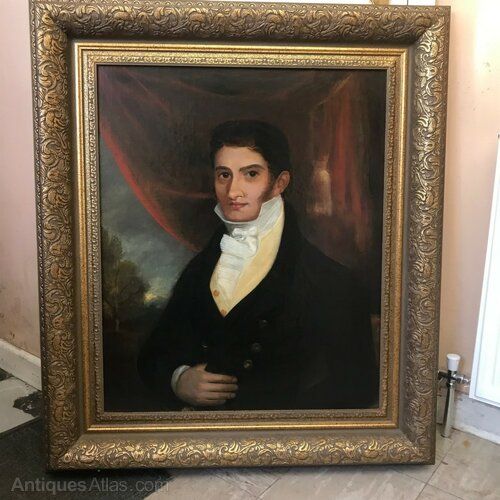
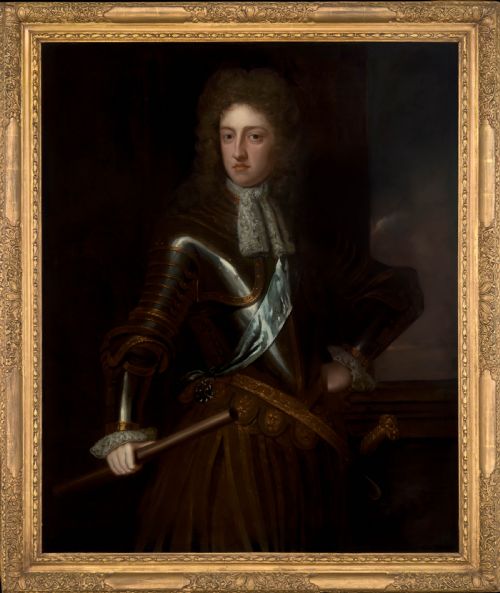
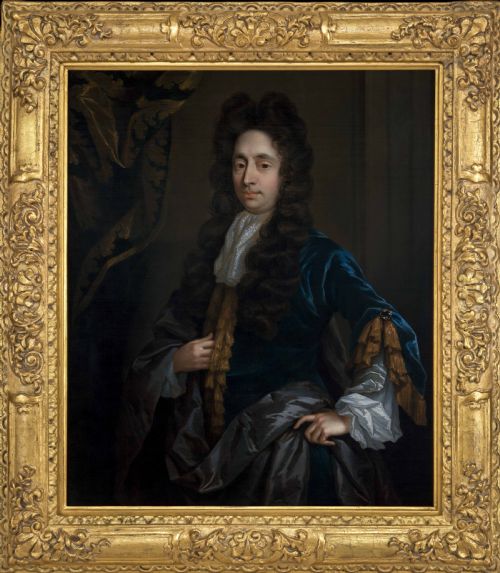
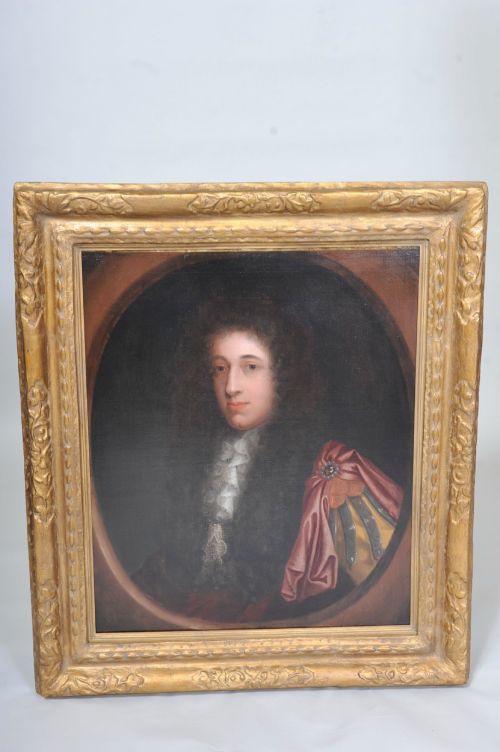
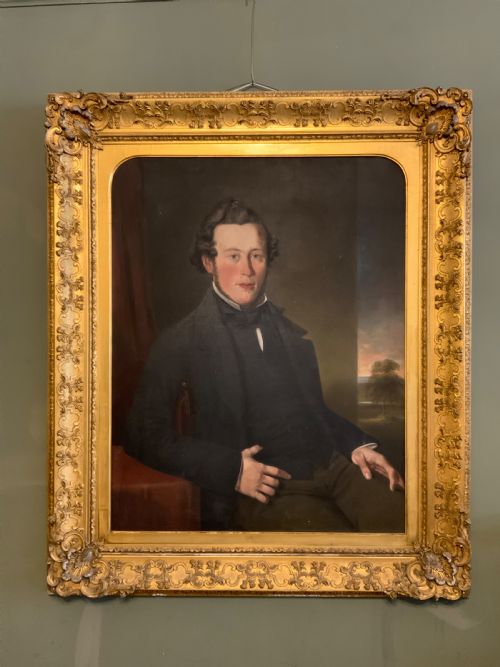
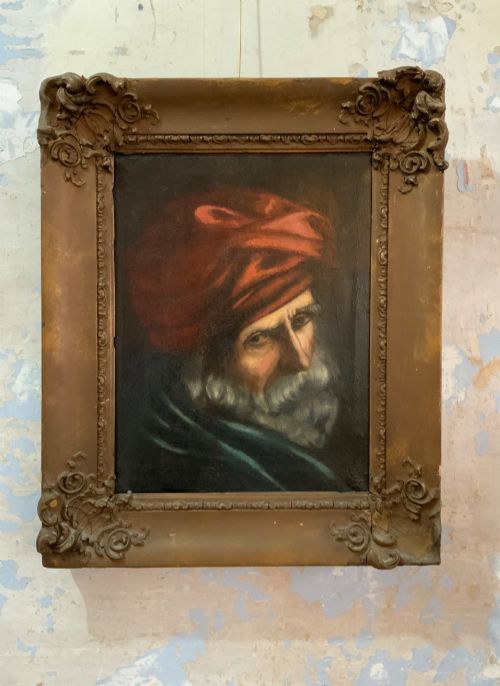
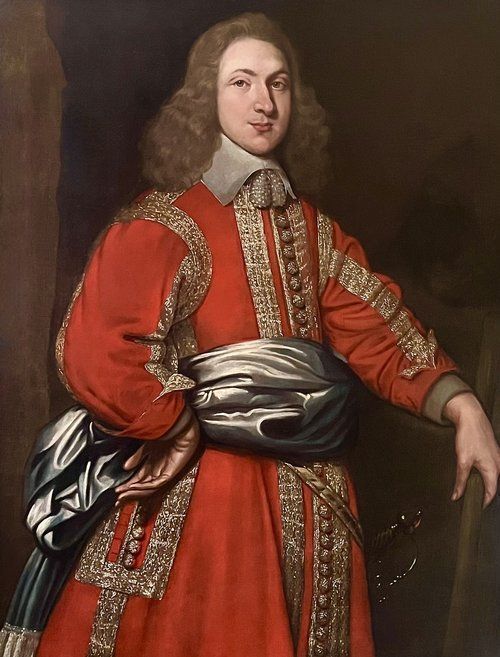
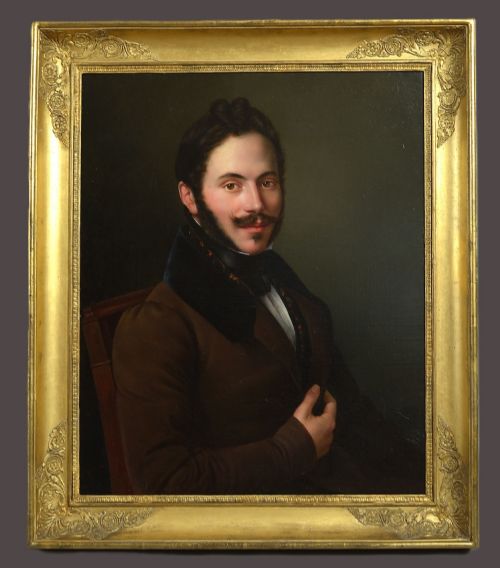
Gentleman Portrait Oil Artwork
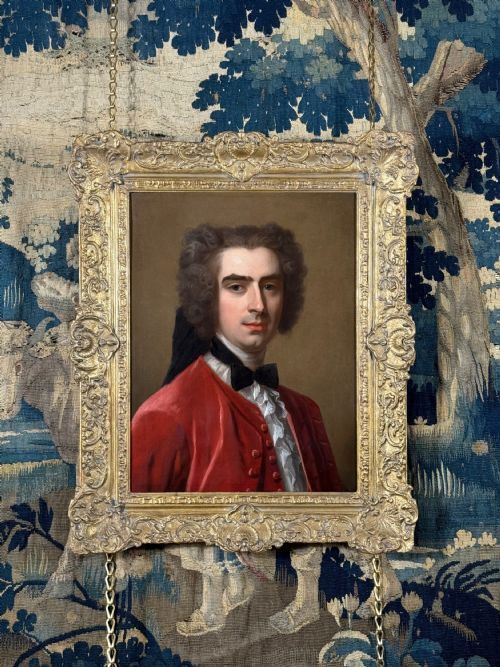
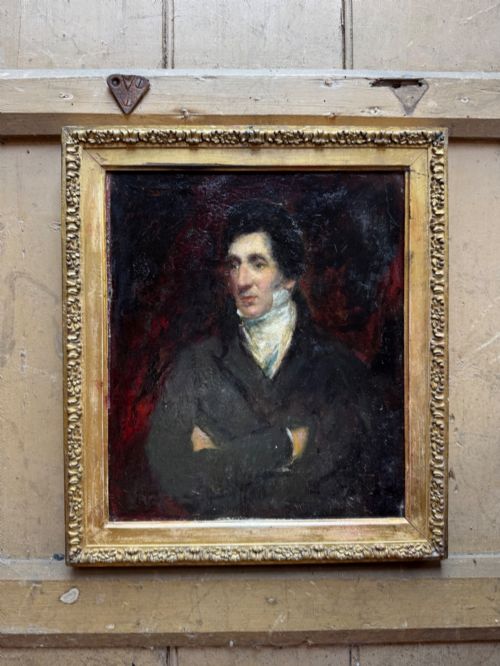
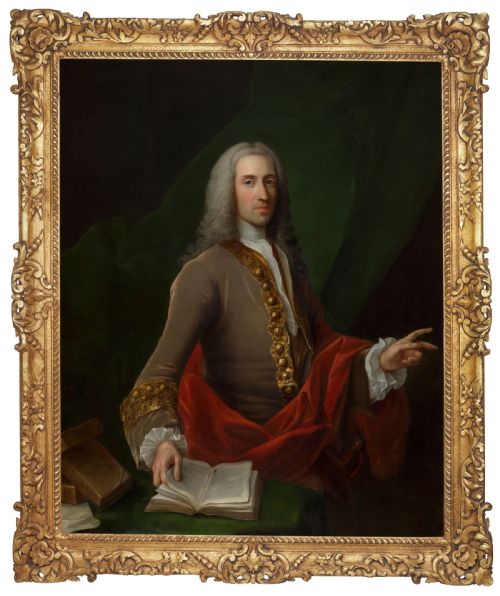
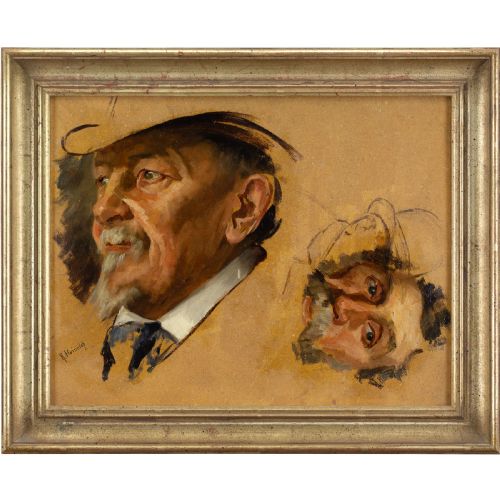
A gentleman portrait oil artwork captures the likeness and status of historical figures through lasting oil pigment on canvas and panel.
Gentleman Portrait Oil Artwork
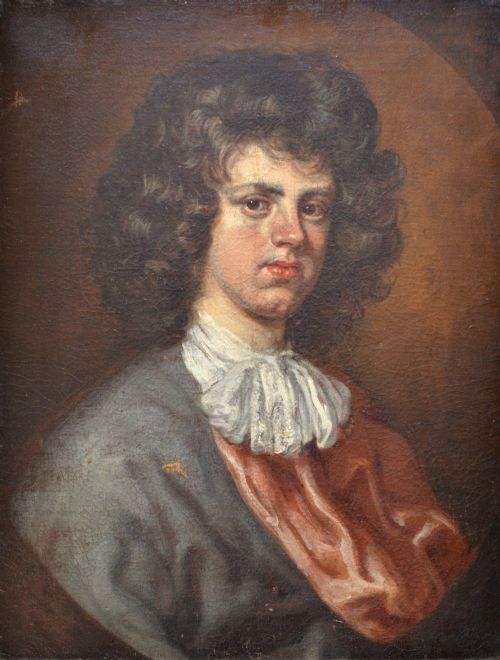
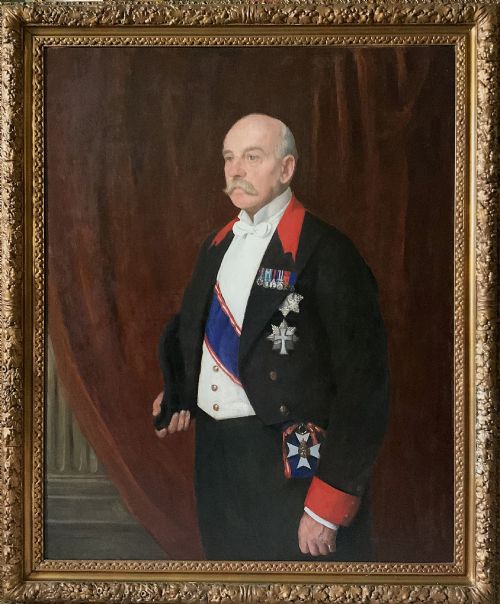
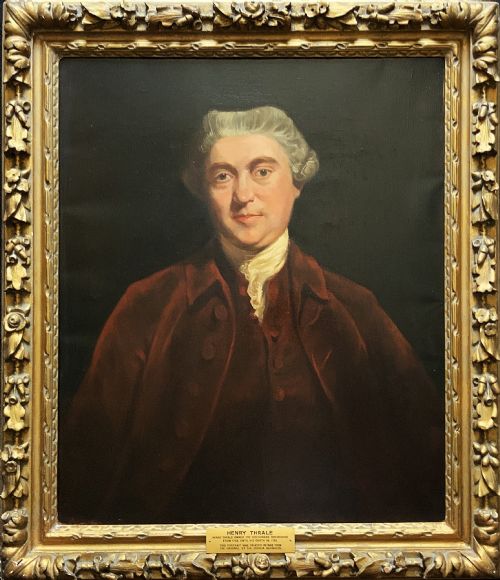
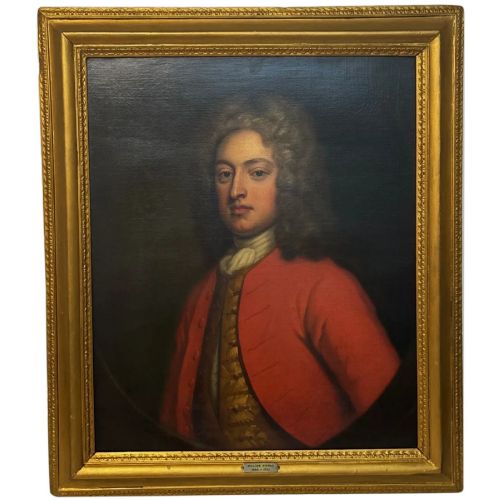
A gentleman portrait oil artwork represents male sitters ranging from military officers and judges to physicians and nobility. These pieces span multiple centuries, capturing evolving social roles and personal status through painted likeness.
The selections on this page encompass works from the seventeenth century through the early twentieth century. Common formats include oil on canvas alongside oil painted on board, often presented in period frames.
Origin points stretch across British, French, German, and Anglo-Dutch schools. Subjects appear in formal attire, armour, or academic robes, reflecting the specific sartorial markers of their era.
How they were made
These works rely on oil paint applied to prepared canvas or wooden board supports. Artists utilised rich pigments bound in oil to build depth, texture, and tonal gradation across the subject's face and garments.
Many historical examples retain their original or period giltwood frames, which incorporate carved wood and gold leaf ornamentation. The physical construction of the stretcher frames and canvas weave assists in dating the physical object.
Listings feature seventeenth and eighteenth-century oil portraits on canvas and panel, alongside nineteenth-century British and European examples.
What varies in quality
Attribution to documented artists or established regional schools elevates the standing of an individual canvas. Works from identifiable studio circles or recognised historical hands command greater scholarly and aesthetic interest.
Jean-Baptiste Van Loo·Jeremiah Davison·Sir Godfrey Kneller·Constantyn Netscher·Mary Beale·Edouard Pingret·Sir William Beechey·Charles Jervas·John Michael Wright·Pieter Borseler·Joseph Vivienne·George Watson·Harold Knight
The Gentleman Portrait Oil Artwork Glossary
- Oil on Canvas
- Pigments mixed with an oil medium applied to a woven fabric support. This combination allowed artists to blend tones smoothly and achieve rich coloration.
- Giltwood
- Wood decorated with a thin layer of gold leaf or powder. This material frequently frames antique portraits to enhance their visual presence.
- Studio of
- A term indicating a work produced under the direct supervision of a master artist, often utilising designs from the primary workshop.
- Circle of
- A designation for a painting produced by an anonymous artist working closely within the style and period of a known master.
- Panel
- A flat wooden support used for paintings before canvas became the dominant medium. Wooden boards provide a rigid base for early oil works.
Gentleman Portrait Oil Artwork: Frequently Asked Questions
How do I date an old portrait?
Dating relies heavily on the sitter's clothing, wig style, and facial hair, alongside the physical characteristics of the canvas and stretcher. Examining construction methods of the frame provides additional chronological clues.
Signatures, inscriptions, and artist attributions written on the reverse of the canvas or frame offer direct evidence of origin. Comparing the painting technique to known works from specific historical schools narrows the timeframe further.
What subjects appear in these paintings?
Subjects include military officers, judges, doctors, and nobility, often depicted with symbols of their profession such as books or armour. These portraits recorded the social standing and identity of the sitter for posterity.
Many sitters held notable historical positions, ranging from prime ministers to lords and privateers. Their garments and accessories reflect the specific fashions of British, French, and German society.
How should I care for an oil portrait?
Keep the artwork away from direct sunlight and dramatic fluctuations in temperature and humidity to protect the canvas and oil pigments. Stable indoor environments prevent the wood stretcher and canvas from warping or cracking.
Dust the surface gently with a soft, dry brush without applying pressure or cleaning solutions. Professional conservators should handle any restorative cleaning or canvas repair.
What is an attribution?
An attribution assigns a painting to a particular artist based on stylistic similarities, technical execution, and historical documentation. Terms like circle or studio indicate a close connection to a named master without direct authorship.
Expert examination of brushwork and pigment helps validate these connections. Attributions clarify the lineage and historical context of unsigned or partially documented artworks.