





General Officer Portrait
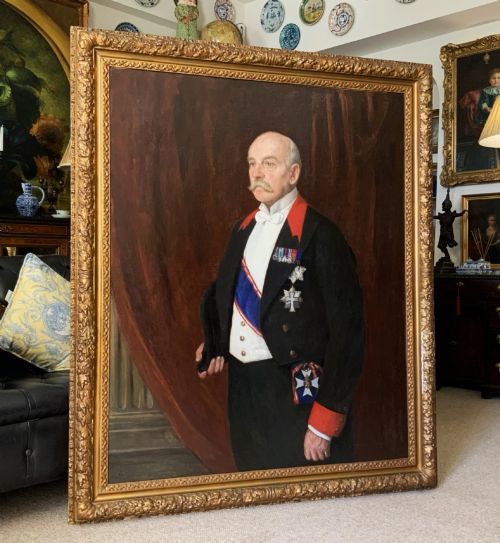
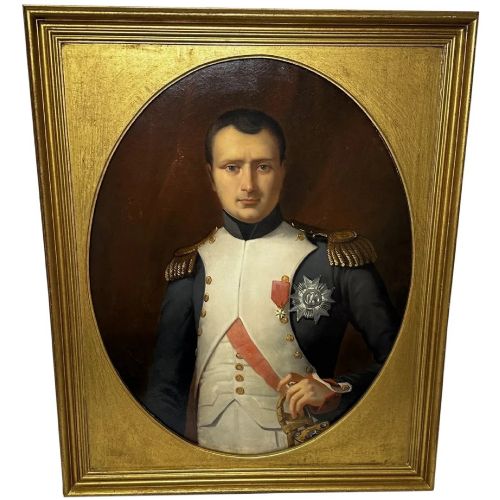
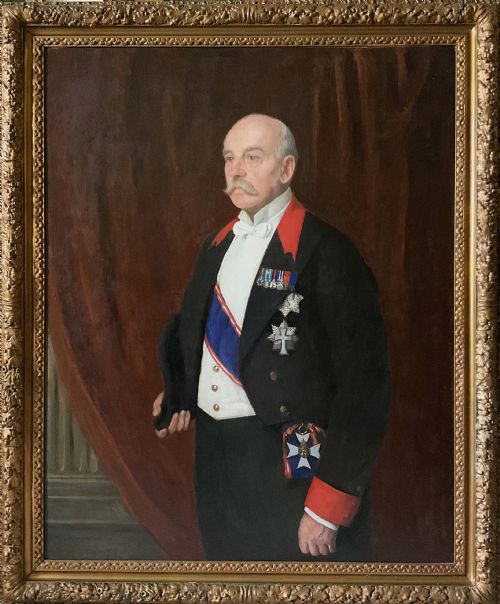
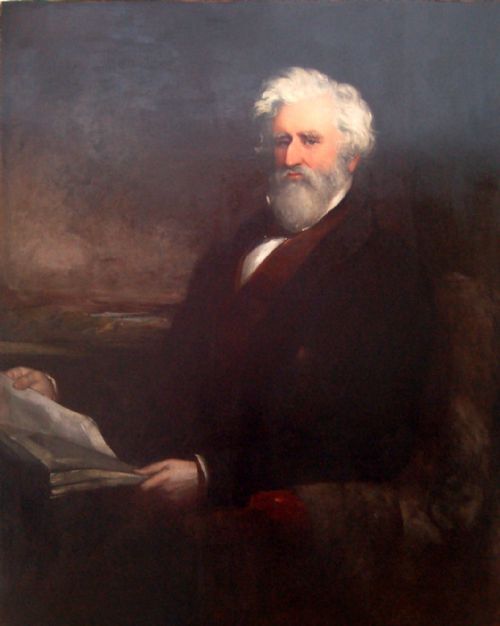
A general officer portrait captures the likeness of high-ranking military commanders in oil on canvas, paper, or framed photographs, offering a direct window into historical command.
General Officer Portrait
A general officer portrait represents military leaders from the 18th century, the 19th century, the Victorian era, the Edwardian period, and the mid-20th century. These works appear primarily as large oil paintings on canvas alongside smaller portrait miniatures, framed photographs, and fine art works on paper.
The subjects depicted include British, French, and American figures of high rank, ranging from major-generals and lieutenant-generals to field commanders and governors general. Works span distinct regional artistic traditions, including the English School and the French School, as well as specific movements like 19th-century realism and early 20th-century realism.
Buyers seeking a general officer portrait encounter canvases housed in gilded wood or giltwood frames, alongside delicate paper works protected under glass. The scale varies widely from monumental canvases spanning multiple feet down to intimate miniature portraits.
Materials and painting techniques
Artists painted these works using oil pigments applied to stretched canvas, capturing uniform details, medals, and facial expressions with careful brushwork. Paper served as the primary support for portrait miniatures and fine art works, while framed photographs utilised contemporary photographic techniques of the period.
The physical presentation relies heavily on timber framing, utilising carved wood, gilded wood, and giltwood surrounds often protected by glass. These frames provide structural support and historical context that complement the scale and importance of the military subject.
General Officer Portrait Retail Price Guide 2026
Typical asking prices for general officer portrait among the pieces listed under this phrase on Sellingantiques today, from the lower quarter to the upper quarter. They describe what is for sale here now, not the wider market.
Listings feature works spanning from the 18th century through the mid-20th century, executed in oil on canvas, paper, and framed photograph.
Evaluating the standard of execution
The standard of a general officer portrait rests upon the precision of the portraiture and the skill with which the artist renders anatomical detail and uniform insignia. Superior examples capture individual likeness and character with notable psychological depth, whereas lesser works rely on formulaic repetition.
The preservation of the oil paint, canvas support, and the accompanying gilded wood or giltwood frame dictates the integrity of the piece. Works retaining their original untouched surfaces and period frames command greater regard than those compromised by overzealous restoration.
George Frederic Watts·Henry Walton·Henry Hoppner Meyer·Ruth Cecil Latter·Leslie Moore·George Duncan Beechey·Gerrit Schipper
The General Officer Portrait Glossary
- Oil on Canvas
- Pigments bound in a drying oil applied to a woven fabric support stretched across a wooden frame. This medium allowed artists to achieve rich colour depth and subtle tonal gradations in military portraiture.
- Portrait Miniature
- A small, highly detailed painting executed on vellum, paper, or ivory. These intimate likenesses were often commissioned for private display rather than public commemoration.
- French School
- A collective term for artists trained within the traditions of French academies and artistic institutions. Works from this origin emphasise draughtsmanship and classical composition.
- Realism
- An artistic movement focusing on the everyday reality of the subject without idealisation. In military contexts, this approach presents commanders with unvarnished accuracy regarding age and expression.
General Officer Portrait: Frequently Asked Questions
What is a general officer portrait?
A general officer portrait is a painted, drawn, or photographed likeness of a high-ranking military commander, typically executed in oil on canvas or paper.
These works document historical figures of significant rank, such as major-generals and lieutenant-generals, often highlighting their uniforms, honours, and service.
How were these portraits displayed historically?
These portraits were traditionally hung in military messes, government buildings, and private family estates to commemorate leadership and service.
Larger oil paintings in heavy gilded wood frames commanded prominent wall space in public rooms, while miniatures remained private keepsakes.
How do I care for an oil painting?
Oil paintings require stable indoor humidity and temperatures away from direct sunlight to prevent the canvas from sagging and the paint from cracking.
Dust should be removed gently from the canvas and the gilded wood frame using a soft, dry brush without applying moisture or cleaning solutions.
How can I tell the period of a portrait?
The period of a portrait is generally identified through the style of the military uniform, the artistic technique, and the framing materials used.
Clothing styles, facial hair fashions, and the specific medals depicted align closely with the dates recorded for the sitter and the artist.