



Victorian Officer Painting
A victorian officer painting captures military history on canvas, offering buyers a compelling portrait of nineteenth-century service and character.
Victorian Officer Painting
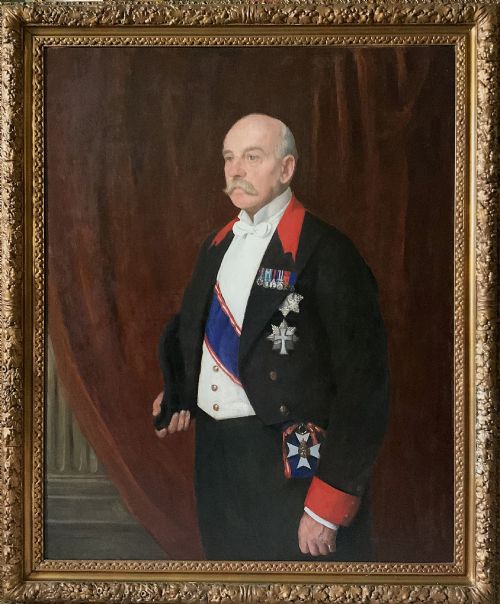
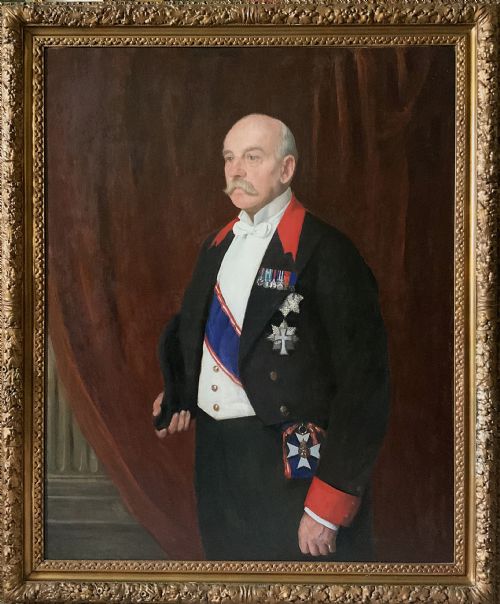
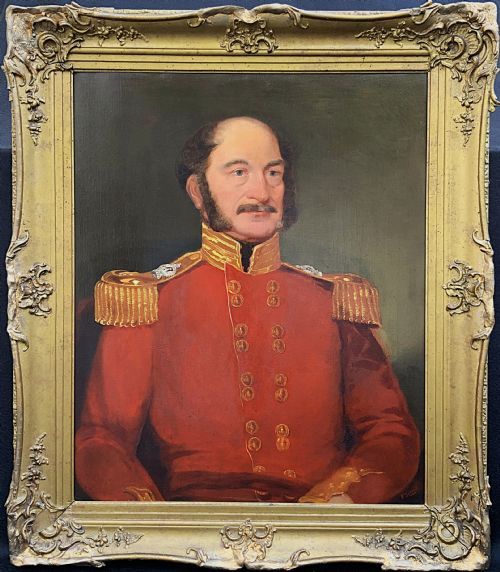
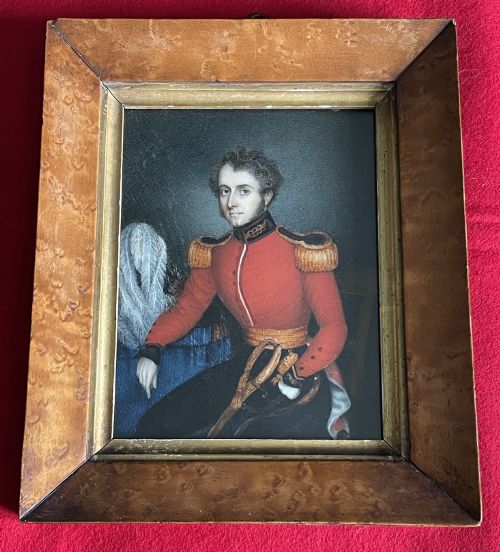
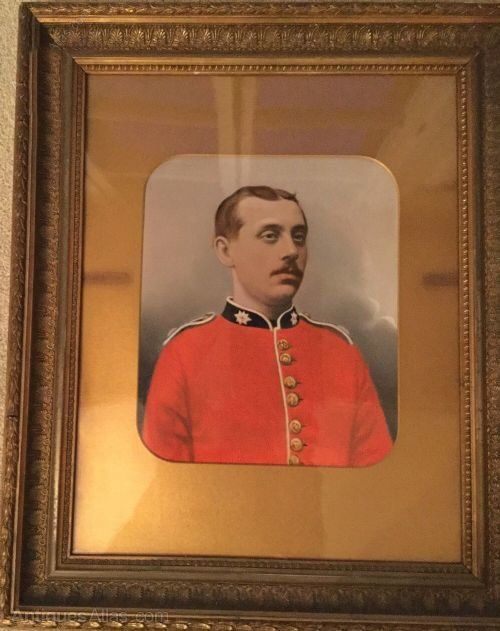
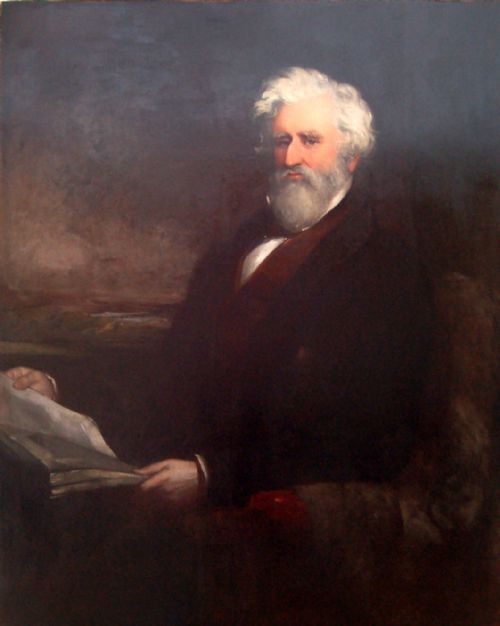
A victorian officer painting encompasses formal oil portraits and framed watercolours depicting military and naval figures from the nineteenth century. Buyers encounter monumental canvases of major-generals alongside smaller portrait miniatures of dragoons and lieutenants.
The selections span the nineteenth century, including specific dates from 1800 to 1910, reflecting various ranks from lieutenant-colonel to admiral. Subjects wear ceremonial red tunics, naval jackets, and full dress uniform.
Alongside canvas works, related military items such as painted campaign chests, toleware hat boxes, and travel trunks appear in the listings. These objects share the provenance and context of the officers depicted in the paintings.
How They Were Made
Artists painted these works primarily using oil paint on canvas, mounted on wood stretchers and housed in giltwood or simple frames. Watercolour on paper also appears, often preserved under glass.
Accessory pieces utilise wood, metal, and toleware tin, decorated with painted finishes suited to military campaign use. The construction methods reflect standard nineteenth-century studio and workshop practices.
The listings span from 1800 to 1910, uniting oil on canvas portraits with watercolour paintings and wooden campaign trunks.
What Varies in Quality
The distinction between works lies in the skill of the portraitist, the precision of uniform detailing, and the preservation of the canvas and pigment. Masterful brushwork captures the likeness and rank with striking authority.
Framing and mounting contribute to the overall presentation, with original giltwood frames offering greater historical context than later replacements. The condition of the paint surface and the stability of the canvas dictate the longevity of the artwork.
George Frederic Watts·George Frederick Clarke·John Irvine·George Duncan Beechey·William Salter·Sir Richard Westmacott
The Victorian Officer Painting Glossary
- Oil on Canvas
- Pigment mixed with drying oil applied to a woven fabric support. This was the standard medium for large-scale portraiture.
- Toleware
- Enamelled and painted tinplate used for utilitarian items such as military hat boxes. It combined durability with decorative finish.
- Portrait Miniature
- A small-scale painting capturing a likeness with fine detail. These works were often carried or kept in private quarters.
- Campaign Chest
- A sectional piece of furniture designed to dismantle for transport during military campaigns. These chests utilise wood and brass reinforcement.
- Giltwood
- Wood carved and coated with gold leaf or metallic powder. It provided ornate framing for formal nineteenth-century portraits.
Victorian Officer Painting: Frequently Asked Questions
How do I identify the rank in a military portrait?
Uniform details such as collar insignia, lace, epaulettes, and tunic colours indicate the specific rank and regiment of the sitter. Researching the named officer often confirms their exact military standing.
Contrasting these markers with historical uniform regulations helps determine the precise period of the service depicted.
Where were these paintings displayed originally?
Officers and their families hung these large oil portraits in regimental messes, country houses, and official headquarters. Smaller watercolours and miniatures stayed in private quarters or personal travel cases.
Displaying them today in domestic spaces continues that tradition of commemorating military heritage.
What distinguishes an oil painting from a watercolour here?
Oil paintings on canvas offer richer texture and larger scale, suited to monumental depictions of senior generals and commanders. Watercolours provide intimate detail, typically preserved under glass in smaller framed formats.
Both mediums document the visual history of nineteenth-century military service.
How do campaign chests relate to the paintings?
Campaign chests and hat boxes provided portable storage for officers on active service across the empire. Their robust wood and metal construction accompanied the regiments depicted on the canvases.
Collecting these items alongside the portraits creates a complete historical context of nineteenth-century military life.