


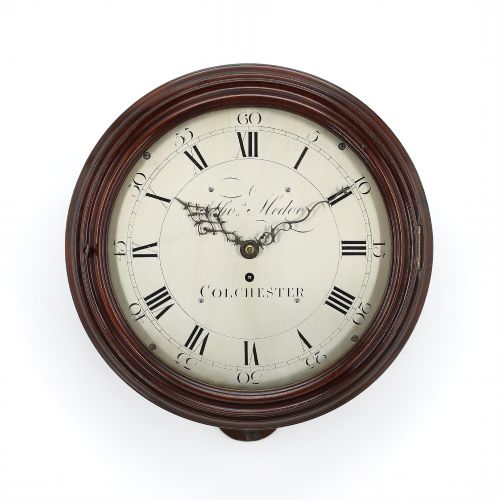
Fusee Pendulum Wall Clock
A fusee pendulum wall clock maintains precise time through a conical pulley and chain mechanism housed within timber drop-dial cases.
Fusee Pendulum Wall Clock
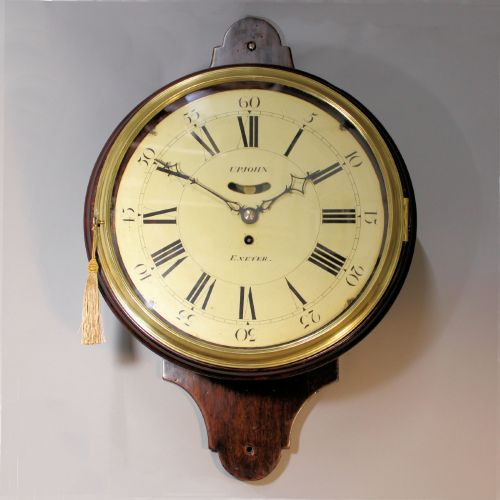
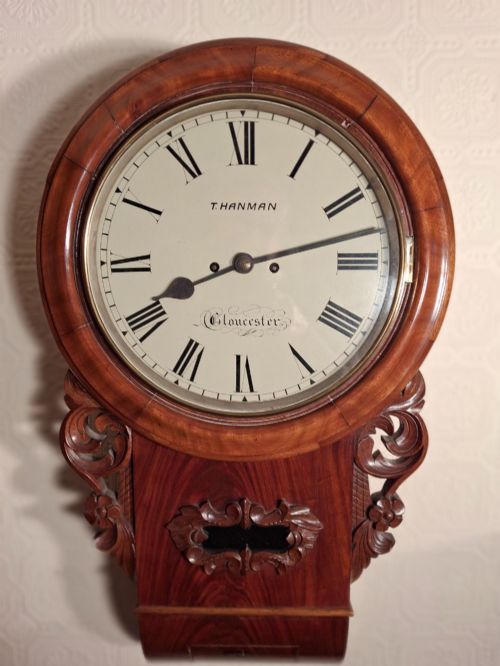
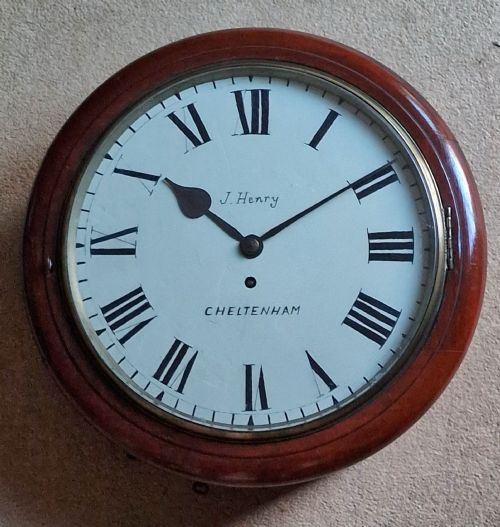
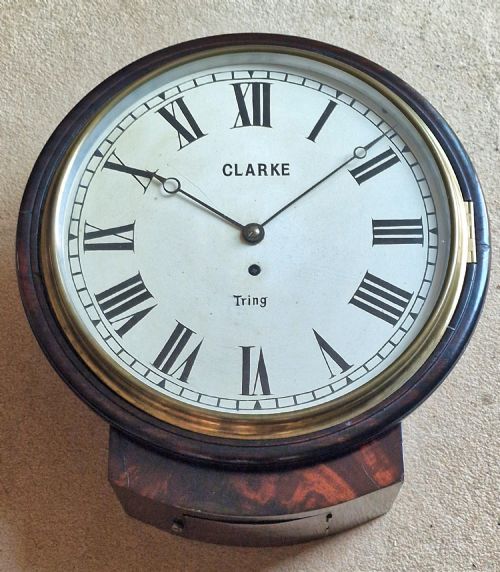
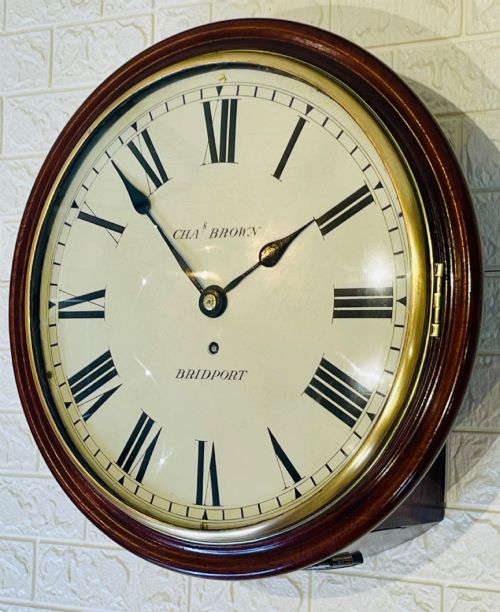
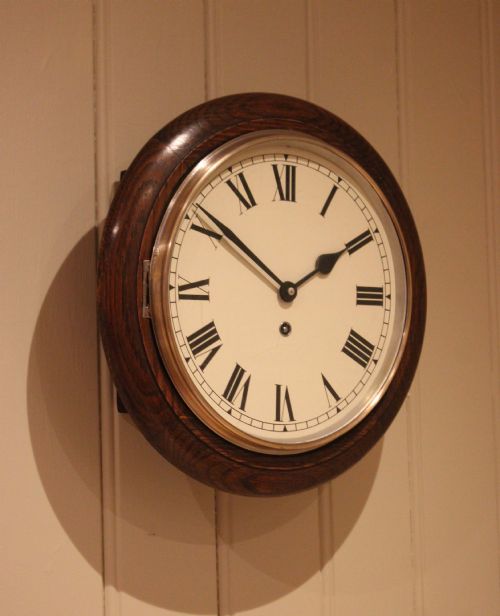
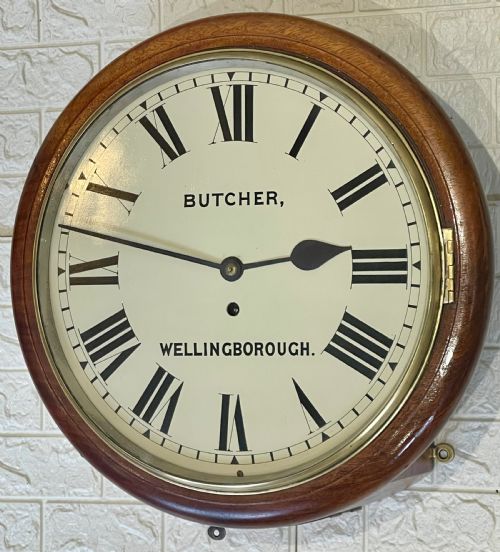
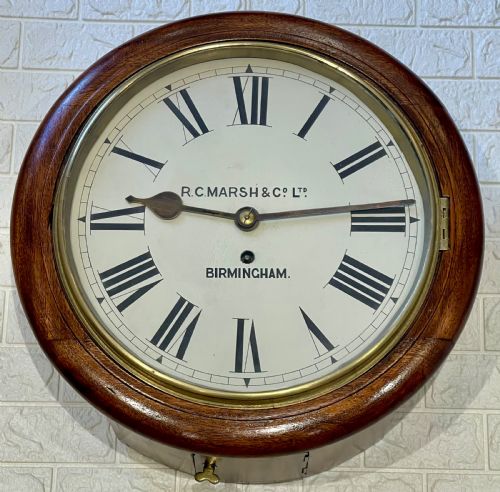
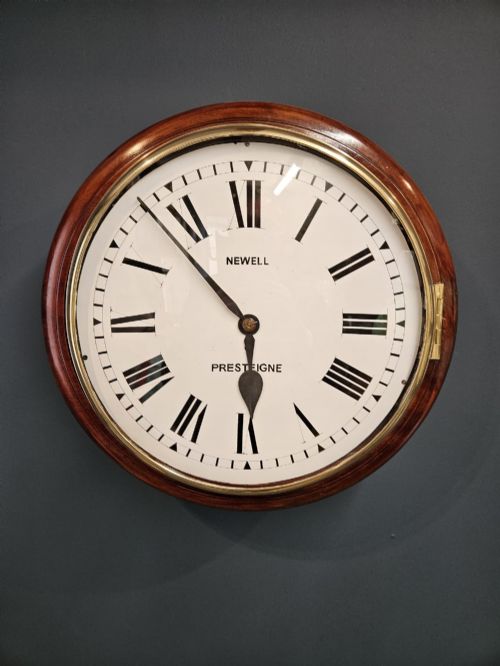
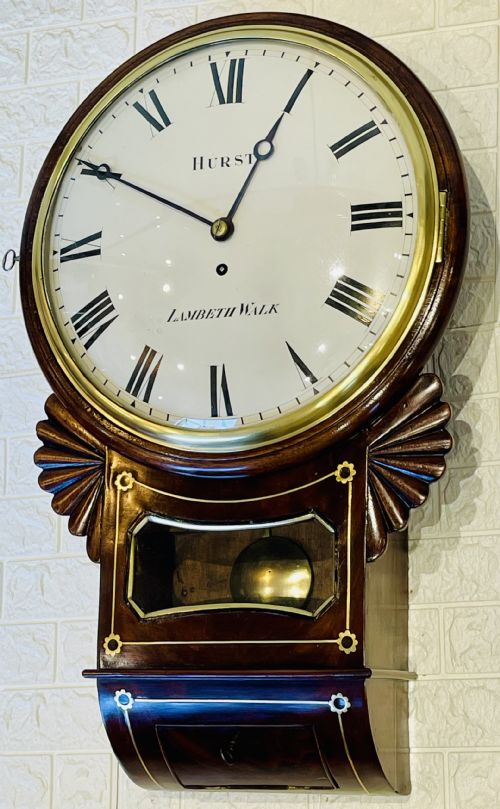
A fusee pendulum wall clock is a timekeeping instrument designed to hang securely in domestic halls, offices, and railway stations. The pieces seen here span the Georgian, Regency, and Victorian periods through to the early twentieth century.
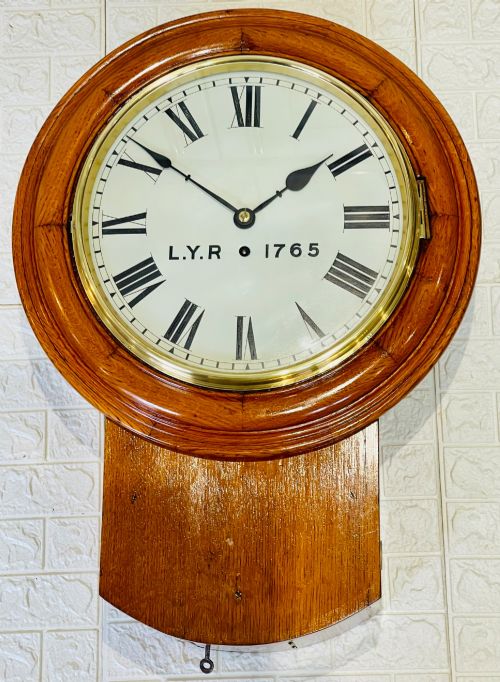
Railway companies utilised these wall clocks extensively for scheduling, resulting in numerous surviving examples bearing station names and regional designations. Makers marked their dials plainly to identify their local provenance.
Materials and construction
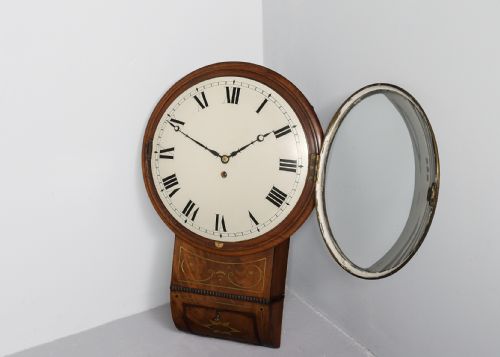
Cabinet makers utilised dense hardwoods such as mahogany and oak for the robust wall cases, occasionally incorporating rosewood veneer, mother of pearl, or brass inlay. These timber housings protect the intricate brass and iron gear trains within.
The movement relies on a fusee, a cone-shaped pulley that equalises the declining power of the driving spring as it unwinds. Dials are fashioned from painted metal, convex glass fronts, or turned wood, displaying clear numerals for practical time reading.
Several railway clocks travelled hundreds of miles on platform walls before finding quiet retirement in modern hallways.
Assessing quality
Quality rests in the crispness of the timber case mouldings, the neatness of the brass inlay work, and the legibility of the painted dial lettering. Original wooden bezels and matching trunk doors demonstrate superior initial manufacture.
Movement execution defines the tier of the piece, with clean, well-finished brass plates and original chain drives indicating diligent workshop standards. Railway and provincial signed dials carry additional archival interest regarding their origin.
J Henry Cheltenham·George Clarke Tring·Joseph Bird of Stroud·Thomas Hedge of Colchester·Samuel Chave Taunton·Halliday and Rich Bridgwater·Joseph Mansfield·John Walker
The Fusee Pendulum Wall Clock Glossary
- Fusee
- A conical pulley connected to the mainspring by a chain or cord. It ensures even force is transmitted to the gear train as the spring unwinds.
- Drop-dial
- A clock case with a circular dial at the top and an extended lower wooden box or trunk underneath. This shape accommodates the pendulum swing and drop-down weight or chain mechanism.
- Verge
- An early type of escapement controlling the release of the gear train. It works with a crown wheel to regulate the beat of the pendulum.
- Twin fusee
- A movement incorporating two separate fusee mechanisms. One drives the timekeeping train while the other powers the strike train for bells or gongs.
- Convex dial
- A clock face that curves outward towards the viewer. This design reduces glare from windows and gas lighting.
Fusee Pendulum Wall Clock: Frequently Asked Questions
How do I wind a fusee wall clock?
Insert the winding key into the small hole on the clock face and turn it gently clockwise until it stops. Take care not to overwind the chain.
Ensure you support the pendulum or stabilise the case during handling to prevent any sudden shock to the delicate brass movement inside.
Why do some clocks have railway names?
Railway companies purchased reliable dial clocks from reputable makers to regulate train departures and station operations. These clocks were stamped or painted with company initials and specific station locations.
Surviving examples offer a direct link to nineteenth-century transport history and professional timekeeping standards.
How do I date a wooden wall clock?
Examine the timber species, case construction methods, and dial style to determine the era of production. Georgian and Regency pieces often feature distinct convex wooden dials and rich mahogany cases.
Victorian and later examples frequently display railway markings or simpler oak frames, reflecting changing interior tastes and industrial expansion.
Where should I hang a wall clock?
Mount the clock securely onto a solid wall stud or masonry using appropriate fixings that can bear the substantial weight of hardwood and brass. Avoid placing it in areas subject to dampness or direct sunlight.
Ensure the wall is flat so the case hangs plumb, allowing the pendulum to swing evenly without catching the backboard.