

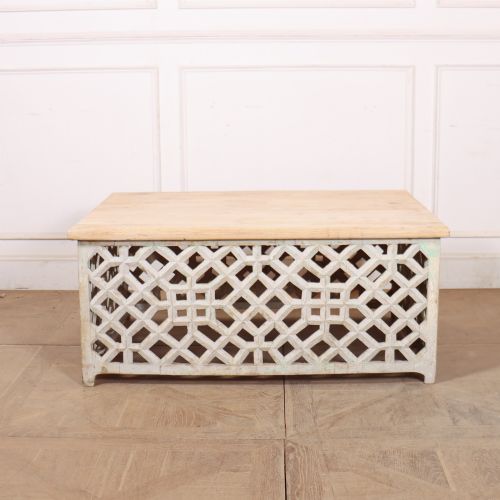


Fretwork Coffee Table
A fretwork coffee table brings intricate woodwork into a modern room, offering low-surface utility with distinct regional character.
Fretwork Coffee Table
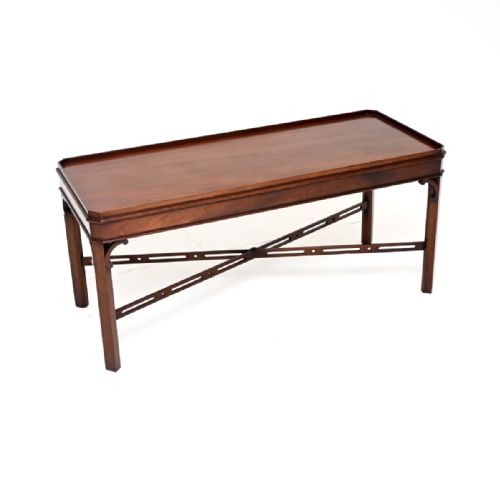
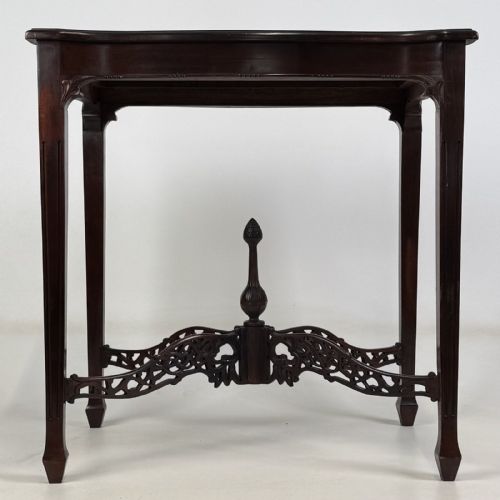
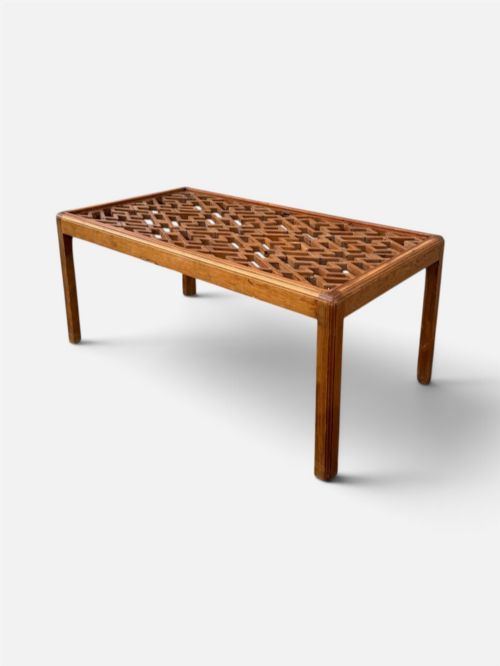
When you search for a fretwork coffee table, you are looking at low tables defined by pierced or cut-out wooden patterns, often incorporating glass tops or panel inserts. These pieces draw on diverse design traditions, ranging from Chinese export work to Anglo-Indian and Moorish styles.
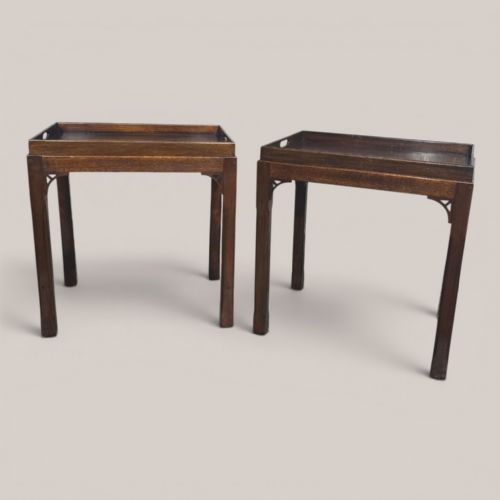
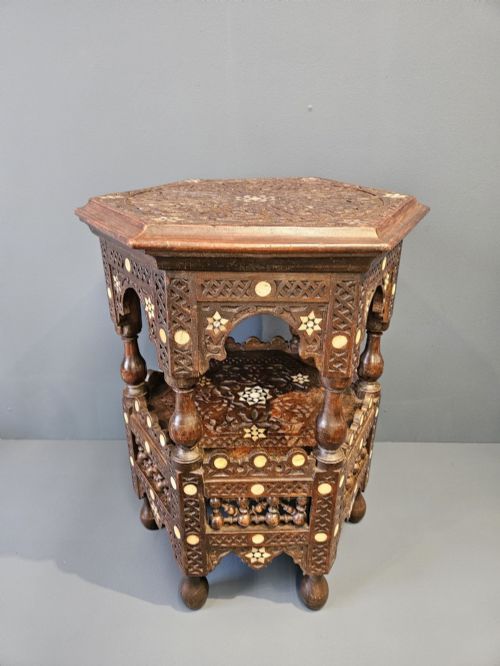
The versions you are most likely to meet on this page include adapted panels set beneath glass, alongside occasional tables and side tables repurposed for coffee placement. Periods span from the Victorian era and 1900 through to mid-century modern interpretations.
Makers and craftsmen utilised forms such as octagonal tables and nests of tables, translating traditional joinery into domestic furniture. Each piece reflects specific regional ornament, connecting centuries of woodworking craft to contemporary spaces.
How they were made
Construction relies on solid hardwoods including mahogany, teak, elm, and hongmu, paired with specialist details like bone inlay and brass wire. Artisans cut intricate openwork designs directly into timber panels or built up geometric lattices by hand.
Surface finishes vary from natural polished wood to painted treatments, while some examples integrate protective glass tops over delicate carved panels. Frame construction ranges from traditional mortise and tenon joints to complex octagonal assemblies.
Fretwork Coffee Table Retail Price Guide 2026
Typical asking prices for fretwork coffee table among the pieces listed under this phrase on Sellingantiques today, from the lower quarter to the upper quarter. They describe what is for sale here now, not the wider market.
Listings feature materials spanning mahogany, teak, elm, bone inlay, and brass, alongside periods ranging from Victorian and 1900 to the mid-twentieth century.
What varies in quality
The crispness of the pierced carving separates fine examples from simpler production, particularly where geometric or floral motifs demand steady handwork. Wood selection also dictates quality, with dense timbers like mahogany and figured burrwood holding sharper detail than softer woods.
Inlaid elements such as bone or brass distinguish superior decorative execution, requiring precise fitting into the surrounding timber matrix. Structural integrity in joints and panels remains critical, especially when tables are adapted with glass tops or altered from earlier forms.
The Fretwork Coffee Table Glossary
- Fretwork
- Ornamental perforated wood carving formed by cutting patterns through thin timber. It creates light, open lattices used on panels and friezes.
- Hongmu
- A dense, dark traditional Chinese hardwood prized for fine furniture construction. It provides exceptional stability for detailed carving.
- Octagonal
- Having eight sides and angles. This geometric plan is common in tables originating from Indian and Moorish workshops.
- Burrwood
- Timber taken from a tree growth featuring swirling, irregular grain patterns. It is sliced into veneers for decorative table surfaces.
Fretwork Coffee Table: Frequently Asked Questions
How do I care for a wood and glass table?
Clean the glass top with standard glass cleaner while avoiding harsh chemicals on the surrounding timber frame. Dust the intricate fretwork regularly with a soft brush to prevent grime accumulation in the carved recesses.
Keep wooden surfaces away from direct heat sources and moisture to protect the finish and prevent timber movement.
How do I identify the period?
Period identification relies on examining timber species, joinery methods, and stylistic cues such as Moorish geometry or Chippendale-inspired motifs. Materials like bone inlay or specific hardwoods point towards regional workshops active around 1900 or earlier.
Later adaptations often combine antique panels with newer frames, requiring careful inspection of the construction joints.
Are these tables sturdy enough for daily use?
Most solid hardwood and metal-inlaid tables offer adequate stability for general placement, though delicate fretwork panels require some care. Many contemporary versions use glass tops to protect the intricate carved wood underneath from spills and heavy items.
Checking the rigidity of the leg joints helps determine whether a table suits active everyday environments.