



French Velvet Sofa
A french velvet sofa brings genuine period theatre to a room, offering deep seats and tactile upholstery.
French Velvet Sofa
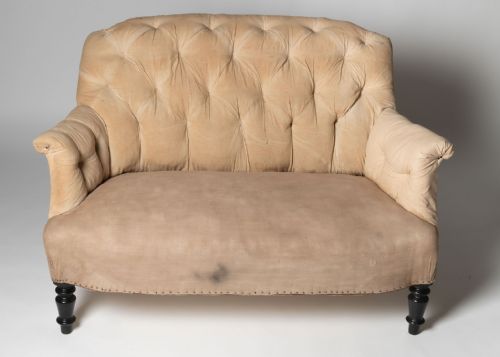
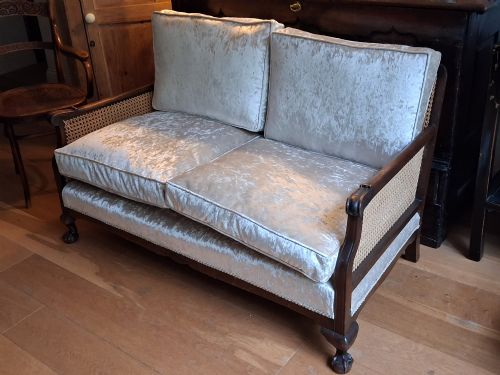
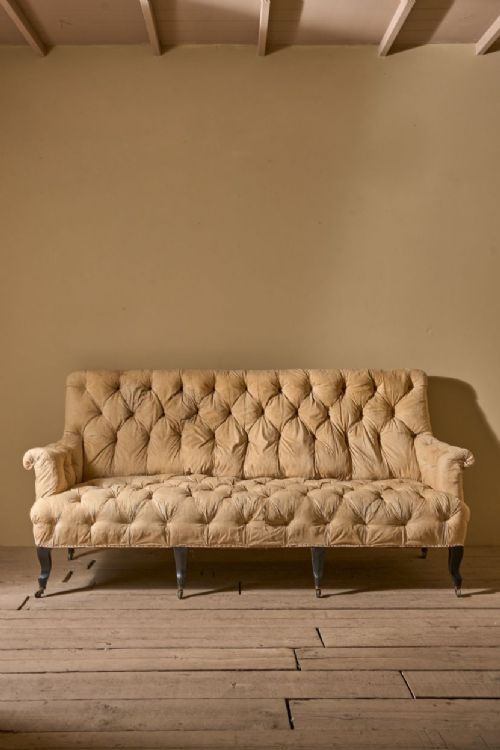
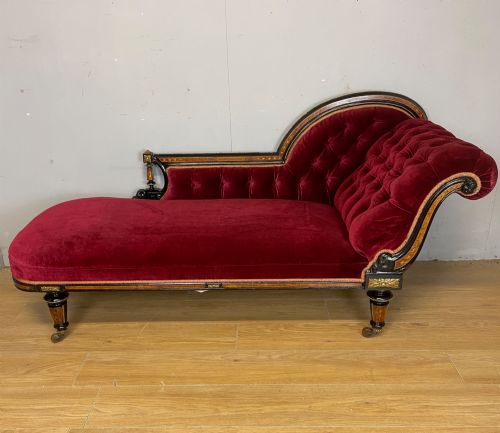
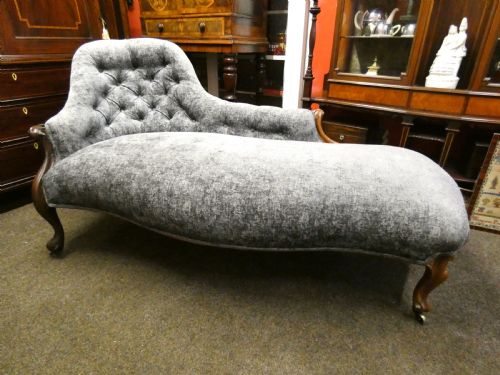
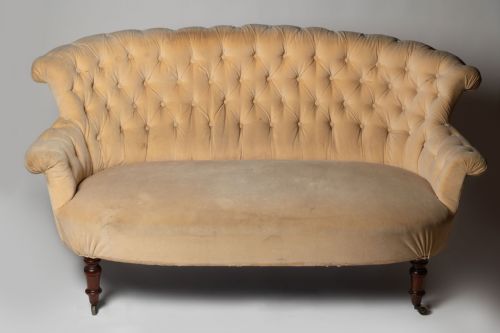
When you search for a french velvet sofa, you encounter a range of nineteenth-century seating forms, including buttoned button-back settees, chaise longues, and carved walnut couches. These pieces span Victorian, Napoleon III, and Belle Époque styles, originating from workshops that favoured ornate woodwork and rich textiles.
The version most commonly met on this page is the nineteenth-century walnut or mahogany settee, frequently upholstered in velvet with decorative trims like brass or tassels. You also find specialised forms such as conversation seats, banquette sofas, and ebonized daybeds.
Makers and designers drew upon historical French aesthetics, producing Louis XVI style giltwood frames alongside fruitwood Directoire two-seaters and Rococo Revival curves. Each item reflects the decorative ambitions of its period, balancing structural timber with soft pile fabrics.
How they were made
Frames rely on hardwoods such as walnut, mahogany, fruitwood, and ebonized timber, often shaped with hand-carved details or inlaid panels. Giltwood and brass or ormolu mounts add metallic contrast to the exposed wooden structures.
Upholstery techniques utilise traditional padding beneath velvet, fabric, or leather surfaces, finished with buttoning, tassel trims, or nailhead borders. Skilled joinery ensures the stability of complex shapes like curved conversation seats and long reception chaises.
French Velvet Sofa Retail Price Guide 2026
Typical asking prices for french velvet sofa among the pieces listed under this phrase on Sellingantiques today, from the lower quarter to the upper quarter. They describe what is for sale here now, not the wider market.
Listings feature 19th-century and Victorian periods alongside walnut, mahogany, fruitwood, and giltwood materials.
What varies in quality
The refinement of the timber carving dictates the grade of the piece, moving from simple turned supports to deeply sculpted walnut frames with intricate floral or classical motifs. Crisp ormolu mounts and precise inlay work separate standard workshop output from finer salon seating.
Upholstery execution alters the overall character, where deep hand-buttoning and period-appropriate velvet trim maintain the structural integrity and visual harmony of the design. The proportion of the frame, whether a compact boudoir sofa or a large reception settee, influences its architectural presence.
The French Velvet Sofa Glossary
- Ormolu
- Gilded bronze ornamentation applied to furniture frames. It provides a bright metallic accent against dark walnut or ebonized wood.
- Chaise longue
- An elongated upholstered chair designed for reclining. This form combines the backrest of a sofa with the seat length of a daybed.
- Bergere
- An enclosed upholstered armchair or small sofa with wooden frames. These pieces often feature exposed wood surrounds and padded armrests.
- Banquette
- A long upholstered bench or sofa without a high back, often utilised in reception rooms. It provides open seating with decorative trim.
- Ebonized
- Wood stained or finished to resemble ebony. This dark treatment was popular in nineteenth-century decorative arts to create high contrast.
French Velvet Sofa: Frequently Asked Questions
How do I clean velvet upholstery?
Velvet requires gentle brushing with a soft-bristled brush to maintain the pile direction and remove surface dust. Avoid harsh scrubbing or excess moisture to protect the delicate fibres.
Professional specialist cleaning is recommended for antique textiles to prevent shrinkage or damage to the underlying traditional padding and wooden frame.
Where were these sofas placed originally?
These seating pieces belonged in formal reception rooms, grand salons, and private boudoirs of nineteenth-century residences. They served as primary seating for conversation, reading, and entertaining guests.
Smaller chaise longues and bedroom sofas were designed for private dressing rooms and quiet resting areas within the home.
Are these sofas comfortable for daily use?
Period upholstery relies on traditional spring or hair stuffing, which offers firmer support than modern foam cushioning. Many pieces feature deep seats designed for relaxed posture.
Their comfort depends on the condition of the internal webbing and padding, which varies across nineteenth-century examples.
How do I date a french velvet sofa?
Dating relies on stylistic clues, timber choices, and construction methods characteristic of periods like Victorian, Napoleon III, or Belle Époque. Walnut and mahogany framing styles shifted from ornate revival curves to sleeker forms over the decades.
Upholstery materials and decorative elements such as brass studs or tassel trims provide additional chronological markers for the piece.