
French Turned Leg Table
A french turned leg table brings rustic warmth and provincial character to a room through its sturdy timbers and shapely turned supports.
French Turned Leg Table
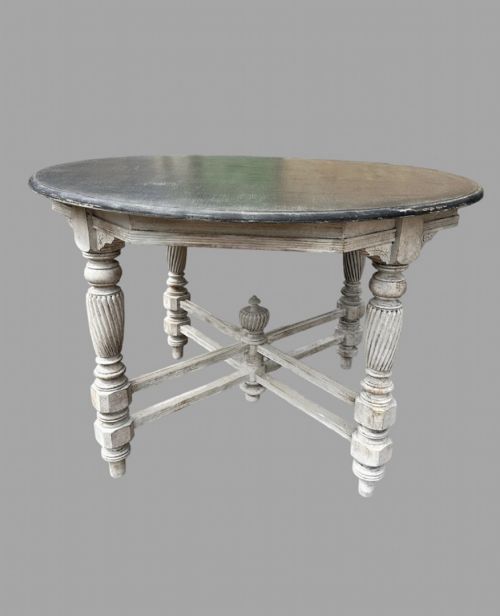
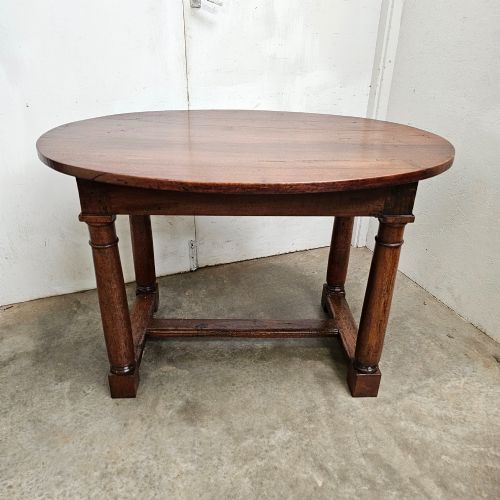
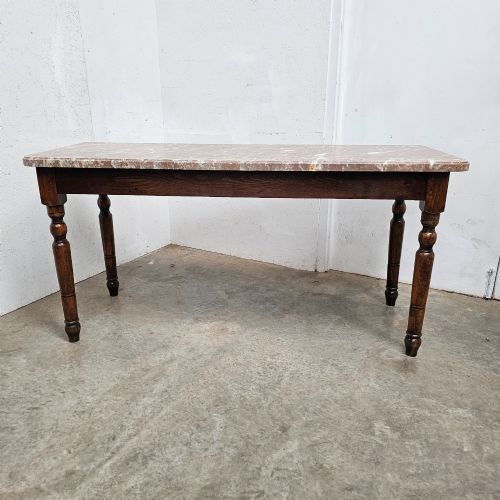
When you search for a french turned leg table, you encounter substantial dining tables, compact side tables, and low coffee tables originating from various European regions and domestic workshops. The selections span the eighteenth, nineteenth, and early twentieth centuries, reflecting long traditions of provincial cabinet making and rural utility.
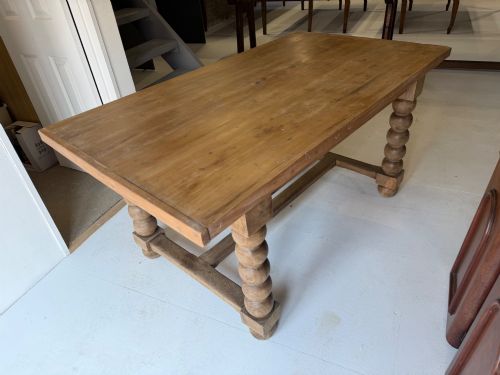
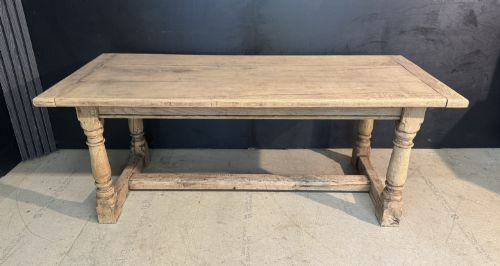
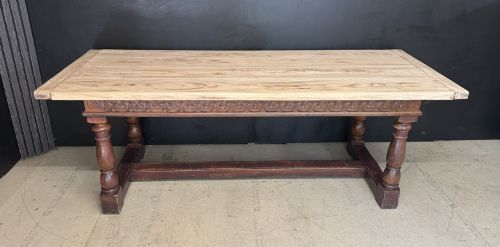
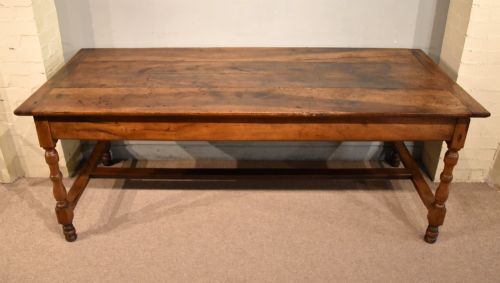
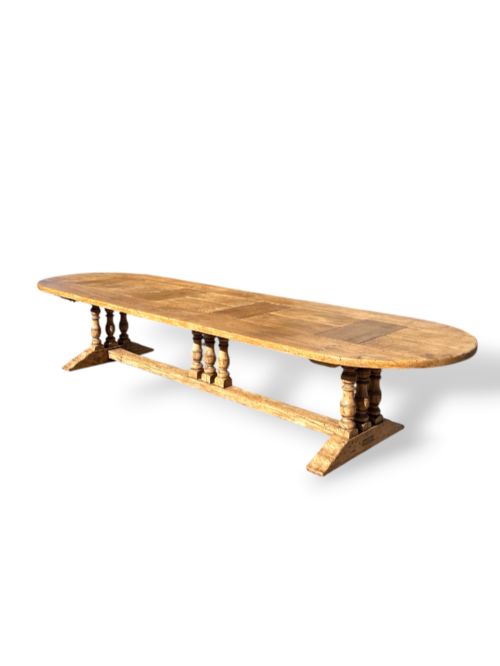
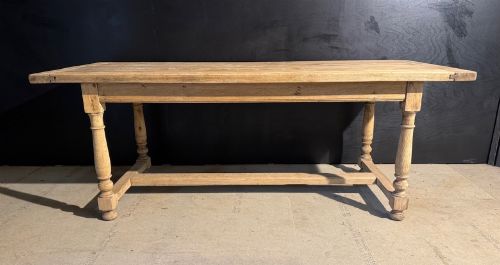
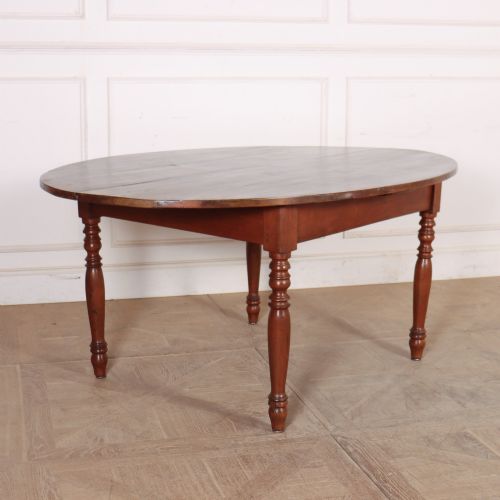
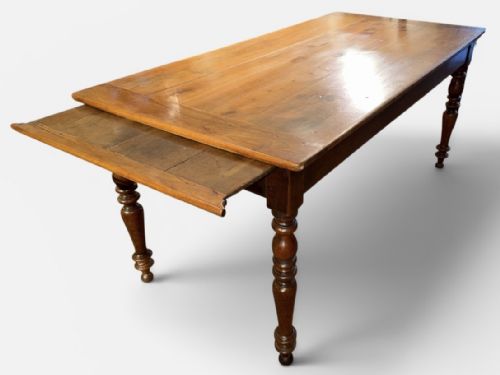
The version most commonly met on this page is the farmhouse or refectory dining table rendered in oak, walnut, or cherrywood. These pieces often feature generous proportions designed for daily domestic use, complemented by turned legs that introduce a decorative turn to otherwise utilitarian timber furniture.
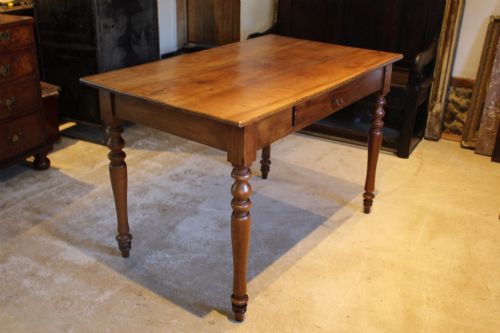
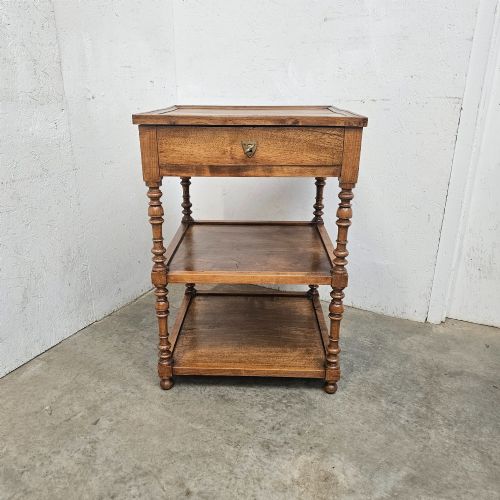
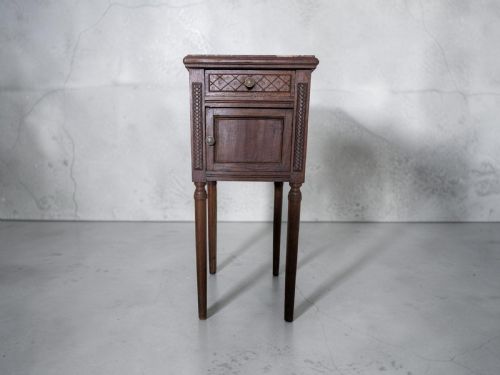
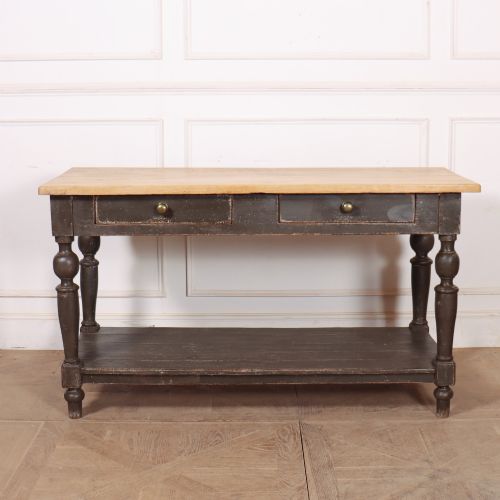
Beyond dining furniture, the category encompasses smaller forms including console tables, bedside cabinets, and occasional tables fitted with single or double drawers. These domestic variations demonstrate how rural and regional makers applied traditional turning techniques to diverse scales of furniture.
How they were made
Makers constructed these tables using solid regional hardwoods including oak, walnut, cherrywood, fruitwood, and yew tree. These timbers were selected for their durability and grain, providing a stable structure capable of withstanding generations of kitchen and dining room use.
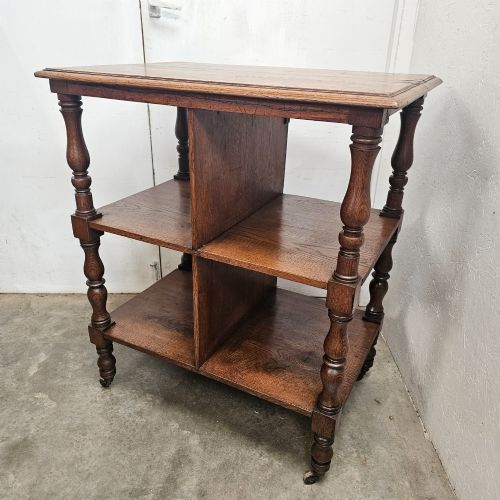
The distinctive legs were shaped on a lathe to create bobbin or turned profiles that support the heavy top boards. Carpenters joined the frames using traditional timber joints, occasionally incorporating drawers with simple pulls and peg construction.
The furniture forms extend from grand four-metre refectory dining tables down to diminutive bedside cabinets and marble-top patisserie display tables.
What varies in quality
The distinction between ordinary and exceptional pieces lies in the choice of timber and the crispness of the lathe work on the legs. Superior examples utilise dense, richly figured walnut or mature oak that has developed a deep, honest patina over centuries of use.
Proportion and structural integrity also separate the finer pieces from simpler utilitarian tables. Tables retaining their original timber tops without excessive board shrinkage or clumsy replacement parts demonstrate the care taken by their original makers.
The French Turned Leg Table Glossary
- Refectory table
- A long, narrow dining table originally built for monastic dining halls and later adopted in domestic farmhouse settings. These pieces provide generous surface area supported by sturdy stretcher bases.
- Bobbin leg
- A style of turned leg shaped on a lathe to resemble a succession of rounded reels or bobbins. This decorative woodworking technique appears frequently on seventeenth and nineteenth-century tables.
- Fruitwood
- A collective term for timber harvested from fruit-bearing trees such as cherry, pear, or apple. Makers valued these woods for their fine grain and warm tones.
- Parquetry
- A geometric mosaic of wood pieces used for decorative surfacing on tables and cabinet work. This technique creates patterned designs across the top boards.
- Patina
- The surface sheen and softening of colour developed by wood through age, light exposure, and handling. A rich patina indicates long use and proper maintenance.
French Turned Leg Table: Frequently Asked Questions
What rooms suit a french turned leg table?
These tables find a natural home in kitchens and dining rooms where their robust wooden construction handles daily family life. Smaller side and coffee tables transition easily into living spaces as occasional surfaces.
The turned leg detail adds architectural interest without overwhelming the room, allowing the timber to complement both rustic and traditional interiors.
How do I care for antique wood tables?
Protect the surface from excessive moisture and direct heat by using coasters and placemats. Regular dusting with a soft, dry cloth preserves the wax finish and natural patina.
A light application of traditional beeswax feeds the timber periodically, keeping the grain nourished without building up artificial gloss.
How can I tell the age of these tables?
Examine the construction methods visible beneath the top and around the drawer joints. Hand-cut dovetails, wooden pegs, and uneven hand-planed boards point towards earlier centuries of production.
Changes in timber availability and hardware styles across the nineteenth and twentieth centuries help narrow down the period of manufacture.
Are these tables suitable for everyday use?
Most pieces were originally built for heavy domestic labour or daily dining, making them inherently durable. Solid hardwood construction ensures they withstand regular modern use.
Simple precautions against heavy impacts and liquid spills keep the antique timber surfaces sound for continued daily living.