
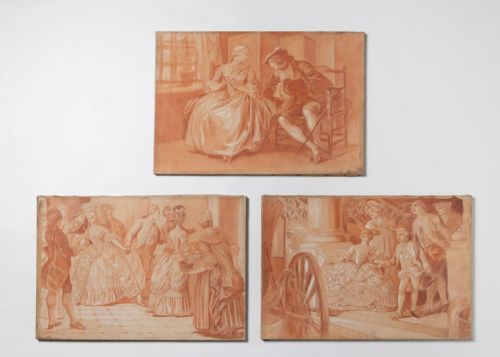


French Terracotta Artwork
These pieces of french terracotta artwork bring continental form and tactile clay to any interior.
French Terracotta Artwork
When collectors search for french terracotta artwork, they encounter sculptural pieces shaped from fired earth, often depicting figures or busts from the early twentieth century. These objects embody the tactile qualities of baked clay, capturing human likeness and form with directness.
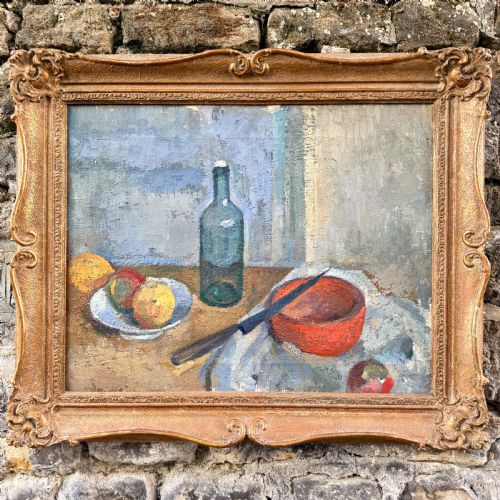
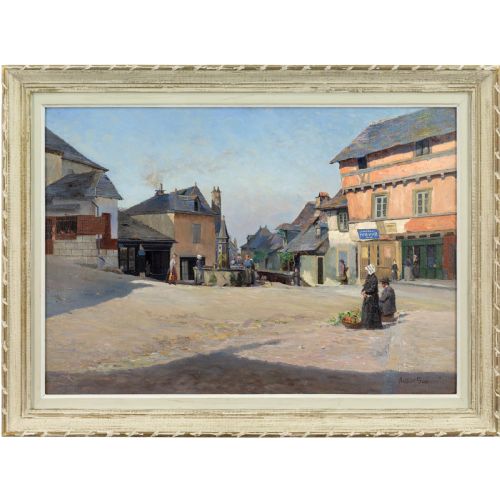
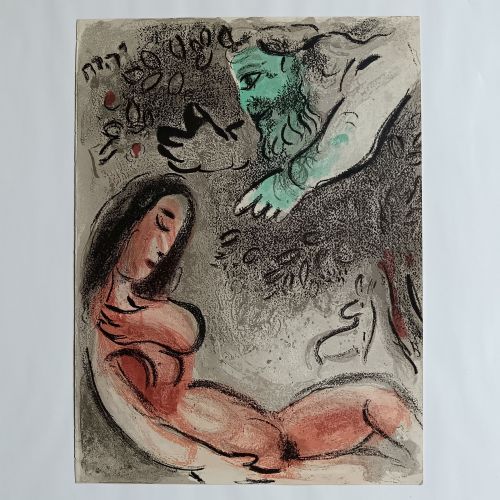
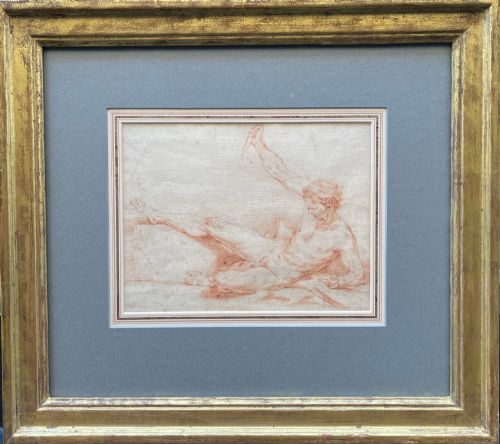
The selection includes sculptural works alongside related pieces in oil paint and drawing, spanning periods from the eighteenth century through to the mid-twentieth century. Pieces such as busts and decorative vessels demonstrate the versatility of terracotta within French artistic traditions.
Materials and Construction
Makers shaped these sculptures from refined natural clay before firing the material in kilns to achieve a durable ceramic body. The porous nature of the earthenware allowed artists to model details by hand while the medium remained malleable.
Surface finishes vary, with some pieces retaining the raw reddish-brown tone of the fired earth while others receive subtle patination or pigments. Canvases and drawings also appear alongside the sculptures, executed in oil paint, ink, and chalk on paper.
Listings span the eighteenth century to the mid-twentieth century, encompassing terracotta sculpture alongside oil paintings and works on paper.
Assessing Quality and Execution
Quality rests upon the skill of the modelling and the sensitivity with which the artist handled the clay. Superior works display confident toolwork and expressive anatomical detail that elevate the material beyond simple decoration.
Gilbert Privat·Auguste Renoir·Demetrios Galanis·Marc Chagall
The French Terracotta Artwork Glossary
- Terracotta
- A porous earthenware body made from fired clay, typically reddish-brown in colour. It serves as a primary medium for sculptural works.
- Bust
- A sculpted representation of a person from the chest or shoulders up. This form is common in terracotta sculpture.
- Patina
- The surface appearance acquired by materials over time through age and handling. In clay works, this can include applied washes or natural weathering.
- Earthenware
- Pottery fired at relatively low temperatures that remains porous unless glazed. Terracotta is a specific, unglazed type of earthenware.
French Terracotta Artwork: Frequently Asked Questions
What is french terracotta artwork?
These pieces comprise fired clay sculptures and related works originating from French artistic traditions. They capture three-dimensional forms through modelled earthenware.
Items range from portrait busts to decorative objects produced across the nineteenth and twentieth centuries.
How do I display terracotta sculpture?
Terracotta requires stable placement away from damp environments due to the porous nature of fired clay. Positioning sculptures on sturdy pedestals or shelves ensures safety from accidental knocks.
Gentle lighting enhances the natural reddish tones and tactile surfaces of the material within a room.
How do I date these sculptures?
Dating relies on stylistic markers, artist signatures, and the specific handling of the clay body. Pieces from the early twentieth century often reflect modernist or Art Deco sensibilities.
Comparing surface patination and recorded exhibition histories provides further context for the period of creation.
Are all pieces signed by the artist?
Signatures, monograms, or studio stamps appear on select sculptural and drawn works, though many older pieces remain unsigned. Attributions depend on documented provenance and stylistic comparisons with known works.
Unsigned examples are judged purely on their sculptural merit and execution quality.