

French Tapered Leg Table
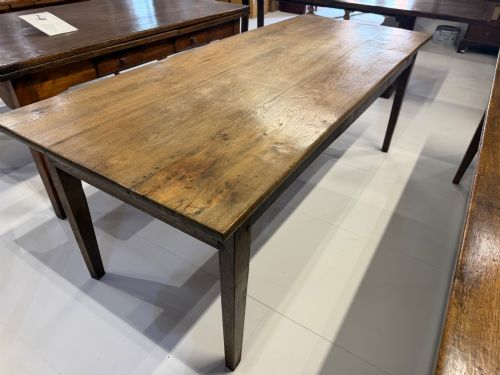
A french tapered leg table brings provincial charm and architectural restraint to a room, offering clean lines rooted in eighteenth-century design.
French Tapered Leg Table
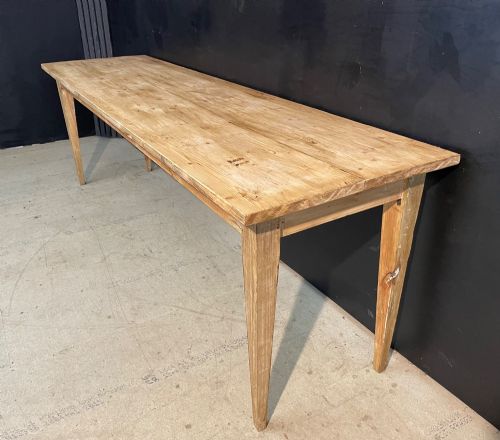
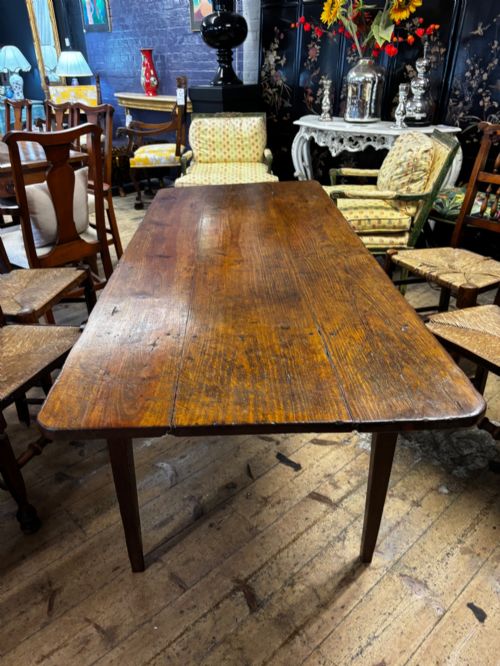
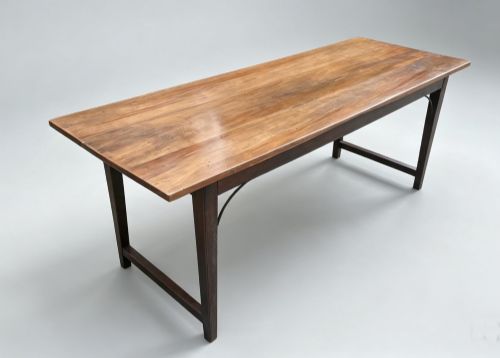
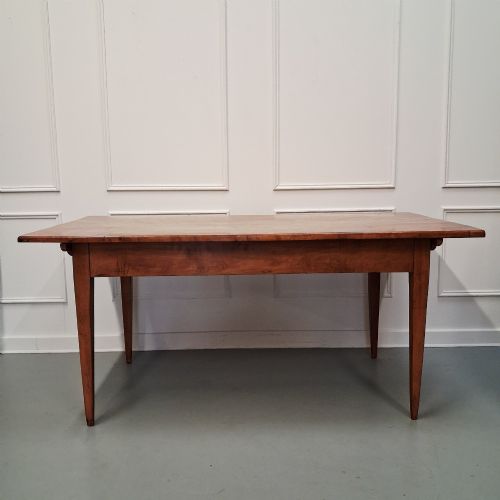
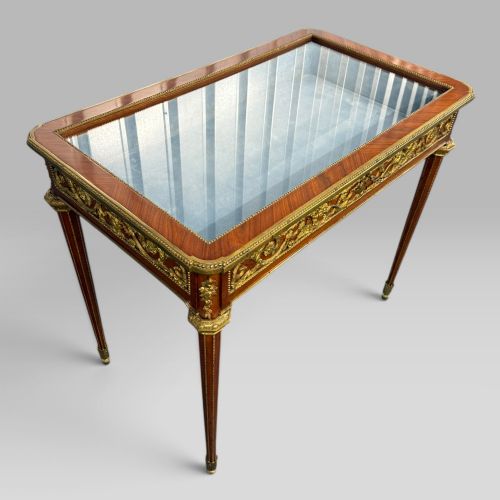
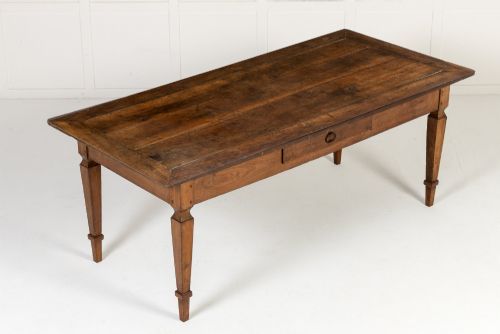
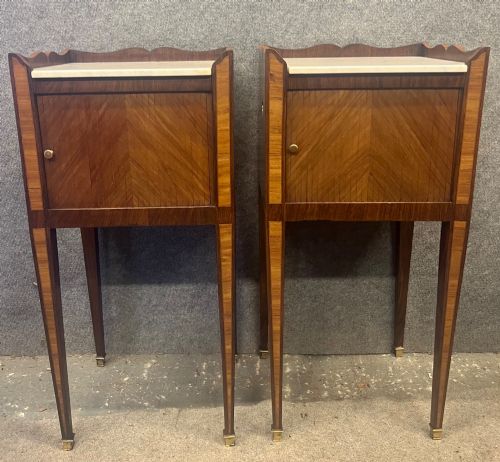
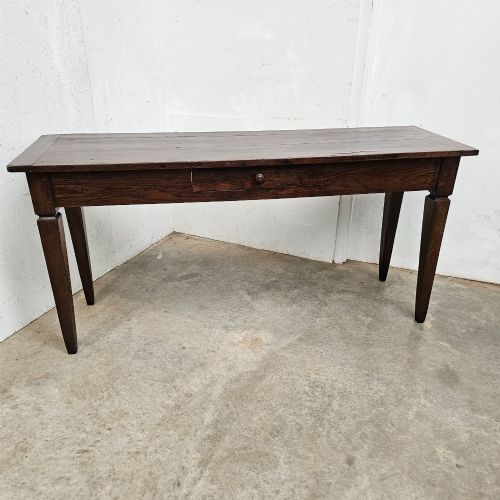
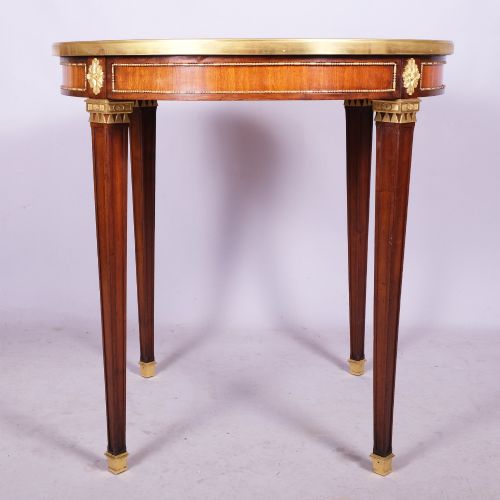
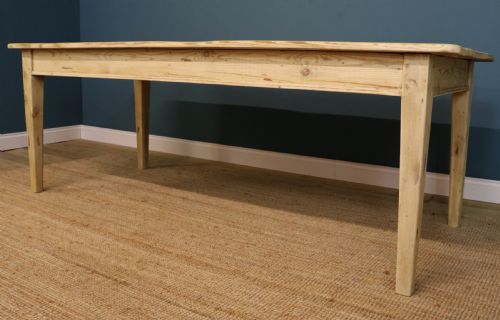
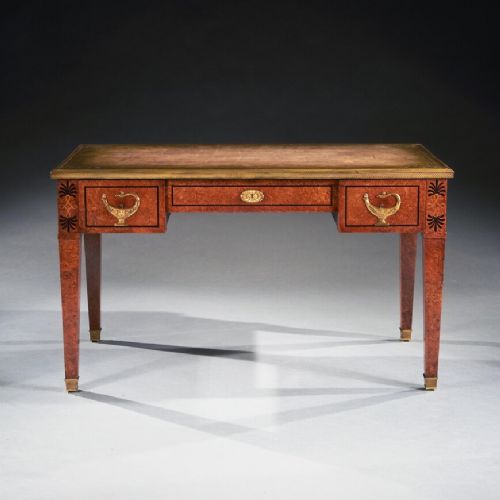
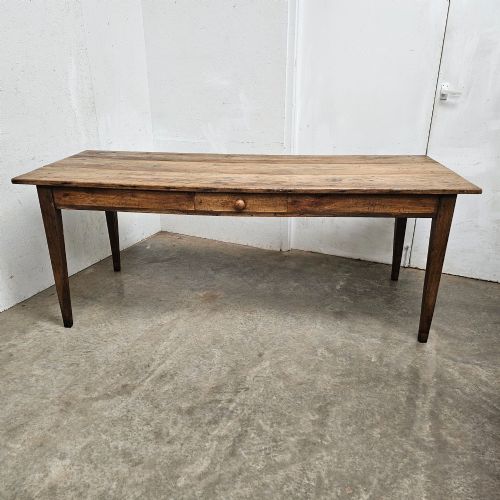
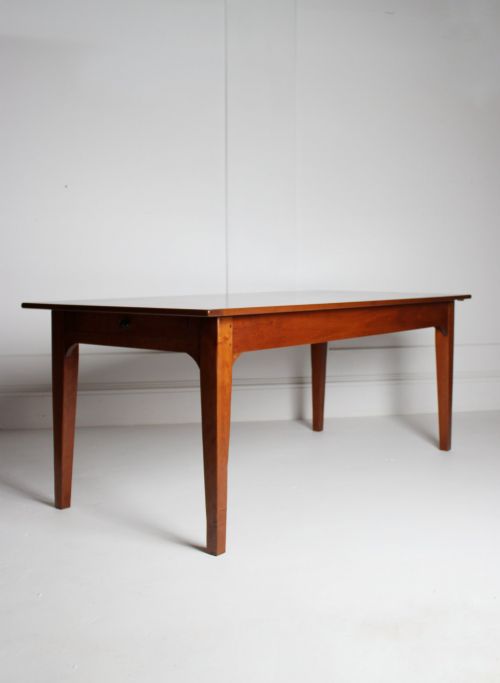
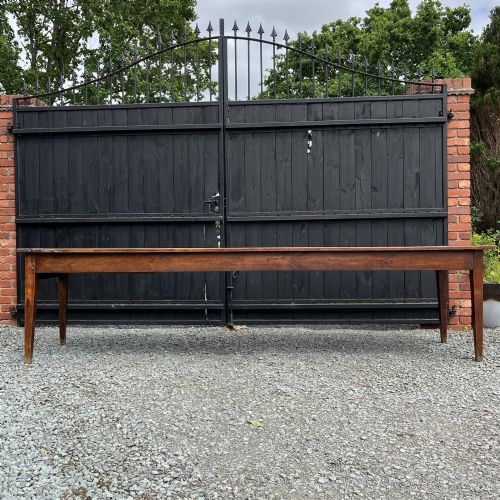
A french tapered leg table encompasses everything from robust nineteenth-century farmhouse dining boards to refined neoclassical writing desks and marble-topped bouillotte pieces. Buyers searching this phrase typically encounter rustic fruitwood and oak tables alongside polished mahogany or satinwood examples associated with Louis XVI style.
The defining feature across these forms is the slender leg profile, which narrows gradually toward the foot rather than turning straight or curving in cabriole fashion. Such pieces appear in various domestic contexts, serving as kitchen work surfaces, console tables, and small bedside cabinets.
Origins span provincial regions such as Alsace as well as urban cabinet-making workshops, drawing on periods stretching from the eighteenth century into the early twentieth century. Cherrywood, pine, and walnut dominate the provincial vernacular, while exotic timbers denote formal library and salon items.
Differentiating quality
The distinction between standard utility furniture and superior craftsmanship lies in the selection of timber and the precision of the leg taper. Provincial pine and fruitwood tables derive their merit from honest patination and timber depth, whereas formal writing tables depend on crisp gilt bronze mounts and balanced proportions.
Refinement shows in the handling of secondary details, such as hand-cut drawer linings, tight joints, and original brass hardware. Pieces retaining uncompromised tabletops, whether scrubbed timber or inset marble, demonstrate superior survival through decades of domestic use.
Listings feature regional French provincial pieces alongside neoclassical styles, spanning solid fruitwood, mahogany, and scrubbed pine.
François Linke
The French Tapered Leg Table Glossary
- Bouillotte table
- A small circular occasional table featuring a raised gallery edge around a marble top, traditionally used for card games. These typically stand on slender tapered legs and incorporate small pull-out candle slides.
- Bureau plat
- A flat-topped freestanding writing desk fitted with drawers along the frieze. This form originates from eighteenth-century France and rests on four tapered legs.
- Guéridon
- A small round freestanding table designed to hold a light source or decorative object. The form often utilises a single central pedestal or four slender tapered legs.
- Draw leaf table
- A dining table equipped with sliding extension leaves hidden beneath the main surface. This mechanism allows the board length to expand without removing the structural legs.
- Marquetry
- The art of applying decorative veneer pieces in wood, metal, or shell to form geometric or floral patterns. This technique decorates the surfaces of formal tables and cabinets.
French Tapered Leg Table: Frequently Asked Questions
What rooms suit a French tapered leg table?
Dining rooms and kitchens accommodate larger fruitwood and scrub-top farmhouse examples, while smaller bouillotte and console versions fit well in hallways and living spaces.
Their slender structural profile prevents them from dominating smaller perimeters, allowing them to function as desks, side tables, or serving surfaces.
How do I care for timber tabletops?
Routine maintenance requires simple dusting with a dry or slightly damp cloth, avoiding modern silicone sprays that build up over time.
Waxing unpolished fruitwood and oak periodically helps nourish the grain and protects against moisture rings from daily use.
Are these tables sturdy enough for daily use?
Provincial farmhouse boards and sturdy oak writing desks are built for heavy domestic service and withstand regular daily activities easily.
Formal neoclassical or inlaid salon tables demand slightly more care due to delicate veneers and decorative bronze mounts.
How can I distinguish provincial from formal styles?
Provincial tables rely on simpler woods like cherry, pine, and walnut with minimal decoration, focusing primarily on practical utility.
Formal pieces incorporate exotic veneers, marquetry, and gilt bronze mounts that reflect urban cabinet-making traditions.