


French Style Wine Table
These french style wine table pieces offer compact surfaces and decorative mounts, bringing continental refinement to a room.
French Style Wine Table
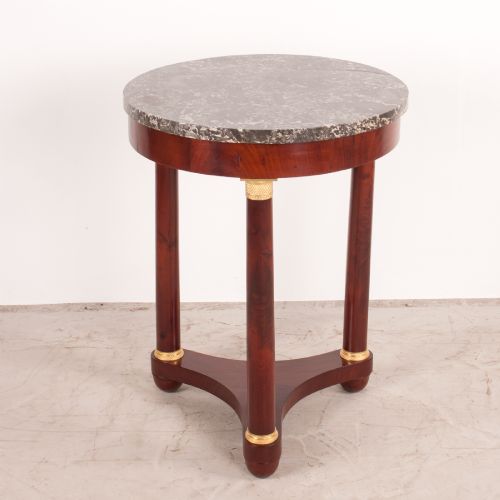
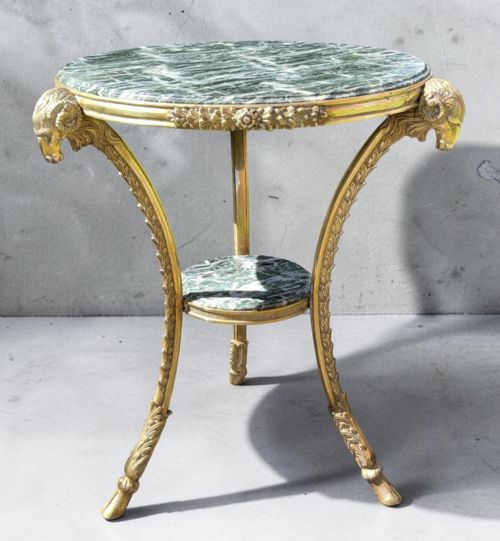
A french style wine table generally takes the form of a gueridon, occasional table, or small pedestal piece designed for intimate spaces. The version most frequently encountered on this page is the nineteenth century round table featuring a stone top and slender supports.
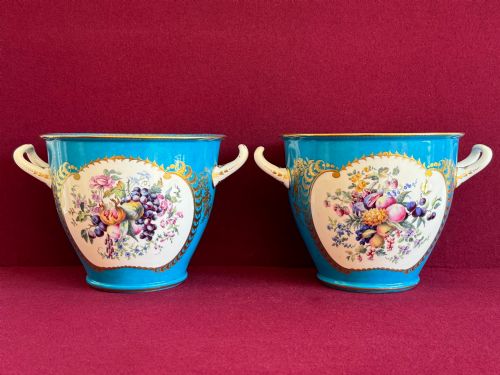
Makers drew upon historical vocabularies, producing pieces aligned with French Empire, Louis XV revival, and Neoclassical aesthetics. These objects served variously as lamp stands, display surfaces, and wine coolers.
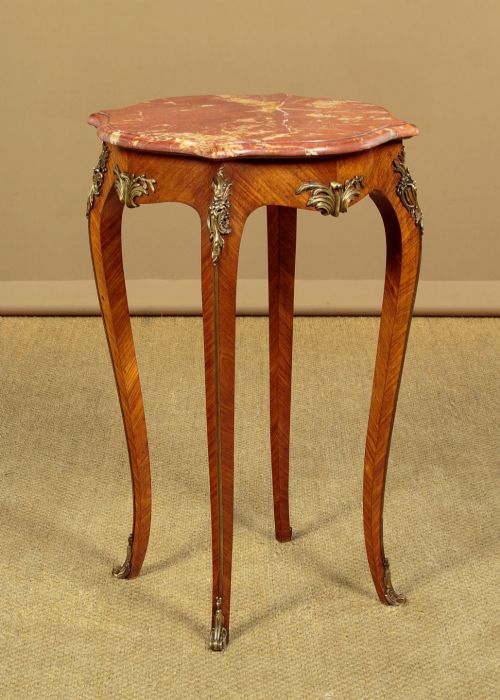
The material palette spans timber carcases set with marble or onyx surfaces, accompanied by cast metal mounts. Pieces emerge from workshops operating across the nineteenth and early twentieth centuries.
Materials and Construction
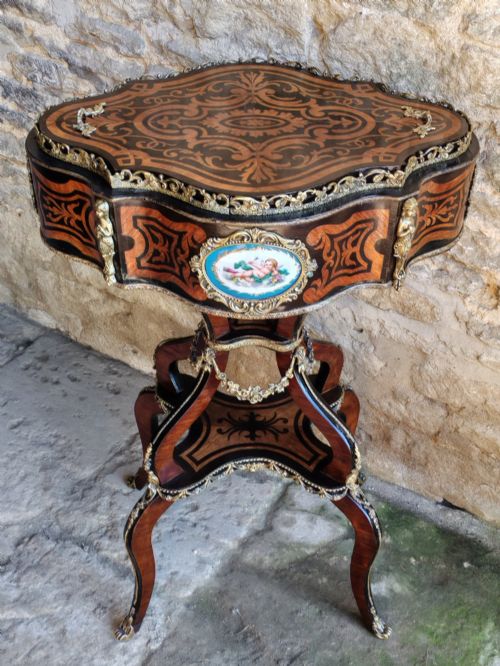
Cabinetmakers utilised dense timbers such as mahogany, walnut, kingwood, and coromandel, frequently enhancing plain surfaces with intricate marquetry and parquetry patterns. Structural frames support heavy inset discs of white marble or onyx.
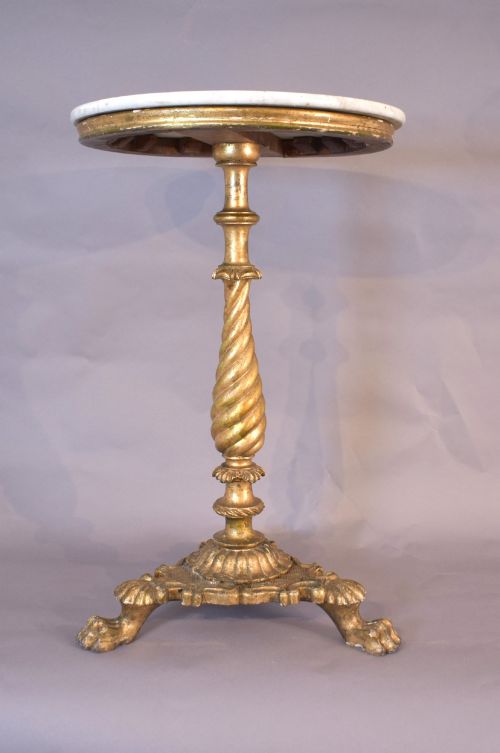
Ornamentation relies heavily on cast brass, ormolu, and gilt bronze mounts, which are applied to legs, aprons, and capitals. Giltwood and ebonised finishes appear alongside painted wood, while specific examples incorporate cast rams heads or swan motifs into the tripod base.
Cast brass rams heads and swan figures peer out from beneath table tops, keeping watch over centuries of spilled wine.
Markers of Distinction
Quality rests in the crispness of the cast bronze and ormolu mounts, where hand-chased detail separates standard production from superior workshop output. The selection of timber veneers and the precision of inlaid parquetry further define the upper tier of pieces.
The integration of the stone top into the wooden carcase demonstrates the maker's joinery skill, particularly when combined with cast brass galleries and stable tripod supports.
L.Martin of Paris·A Hugnet Paris·Zwiener Jansen Sucesseur·E.Daligny
The French Style Wine Table Glossary
- Gueridon
- A small circular table on a central pillar or tripod support originating in seventeenth-century France. These pieces function as occasional tables or stands for lamps and decorative objects.
- Ormolu
- Gilt bronze ornamentation applied to furniture mounts and decorative arts. The technique involves coating cast bronze with a mercury and gold amalgam before heating.
- Marquetry
- Decorative veneer work forming pictorial or geometric patterns using various woods. Craftsmen assemble thin slices of timber onto the carcase to create surface designs.
- Galleried
- A small raised rim or metal rail fitted around the edge of a table top. This feature prevents items from sliding off the polished surface.
- Parquetry
- Geometric wood mosaic work used for flooring and table tops. Pieces of timber are arranged in repeating patterns such as cubes or chevrons.
French Style Wine Table: Frequently Asked Questions
What is a gueridon table?
A gueridon is a traditional French small circular table supported by a single central column or a tripod base. They were originally introduced in the seventeenth century and adapted through successive revival periods.
These pieces function well as side tables, lamp stands, or small display surfaces in sitting rooms. Their compact proportions allow them to fit easily beside seating.
Are marble tops original?
Many tables from this tradition were paired with inset marble or onyx slabs from the outset. These stone surfaces provided a durable, heat-resistant top suitable for serving beverages or holding heavy lamps.
Examining the underside reveals how the stone rests within the wooden rebate or supporting frame, helping to confirm its original relationship to the base.
How do I care for gilt mounts?
Gilt bronze and ormolu mounts require gentle dusting with a soft, dry brush to prevent the accumulation of dirt in recessed areas. Avoid using liquid chemical cleaners, abrasive cloths, or polishes that can strip the delicate gold surface.
Maintaining a stable room temperature away from direct sunlight protects both the metalwork and the underlying timber polish from deterioration.